




Antique Pillar Lamps
Antique pillar lamps bring classical order to a room, combining architectural columns with practical illumination.
Antique Pillar Lamps
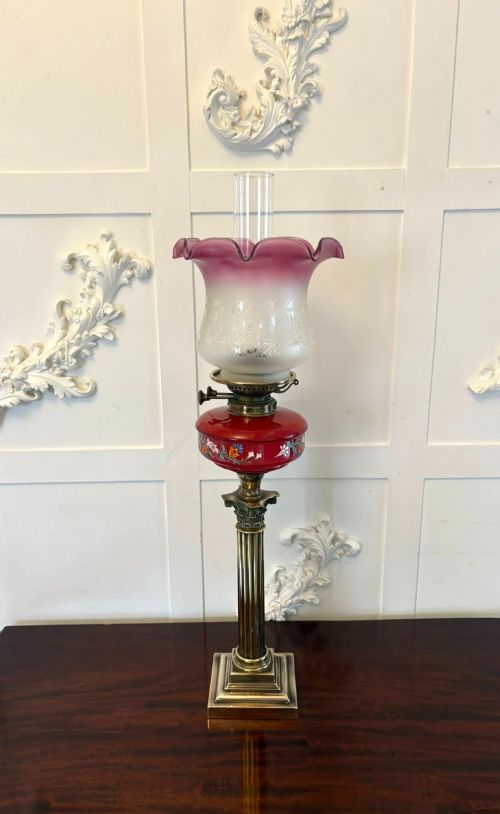
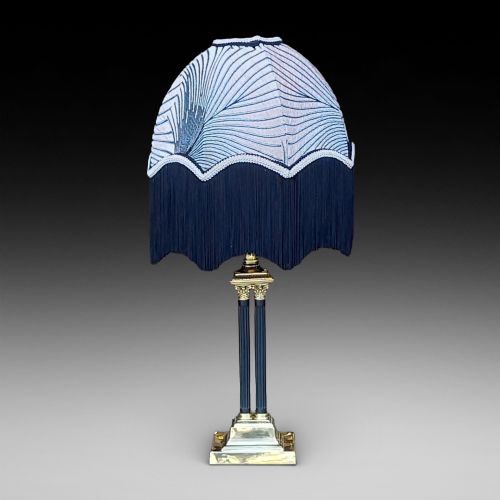
Antique pillar lamps transform classical architectural columns into functional lighting for domestic interiors. When searching for antique pillar lamps, buyers frequently encounter heavy metal standards modeled after ancient orders.
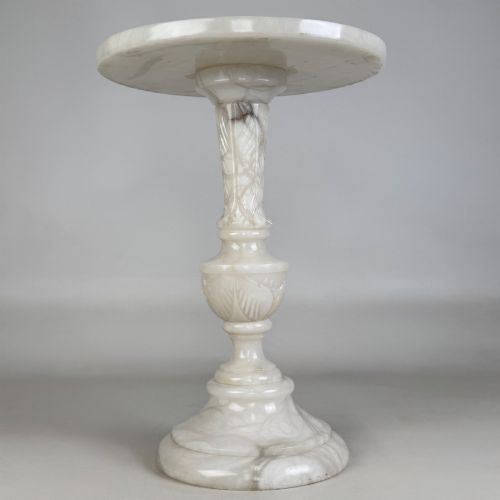
The material record spans brass, silver plate, copper, bronze, marble, alabaster, and carved wood. Forms range from table lamps and lamp bases to outdoor lighting and side tables incorporating pillar motifs.
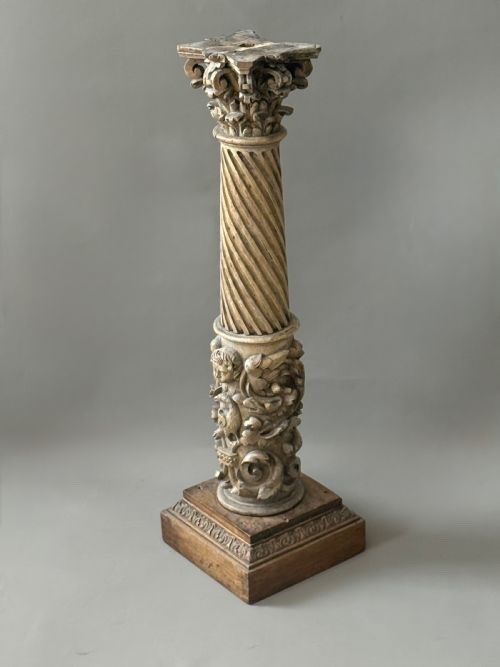
Victorian and Edwardian examples dominate the selection, alongside earlier 17th-century carved wooden bases and later Art Deco designs. Corinthian column table lamps form the largest single group within this category.
How they were made
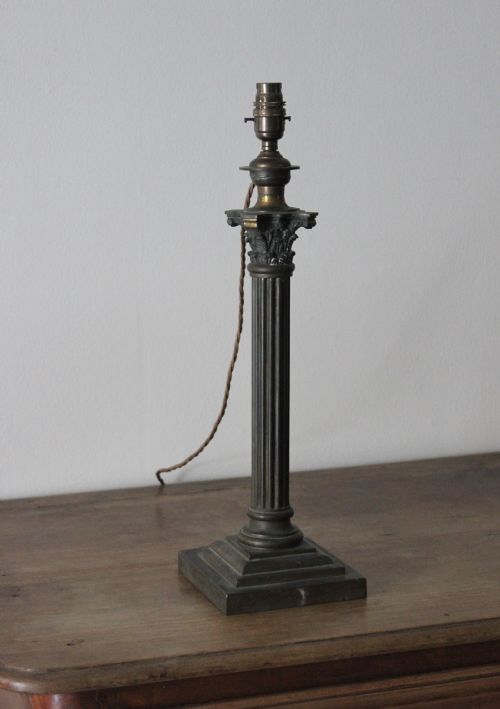
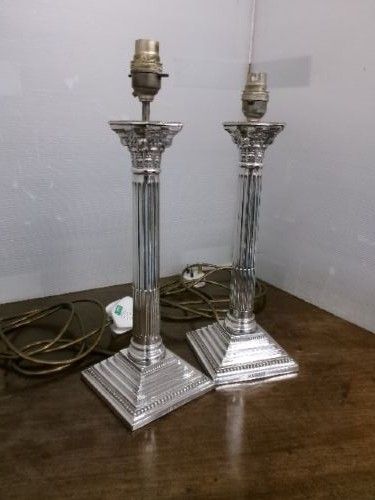
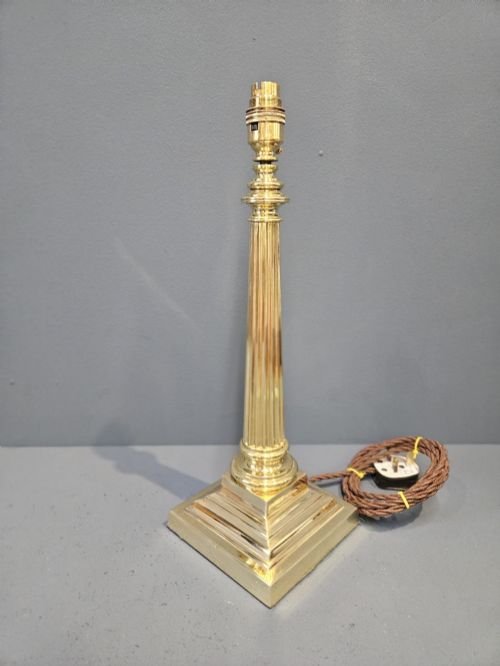
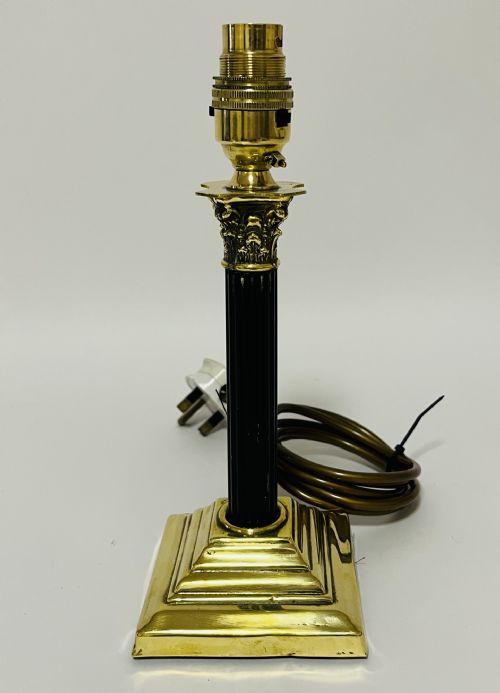
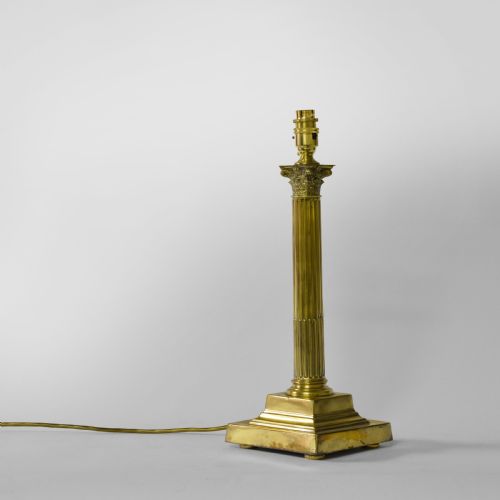
Makers utilised cast and patinated brass, bronze, and silver plate to build rigid metal shafts. Many pieces incorporate reeded or fluted columns topped with detailed Corinthian capitals.
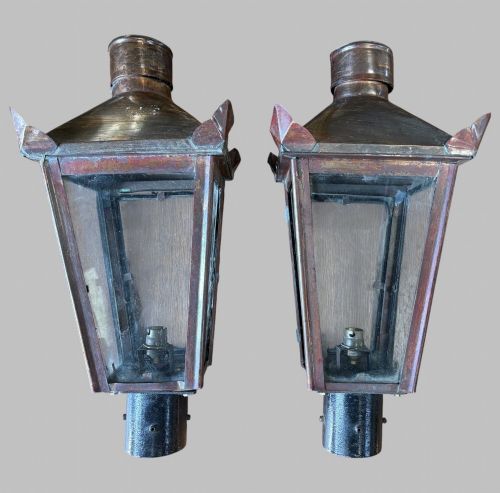
Other variants employ carved oak, burr walnut, alabaster, and marble to create substantial weighted bases. Copper and glass construction serves outdoor post lanterns and specialised lighting fixtures.
Antique Pillar Lamps Retail Price Guide 2026
Typical asking prices for pillar lamps among the pieces listed under this phrase on Sellingantiques today, from the lower quarter to the upper quarter. They describe what is for sale here now, not the wider market.
Some industrious Victorians converted antique bedposts into towering table lamps.
What varies in quality
Construction weight separates standard production from monumental or heavy cast examples. Crispness in the casting of acanthus leaves on Corinthian capitals indicates superior craftsmanship.
Materials dictate the underlying character of each piece, from solid sterling silver mounts down to plated base metals. Proportion and balance between the column shaft and the weighted base determine visual success.
Walter Latham & Son
The Antique Pillar Lamps Glossary
- Corinthian column
- An architectural support featuring an ornate capital decorated with carved acanthus leaves. This classical order remains the predominant motif for metal table lamps.
- Ormolu
- Gilded bronze applied to ornamental metalwork and decorative mounts. It provides a rich golden surface finish on 19th-century standards.
- Reeded column
- A pillar decorated with parallel convex roundings running vertically along the shaft. It offers subtle texture compared to a smooth or fluted surface.
- Patinated brass
- Metal treated with chemical solutions to produce an aged surface tone. This finish darkens raw brass to show age and handling.
- Alabaster
- A fine-grained translucent stone used for carved lamp bodies. It diffuses light gently when placed near a bulb.
Antique Pillar Lamps: Frequently Asked Questions
How do I date an antique pillar lamp?
Dating relies on examining the metal composition, wiring methods, base construction, and stylistic revival periods. Victorian and Edwardian examples often display specific casting marks and heavy weighted iron bases beneath brass outer shells.
Earlier 17th-century pieces show hand-carved wooden construction, whereas 20th-century items incorporate cleaner lines and alternative metals like copper and silver plate.
Where should I place a pillar lamp?
Pillar lamps suit large sideboards, entrance halls, and paired arrangements on library tables. Their vertical height requires a stable surface where the proportions can be viewed without obstruction.
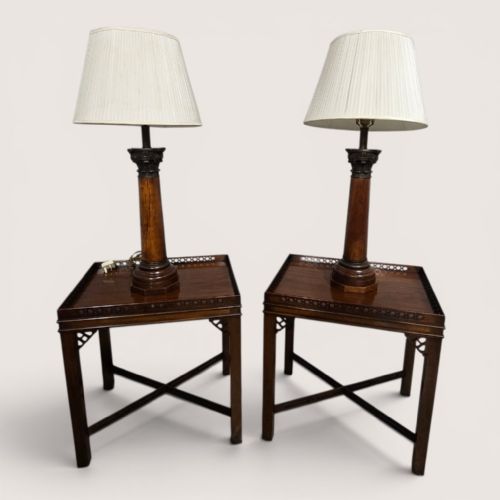
Pairing two identical Corinthian column lamps creates symmetry on a mantelpiece or flanking a large piece of furniture.
Are pillar lamps heavy?
Most antique metal pillar lamps are surprisingly heavy due to internal weighting or solid cast metal construction. This weight prevents the tall standards from tipping over when fitted with shades.
Wooden and alabaster variants also rely on dense materials to maintain balance and stability on domestic furniture.