
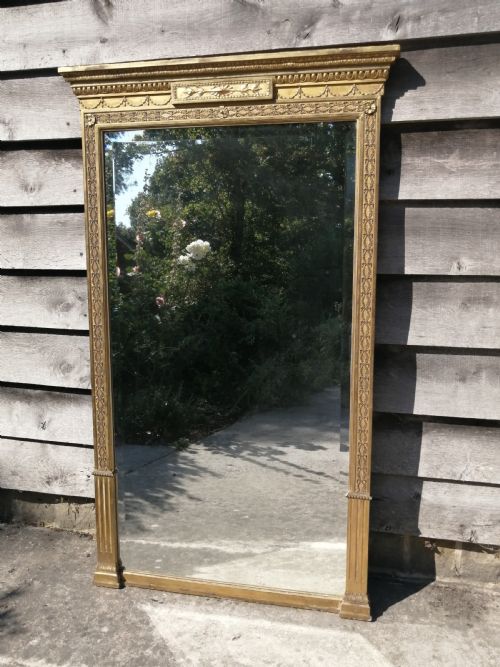
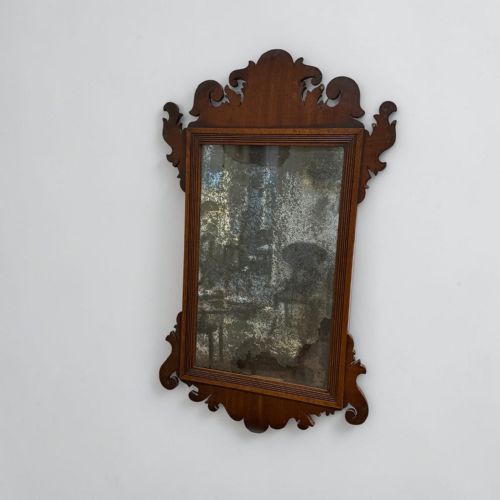
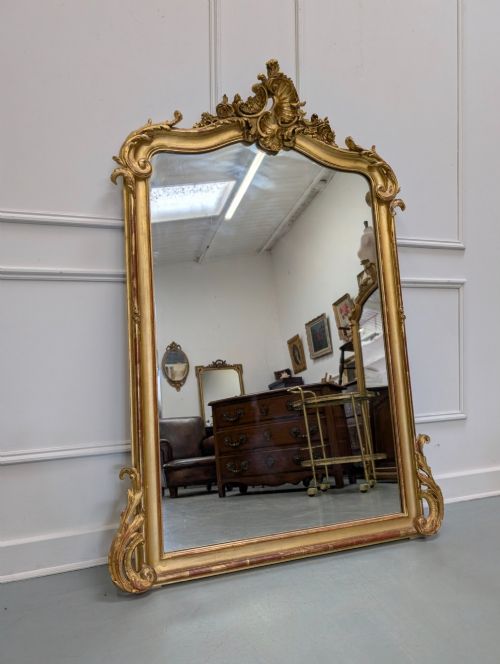
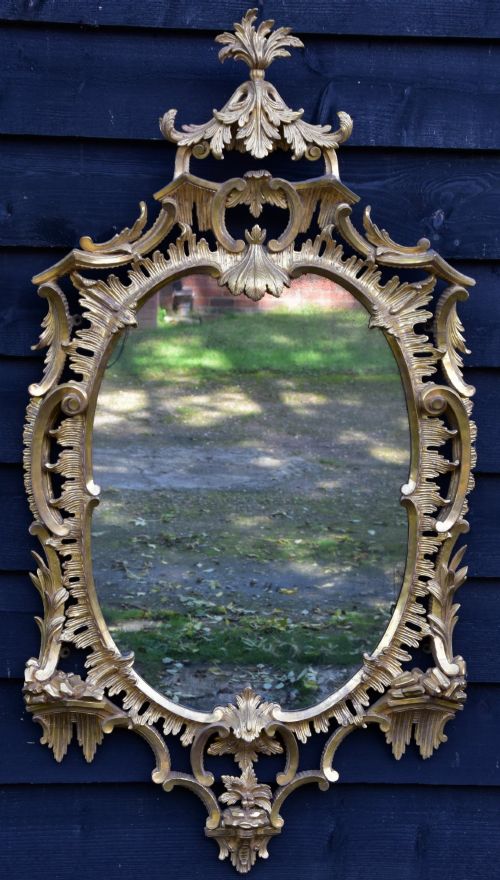
Antique Pier Glasses
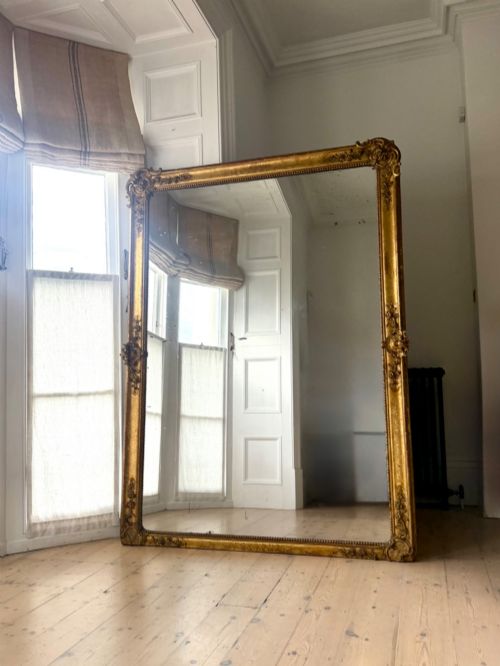
Antique pier glasses are tall mirrors made to hang between windows, bringing light and elegance into traditional rooms.
Antique Pier Glasses
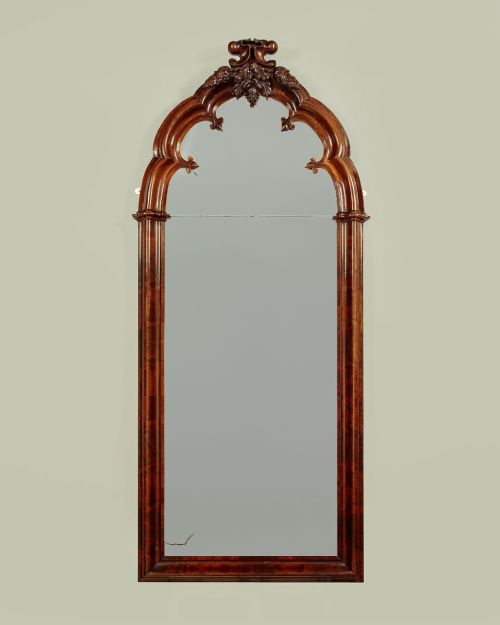
Antique pier glasses are tall, vertical mirrors designed specifically to hang on the narrow wall space between two windows. In this selection, you will encounter examples spanning the eighteenth, nineteenth, and early twentieth centuries, reflecting changing domestic fashions.
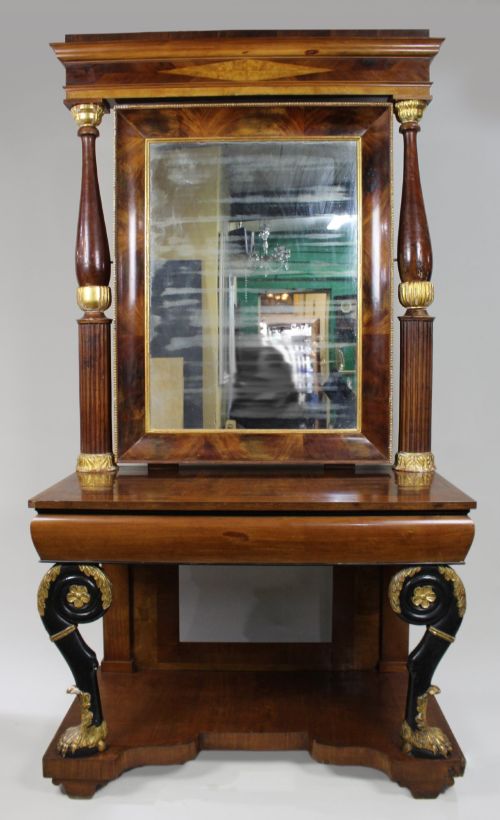
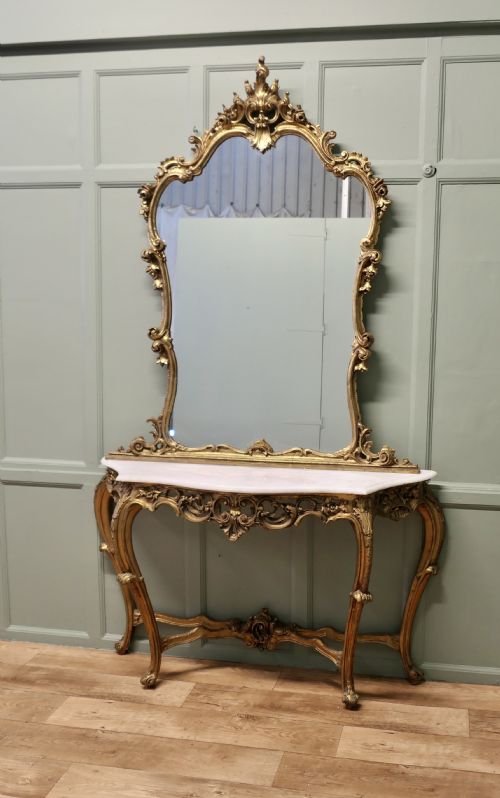
The objects take several forms, ranging from standalone wall mirrors to complete sets featuring matching console tables or low pier cabinets placed directly beneath the glass. Many pieces display regional characteristics from English, French, and Italian workshops.
While the primary form is the wall-hanging mirror, related items such as overmantel mirrors and freestanding pier cabinets also appear within the selection. These pieces served to maximise natural light in formal reception rooms by reflecting it back into the space.
How they were made
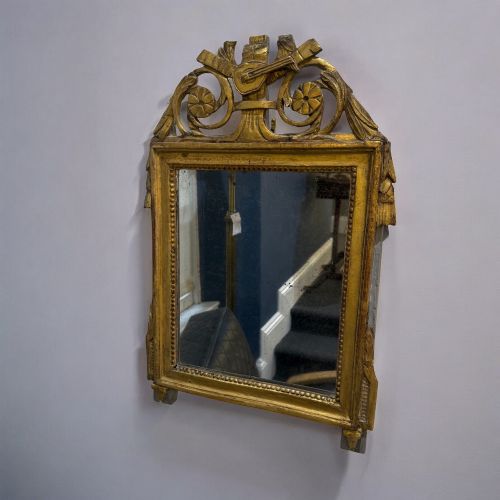
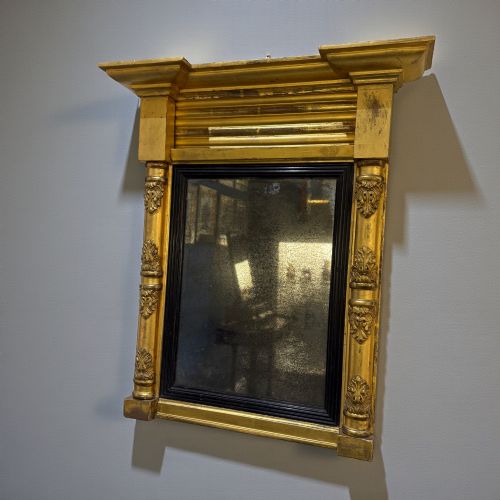
Carved wooden frames formed the structural foundation of these mirrors, utilising timbers such as mahogany, walnut, and softwoods beneath decorative finishes. Artisans applied thin layers of gesso to wooden mouldings to build up crisp relief details before applying gilding.
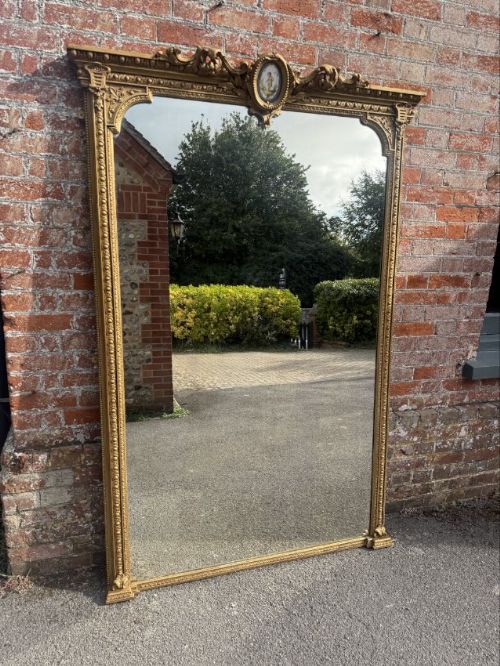
Giltwood and gold leaf finishes required meticulous application by hand, often complemented by parcel-gilt highlights on dark wood grounds. Many nineteenth-century examples incorporate mercury glass plates, which produce a characteristic mottled and deep reflection.
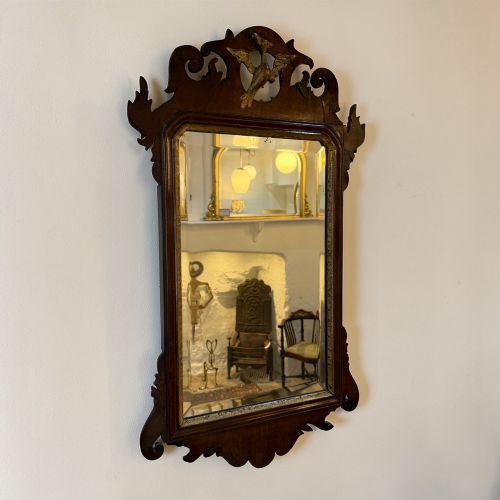
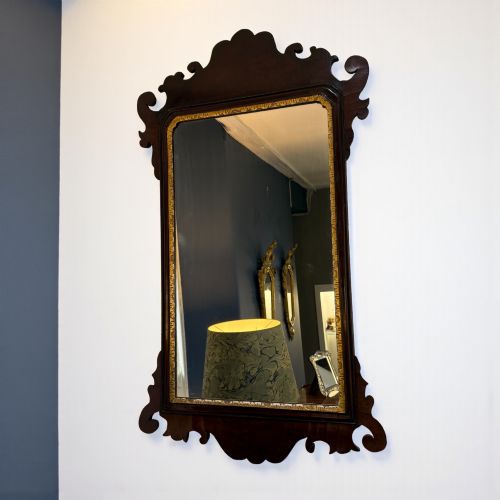
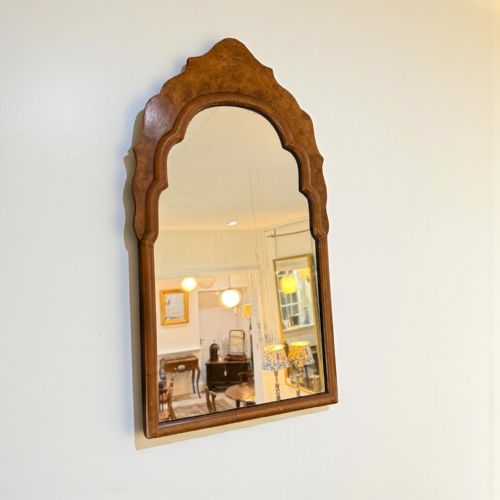
Cabinet pieces in the selection integrate brass or ormolu mounts and marquetry inlay onto burr walnut carcases. Carvers worked by hand to produce intricate fretwork frames and architectural pediments typical of the Georgian and Regency periods.
Listings span the eighteenth, nineteenth, and early twentieth centuries, featuring materials such as giltwood, mercury glass, burr walnut, and ormolu mounts.
What varies in quality
The depth and crispness of the hand-carved ornamentation separate standard frames from superior examples. Master carvers achieved fluid lines in giltwood and gesso work that retain sharp definition across acanthus leaves, scrolls, and neoclassical motifs.
Originality of the glass plate heavily influences the standing of a piece, with surviving mercury plates offering greater depth of tone than later replacements. The quality of the underlying timber preparation and the retention of original gilding further distinguish finer examples.
The structural integrity of the frame joints and the harmony between mirror glasses and their associated console tables or pier cabinets dictate overall execution. Integrated elements such as well-cast ormolu mounts indicate higher workshop standards.
The Antique Pier Glasses Glossary
- Pier glass
- A tall mirror designed to hang on the wall space between windows. These mirrors often match consoles placed directly underneath them.
- Gesso
- A plaster-like mixture applied to wood frames to create a smooth surface for gilding or painting. Artisans carved intricate details directly into this layered material.
- Mercury glass
- A type of mirror glass produced by pouring a silvering mixture containing mercury behind the glass plate. It creates a distinctive deep and slightly mottled reflection.
- Parcel-gilt
- A decorative finish where only specific portions of a wooden object are highlighted with gold leaf. The remaining areas display natural wood such as walnut or mahogany.
- Trumeau
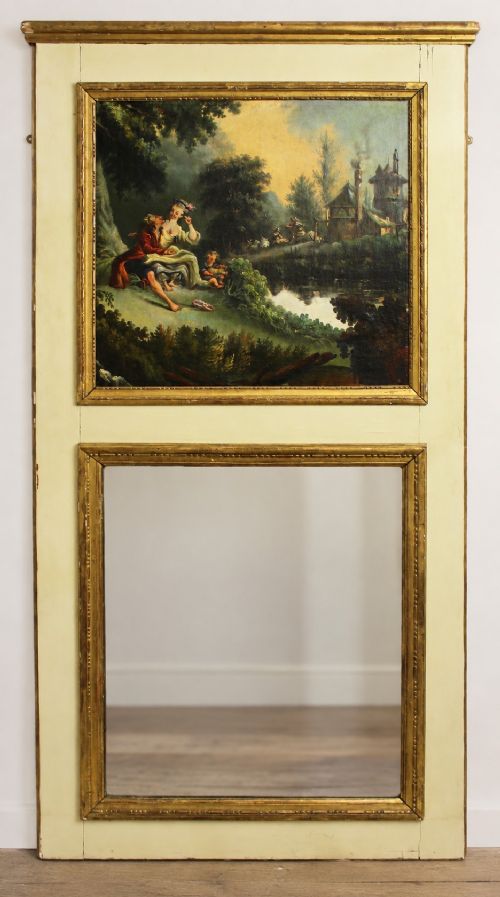
- A decorative wall panel that incorporates a painted scene or mirror glass within an architectural frame. French examples frequently feature pastoral oil paintings above the mirror plate.
- Fretwork
- Openwork ornamentation cut from thin wood panels using a scroll saw. This technique defines many eighteenth-century English wall mirrors.
Antique Pier Glasses: Frequently Asked Questions
What is an antique pier glass?
An antique pier glass is a tall mirror specifically built to occupy the narrow wall space between two windows. They were developed to brighten dark rooms by reflecting natural light.
Over time, makers paired these mirrors with console tables or low cabinets to create unified furniture sets for reception rooms.
Where were pier glasses placed?
These mirrors traditionally hung on the solid pier of wall situated between adjacent windows. Placing a mirror in this spot maximised the distribution of daylight across the room.
They also frequently appeared above matching console tables or pier cabinets in grand nineteenth-century drawing rooms.
How do I identify a Georgian pier glass?
Georgian pier glasses often feature architectural elements, fretwork frames, and parcel-gilt walnut or mahogany construction. They rely on proportion and classical carving rather than heavy gilding.
Many examples from this era retain their original glass plates and wood backboards, showing eighteenth-century construction methods.
How do I care for an antique mirror?
Keep antique pier glasses away from direct sunlight and damp environments to protect the wood frame and original gilding. Dust the carved surfaces gently with a dry, soft cloth.
Avoid using modern chemical cleaners on mercury glass plates, as moisture can seep behind the degraded silvering edges.