


Antique Picture
An antique picture captures centuries of portraiture, landscape and domestic scene through oil, watercolour and pastel.
Antique Picture
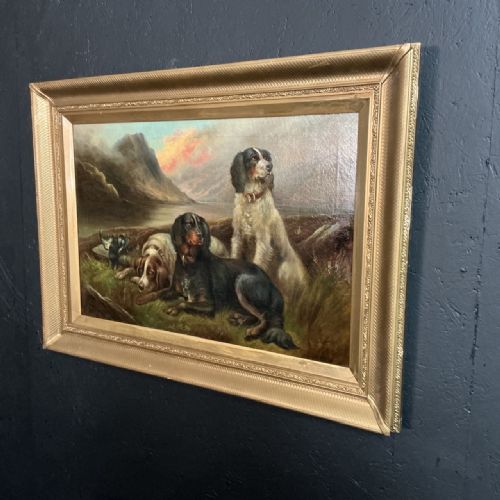
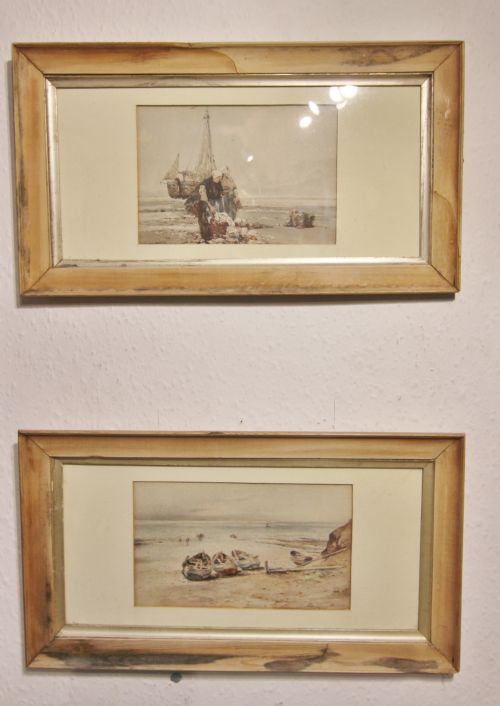
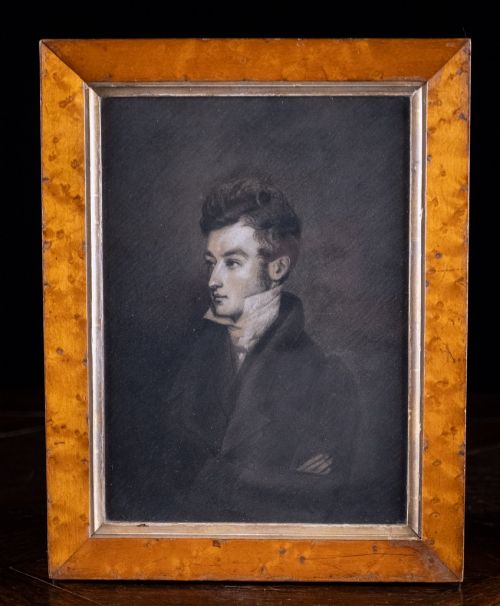
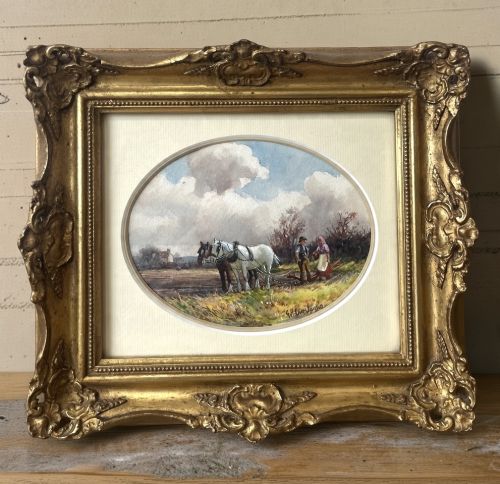
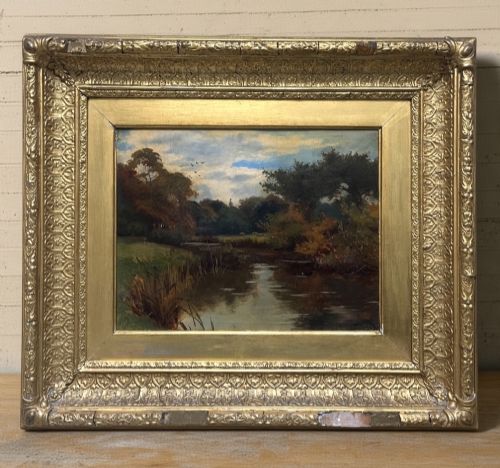
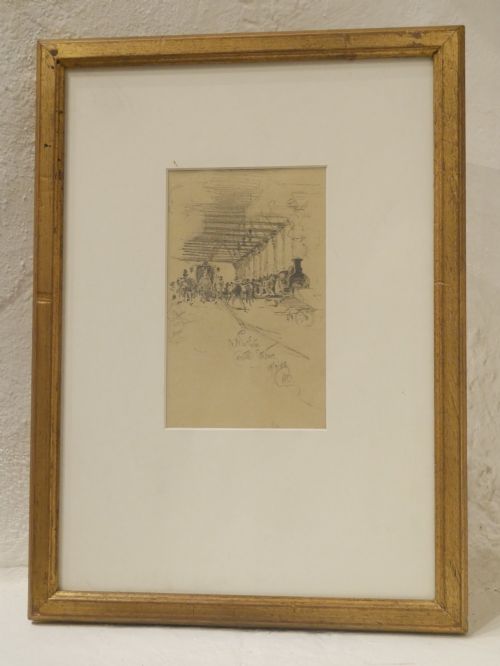
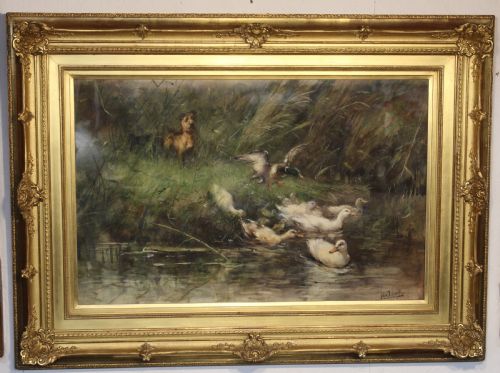
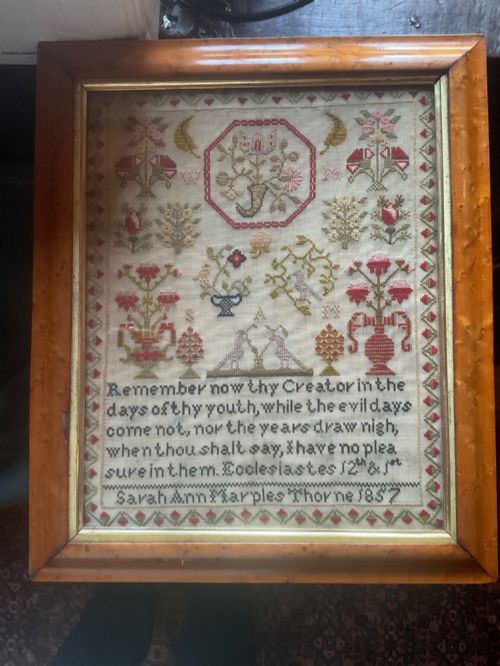
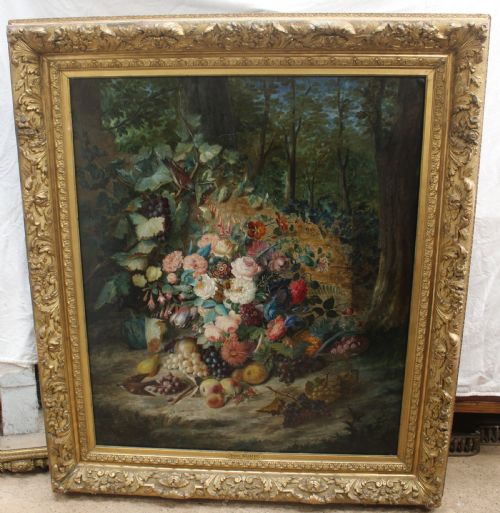
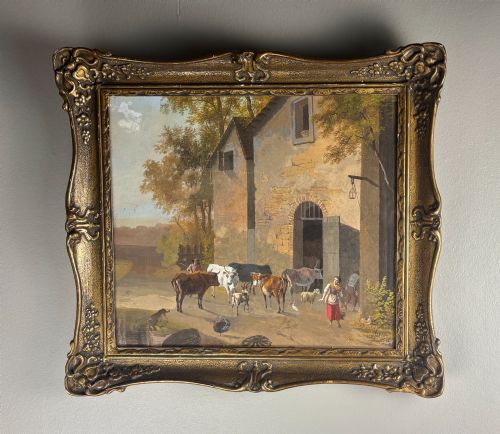
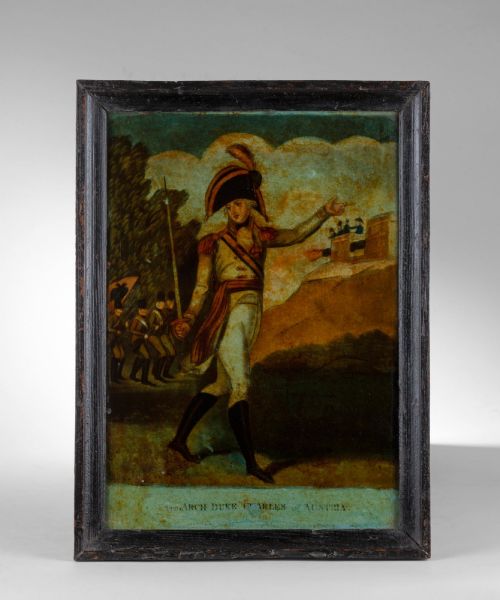
An antique picture spans centuries of visual record, taking the form of oil paintings, watercolours, gouache works, pastels and tapestries framed for display. When exploring an antique picture, buyers encounter mediums ranging from expansive nineteenth-century oil landscapes to delicate twentieth-century botanical watercolours and portraits.
The selection includes framed artworks originating from distinct European schools alongside domestic display items like porcelain plaques and needlework panels. Many examples pair the central artwork with substantial period surrounds such as deep giltwood and gesso frames or sterling silver housings.
Materials and construction
Makers built these works using traditional supports like woven canvas, heavy paper and wooden panels prepared for oil, watercolour, pastel or gouache application. Frames combined structural wood with applied gesso moulded into decorative patterns, finished with layers of gold leaf or giltwood.
Silversmiths fabricated domestic surrounds from sterling silver, often hallmarked in British assay offices, incorporating glass plates to protect fragile paper works and photographs.
Antique Picture Retail Price Guide 2026
Typical asking prices for picture among the pieces listed under this phrase on Sellingantiques today, from the lower quarter to the upper quarter. They describe what is for sale here now, not the wider market.
The inventory records works from Dutch, French and British artistic traditions alongside domestic silver photo frames.
Markers of quality
Quality rests upon the execution of the hand, whether in the confident brushwork of an oil landscape or the precise line of a portrait miniature. Finer pieces demonstrate careful composition and depth within the medium, whereas lesser examples rely on formulaic repetition.
The physical housing also distinguishes the tier of a piece, with deep hand-carved giltwood and gesso frames or heavy silver mountings elevating the status of the artwork they enclose.
Pieter Cornelis Steenhouwer·Kathleen Winifred Molesworth·Douglas Cameron·Herbert Royle·Marjorie L Davies·Sebastiano del Piombo·Lionel Ellis·George Keating·Simon de Koster·Thomas Rowden·Karel Dujardin·William Manners·F Staple·William Comyns
The Antique Picture Glossary
- Gesso
- A plaster-like mixture applied to wood frames to create a smooth surface for gilding and ornamentation. It is typically built up in layers before being carved or moulded.
- Giltwood
- Timber that has been coated with a thin layer of gold leaf or gold paint. This finish provides a bright, reflective border popular in formal framing.
- Gouache
- An opaque water-based paint that dries to a matte finish. It allows for rich, solid areas of colour distinct from transparent watercolour.
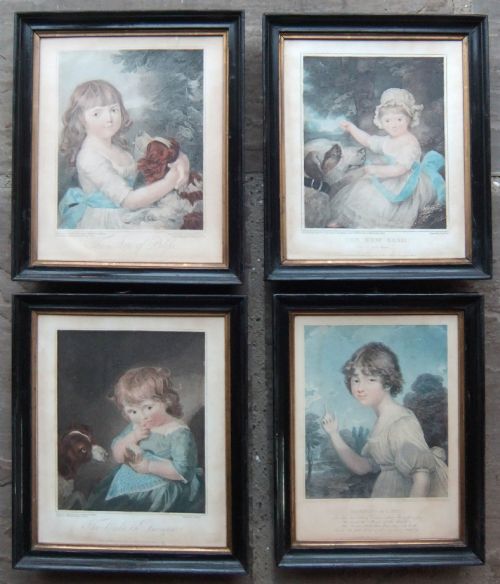
- Mezzotint
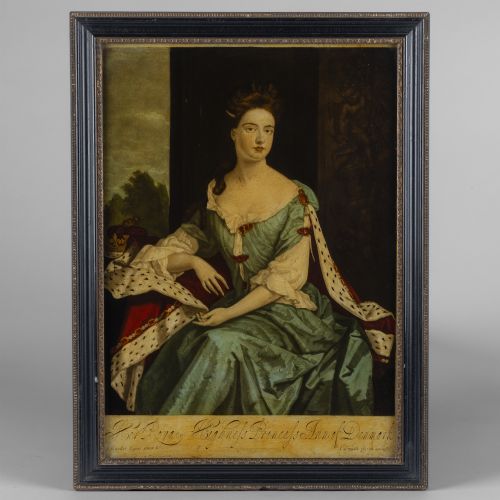
- A printmaking process of the intaglio family where the plate is roughened to achieve tones and rich darks. It was frequently utilised for reproducing portraits.
Antique Picture: Frequently Asked Questions
What periods do these pictures come from?
The pieces span multiple centuries, with particular representation from the eighteenth, nineteenth and twentieth centuries including the Victorian and Edwardian eras.
Items range from early painted portraits to mid-century landscapes and illustrations.
How are delicate paper works protected?
Watercolours, pastels and prints are typically safeguarded behind glass within wooden, silver or gilt frames.
This barrier prevents dust and moisture from damaging the paper substrate and pigment over time.
What subjects appear in these works?
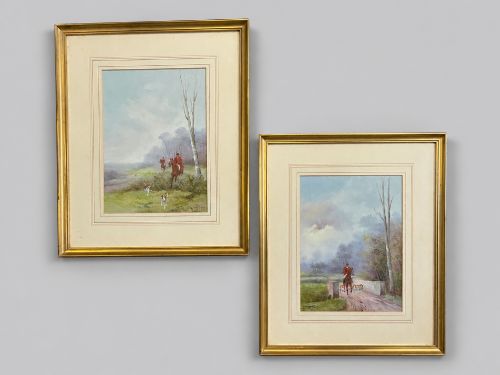
Common themes include rural landscapes, maritime scenes, equestrian studies, still lifes of flowers and formal portraits of individuals.
Other examples depict literary scenes and architectural views.
Are the frames original to the pieces?
Many works retain period surrounds such as deep giltwood and gesso mouldings or sterling silver photograph housings appropriate to their date.
These enclosures reflect the framing styles of their respective eras.