
Antique Piano Stool Bench
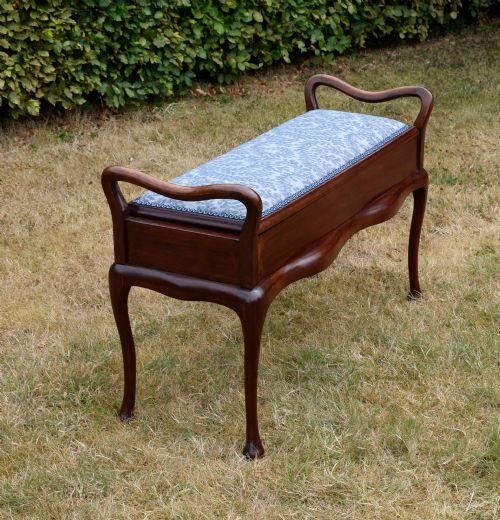
An antique piano stool bench provides the right height and steady support for the keyboard player, appearing in forms from single seats to long duet versions.
Antique Piano Stool Bench
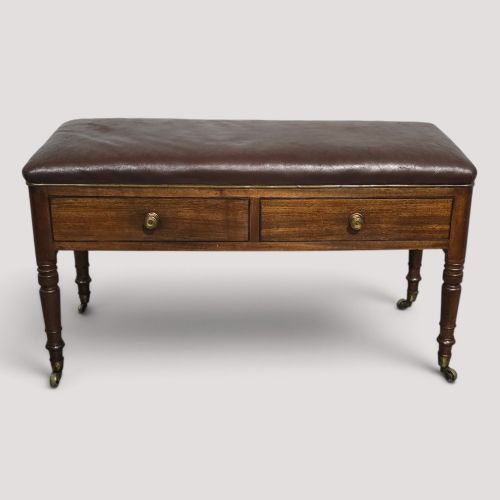
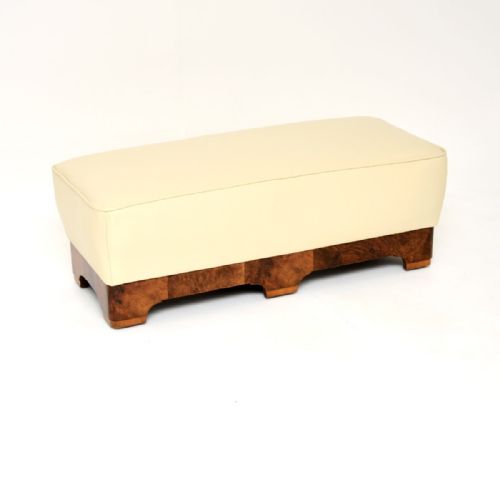
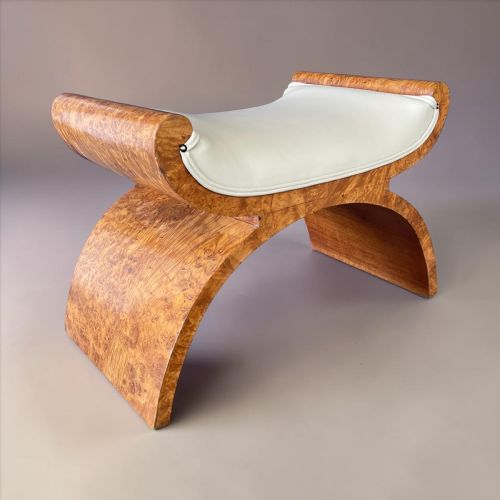
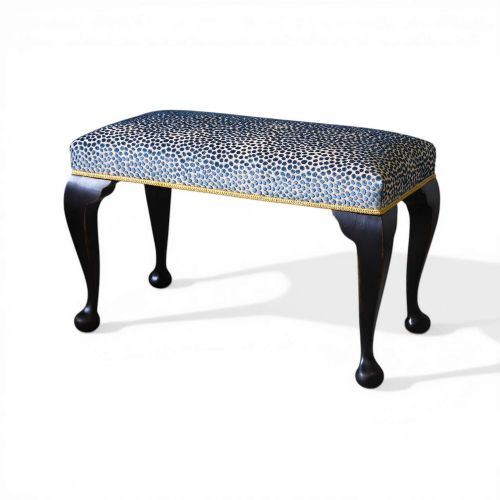
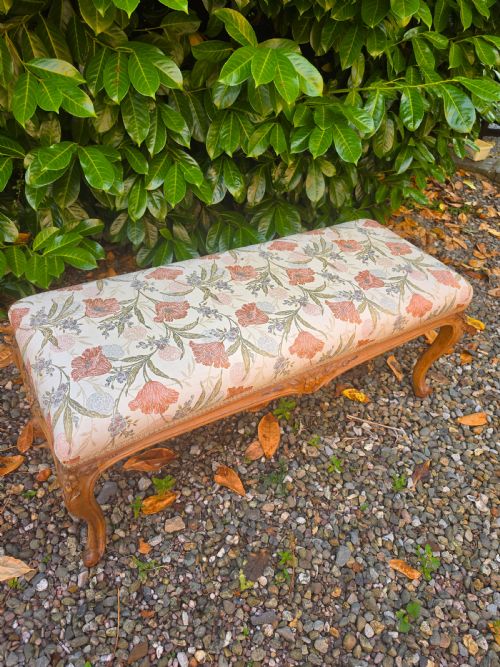
An antique piano stool bench serves musicians and acts as versatile seating in rooms across the house. Buyers encounter single revolving models, oblong footstools, and long duet benches designed for two players.
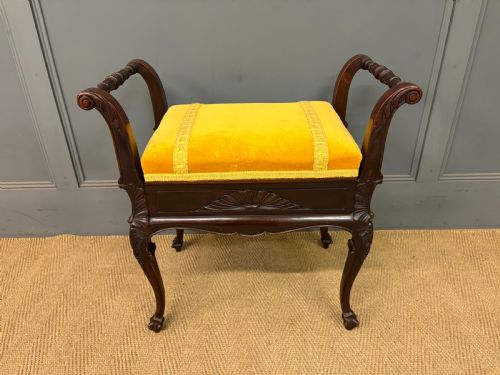
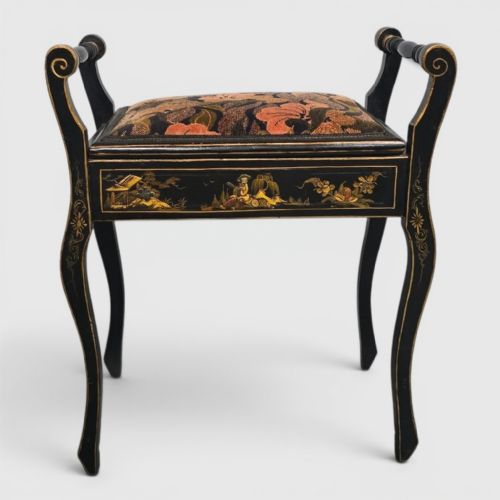
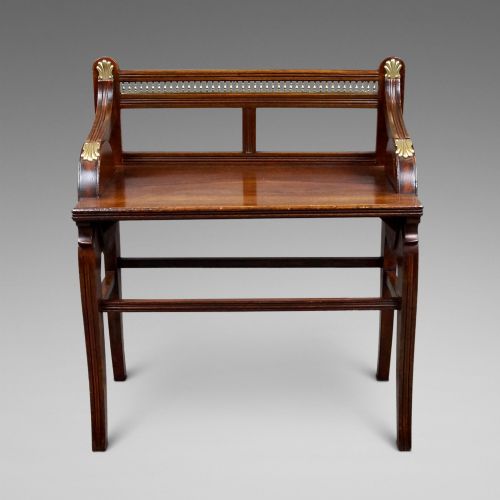
The pieces on this page span the Victorian and Edwardian eras, alongside Georgian revivals, Art Deco designs, and 19th-century workshop creations. Mahogany and walnut dominate the selection, often accompanied by period upholstery and brass fittings.
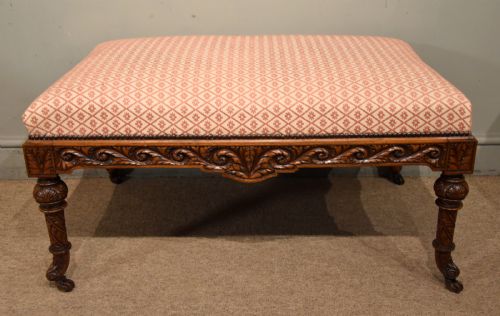
Makers such as Harry and Lou Epstein, Jas Shoolbred, and Charles Nosotti appear alongside unlabelled vernacular pieces. These range from simple turned-leg Edwardian seats to carved rosewood window stools.
Materials and Construction
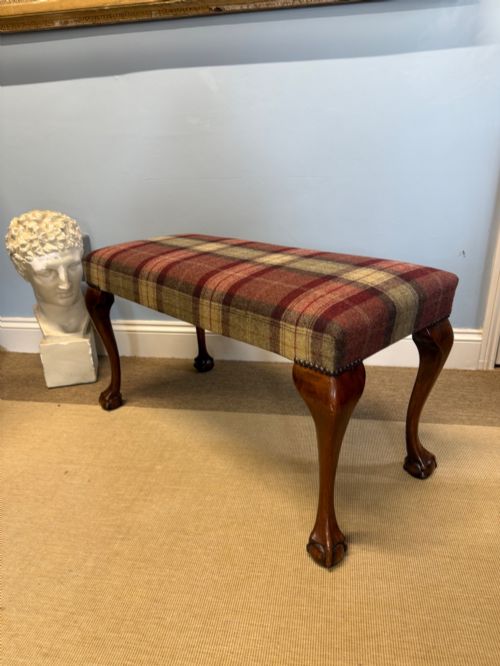
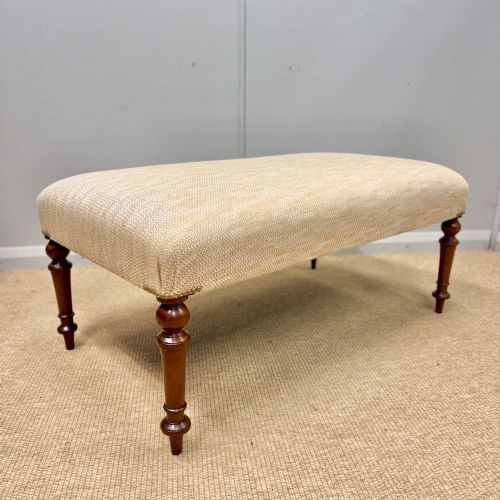
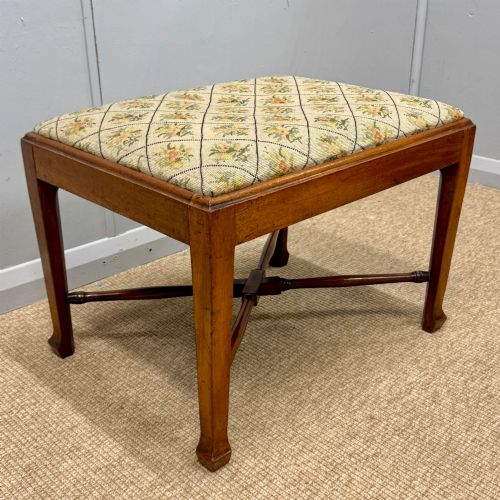
Cabinetmakers utilised dense timbers like mahogany, walnut, rosewood, and ebonised hardwoods to construct sturdy frames. Turned legs, cabriole supports, and cross stretchers provide the structural foundation for daily use.
Seats rely on traditional upholstery methods, combining fabric, textile, velvet, tapestry, and leather over padded foundations. Brass hardware often secures revolving mechanisms, handles, and adjustable screw stems.
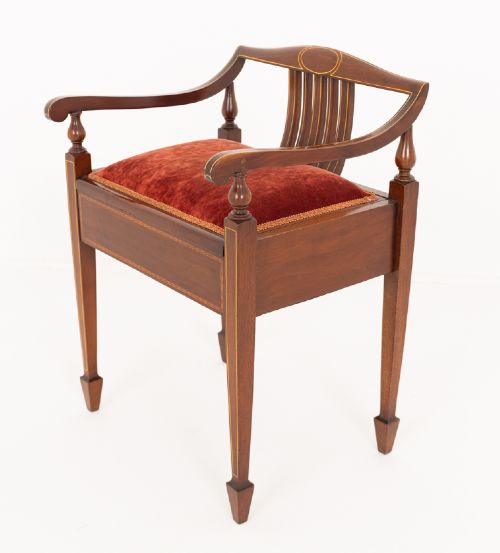
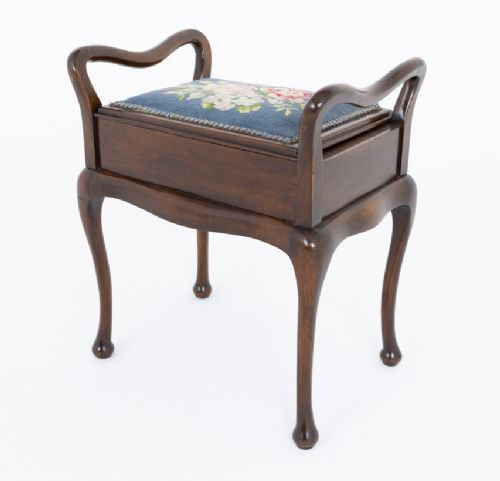
Inlaid decorative work and carved woodwork distinguish finer pieces, while simpler examples utilise plain turned spindles and box frames. Music lockers and internal storage compartments add practical utility to wooden bench structures.
Some Victorian duet benches hide secret sheet music lockers beneath hinged seats, keeping parlour clutter entirely out of sight.
Distinctions in Standard
The integrity of the timber framework and the precision of the joinery separate standard workshop output from exceptional cabinetmaking. Superior examples exhibit crisp carving, well-fitted storage boxes, and smooth mechanical action in revolving seats.
The authenticity and execution of the upholstery materials dictate the visual harmony of the piece. Hand-worked needlepoint, quality tapestries, and intact leather surfaces elevate the standing of a bench compared to later replacement coverings.
Harry and Lou Epstein·Jas Shoolbred·Charles Nosotti
The Antique Piano Stool Bench Glossary
- Duet stool
- An elongated bench designed to seat two musicians side by side at a piano. These often feature hinged seats opening to reveal music storage lockers.
- Revolving stool
- A seat fitted with a central wooden or metal screw mechanism allowing the user to adjust the height by spinning the top. This mechanism was popular throughout the Victorian period.
- Cabriole leg
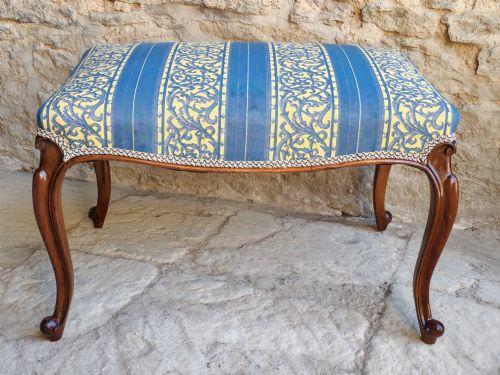
- A furniture leg featuring a double curve, swelling outward at the knee and tapering inward toward the foot. This shape draws inspiration from traditional animal limbs.
- Ebonised
- Wood treated with a chemical stain or finish to imitate the dense, dark appearance of ebony. This technique gained particular favour during the Victorian and Aesthetic Movement eras.
- Cross stretcher
- Wooden rails connecting the lower legs of a stool to provide lateral stability. They frequently intersect in an 'X' shape beneath the centre of the seat.
Antique Piano Stool Bench: Frequently Asked Questions
How do I adjust a revolving piano stool?
Grip the seat firmly and rotate it clockwise or anticlockwise to move the internal wooden or brass screw up or down. This alters the seating height to suit the player.
Avoid forcing the mechanism if it meets resistance, as old threads can bind or strip after decades of lack of use.
Where were piano benches used originally?
These seats sat beside upright and grand pianos in domestic parlours, music rooms, and drawing rooms. Their sturdy frames accommodated the shifting weight of musicians during practice and performance.
Many designs also functioned as window seats or dressing table stools due to their adaptable dimensions.
How do I tell Victorian from Edwardian examples?
Victorian pieces typically display heavier carved rosewood or walnut frames, ornate cabriole legs, and rich velvet or tapestry upholstery. Ebonised finishes and revolving screw mechanisms also point to this 19th-century era.
Edwardian versions often feature lighter mahogany frames, satinwood inlay, Sheraton Revival motifs, and simpler tapered legs with straightforward upholstered pads.
Can I use an antique piano bench daily?
Solid hardwood frames and sturdy stretcher bases make these benches well-suited for everyday seating at a desk or dressing table. Regular checks on leg joints ensure stability under constant weight.
Treat original fabric surfaces with care, or choose pieces with robust leather and tapestry covers if placed in high-traffic rooms.