

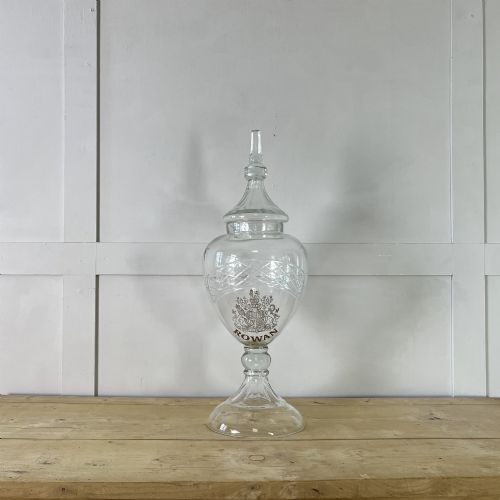


Antique Pharmacy Display
These pieces of antique pharmacy display bring the polished glass, heavy timber and earthenware of the traditional apothecary straight into modern interiors.
Antique Pharmacy Display
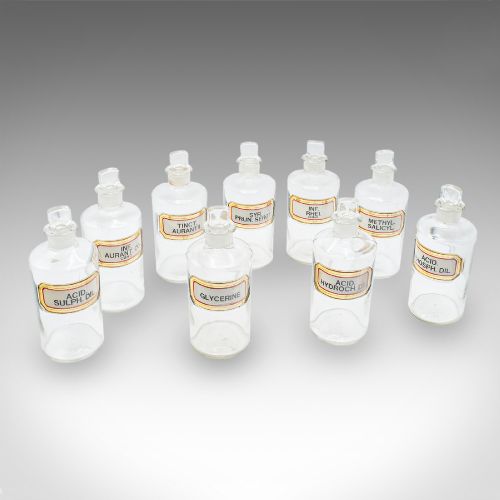
When you search for antique pharmacy display, you encounter a specialised range of medical and retail containers alongside shop fittings originating from the eighteenth century through to the Art Deco period. The inventory on this page consists principally of glass apothecary jars, carboys, chemist bottles and storage cabinets, with occasional banks of drawers and mahogany counters.
Most examples date from the nineteenth century, spanning Victorian and Edwardian iterations, though earlier eighteenth-century delftware and tin-glazed vessels appear alongside twentieth-century industrial white medical cabinets and 1930s retail fixtures.
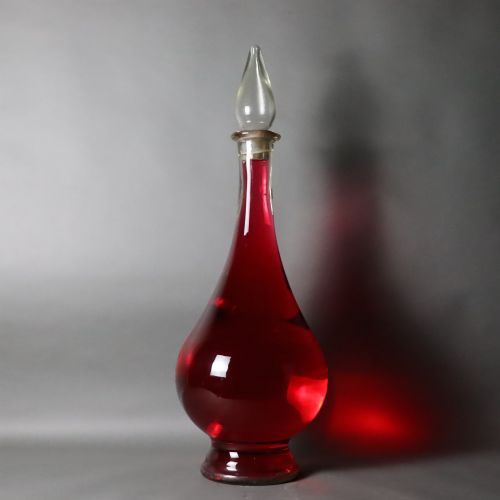
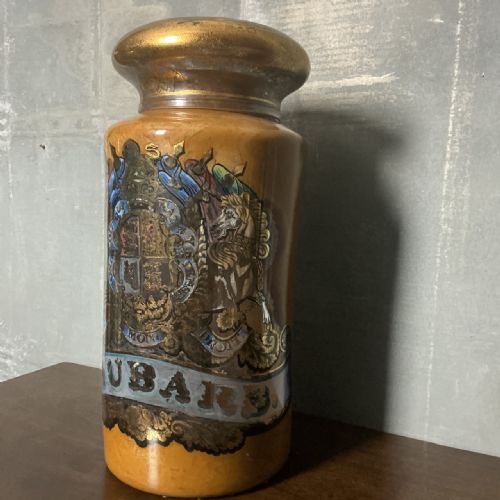
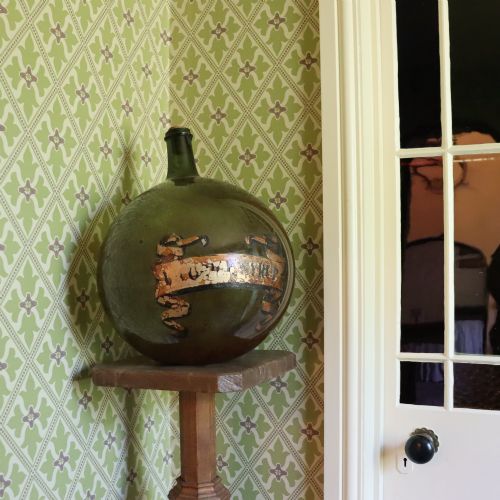
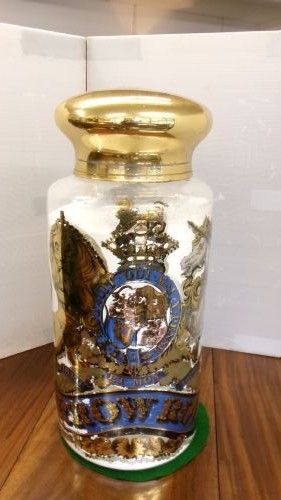
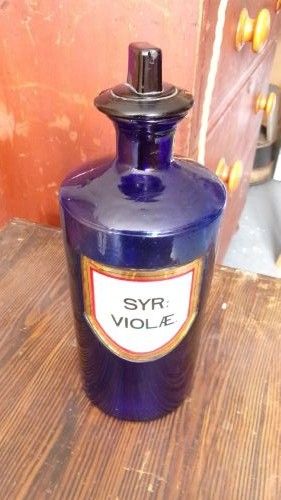
Vessels range from large covered display jars labelled for goods like arrowroot or gelatine to tall blown glass carboys and deep blue Bristol glass bottles with lollipop stoppers. Furniture items, meanwhile, run from countertop display cabinets to full-scale shop fittings and multi-drawer drawer units.
How they were made
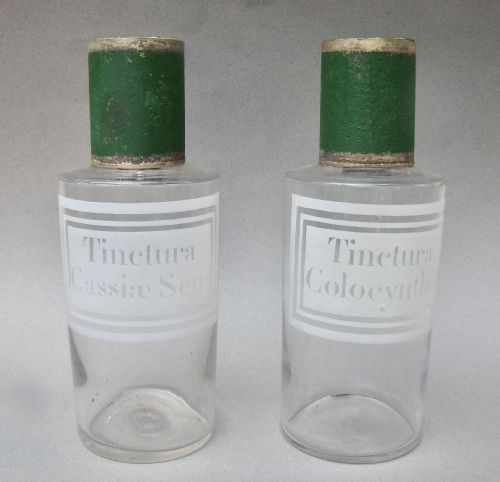
Makers utilised blown glass and moulded glass for the jars, carboys and bottles, frequently incorporating ground glass stoppers, etched ornamentation and applied gold leaf lettering to identify contents. Cabinets, counters and drawer banks rely on dense hardwoods like mahogany, which were joined to withstand daily commercial use in chemist shops.
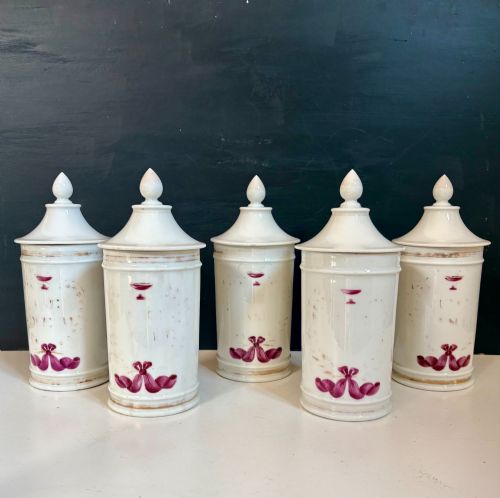
Ceramic pieces from the eighteenth century employ tin glazing and delft techniques to create opaque white surfaces suitable for hand-painted drug labels. Metal and brass elements supplement the glass and timber structures, particularly on medical cabinets and display hardware.
Antique Pharmacy Display Retail Price Guide 2026
Typical asking prices for pharmacy display among the pieces listed under this phrase on Sellingantiques today, from the lower quarter to the upper quarter. They describe what is for sale here now, not the wider market.
Arrowroot jars remind us that nineteenth-century chemists dispensed everything from fine chemicals to thickeners for Victorian puddings.
What varies in quality
Quality rests upon the preservation of original labelling, stoppers and glass clarity, where crisp etching, rich cobalt Bristol glass and intact gold leaf elevate certain vessels above standard utilitarian wares. For furniture and cabinetry, the integrity of original mahogany timbers, operational drawers and authentic glass panels dictates the standing of the piece.
Age and scarce materials create distinct tiers, as seen in eighteenth-century tin-glazed delftware compared to later mass-produced Victorian glassware. The presence of makers' lettering on counters or specialised chemist shop fittings further separates standard storage units from collector-grade display pieces.
The Antique Pharmacy Display Glossary
- Carboy
- A large spherical glass bottle, often enclosed in wire or resting on a base, utilised in pharmacies for liquid storage or window display. These substantial vessels catch the light remarkably well.
- Delftware
- Tin-glazed earthenware produced with an opaque white glaze, commonly used for early medicinal drug jars before glass became dominant. This technique yields a characteristic soft surface texture.
- Bristol Blue
- A deep cobalt-blue glass traditionally manufactured in Bristol and utilised for chemist bottles to protect light-sensitive contents. The rich colour remains distinct across varying lighting conditions.
- Lollipop Stopper
- A rounded, flat glass stopper shaped like a confectionary disc, designed to seal large apothecary bottles securely. They form an important stylistic feature on nineteenth-century shop display bottles.
- Shop Fitting
- Custom furniture and fixtures built specifically for commercial retail interiors, including apothecary counters and multi-drawer apothecary banks. These pieces were engineered for durability and heavy daily handling.
Antique Pharmacy Display: Frequently Asked Questions
What were apothecary carboys used for?
Apothecary carboys held large volumes of distilled liquids, tinctures or purified water in the working dispensary. Displayed prominently in shop windows, their coloured contents also served as an unmistakable sign for the chemist.
Today, these large glass vessels function purely as decorative floor or table pieces. Their scale and colour allow them to anchor an interior space without requiring additional ornamentation.
How do I date an apothecary jar?
Dating relies on material composition, manufacturing marks and lettering styles. Eighteenth-century examples typically feature tin-glazed earthenware, whereas nineteenth-century pieces lean towards heavy blown or etched glass with specific Victorian or Edwardian stylistic traits.
Examining the pontil mark on the base of glass vessels reveals manufacturing methods. Pontil scars indicate older hand-blown techniques, while smoother bases point to later nineteenth and twentieth-century production.
Where should I place a medical cabinet?
Medical cabinets made of painted metal or mahogany suit bathrooms, kitchens or living spaces where they provide functional shelving behind glass doors. Their neutral industrial or timber tones complement both modern and traditional rooms.
Ensure the wall fixings or floor surfaces can support the substantial weight of thick glass and dense hardwood. Positioning them away from direct, harsh sunlight preserves any delicate painted finishes or gold leaf lettering.
Are apothecary jars waterproof?
Many antique glass apothecary jars retain their water-tight integrity, though old blown glass can possess microscopic inconsistencies. Delicate specimens with original internal gold leaf or fragile paper labels require dry conditions to prevent deterioration.
When using antique jars for fresh botanicals or liquids, inspect the interior for historical residue or micro-cracks. Hand washing with tepid water protects the aged surfaces better than modern dishwashers.