



Antique Pewterware
Antique pewterware brings tactile history to your table, offering centuries of utilitarian metalwork forged by master pewterers.
Antique Pewterware
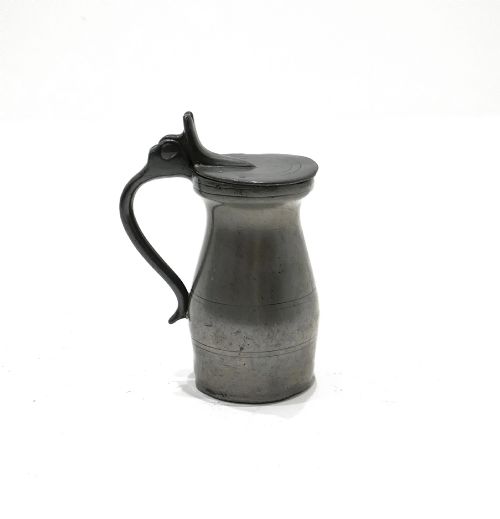
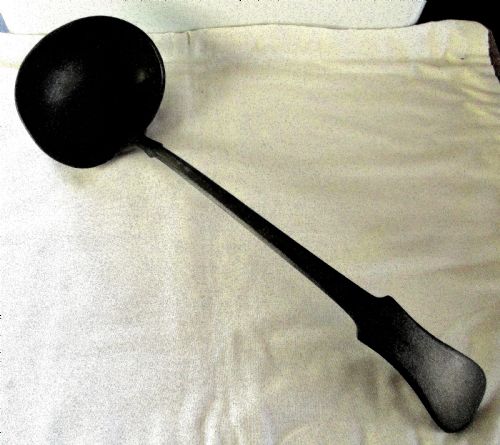
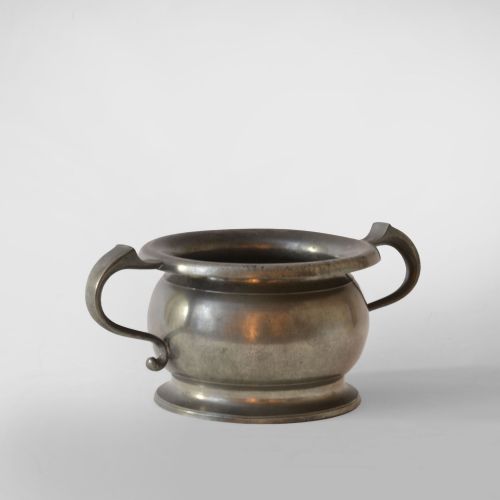
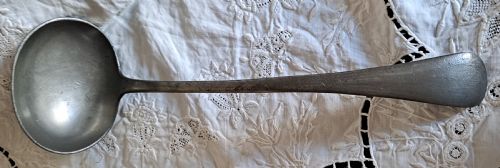
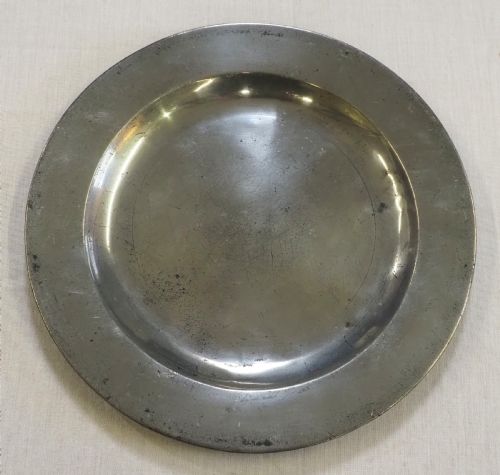
When you search for antique pewterware, you encounter domestic and tavern vessels spanning the seventeenth, eighteenth, and nineteenth centuries. The pieces range from large dining chargers and plain rim plates to specialised pouring vessels like spirit measures and basting ladles.
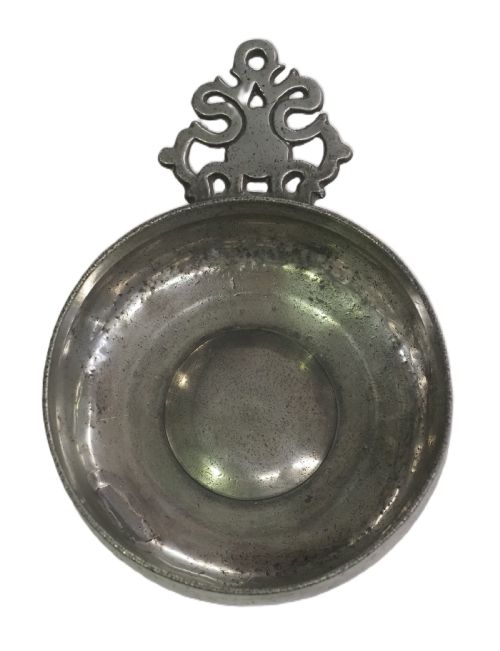
The most common forms on this page include utilitarian plates, chargers, and kitchen utensils shaped during the Georgian and Victorian periods. You also find rarer items such as chamber pots, porringers, and early half gill spirit measures originating from English and Scottish workshops.
These items reflect the shifting domestic habits of past centuries, moving from heavy dining chargers used in wealthier households to everyday kitchen utensils and tavern measures. Each piece carries the distinct marks of its maker and period, anchoring historic craftsmanship firmly in physical form.
How antique pewterware was made
Pewterware relies primarily on metal alloys composed mostly of tin, shaped through casting in moulds and finished on a lathe. Makers hammered plates and chargers to harden the metal and achieve the desired flatness, ensuring structural integrity for daily use.
Surface finishing involved extensive scraping, turning, and polishing to create a smooth sheen across the metal. Makers utilised touchmarks, cast directly into the base or rim, to certify the purity of the metal and identify the workshop.
Antique Pewterware Retail Price Guide 2026
Typical asking prices for pewterware among the pieces listed under this phrase on Sellingantiques today, from the lower quarter to the upper quarter. They describe what is for sale here now, not the wider market.
One twenty-three inch charger from the seventeenth century survives to dwarf standard dinner plates.
What varies in quality
The quality of antique pewterware rests on the thickness of the original metal and the retention of its original form without excessive distortion or wear. Broad rim chargers and large plates demand superior casting skill to maintain structural balance across wide expanses of metal.
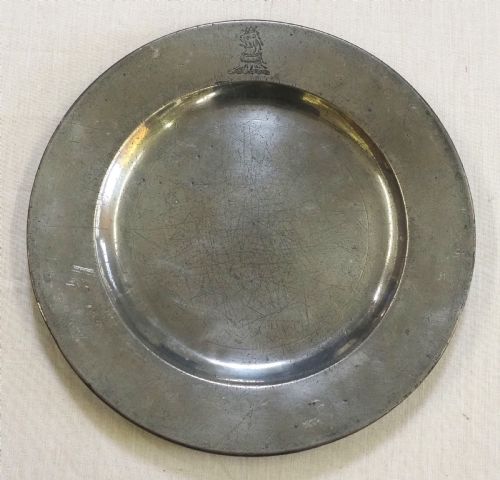
Clear maker touchmarks and crisp crest engravings elevate the standing of a piece, distinguishing standard utilitarian output from superior workshop production. Preservation of the soft, dark patina without aggressive cleaning also defines a well-kept example.
John Yates·Dixon and Son·William Wright·W Scott of Edinburgh·James Spackman·Richard King of London·S Duncomb
The Antique Pewterware Glossary
- Charger
- A large decorative or serving plate, often measuring over twenty inches across and forming the centerpiece of historic dining arrangements.
- Touchmark
- An official stamp pressed into the metal by a maker or guild to guarantee alloy standards and identify the producing workshop.
- Porringer
- A small, single-handled bowl used for broths and porridges, featuring either a solid or pierced flat lug handle.
- Spirit Measure
- A standardised vessel designed for measuring liquid volumes of alcohol, often produced in fractions of a pint.
- Flat Lidded
- A style of vessel lid constructed without a dome, characteristic of early eighteenth-century measures and tankards.
Antique Pewterware: Frequently Asked Questions
How do I clean antique pewter?
Cleaning antique pewter requires only mild soap and warm water, followed by careful drying with a soft cloth to protect the surface.
Avoid modern metal polishes and harsh abrasives, as aggressive scrubbing destroys the historic patina and removes faint touchmarks.
Can I use antique pewter for dining?
Many historical plates and chargers served food originally, but modern use depends on the lead content present in older alloy mixtures.
It is generally wiser to treat antique pewterware as a display object rather than practical tableware for daily consumption.
What is a pewter touchmark?
A touchmark functions as the maker's signature or guild stamp, pressed into the soft metal while cooling to indicate standard alloy composition.
Finding a clear touchmark helps researchers trace the piece to specific towns, guilds, and individual craftsmen.
How do I date antique pewter?
Dating relies on stylistic shifts in rim widths, vessel forms, and the specific touchmarks registered by documented pewterers across the centuries.
Comparing the manufacturing technique and shape against known examples from periods like Charles II or Georgian eras narrows the production window.