
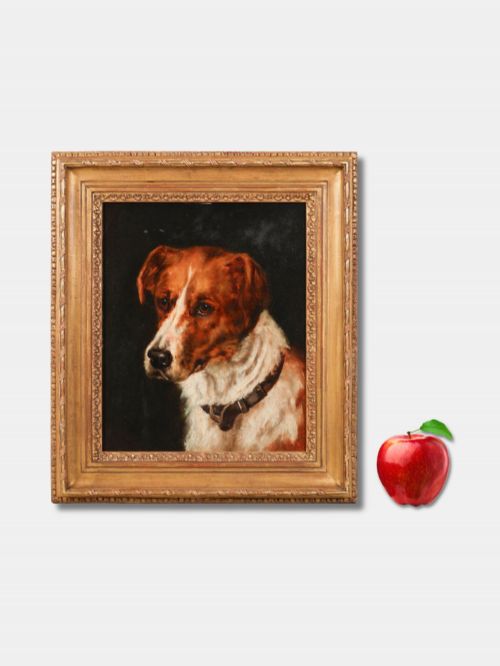


Antique Pet Portrait Painting
An antique pet portrait painting captures the distinct character of a cherished animal through the enduring traditions of oil and canvas.
Antique Pet Portrait Painting
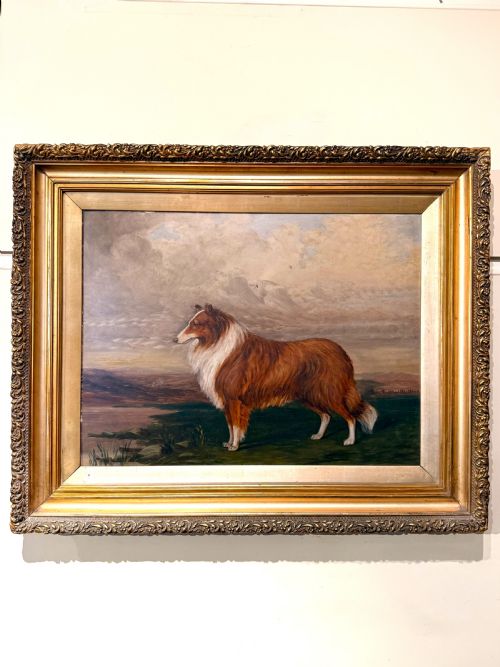
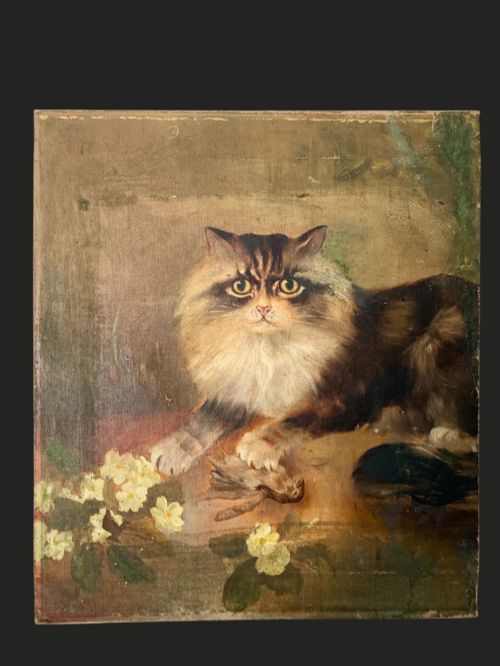
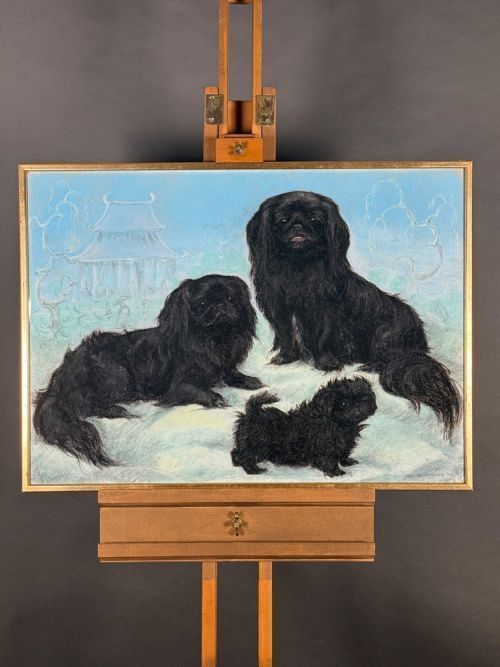
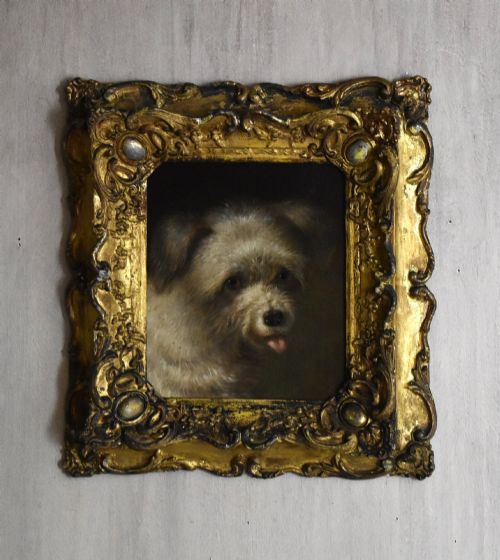
An antique pet portrait painting focuses on domestic animals, most frequently dogs and cats, rendered by artists working across the nineteenth and early twentieth centuries. Buyers encountering these works will find varied depictions ranging from singular studies of prized terriers and spaniels to grouped compositions of kittens and show champions.
The selections span distinct periods including the Victorian era, Regency period, and early twentieth century. Works appear executed on canvas, board, or paper panels, reflecting both professional studio commissions and provincial naive school interpretations.
How They Were Made
Artists relied primarily on oil paint applied to stretched canvas, wooden panels, or prepared boards, often building up rich layers to render fur textures and domestic interiors. Some works utilise pastel on paper or watercolour, mounted within period frames adorned with gesso and gold leaf.
Support materials varied according to the scale of the commission and the painter's preference, with nineteenth-century boards offering a rigid surface for smaller dog and cat studies.
Subject matter ranges from single terrier and spaniel studies to groups of Persian kittens participating in imagined tea parties.
What Varies in Quality
The standard of execution in an antique pet portrait painting rests on the artist's ability to capture anatomy, expression, and texture with conviction. Superior works demonstrate precise brushwork in rendering the sheen of an animal coat and the convincing play of light in an interior setting.
Provenance and attribution to documented academic painters elevate certain pieces above provincial naive school examples, though both categories hold distinct appeal for collectors depending on the desired aesthetic.
Martin Theodore Ward·William Barraud·Agnes Augusta Talboys·John Henry Dell·Valentine Thomas Garland·Florence Mabel Hollams·Philip Eustace Stretton·Francisco Jose Domingo y Marques·Samuel John Carter·Frank Owen Salisbury·Jules Le Roy
The Antique Pet Portrait Painting Glossary
- Naive school
- Art produced by painters with little or no formal academic training, often characterised by direct perspective and charming proportions. These works offer a candid record of domestic animals.
- Gesso
- A plaster-like mixture applied to wooden frames or panels as a base for paint or gold leaf. It provides a smooth surface before gilding.
- Oil on board
- A painting technique where pigment is applied to a rigid wooden or cardboard support rather than woven fabric. This method was common for smaller studies.
- Genre
- A category of painting depicting scenes from everyday life, frequently including domestic animals alongside their owners or within household interiors.
Antique Pet Portrait Painting: Frequently Asked Questions
How do I identify a Victorian dog painting?
Victorian dog paintings often feature specific breeds like King Charles spaniels, greyhounds, or terriers rendered with nineteenth-century realism or academic precision. Many examples incorporate narrative interior settings or direct gazes that reflect the era's sentiment towards household animals.
Supporting details like framing, canvas preparation, and artist signatures help narrow the date further within the nineteenth century.
Are cat portraits as common as dog paintings?
Cat portraits appear less frequently than dog studies in nineteenth-century art, yet they include notable depictions of Persian kittens, litters with mothers, and playful interior scenes. Artists such as Agnes Augusta Talboys specialised in multiple cat compositions.
These feline works often highlight domestic comfort, utilising warm interior palettes and fabrics like gold leaf frames.
What is naive school pet art?
Naive school paintings are created by artists outside academic traditions, displaying unpretentious handling of perspective and form. In pet portraits, this translates to direct, engaging representations of animals that prioritize character over strict anatomical proportion.
Such works date frequently to the nineteenth century and provide a distinct contrast to formal commissioned show animal paintings.
How should I display an antique pet painting?
Antique pet paintings suit traditional spaces, libraries, or living areas where their intimate scale can be appreciated up close. Pairing them with period wooden furniture or placing them above a mantelpiece complements their historical character.
Direct sunlight should be avoided to protect the oil paint and gold leaf on the frames from fading over time.