

Antique Persian Weave
An antique persian weave brings centuries of tribal artistry and village craftsmanship straight onto the floor.
Antique Persian Weave
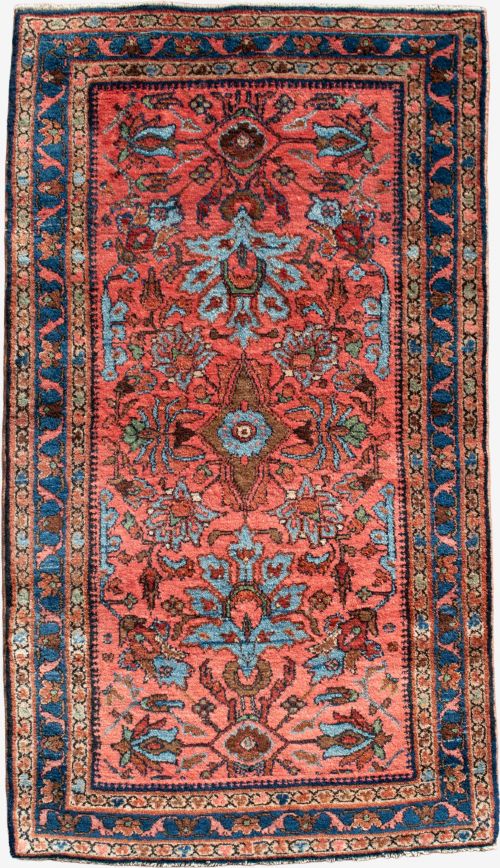
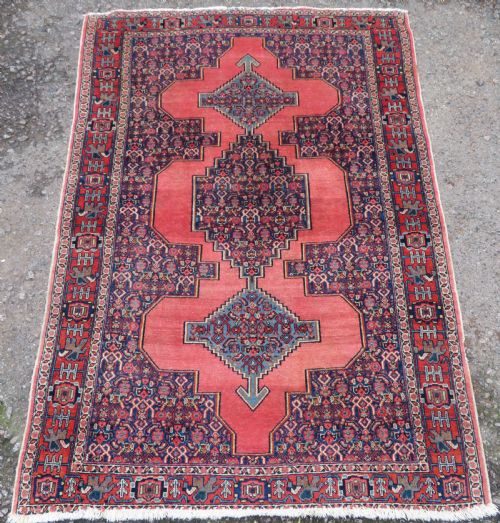
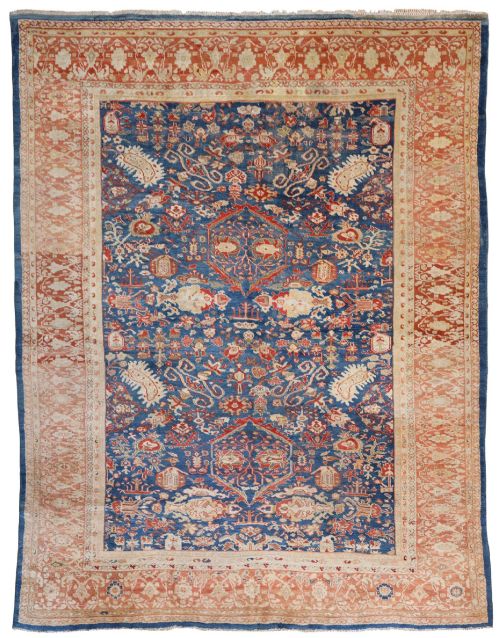
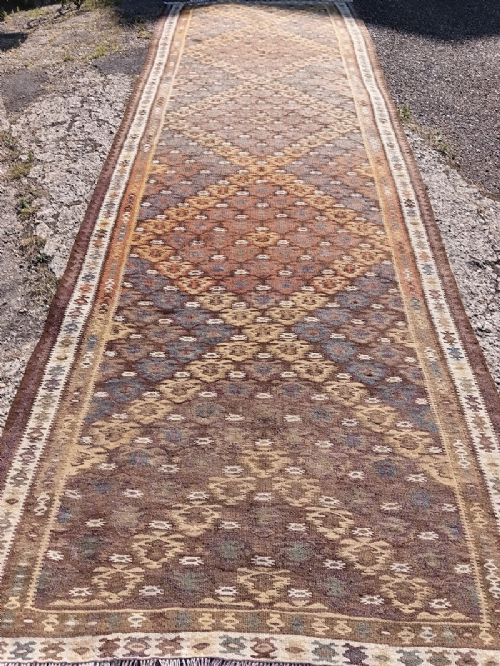
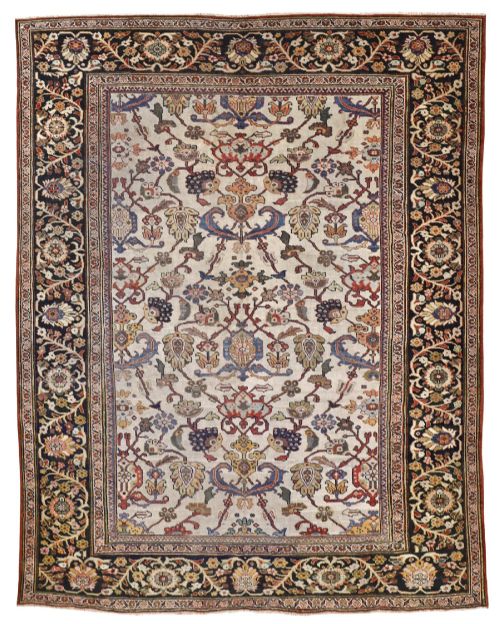
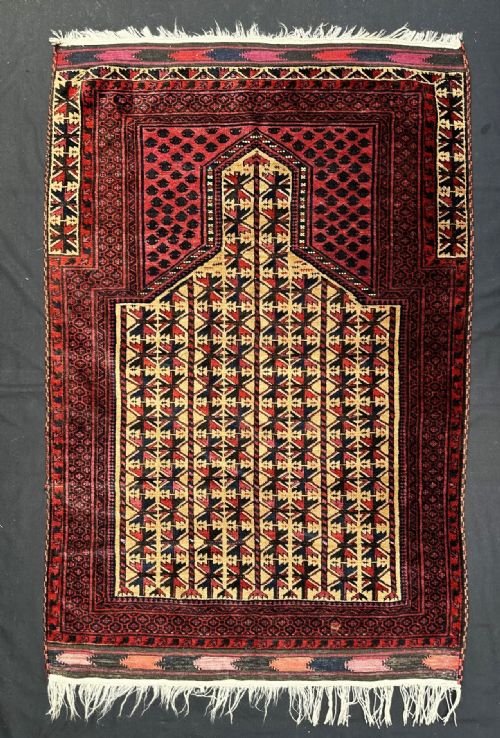
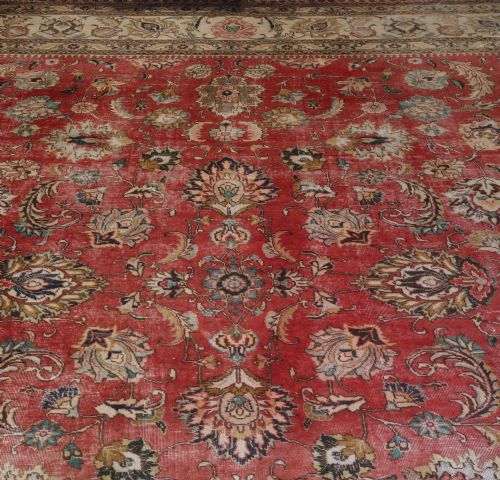
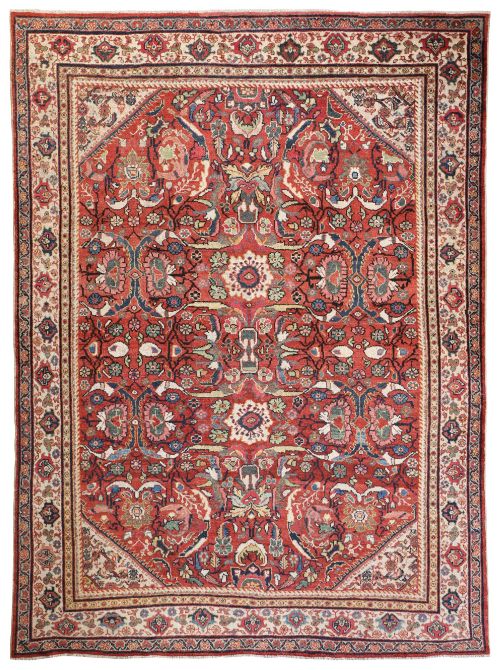
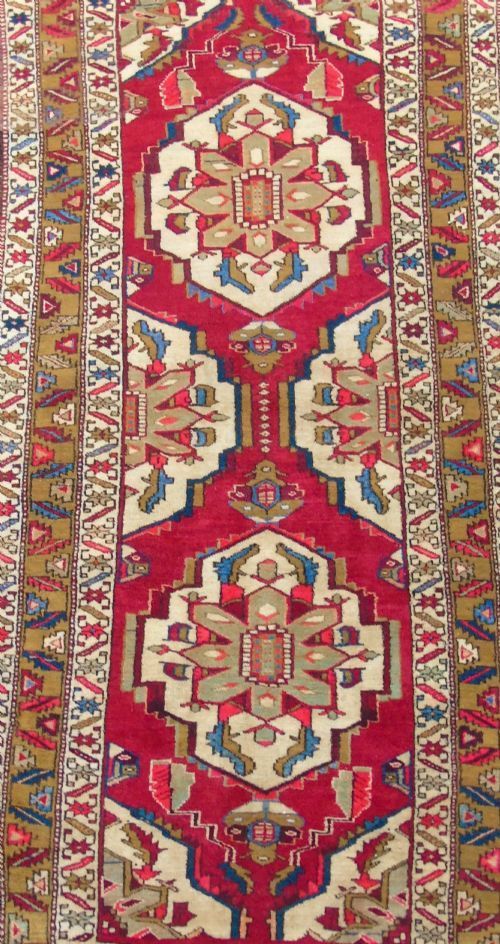
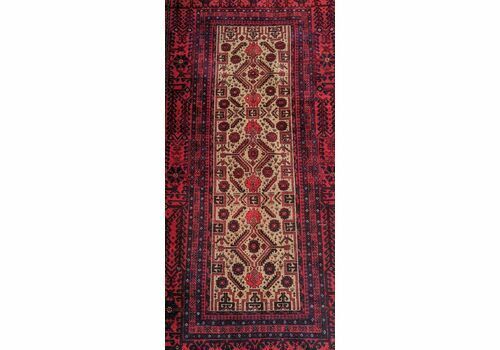
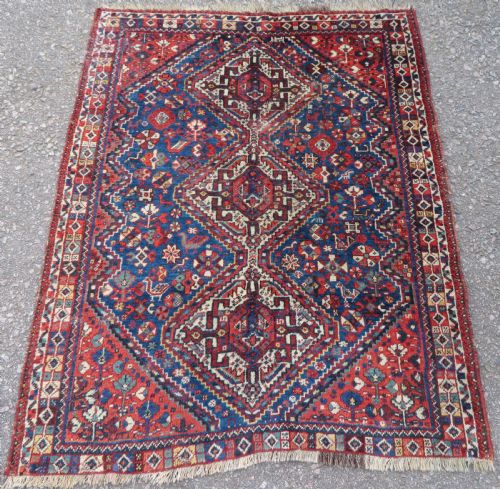
When searching for an antique persian weave, collectors encounter a diverse array of rugs, carpets, kilims, and tribal textiles originating from various regions across Persia. These pieces span from the late nineteenth century through to the early decades of the twentieth century, capturing a period of rich traditional production.
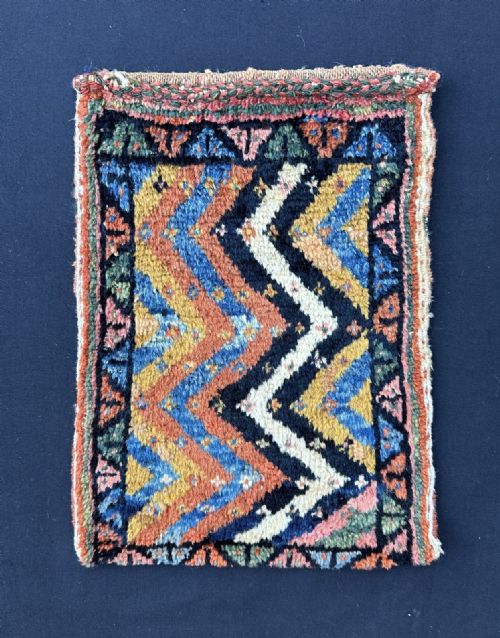
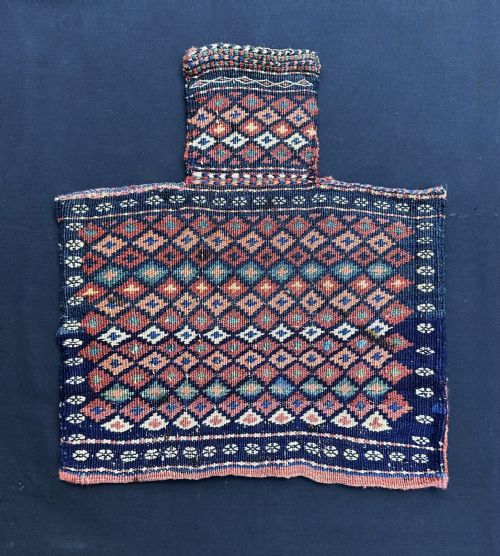
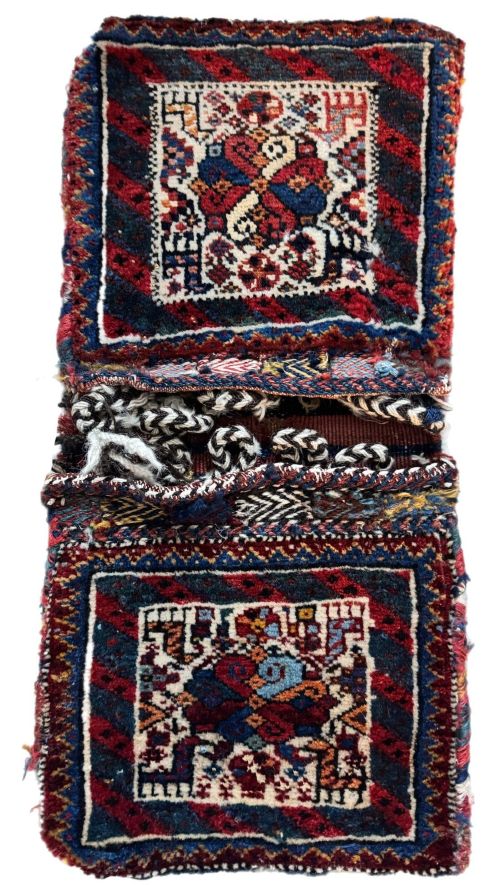
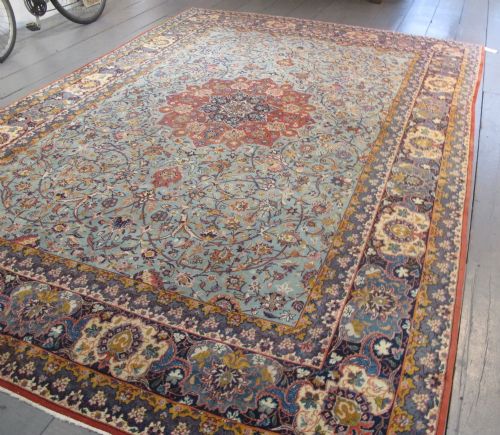
The most common formats met on this page are room-sized carpets and smaller scatter rugs produced by village and nomadic weavers. Items such as saddle bags, vanity bags, and kilim rugs also appear regularly, reflecting the practical domestic output of groups like the Bakhtiari, Khamseh, Baluch, and Qashqai.
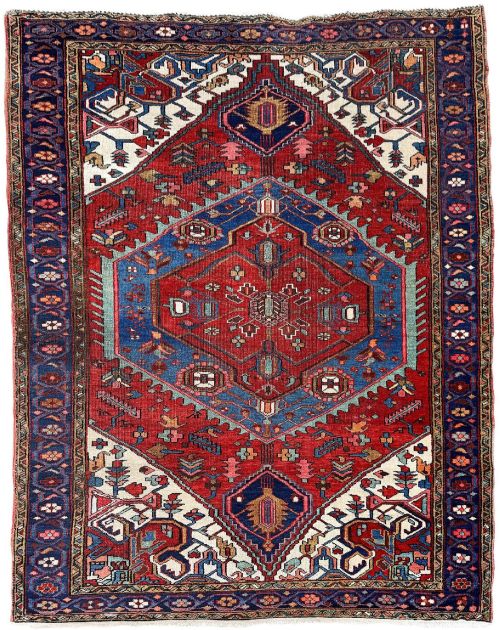
Regional styles dictate much of the character in these pieces, ranging from the geometric motifs of tribal weavers to the refined floral compositions associated with city workshops. Buyers select them for their individuality, rich history, and the tangible connection they offer to historical Persian textile traditions.
How they were made
The materials recorded in these pieces rely primarily on wool and cotton foundations, occasionally enhanced with silk highlights or accented by elements like cowrie shells. Weavers utilised hand-spun wool for the pile, which absorbs colour unevenly to create a natural, varied depth across the surface.
Natural dyes provide the foundational palette for these textiles, yielding mellow tones that age gracefully over decades of use. Artisans bound the materials through hand-knotting and flatweaving techniques, constructing durable structures designed to withstand daily wear.
Antique Persian Weave Retail Price Guide 2026
Typical asking prices for persian weave among the pieces listed under this phrase on Sellingantiques today, from the lower quarter to the upper quarter. They describe what is for sale here now, not the wider market.
Nomadic and village styles dominate the inventory, representing tribal groups from Khorassan, Fars, Luristan, and West Persia.
What varies in quality
The standard of an antique persian weave depends heavily on the fineness of the knotting and the precision of the tribal or village design. Tighter foundations and well-balanced compositions indicate a higher level of weaver skill and greater material investment.
Colour saturation and the complexity of the dye work also divide the categories, with naturally dyed wools offering superior chromatic resonance. Pieces retaining their original structural edges and balanced proportions command greater appreciation among serious collectors.
The Antique Persian Weave Glossary
- Kilim
- A flatwoven rug or textile produced without a pile. These pieces rely on interlocking weft threads to create sharp geometric patterns.
- Medallion
- A central ornamental motif placed in the middle of the field. This design element dominates the composition of many classical Persian carpets.
- Pile
- The vertical tufts of wool or silk forming the soft surface of a knotted rug. It is sheared to an even height after weaving.
- Saddle bag
- A utilitarian nomadic container woven in pairs to carry belongings on animals. Surviving examples are often separated into individual decorative panels.
- Natural dye
- Colouring derived from plant, insect, or mineral sources rather than synthetic chemistry. These dyes produce stable, harmonious patinas over time.
Antique Persian Weave: Frequently Asked Questions
How do I clean an antique persian weave?
Gentle surface brushing and professional specialist washing are the safest methods for maintenance. Avoid harsh chemical detergents that strip natural oils from the wool.
Keeping the textile out of direct, intense sunlight preserves the original vegetable dyes. Regular rotation ensures even wear across high-traffic floor areas.
Can I use these rugs on the floor?
Most of these historic textiles were constructed specifically for daily domestic life and foot traffic. Placing a suitable underlay beneath the piece prevents slipping and cushions the foundation fibres.
Delicate smaller bags or fine silk-highlighted items benefit from lighter placement or wall display. Evaluating the pile condition helps determine suitability for busy rooms.
How can I tell tribal from city rugs?
Tribal pieces usually feature bold geometric layouts, asymmetrical motifs, and spontaneous colour shifts driven by nomadic weaver traditions. City carpets tend to display formal symmetry, intricate floral curves, and highly controlled planning.
Village rugs often sit between these categories, combining structured medallions with rustic regional charm.
What periods do these pieces cover?
The listings span from the late nineteenth century through to the nineteen-thirties. Pieces from the eighteen-eighties and eighteen-nineties often showcase deeply saturated natural dye palettes.
Later examples from the nineteen-twenties and nineteen-thirties continue traditional village motifs alongside shifting commercial demands.