




Antique Perfume Spray
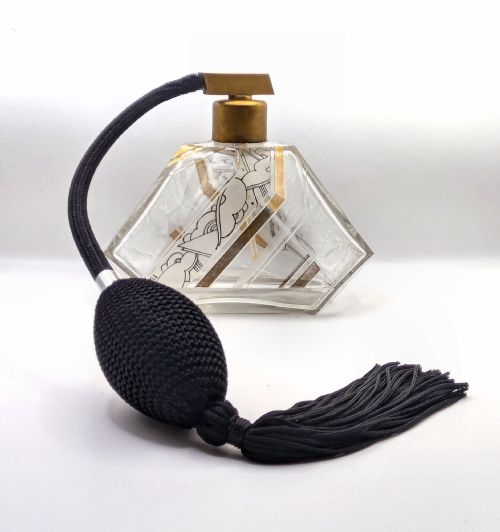
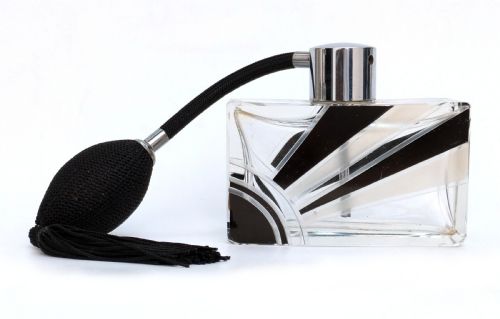
An antique perfume spray brings dressing table elegance from the Art Deco era into modern rooms through coloured glass and metal fittings.
Antique Perfume Spray
When you search for an antique perfume spray, you are looking at vanity accessories designed to mist fragrance rather than pour it. The pieces gathered here belong predominantly to the Art Deco period, spanning the 1920s and 1930s.
You will encounter items described as perfume atomisers, scent bottles, and perfume atomisers on stands. Most examples originate from French and Czech makers, showcasing distinct regional aesthetics from the interwar years.
The dominant forms are glass bottles paired with metal hardware designed to pressurise liquid scent. These range from standard dressing table bottles to substantial pieces featuring integrated stands.
Materials and construction
Makers utilised moulded, cut crystal, and glass as the primary body materials, often incorporating enamelling and fabric components for visual texture. These glass bodies provide the heavy weight and geometric clarity characteristic of the style.
Metal elements including chrome, brass, and early plastics such as Bakelite form the functional mounts and spray mechanisms. The combination of reflective metalwork with transparent or coloured glass defines the manufacturing approach of the period.
Several bottles feature sunray motifs designed to catch the dressing table light while you mist your morning fragrance.
Assessing craftsmanship and finish
Quality rests in the precision of the glass cutting and the clarity of the material, alongside the complexity of the enamel work. Pieces featuring named designers display finer detail in the moulding and proportion.
The sophistication of the hardware integration, particularly on pieces mounted on stands or finished in heavy chrome and brass, marks the distinction between standard production and exceptional studio output.
Karl Palda·Rudolf Hlousek·René Lalique·Hermanova
The Antique Perfume Spray Glossary
- Atomiser
- A mechanical device attached to a bottle that turns liquid perfume into a fine mist. This mechanism relies on bulb pressure to force scent through a fine nozzle.
- Art Deco
- The dominant design style of the 1920s and 1930s characterised by geometric shapes, stylised motifs, and sleek lines. It influenced all the pieces found on this page.
- Bakelite
- An early synthetic thermosetting plastic utilised in the manufacturing of vanity hardware and closures during the period. It offers a dense, durable finish.
- Cut crystal
- Glass with a high lead content that has been cut and polished to increase brilliance and refraction. It provides substantial weight to dressing table bottles.
- Enamel
- A decorative glassy substance fused to metal surfaces through firing to add colour and pattern. It appears on select glass and metal bodies of this era.
Antique Perfume Spray: Frequently Asked Questions
How do I use an antique perfume spray?
These pieces function by squeezing an attached bulb that forces air through a metal tube system, drawing liquid up to create a fine mist. Modern use requires gentle handling of the vintage internal tubes and rubber components.
Display them on mirrored trays or dressing tables away from direct sunlight to protect any enamel and fabric elements from fading over time.
Are these bottles made in France or Czechoslovakia?
The selection includes significant pieces from both regions, with French examples often associated with named designers and Czech production known for bold coloured glass and crystal. Both origins date primarily to the 1920s and 1930s.
Distinguishing between them usually depends on the specific glass cutting techniques, enamel decoration, and the style of the metal atomizer mounts.
What materials are common in Art Deco atomisers?
Glass and cut crystal form the main bodies, complemented by chrome, brass, and Bakelite hardware. Fabric and enamel frequently add colour and decorative contrast to the exterior.
These materials reflect the industrial and decorative priorities of the interwar period, combining durable metals with manufactured glass.
How do I date a 1930s perfume bottle?
Dating relies on stylistic markers of the Art Deco movement, such as sunray motifs, geometric cutting, and the use of chrome and Bakelite. Maker attribution also helps secure the timeline.
Pieces from this era typically exhibit the characteristic heavy glass forms and specialised atomising hardware developed during the 1920s and 1930s.