





Antique Perfume Jar
These antique perfume jar selections comprise cut glass, silver-mounted vessels and dressing table accessories from the Victorian, Edwardian and Art Deco periods.
Antique Perfume Jar
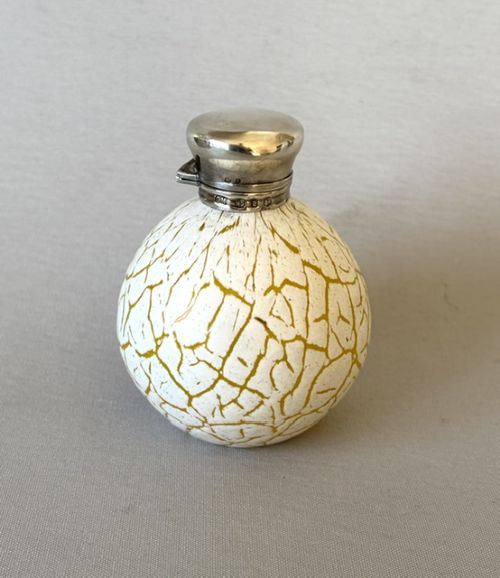
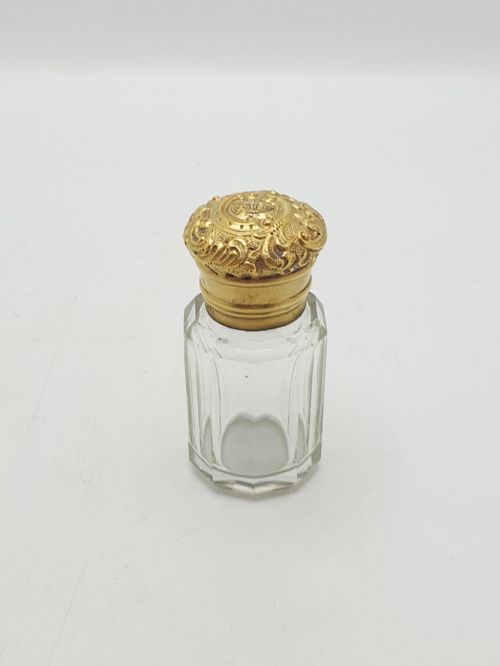
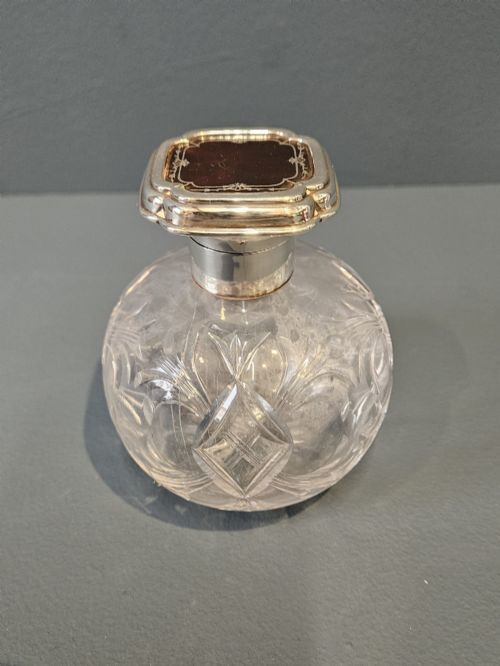
An antique perfume jar encompasses small glass vessels, scent bottles and lidded containers designed for dressing tables and travelling cases. Buyers searching for an antique perfume jar frequently encounter cut glass bodies fitted with sterling silver lids, hinged caps or screw tops.
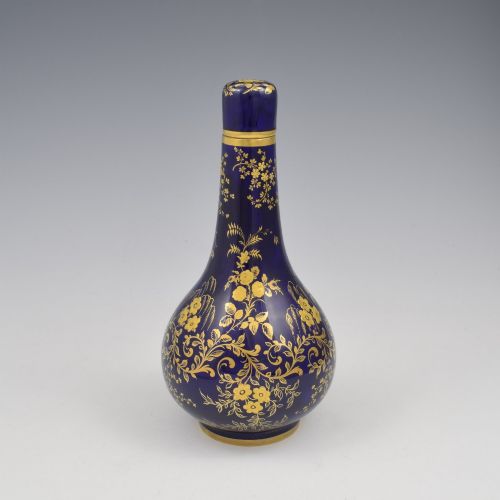
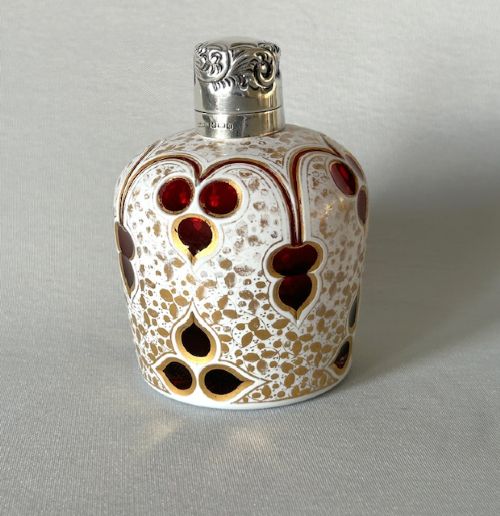
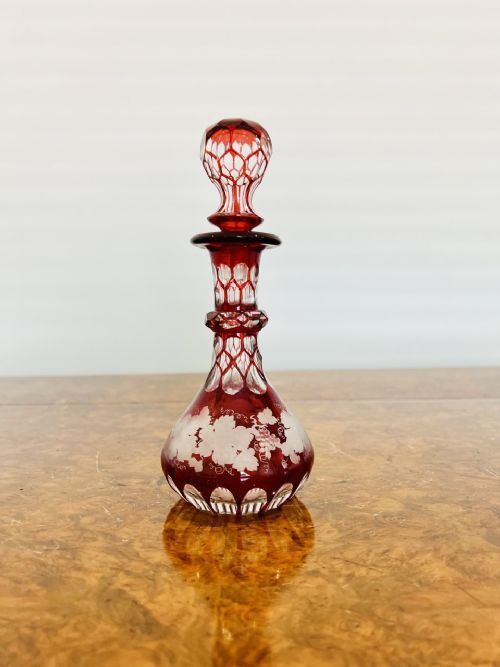
The material palette spans clear, cranberry and amethyst glass combined with silver, enamel, tortoiseshell and brass mounts. Originating largely from the nineteenth and early twentieth centuries, these pieces include globular scent bottles and ceramic vanity sets.
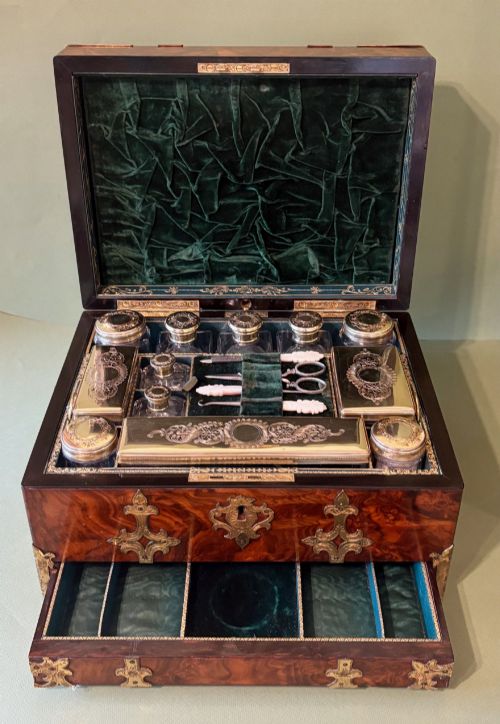
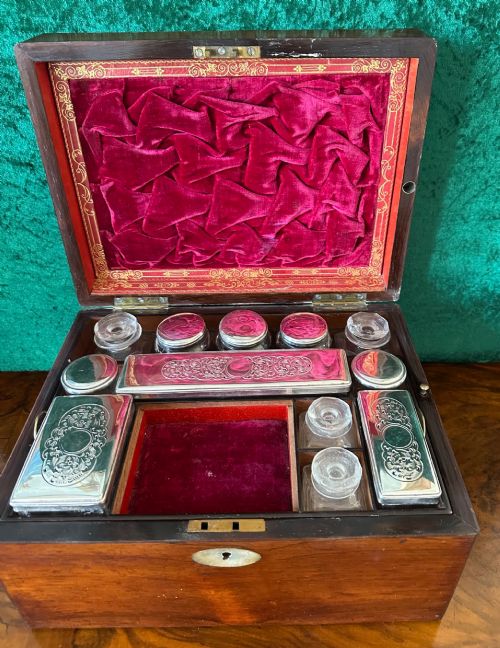
Victorian and Edwardian examples dominate the selection, often appearing alongside Art Deco enamel designs and occasional nineteenth-century porcelain or Roman glass vessels. Dressing cases and vanity boxes also house these scent containers within fitted interiors.
Assessing quality in antique scent containers
Quality rests upon the clarity and weight of the glass, the crispness of the cutting, and the integrity of any metal mounts. Superior pieces display deep, sharp facets on the glass and well-defined silver hallmarks without excessive wear.
The inclusion of specialised materials like tortoiseshell, guilloché enamel or intricate metalwork elevates a piece above standard utilitarian vessels. Maker attribution through clear assay office stamps also distinguishes finer workshop production from unmarked examples.
Antique Perfume Jar Retail Price Guide 2026
Typical asking prices for perfume jar among the pieces listed under this phrase on Sellingantiques today, from the lower quarter to the upper quarter. They describe what is for sale here now, not the wider market.
Listings feature items spanning the Roman era through to the Art Deco period, highlighting glass, sterling silver and tortoiseshell.
Henry Perkins·Barnsley and Co·Adie Brothers Ltd
The Antique Perfume Jar Glossary
- Guilloché enamel
- A decorative technique where precise, intricate geometric patterns are mechanically engraved into a metal surface beneath a translucent layer of enamel paint.
- Hallmark
- An official stamp applied by an assay office indicating the purity of precious metals, the maker's mark and the year of testing.
- Unguentarium
- A small ancient glass or ceramic bottle used in antiquity for storing oils, perfumes or unguents.
- Cranberry glass
- A rich red-pink glass produced by adding gold chloride to the molten batch during manufacturing in the nineteenth century.
- Sterling silver
- An alloy consisting of silver and other metals, typically copper, maintaining a standard of purity often verified by British assay marks.
Antique Perfume Jar: Frequently Asked Questions
How do I clean an antique perfume jar?
Gentle cleaning with warm soapy water and a soft cloth preserves the glass and metal surfaces without damaging historic finishes. Avoid harsh chemical cleaners that can strip enamel or corrode antique silver mounts.
Ensure moisture does not become trapped inside stoppered bottles or around delicate tortoiseshell inlays during the washing process. Allow components to dry completely before reassembly.
What periods do these perfume bottles represent?
The available selection spans from nineteenth-century Victorian and Edwardian eras into the early twentieth century, including Art Deco designs. Earlier examples also appear from Regency and Roman periods.
Stylistic shifts move from heavily ornamented Victorian cut glass toward streamlined geometric forms characteristic of the 1920s and 1930s.
Were these jars meant for travel?
Many examples were manufactured specifically as components for fitted leather travelling vanity cases and dressing boxes. Secure screw caps and lockable lids prevented leaks during transit.
Other larger vessels remained stationary on dressing tables as part of matching ceramic or glass vanity sets.
How can I date a silver-mounted scent bottle?
British silver mounts usually feature hallmarks stamped directly into the metal, which record the assay office, metal purity and a specific date letter. Consulting standard hallmarking charts reveals the exact year the silver component was tested and registered.
Stylistic cues in the glass cutting and stopper design provide additional context when hallmarks are absent or rubbed.