





Antique Pedestal Tureen
An antique pedestal tureen brings architectural presence to the table, offering a raised serving vessel shaped by Georgian, Victorian, and Edwardian hands.
Antique Pedestal Tureen
When you search for an antique pedestal tureen, you encounter raised serving vessels that sit on integrated footed bases, designed for soup, gravy, or fruit upon the dining table. The pieces found here span the Georgian, Regency, Victorian, and Edwardian periods, manifesting in earthenware, felspar porcelain, and silver or silver plate.
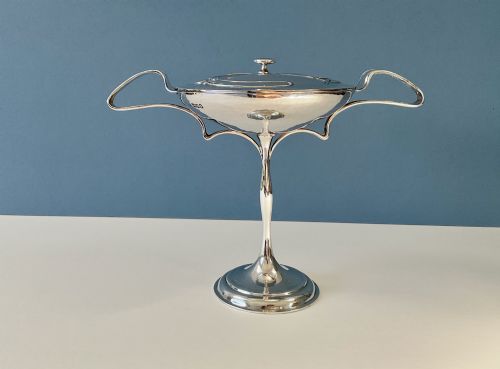
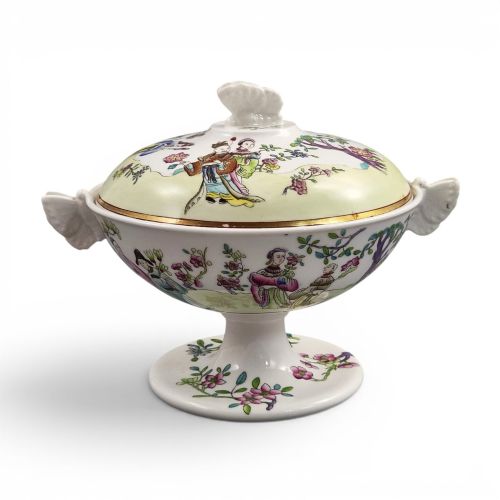
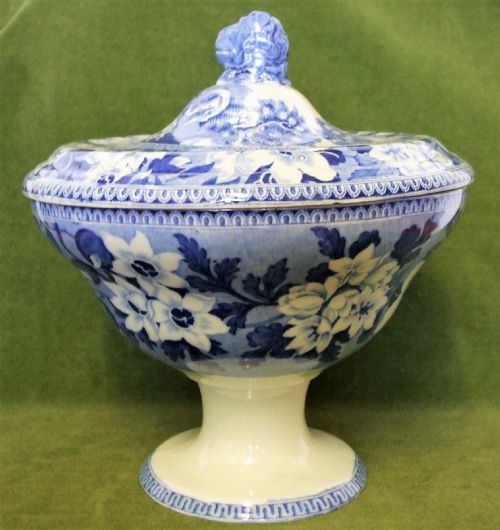
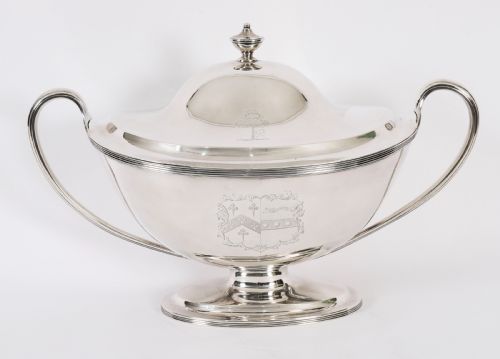
You are most likely to meet earthenware transfer-printed bodies or gleaming silver-plated vessels supported on pedestal feet. These forms range from large soup tureens and punch bowls down to sauce boats and covered footed bowls with butterfly handles.
Originating mostly from English makers and notable silver workshops, these tureens reflect the changing dining rituals of the nineteenth and early twentieth centuries. The raised pedestal design lifts the contents above the table surface, giving each piece a distinct vertical emphasis.
Materials and construction methods
Pottery tureens are formed from earthenware or felspar porcelain, shaped and fired before receiving blue and white transfer-printed patterns beneath a clear glaze. Copper plate printing transfers intricate landscape or animal motifs onto the ceramic body prior to final glazing and high-temperature firing.
Silver and silver-plated tureens utilise sterling silver or electroplated nickel silver over a base metal foundation. Silversmiths hammer, cast, and solder components together, creating handles, covers, and raised pedestal feet that are then polished to a bright finish.
Antique Pedestal Tureen Retail Price Guide 2026
Typical asking prices for pedestal tureen among the pieces listed under this phrase on Sellingantiques today, from the lower quarter to the upper quarter. They describe what is for sale here now, not the wider market.
One ceramic tureen proudly displays an elephant pattern, proving that nineteenth-century dinner guests enjoyed exotic wildlife roaming across their soup.
Markers of execution and finish
The distinction between standard utility ware and finer examples lies in the crispness of the transfer printing on ceramics or the weight and balance of the metalwork in silver pieces. Crisp details, clean glaze surfaces, and sharply cast handles indicate superior workshop standards.
Proportion and structural integrity dictate the standing of a pedestal tureen. Pieces that retain their original matching covers, unblemished plating, and steady, unwarped pedestal bases command greater respect among collectors.
John Rogers and Son·William Bennett·Mappin and Webb·Tiffany and Co·Daniel and Arter·Copeland and Garrett
The Antique Pedestal Tureen Glossary
- Pedestal tureen
- A serving vessel raised on a distinct footed base or pedestal. This form elevates the bowl above the table surface for serving soup, sauce, or fruit.
- Transfer printing
- A decoration technique where an engraved copper plate applies a design onto tissue paper, which is then stamped onto the ceramic body. It allows for repeatable, highly detailed blue and white patterns.
- Felspar porcelain
- A fine ceramic composition incorporating feldspar, developed in the nineteenth century for increased durability and a bright white body. It provides a smooth surface for glaze and enamel decoration.
- Electroplated nickel silver
- A base metal alloy of copper, nickel, and zinc coated with a thin layer of pure silver through an electrical process. This method became widespread in the nineteenth century for producing durable tableware.
- Soup tureen
- A large, deep covered vessel intended for serving soup at the dining table. They frequently feature two handles and a matching lid.
Antique Pedestal Tureen: Frequently Asked Questions
What was an antique pedestal tureen used for?
These vessels served soups, sauces, gravies, or fruit at formal dining tables. The raised pedestal design kept the contents prominent and separate from other table dishes.
Over time, many of these pieces transitioned from active dining service to decorative display items on sideboards and centre tables.
How do I care for a silver-plated tureen?
Clean silver-plated and sterling pieces with warm water, mild soap, and a soft cloth to preserve the metal plating. Avoid harsh abrasive cleaners that wear away the silver layer over the base metal.
Dry thoroughly after washing and store in a stable environment to prevent tarnish accumulation on the surface.
How can I tell a Georgian tureen from a Victorian one?
Georgian and Regency pieces often exhibit classical neoclassical lines, simpler silver forms, or early blue and white earthenware patterns. Victorian and Edwardian examples tend toward heavier ornamentation, including ornate Art Nouveau curves and elaborate silver plating techniques.
Maker marks, registration diamonds, and ceramic backstamps further help anchor specific pieces to their respective nineteenth-century decades.
Can I still use these tureens for serving food?
Ceramic tureens with intact glaze and silver vessels in sound condition can serve dry foods or warm dishes. Inspect the interior surfaces for crazing or wear before putting them to culinary use.
Many collectors prefer to use them as decorative centrepieces or fruit bowls rather than risking modern dishwasher cycles and staining.