

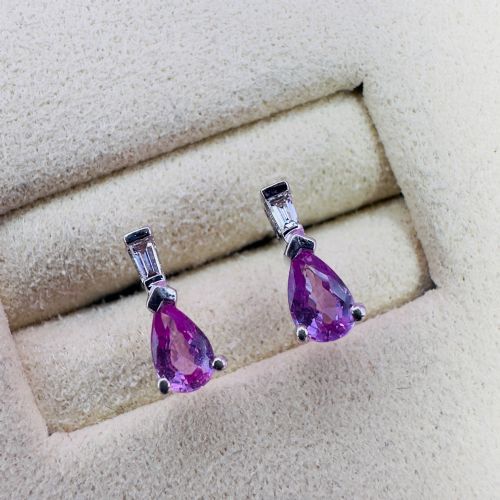


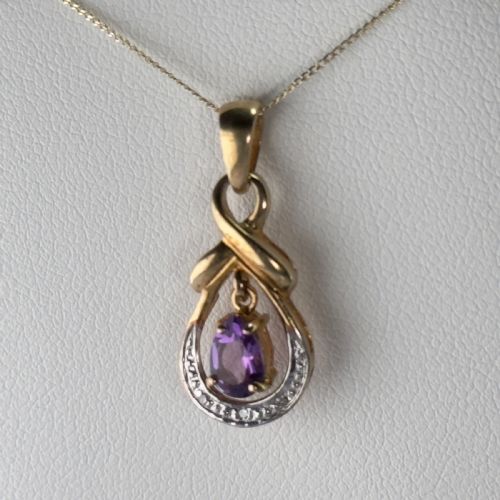


Antique Pear Diamond Drops
These antique pear diamond drops combine teardrop-shaped gems and swinging stones, offering the enduring elegance of early twentieth-century jewellery design.
Antique Pear Diamond Drops
When you search for antique pear diamond drops, you encounter a selection of hanging earrings and pendant necklaces featuring teardrop stones. The pieces here predominantly span the Edwardian and Art Deco eras, alongside select mid-century and vintage high jewellery items.
The assortment centres on earrings and drop pendants fashioned from platinum, white gold, and yellow gold. Alongside the diamonds, makers incorporated coloured gems including aquamarine, emerald, ruby, sapphire, opal, and jade to create swinging drop formations.
Materials and construction
Craftsmen mounted diamonds and coloured stones in platinum and various carats of gold, ranging from nine carat up to eighteen carat white and yellow gold. Platinum became particularly favoured during the Edwardian and Art Deco periods for its strength in delicate wirework and settings.
Stones are shaped into pear cuts, trapezoid cuts, and rose cuts, suspended to catch the light with movement. Metalwork techniques unite channel, bezel, and prong settings to secure substantial centre gems alongside accent diamonds.
Antique Pear Diamond Drops Retail Price Guide 2026
Typical asking prices for pear diamond drops among the pieces listed under this phrase on Sellingantiques today, from the lower quarter to the upper quarter. They describe what is for sale here now, not the wider market.
Listings feature items from the Edwardian era, 1910, 1920, 1930, 1950, and 1960, utilising platinum, yellow gold, and white gold.
Assessing quality and execution
Quality rests upon the weight and clarity of the central gemstones, such as significant emeralds, rubies, and aquamarines paired with well-matched diamond accents. Superior examples demonstrate harmonious proportions between the suspension top and the swinging drop.
The refinement of the metalwork distinguishes finer pieces, particularly where platinum or high-carat gold supports complex geometric or delicate floral motifs. Original settings that retain their structural integrity without replacement parts command greater regard from collectors.
The Antique Pear Diamond Drops Glossary
- Pear cut
- A modified brilliant-cut stone shaped like a teardrop, featuring a rounded end and a single tapered point. This shape maximises sparkle while elongating the appearance of the neck or earlobe.
- Edwardian
- A jewellery period spanning the reign of King Edward VII, characterised by platinum settings, lace-like motifs, and light diamond arrangements. Pieces from this era often utilise millegrain edging for a delicate texture.
- Art Deco
- A design style dominant during the 1920s and 1930s defined by geometric lines, symmetry, and high contrast between diamonds and coloured stones. Platinum and white gold served as the primary metals for these precise, architectural creations.
- Rose cut
- An antique diamond cut featuring a flat base and a domed crown with triangular facets arranged in a symmetrical pattern. This cut produces a softer, broader reflection rather than modern brilliant sparkle.
- Millegrain
- A decorative technique involving a row of tiny raised metal beads along the edges of a setting. This method softens harsh metal lines and adds a refined, tactile border to the stones.
Antique Pear Diamond Drops: Frequently Asked Questions
How do I care for antique drop earrings?
Store each piece separately in a lined box to prevent scratching between the swinging elements and softer gemstones like opal or pearl. Avoid ultrasonic cleaners, as historical settings and treated stones require gentle cleaning with warm soapy water and a soft brush.
Inspect the hooks and connections periodically to ensure the drop mechanism remains secure during wear. Limiting exposure to perfumes and lotions preserves the integrity of both the metal and the secondary gems.
What defines Edwardian jewellery?
Edwardian jewellery relies heavily on platinum and white gold to support intricate, garland-style designs inspired by eighteenth-century lace and ribbons. Master jewellers utilised millegrain borders and abundant small diamonds to create a light appearance.
Colour accents during this era frequently involved sapphires, emeralds, and pearls placed alongside the primary diamonds. The overall aesthetic prioritises grace and subtlety over bold geometric forms.
How can I distinguish Art Deco pieces?
Art Deco pieces display strong geometric shapes, sharp angles, and symmetrical arrangements that contrast with earlier flowing floral motifs. Makers frequently paired diamonds with calibrated calibre-cut coloured stones like rubies, emeralds, and sapphires.
White metals such as platinum and 18ct white gold dominate this period, providing a neutral backdrop for high-contrast designs. The silhouettes lean towards clean lines and architectural structures.
Are these drops suitable for daily wear?
Many antique drops withstand regular wear provided you handle them with care, particularly when fastening earrings or pendant clasps. Pieces incorporating softer materials like opal, jade, or pearls demand greater caution to avoid impact damage.
Checking the security of the stone settings with a jeweler ensures that old prongs or bezels remain tight. Removing jewellery before sleeping or engaging in physical activity prevents accidental bending of delicate drop connections.