


Antique Patterned Floor Carpet
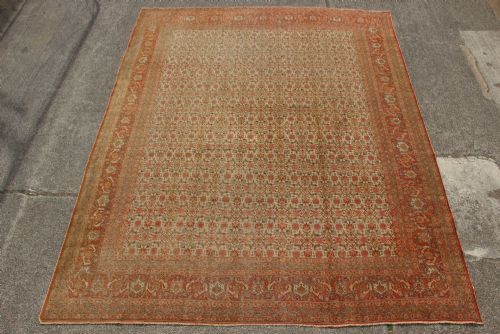
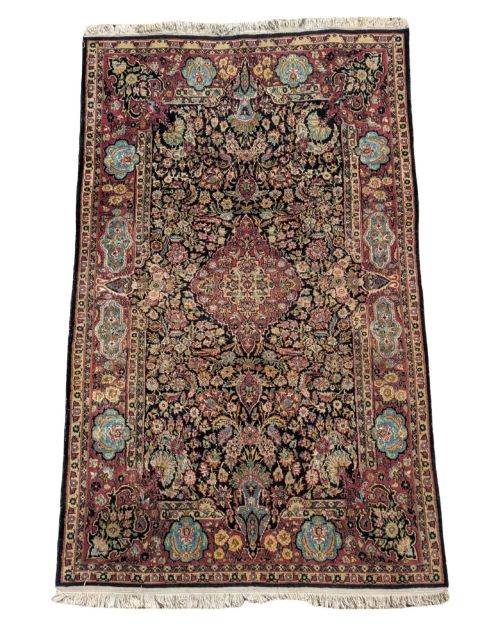
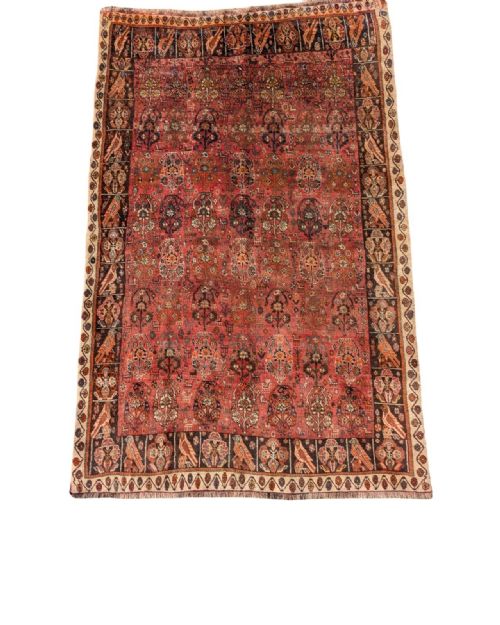
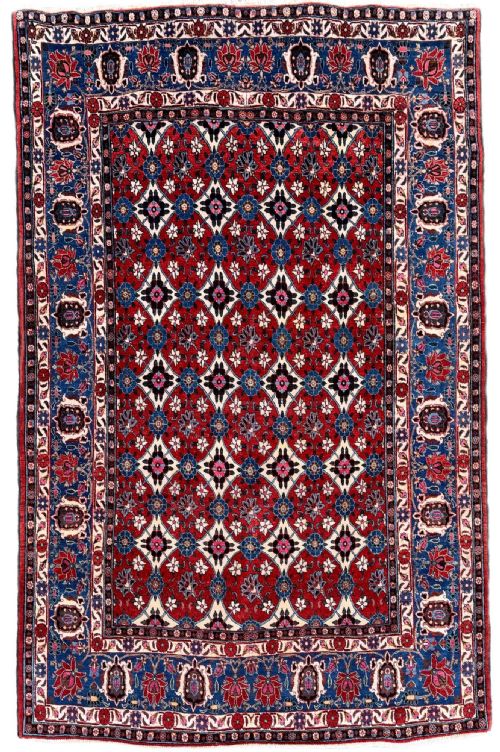
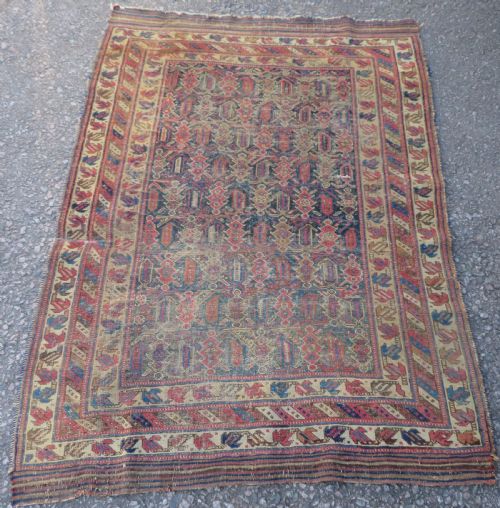
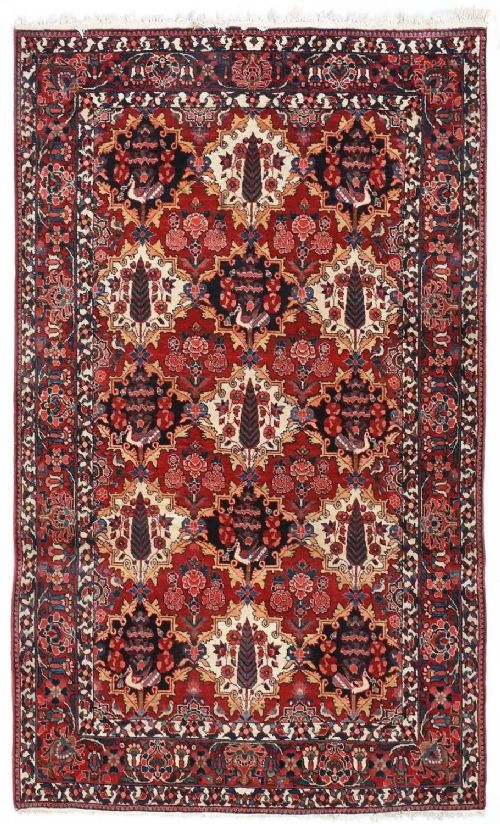
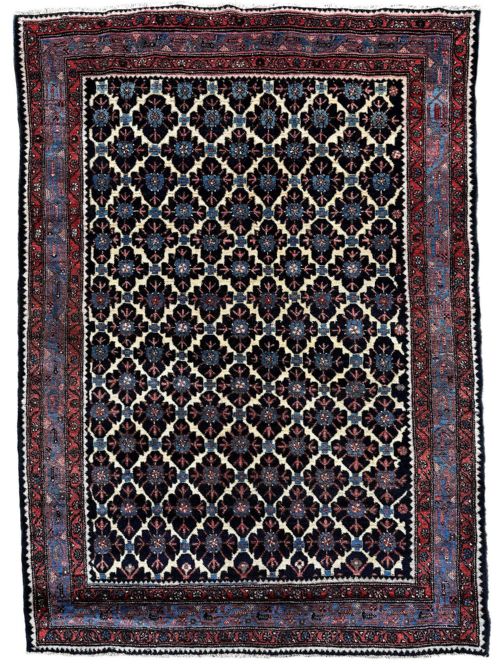
An antique patterned floor carpet anchors a room with dense botanical or tribal motifs woven by hand over a century ago.
Antique Patterned Floor Carpet
An antique patterned floor carpet encompasses woven floor coverings originating mainly from Persian, Central Asian, and Ottoman workshops and tribal regions. The pieces span from the late nineteenth century through the early decades of the twentieth century.
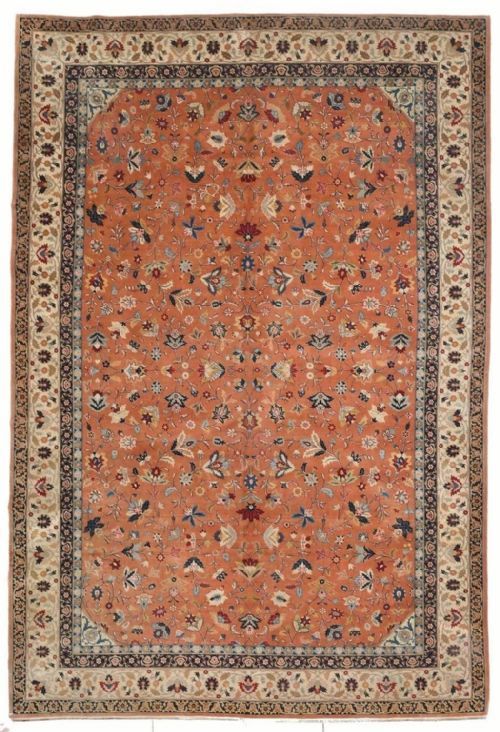
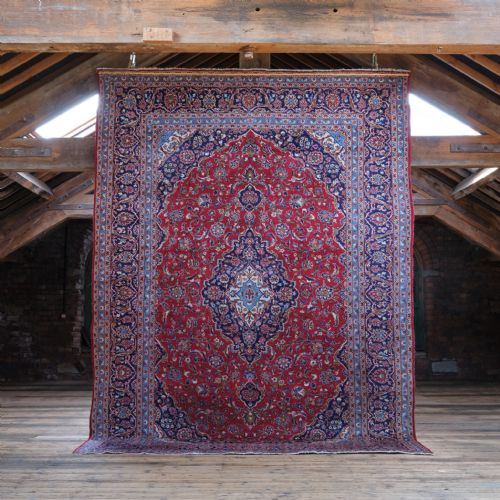
Regional styles dominate the selection, including Heriz, Kashan, Tabriz, and Afshar weaves. Buyers frequently encounter wool area rugs, large carpets, and long runners designed for hallways or grand spaces.
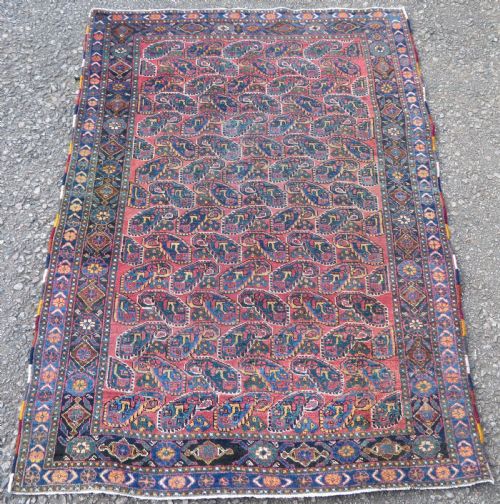
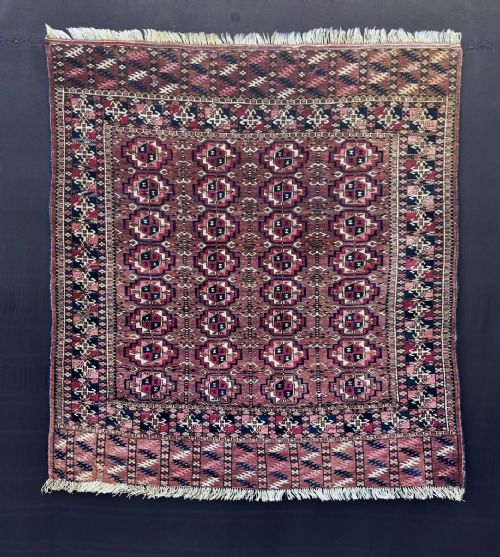
Tribal pieces from Turkmen and Bakhtiari weavers appear alongside workshop productions from Sultanabad and Fereghan. Each format reflects the distinct dyeing traditions and knotting techniques of its specific origin.
Materials and construction methods
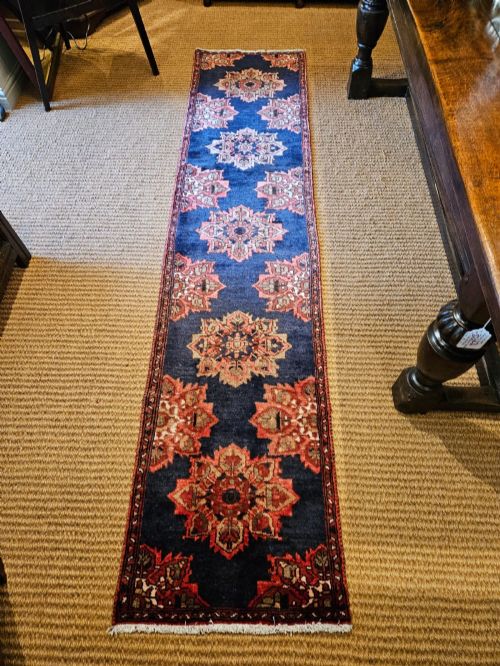
Weavers constructed these textiles primarily using a foundation of cotton or wool, onto which they knotted dense piles of pure wool, sometimes accented with silk highlights. Natural dyes provided the palette, yielding rich navy blues, deep reds, and earthy tones that age with considerable depth.
Makers employed hand-knotting and flat-weave techniques to build durable structures capable of withstanding generations of use. The density of the knots and the quality of the spinning directly influenced the resilience and weight of the finished floor covering.
Listings feature textiles spanning from the 1870s through the 1940s, utilising wool, cotton, silk, and natural dyes across Persian and Central Asian regional styles.
Factors separating standard examples from exceptional ones
The precision of the hand-knotting and the complexity of the design govern the standing of an individual textile. Finer piles and intricate, balanced medallion or all-over patterns demand greater skill from the weaver.
The integrity of the natural dyes and the preservation of the original wool pile determine the visual impact. Examples that retain strong colour saturation and minimal structural intervention command greater appreciation among collectors.
Kizyl Ayak Tribe·Teke Tribes·Kashgai Tribe
The Antique Patterned Floor Carpet Glossary
- Pile
- The upright yarn loops forming the usable surface of the carpet. Dense piles provide greater cushioning and preserve the underlying design against foot traffic.
- Natural Dyes
- Colourants derived from plant, insect, and mineral sources prior to the widespread adoption of synthetic alternatives. These dyes produce complex, muted shades that age harmoniously.
- Flat weave
- A textile constructed without a pile by inter-weaving warp and weft threads directly. Examples include kilims, which offer a lighter weight and a flat surface.
- Runner
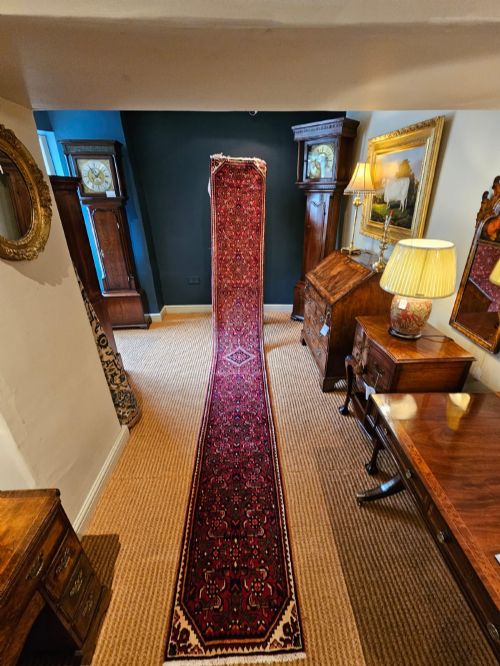
- A long, narrow carpet format intended for corridors, stairs, and hallways. These pieces balance linear geometry with specific room proportions.
- Knot
- The individual loop of yarn tied around the warp threads to build the pile. Higher knot counts generally allow for greater pictorial detail in the design.
Antique Patterned Floor Carpet: Frequently Asked Questions
How do I clean an antique patterned floor carpet?
Professional specialist cleaning is essential for antique textiles to protect fragile natural dyed wools and delicate cotton foundations. Regular gentle vacuuming without a beater bar prevents dust accumulation between the fibres.
Avoid household detergents and washing machines entirely, as moisture and harsh chemicals weaken old wool and cause dye bleeding across the patterned surface.
Are these carpets suitable for heavy foot traffic?
Many traditional floor carpets were built for daily domestic use and handle moderate hallway or living room traffic well when paired with an appropriate underlay. The natural resilience of dense wool pile absorbs pressure effectively.
Very fine silk-highlighted examples or fragile nineteenth-century pieces require more careful placement in low-traffic areas to preserve their structural integrity.
How can I identify the regional origin of a carpet?
Regional attribution relies on examining specific motifs, border arrangements, and colour palettes unique to centres such as Tabriz, Heriz, or Kashan. Tribal pieces often feature geometric medallions and repeating animal or plant symbols.
The choice of foundation materials and knotting style also provides reliable clues to whether a textile originated in a Persian workshop or a Central Asian tribal camp.
What is the difference between a carpet and a runner?
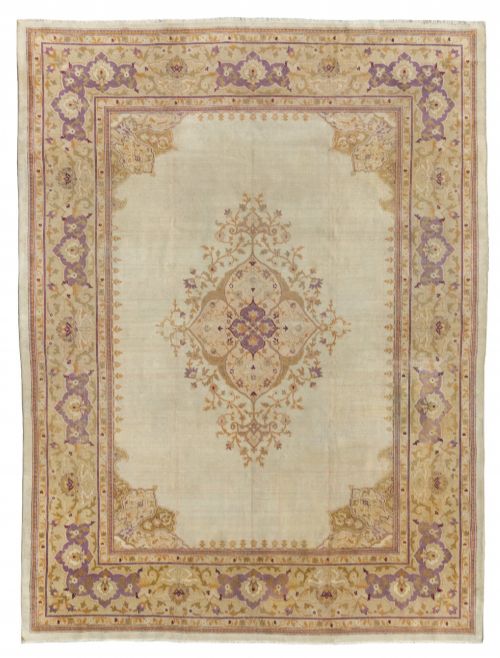
Carpets are proportioned as broad area rugs designed to anchor central spaces in a room, often featuring large central medallions or expansive field patterns. Runners are manufactured with an elongated, narrow format specifically suited for corridors and staircases.
Both utilise identical hand-knotting techniques and wool materials, differing primarily in their geometric dimensions.