

Antique Patio Furniture
Antique patio furniture brings enduring metalwork and stone into the open air, offering heavy garden seating built to withstand the seasons.
Antique Patio Furniture
Antique patio furniture encompasses robust outdoor seating and dining sets designed for gardens, terraces, and parklands. These pieces span from the nineteenth century into the interwar period, reflecting varied regional tastes including French bistro designs and Victorian Gothic patterns.
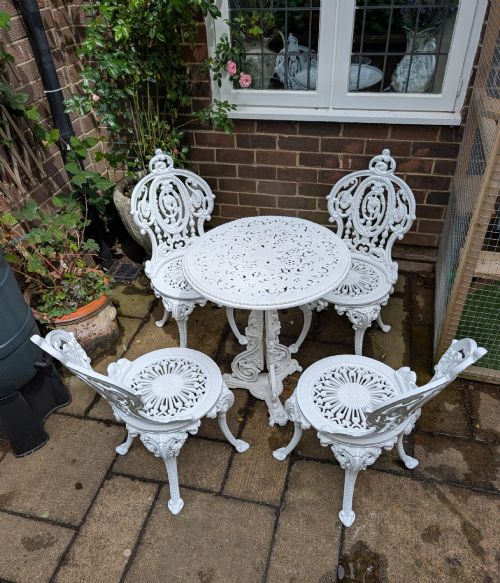
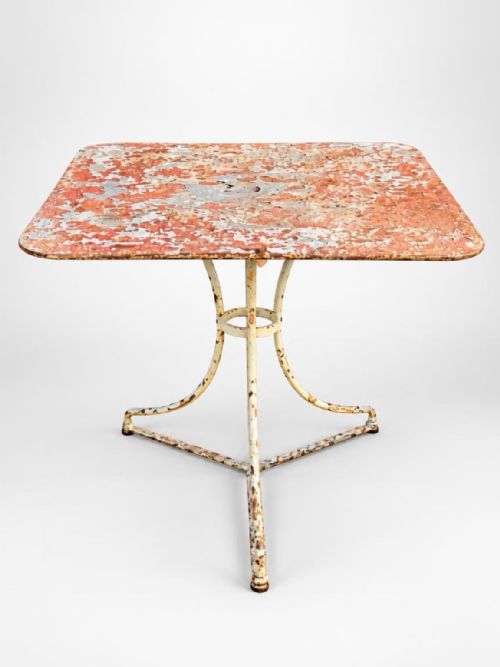
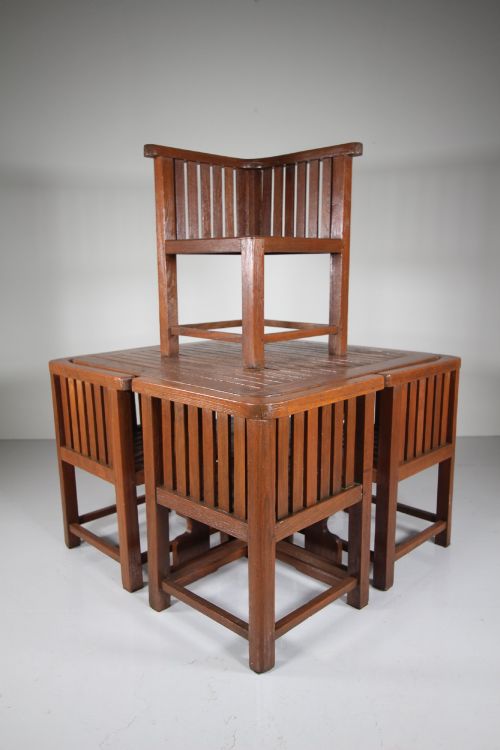
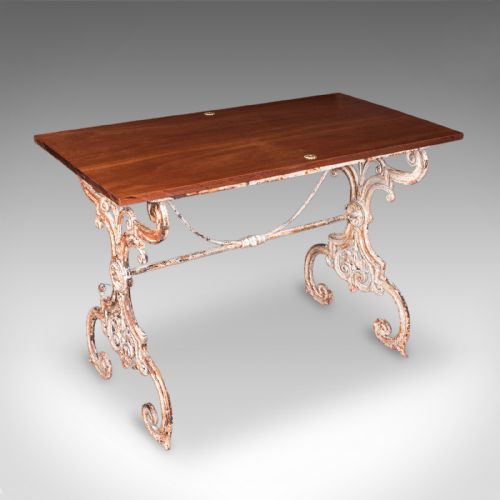
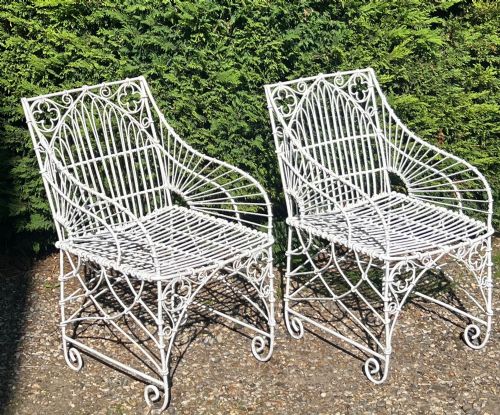
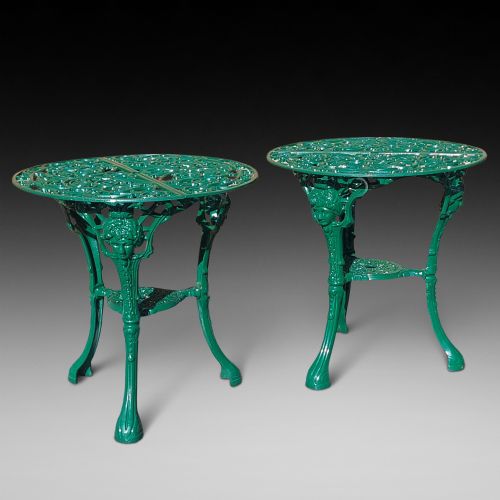
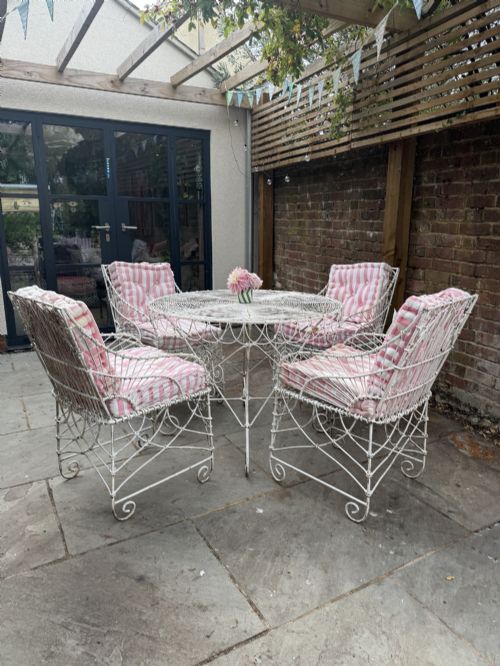
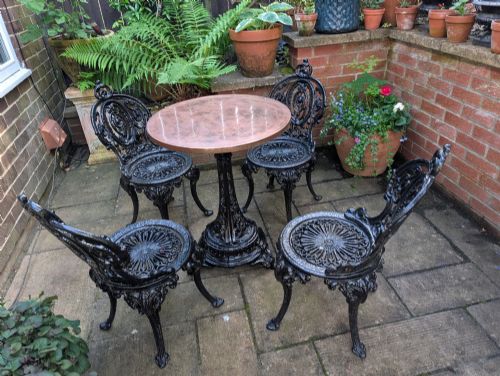
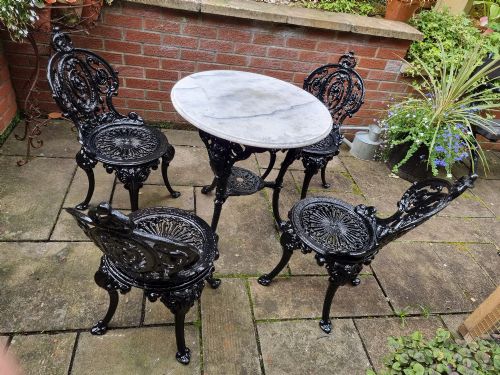
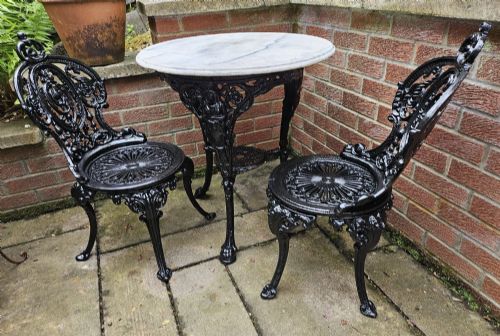
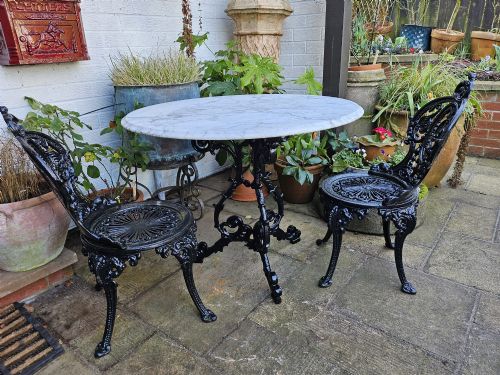
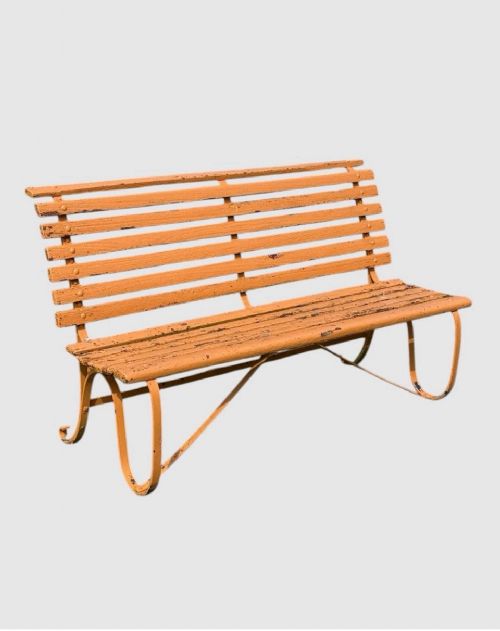
The selections most frequently met on this page include heavy cast-iron sets of tables and chairs, alongside matching garden benches and wirework tables. Buyers encounter robust metal frameworks paired with wooden slats, stone surfaces, or marble tops intended for permanent outdoor placement.
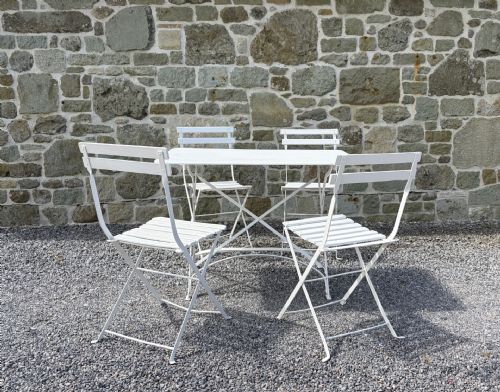
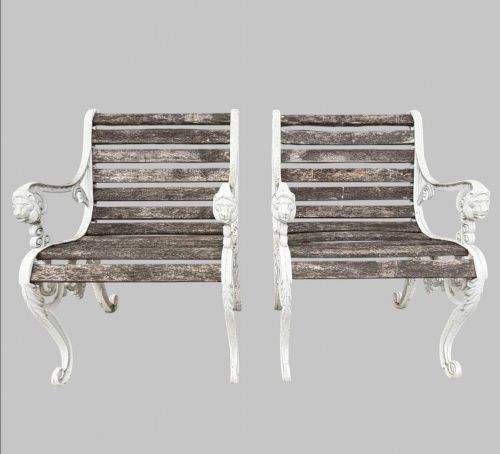
Origins stretch across British, French, and Swedish workshops, taking the form of folding tables, rocking chairs, and lion mask armchairs. Such diversity allows a terrace or lawn to house seating that is both utilitarian and sculptural.
Materials and construction methods
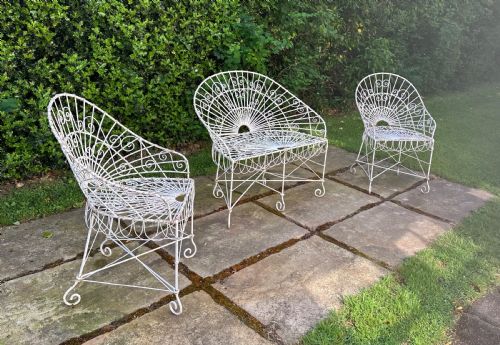
Construction relies heavily upon cast iron and wrought iron, forged or poured into structured forms such as strap work and wirework. These foundational metals provide the substantial weight required to anchor outdoor furniture against wind and uneven terrain.
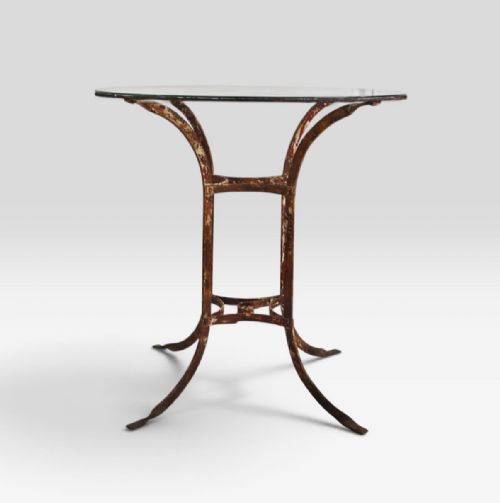
Surface finishes and contrasting elements introduce wood, marble, and steel into the design repertoire. Paint coatings often preserve the underlying metal, while stone and marble slab tops create resilient surfaces for garden dining.
Antique Patio Furniture Retail Price Guide 2026
Typical asking prices for patio furniture among the pieces listed under this phrase on Sellingantiques today, from the lower quarter to the upper quarter. They describe what is for sale here now, not the wider market.
At least one set carries the legacy of the Calcutta Polo Club, proving that nineteenth-century Victorians brought their sports enthusiasm straight to the lawn.
Assessing quality in garden metalwork
The standard of a piece rests upon the crispness of its cast ornament and the integrity of its structural joins. Finer examples display sharp relief on decorative motifs like lion masks and gothic tracery rather than softened contours from worn moulds.
Material selection and designer attribution elevate particular items above standard utility pieces. Signed foundry work or documented patterns distinguish distinctive historic commissions from mass-produced garden seating.
Christopher Dresser·Val D'osne
The Antique Patio Furniture Glossary
- Cast iron
- Iron poured into a mould to create rigid, highly ornamental components. This material forms the heavy frames of nineteenth-century garden benches and tables.
- Wirework
- Metal rods intertwined to form lightweight yet sturdy outdoor tables and chairs. This technique produces intricate lattice patterns typical of Victorian garden furniture.
- Strap work
- Flat strips of metal riveted or welded into geometric strap patterns. It appears frequently on Regency style garden seats and tables.
- Val D'osne
- A notable French foundry known for producing decorative cast-iron architectural elements and garden furniture. Pieces carrying this origin display advanced nineteenth-century casting skill.
- Bistro set
- A small table accompanied by matching chairs, designed originally for pavement cafes. These compact iron sets suit modest patios and balconies.
Antique Patio Furniture: Frequently Asked Questions
Can antique patio furniture stay outside?
These metal and stone pieces are engineered specifically for outdoor use and tolerate weathering well.
Protecting delicate surfaces or applying protective coatings helps preserve the iron and wood through harsh winters.
How do I identify Victorian garden furniture?
Victorian pieces typically feature heavy cast iron with botanical motifs, gothic tracery, or intricate wirework.
Examining the construction methods and weight often reveals nineteenth-century manufacturing techniques.
What is strap work iron?
Strap work consists of flat metal bands arranged in open geometric patterns for seats and tabletops.
This technique lightens the visual weight of iron furniture while maintaining structural strength.
Are French bistro sets different?
French bistro sets are smaller, lighter configurations built for ease of movement and pavement dining.
They emphasise folding frames and simple metalwork compared to heavy stationary garden benches.