



Antique Paste Ring
An antique paste ring brings hand-cut brilliance and rich metalwork from past centuries straight to the finger without the weight of modern stones.
Antique Paste Ring
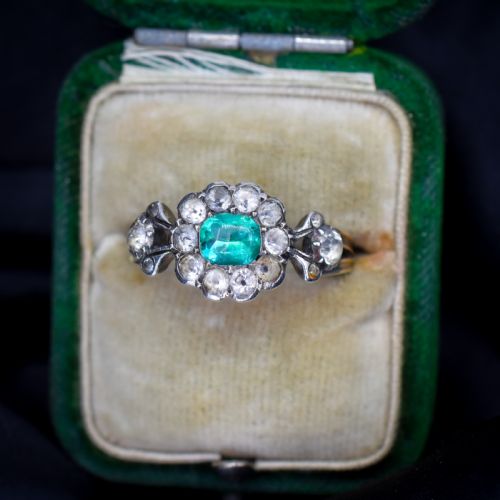
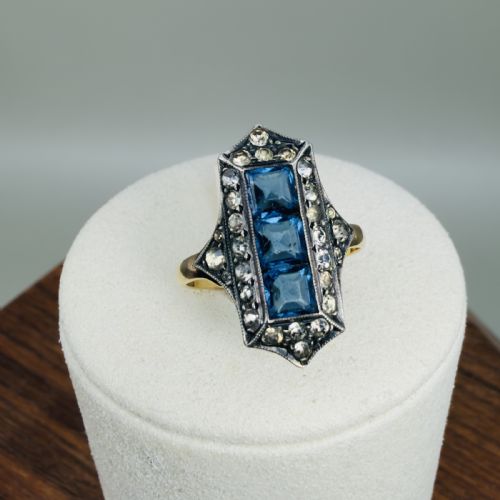
An antique paste ring is a piece of historical jewellery set with vitreous hand-cut glass designed to imitate precious gems like diamonds, sapphires, and emeralds. When you search for an antique paste ring, you encounter everything from Georgian foil-backed clusters to Art Deco silver eternity bands.
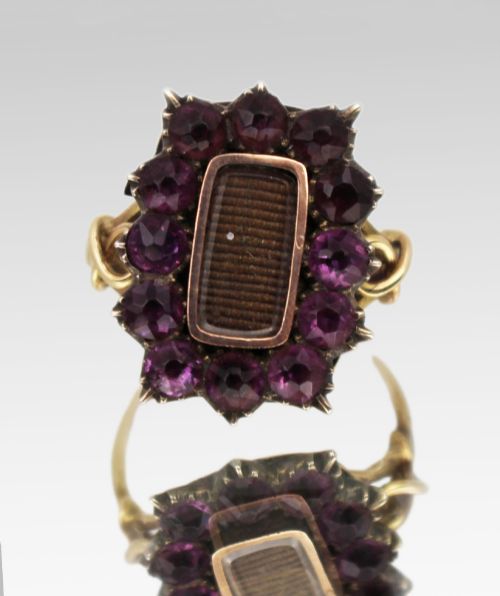
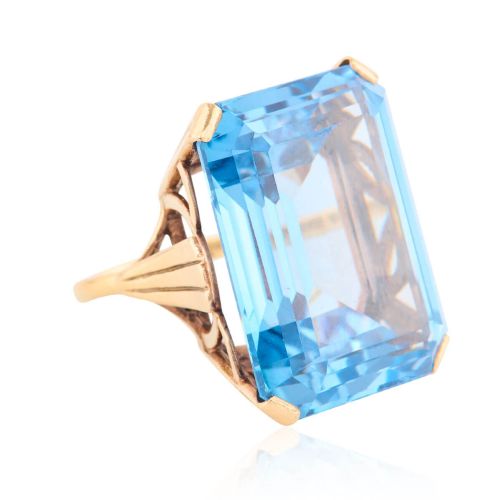
The pieces appearing in these listings span the Georgian, Victorian, and Art Deco eras, with styles ranging from mourning rings to large cocktail rings. Silver, 9ct gold, and 18ct gold provide the structural backdrops for these glass stones, often combined in traditional multi-metal settings.
Cluster rings and three-stone arrangements dominate the available forms, alongside swivel flip designs and enamel-accented bands. Buyers find both delicate early pieces and bolder twentieth-century cocktail rings reflecting the shifting tastes of each period.
Materials and construction methods
In many Georgian and Victorian examples, makers placed metallic foils beneath the paste stones to catch the light and enhance the perceived depth of colour. Collets and closed-back settings protected these delicate foils from moisture while concentrating the illumination through the table and facets of the glass.
Some past examples let the wearer flip their mood instantly with a swivel band switching from day to night.
Variations in quality
The standard of cutting and polishing on the glass paste itself distinguishes finer examples from simpler trade pieces, as does the crispness of the surrounding metal claws and bezels. Superior stones exhibit sharp facet junctions and convincing optical depth rather than a dull, moulded appearance.
The integrity of the original setting and the survival of any underlying foil determine the visual strength of the piece over time. Finer rings retain their closed backs intact, preserving the specific luminosity intended by the original workshop.
The Antique Paste Ring Glossary
- Paste
- Hand-cut and polished lead glass formulated to imitate precious gemstones. It has been used for centuries to create high-status jewellery.
- Foil-backed
- A thin layer of reflective metal placed behind a transparent stone to boost its brilliance and colour. This technique is especially common in Georgian jewellery.
- Cluster ring
- A ring featuring a central stone surrounded by a tight border of smaller gems or paste stones. This layout maximises visual impact on the hand.
- Mourning ring
- A commemorative piece of jewellery containing hair, enamel, or dark stones to remember a deceased person. These often date from the Georgian and Victorian periods.
- Swivel ring
- A ring design featuring a central revolving section that displays two different faces or stones. They allow the wearer to alternate the appearance of the band throughout the day.
Antique Paste Ring: Frequently Asked Questions
How do I care for an antique paste ring?
These historical pieces require gentle handling because the glass stones and any underlying metallic foils are sensitive to moisture. Remove the ring before washing hands or applying lotions to protect the delicate backings.
Store each piece separately in a soft pouch to prevent the glass facets from scratching against other items. Professional cleaning should only be done by a specialist familiar with antique jewellery settings.
Can I wear an antique paste ring every day?
While many collectors wear them regularly, glass paste is softer than natural diamond or sapphire and demands a degree of mindfulness. Choosing a sturdy bezel setting over tall claws helps reduce the risk of impact damage during daily tasks.
Gentle daily wear suits sturdy Victorian or Art Deco bands well, whereas fragile Georgian foil-backed pieces deserve reserve for special occasions. Paying attention to the physical security of the band ensures the ring survives another century.
How do I date an antique paste ring?
Dating relies on observing the combination of metal types, stone cuts, and overall design motifs characteristic of specific eras. Georgian pieces often display closed-back silver settings with foiled rose-cut paste, while Victorian rings introduce varied gold tones and mourning themes.
Art Deco examples lean towards geometric silver bands and calibrated stones set in structured mounts. Examining the construction of the shank and the mounting style offers further clues to the decade of manufacture.
What is the difference between paste and glass?
Paste is a specific type of heavy, high-refractive-index lead glass specifically formulated and hand-faceted to mimic genuine gemstones. Ordinary glass lacks this specialised chemical composition and the precise hand-cut facets that give paste its distinct historical sparkle.
Historical paste makers deliberately added metallic oxides to achieve deep, convincing hues of emerald, sapphire, and amethyst. This distinguishes fine antique paste from ordinary ornamental glass items.