


Antique Paste Drops
Antique paste drops capture the brilliant fire of precious stones in luminous glass, offering remarkable historical sparkle for modern wear.
Antique Paste Drops
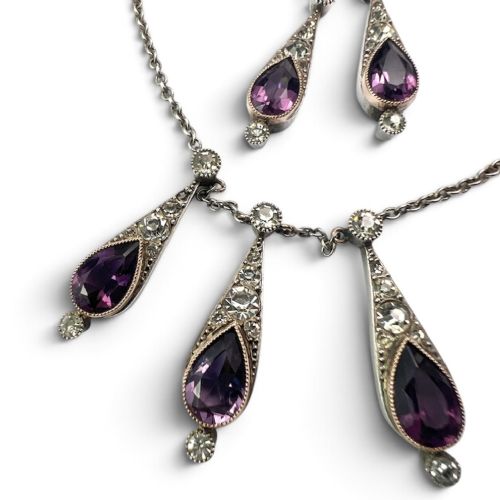
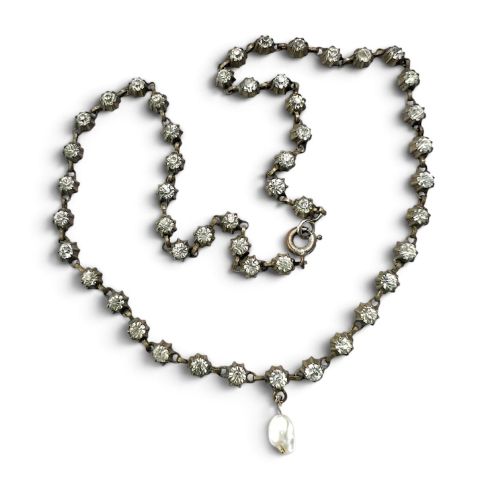
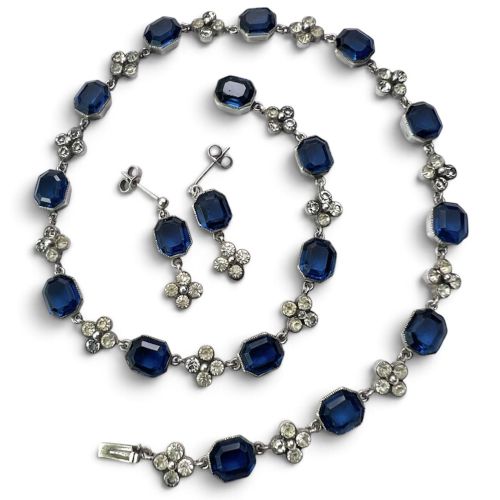
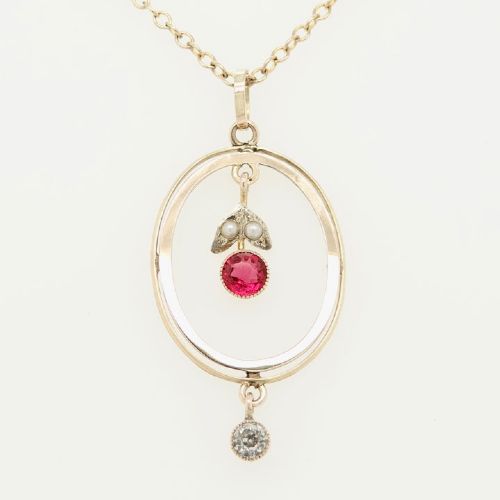
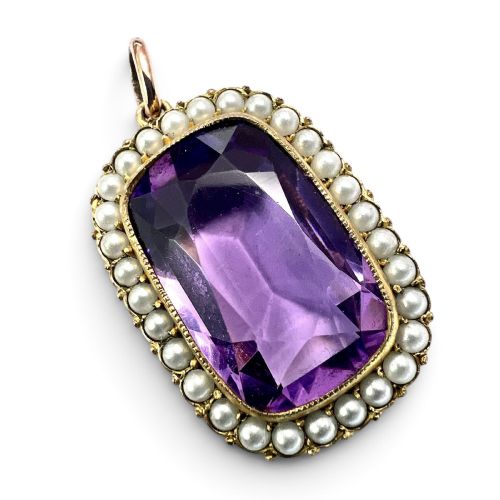
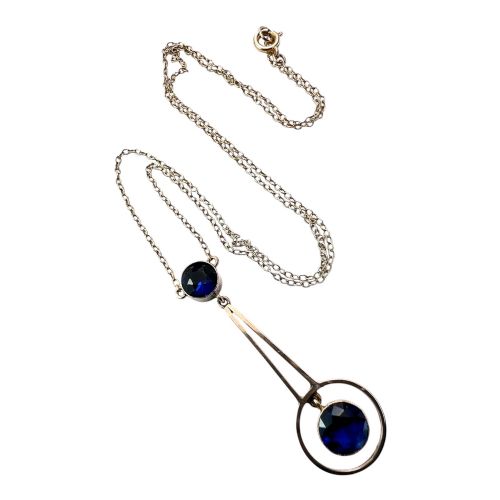
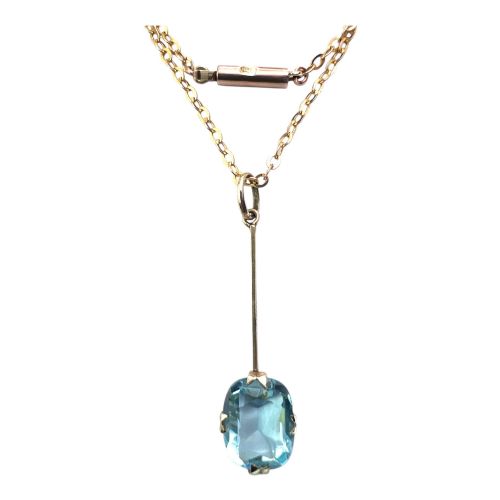
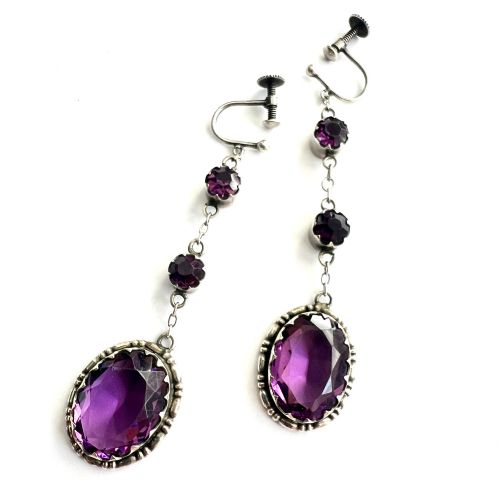
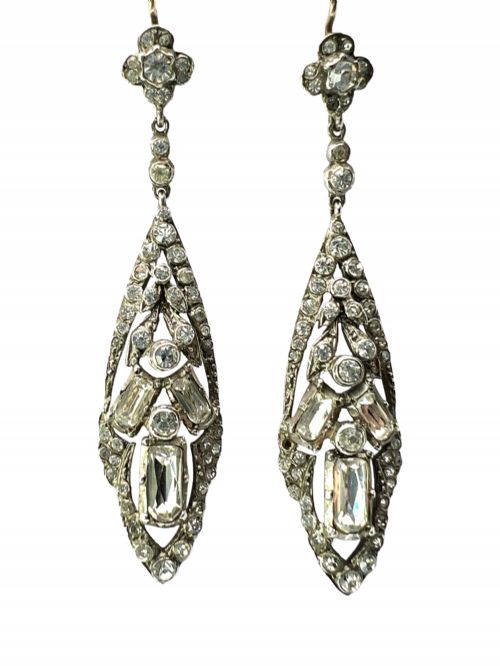
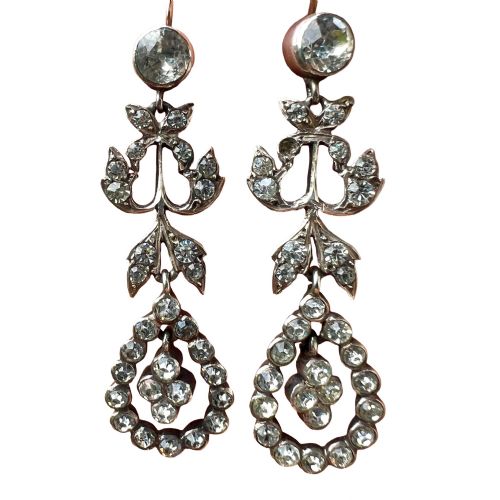
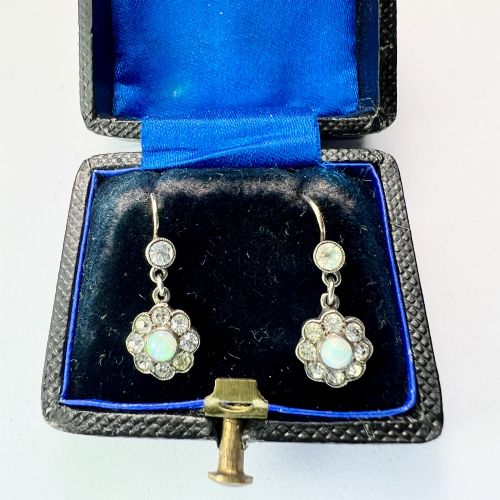
Antique paste drops encompass earrings, necklaces, and pendants featuring hand-cut glass designed to imitate gemstones, appearing across Georgian, Victorian, Edwardian, and Art Deco periods.
The versions most commonly met on this page include Victorian and Edwardian silver or gold drop earrings and pendants, frequently set with foiled stones.
Makers ranged from traditional Georgian workshops to Edwardian houses and Art Deco designers, utilising settings in silver, 9ct gold, and gilt metals.
Materials and construction methods
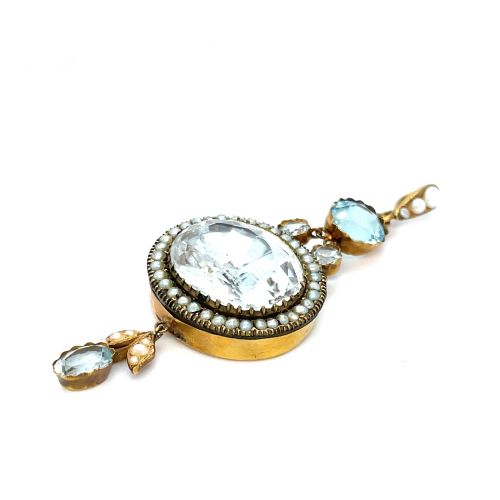
Craftsmen shaped glass paste by hand, cutting individual stones to mimic diamonds, amethysts, aquamarines, and emeralds with remarkable precision.
Metalwork combined silver and gold, often employing closed-back settings where coloured foil was placed beneath the glass to enhance the depth and brilliance of the colour.
Drop configurations relied on secure linkages, screwbacks, or delicate chains, uniting pearls, enamel, and rock crystal into cohesive pendant and earring assemblies.
Current listings span from the Georgian era through the Victorian and Edwardian periods into the 1920s and 1930s, featuring silver, gold, and glass paste.
Assessing quality in paste jewellery
Quality rests upon the crispness of the stone cutting and the integrity of the foil backing, where superior examples retain intense light reflection without darkening or moisture damage.
The refinement of the metal setting dictates overall merit, distinguishing delicate hand-fabricated silver and gold mountings from simpler mass-produced alternatives.
Knoll & Pregizer
The Antique Paste Drops Glossary
- Paste
- Hand-cut lead glass used to imitate gemstones. It was polished and faceted by hand to catch the light just like a mined diamond or precious stone.
- Foiled
- A thin sheet of coloured metal placed behind a glass stone to enhance its colour and reflectivity. This technique is especially prevalent in Georgian and Victorian pieces.
- Demi parure
- A matched set of jewellery, typically comprising two or three pieces such as earrings and a brooch. They were designed to be worn together for formal occasions.
- Screwback
- A mechanical fastening for non-pierced ears introduced in the late nineteenth century. A small threaded screw adjusts the pressure of the backing against the earlobe.
Antique Paste Drops: Frequently Asked Questions
How do I date antique drop earrings?
Dating antique drops relies on examining the metalwork, the cut of the stones, and the fastening mechanisms. Georgian and early Victorian pieces often feature closed-back settings and foiled stones, while Edwardian and Art Deco designs display lighter filigree or geometric silver mountings.
Fastenings also offer clues, transitioning from simple wire hooks to early screwbacks and secure lever-backs as manufacturing techniques evolved through the nineteenth and twentieth centuries.
How should I care for paste jewellery?
Antique paste drops require gentle handling because the glass stones are softer than natural gemstones and vulnerable to scratching. Store them individually in soft pouches to protect the delicate metalwork and prevent abrasion.
Cleaning should be done with a dry or barely damp cloth, strictly avoiding liquid immersion. Moisture can seep behind closed-back settings and ruin the delicate foil that gives the stones their inner glow.
Were paste drops worn daily?
In the Georgian and Victorian periods, paste was frequently worn for evening events where candlelight made the high-refractive glass sparkle brilliantly. These pieces offered high fashion and significant visual presence without the security risks of travelling with royal-level gemstones.
As designs progressed into the Edwardian and Art Deco periods, lighter drop pendants and earrings became versatile accessories suited to both daytime gatherings and formal evening assemblies.