

Antique Parquetry Bureau
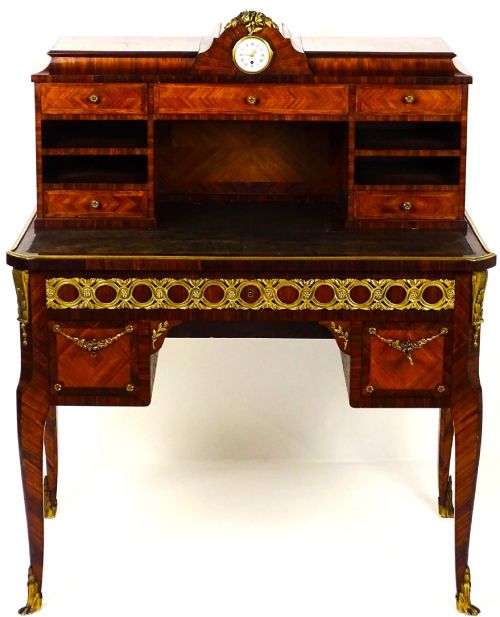
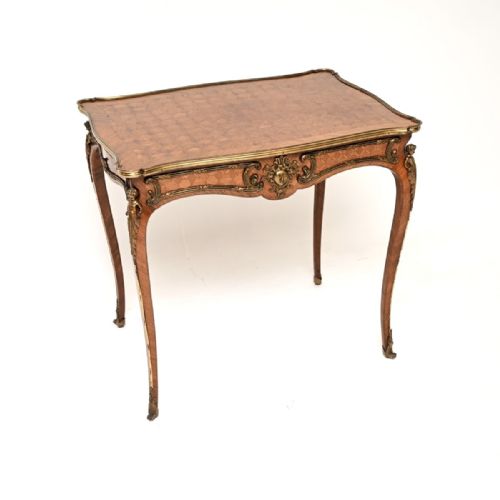
An antique parquetry bureau brings geometric wood veneers and refined French styling into a study or drawing room.
Antique Parquetry Bureau
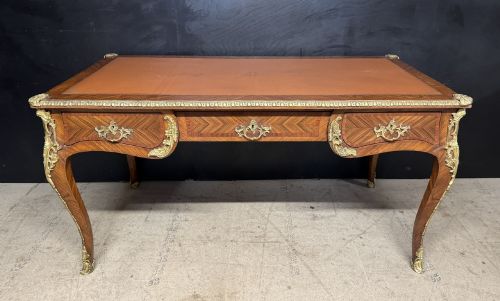
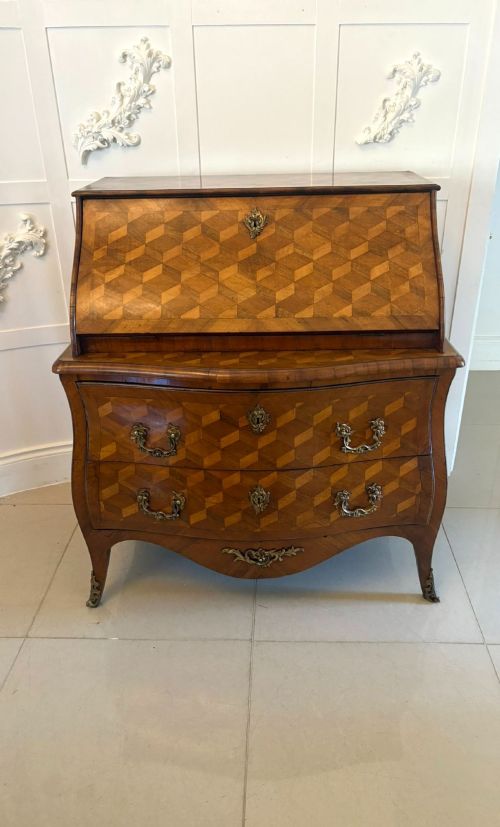
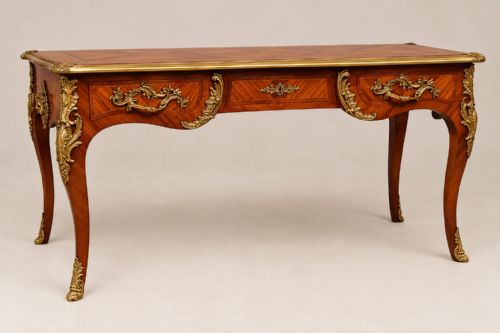
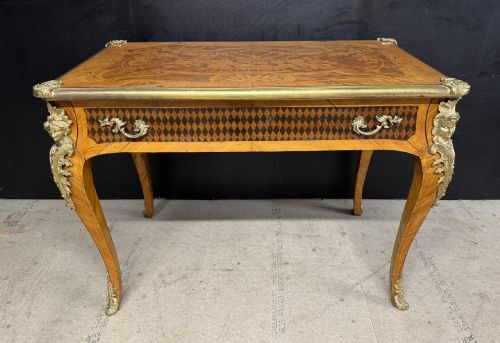
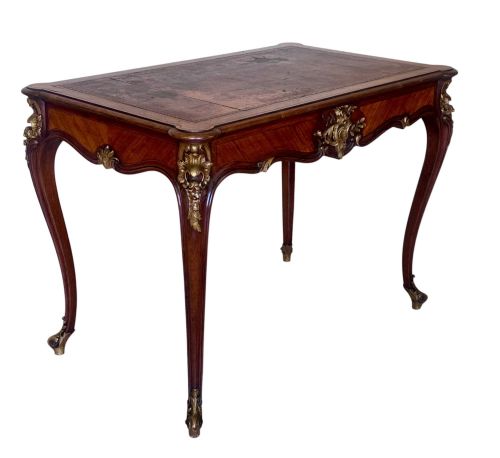
When you search for an antique parquetry bureau, you encounter writing desks, bureau plats, and cylinder desks spanning the eighteenth and nineteenth centuries. The pieces on this page lean heavily towards nineteenth-century French production, particularly items created in the Louis XV and Louis XVI revival styles.
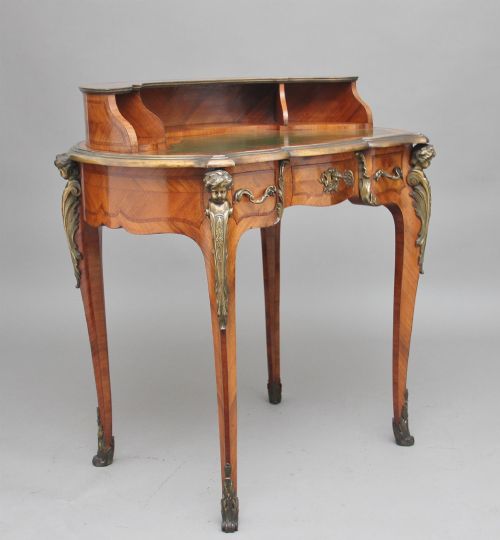
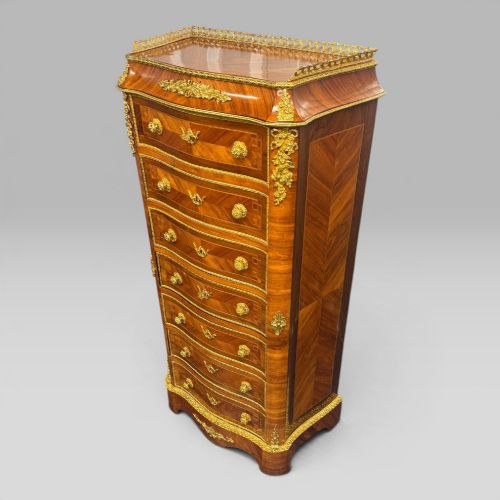
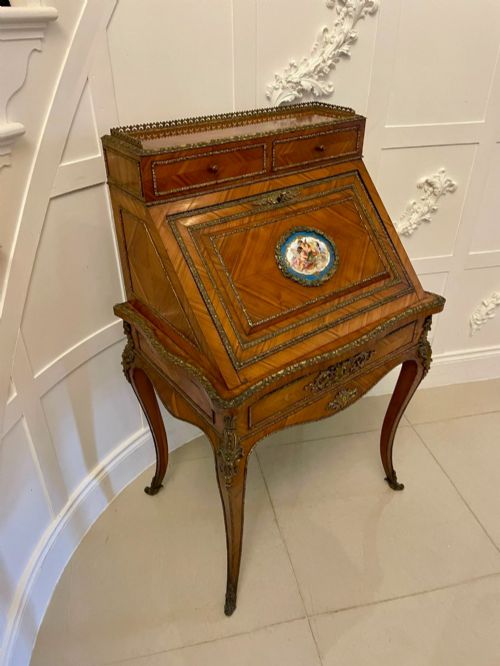
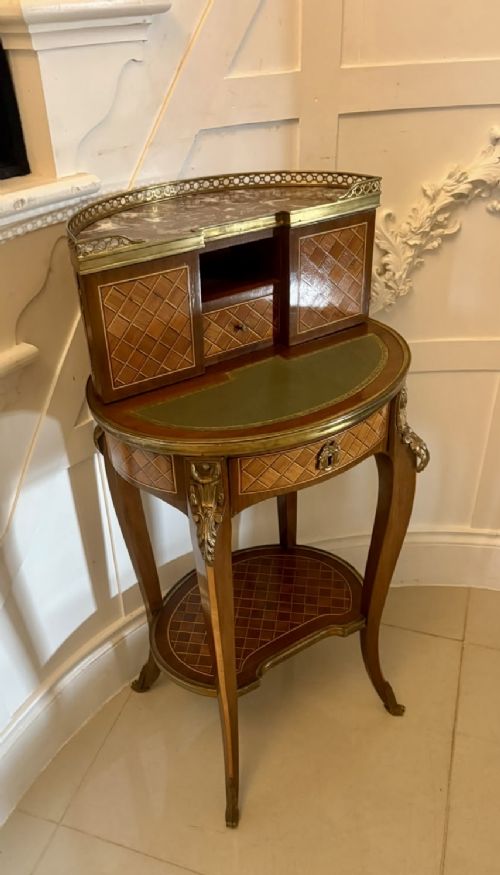
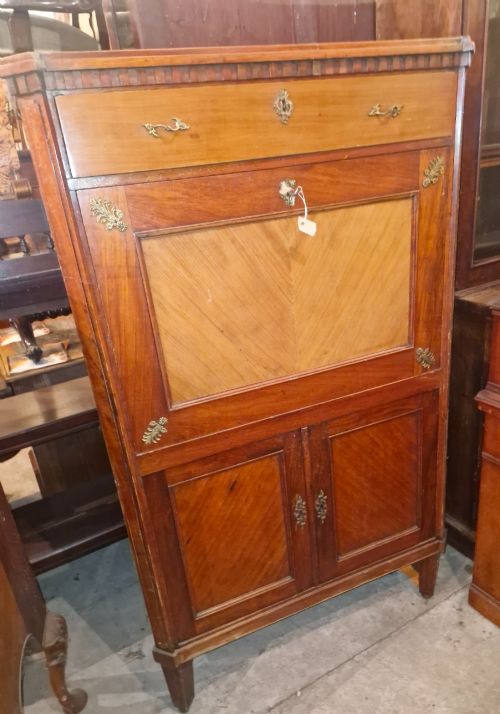
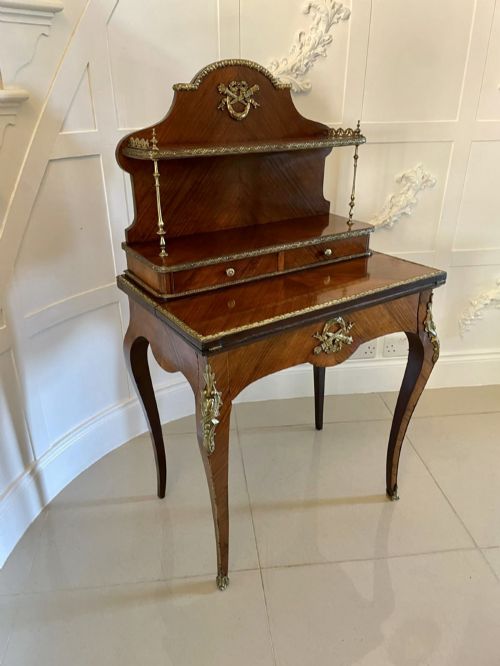
Beyond standard writing desks, the selection includes compact bonheur du jour writing cabinets, drop-front secrétaire abattants, and freestanding tables. These forms originate largely from French workshops and embrace rich cabinet-making traditions adapted for Victorian and continental interiors.
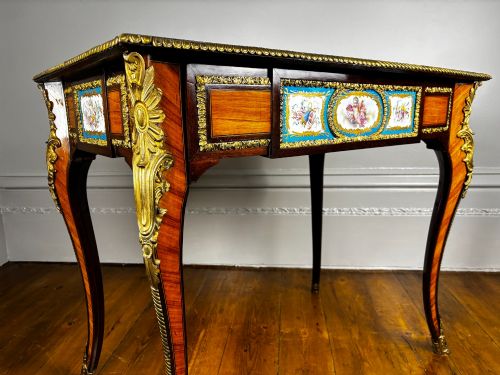
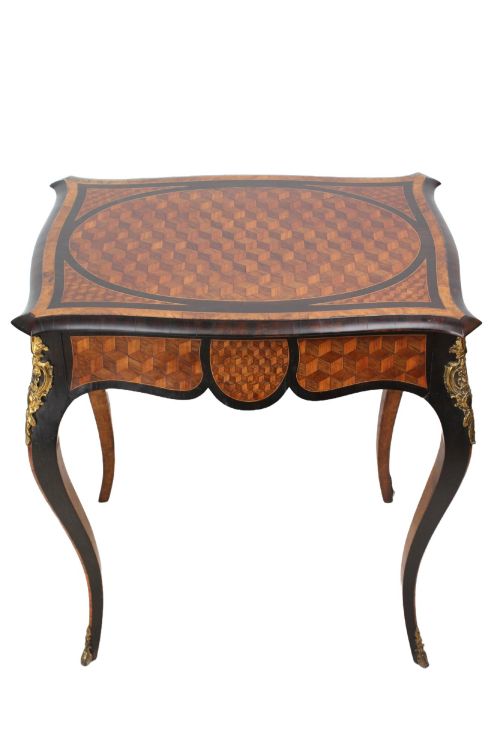
The prevailing aesthetic combines intricate wood geometric patterns with curved bombe shapes or straight classical lines. Buyers find everything from simple writing tables to ornate desks mounted with gilt bronze and porcelain plaques.
Materials and construction
Craftsmen built these pieces using supportive carcases of native timbers faced with choice exotic veneers arranged in geometric parquetry patterns. Kingwood, walnut, rosewood, and tulipwood provide the contrasting tones necessary to create the characteristic interlocking wood designs.
Metalwork plays a defining role in the construction, with cast ormolu and gilt bronze mounts framing the woodwork, protecting corners, and accentuating legs. Marble tops frequently crown vertical writing cabinets, while leather writing surfaces inset into the top provide a functional workspace.
Antique Parquetry Bureau Retail Price Guide 2026
Typical asking prices for parquetry bureau among the pieces listed under this phrase on Sellingantiques today, from the lower quarter to the upper quarter. They describe what is for sale here now, not the wider market.
Standards of craftsmanship
Quality rests heavily on the precision of the parquetry geometry and the crispness of the cast ormolu mounts. Finer pieces display tight, seamless veneer joints that remain stable across seasonal temperature shifts, alongside bronze mounts with sharply chased detailing rather than soft cast surfaces.
The distinction between standard production and masterwork output also shows in the interior secondary woods and the sophistication of the locking mechanisms. Signed pieces from celebrated makers demonstrate superior structural joinery and careful selection of figured grain across every visible surface.
François Linke·Paul Sormani·JAS Shoolbred·CH Jeanselme and Co·Donald Ross·Blake
The Antique Parquetry Bureau Glossary
- Parquetry
- Geometric wood inlay formed by fitting small veneer tiles together to create patterns such as cubes or chequers. This technique decorates the primary surfaces of desks and cabinets.
- Bureau Plat
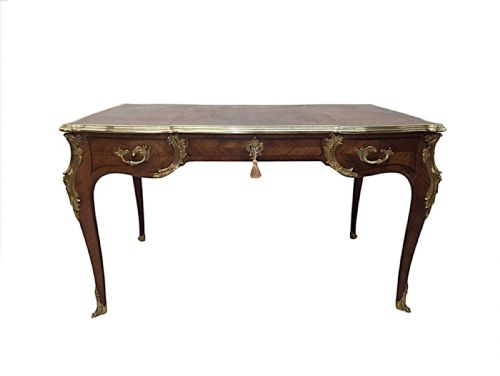
- A freestanding double-sided writing table featuring drawers across the frieze, popular in eighteenth and nineteenth-century France. It stands away from the wall in the centre of a room.
- Ormolu
- Gilded brass or bronze used for decorative mounts on furniture. It protects vulnerable corners and provides ornate visual accents.
- Bonheur Du Jour
- A light lady's writing desk featuring a small cabinet or shelving superstructure above the main writing surface. These pieces often incorporate drawers or mirror panels.
- Secrétaire Abattant
- A tall vertical writing cabinet with a drop-front fall flap that conceals inner pigeonholes and small drawers. They frequently feature marble tops and heavy bronze mounts.
Antique Parquetry Bureau: Frequently Asked Questions
What is a bureau plat?
A bureau plat is a flat-topped writing table designed to stand in the middle of a room rather than against a wall. These desks typically feature multiple drawers set into the frieze and decorative metal mounts.
They emerged as functional yet grand furniture pieces for writing and correspondence in formal reception rooms.
How do I care for kingwood veneer?
Kingwood veneer requires stable indoor humidity and protection from direct sunlight to prevent fading and splitting. Regular dusting with a soft, dry cloth preserves the polished surface without building up wax.
Avoid placing these desks near direct heat sources or damp exterior walls.
Where were these desks made?
The majority of these desks originate from Parisian workshops operating during the nineteenth-century revival periods. Cabinet-makers in London also produced similar luxury writing furniture influenced by French designs.
Maker signatures or stamps occasionally appear on the bronze mounts or drawer carcases.
What is the difference between parquetry and marquetry?
Parquetry uses geometric wood tiles to create repeating patterns like cubes, lozenges, or squares. Marquetry employs varied veneers to form pictorial scenes, floral arrangements, or scrolls.
Both techniques decorate the exterior surfaces of nineteenth-century writing furniture.