




Antique Parlour Furniture Set
An antique parlour furniture set brings matched seating and tables into a reception room, offering cohesive period style for daily use.

Antique Parlour Furniture Set
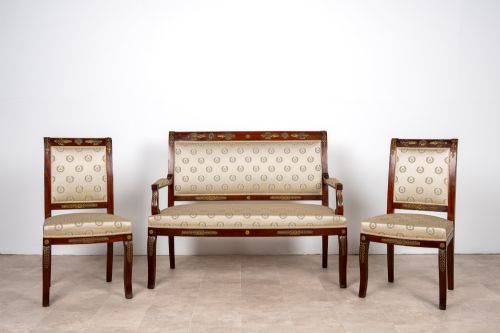
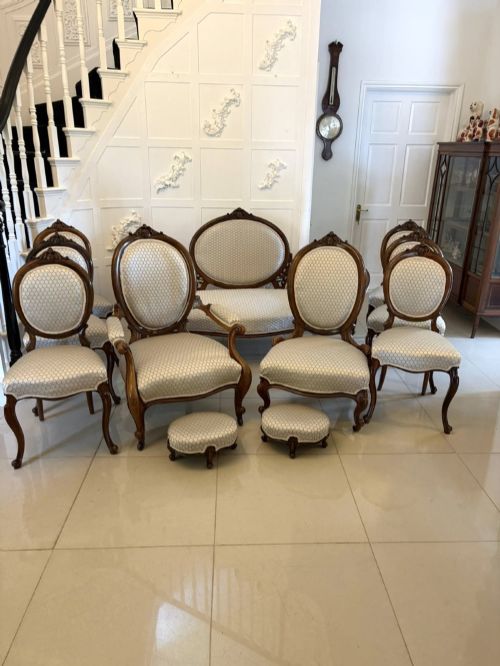
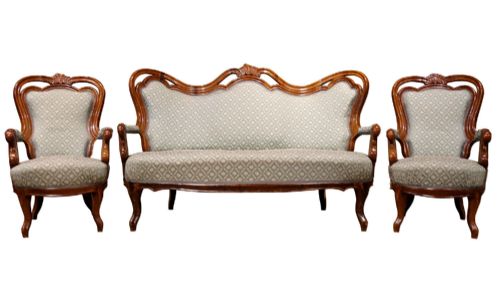
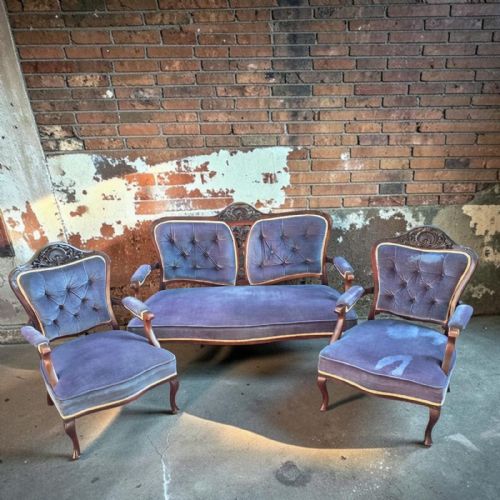
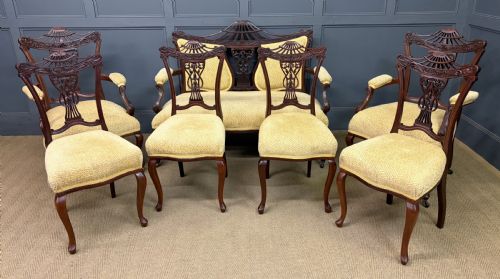
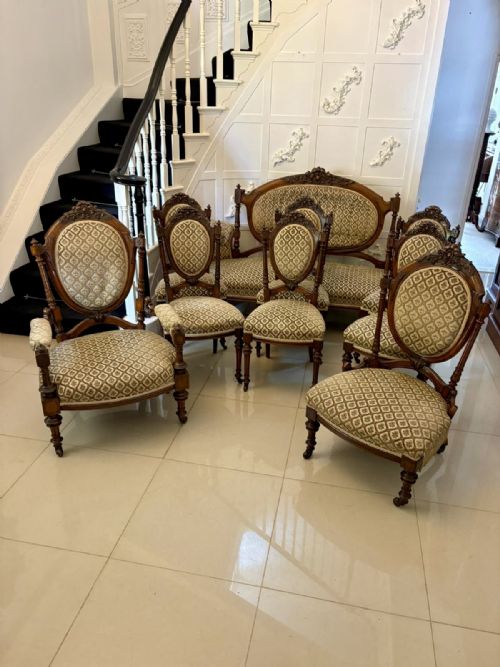
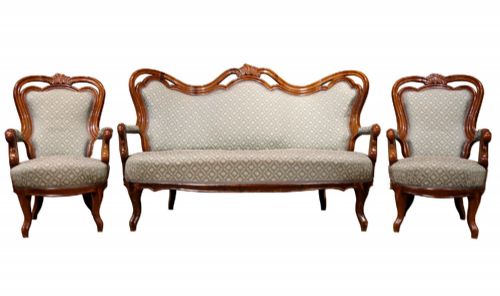
An antique parlour furniture set comprises matched groupings of seating and tables designed for formal reception rooms, ranging from compact three-piece arrangements to large multi-piece suites.
Most examples found on this page date from the nineteenth and early twentieth centuries, spanning Victorian, Edwardian, and Regency periods alongside various revival styles.
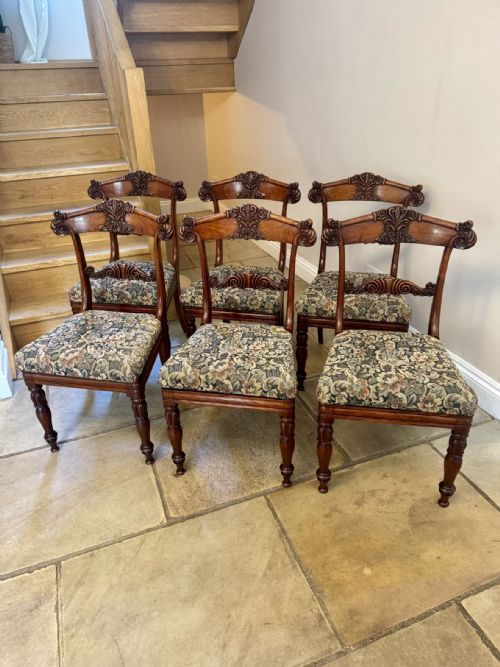
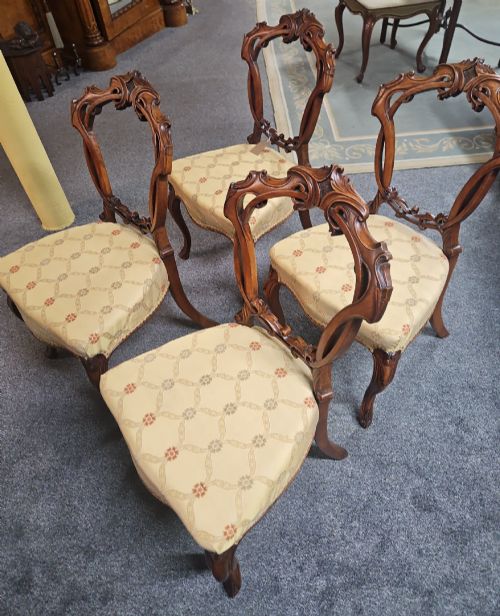
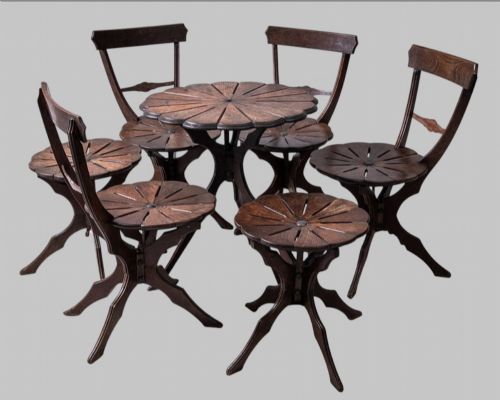
Forms include salon suites with settees and armchairs, sets of dining or side chairs, and occasional tables shaped by makers working in mahogany, walnut, rosewood, and oak.
How they were made
Cabinetmakers shaped dense timbers like mahogany, walnut, and rosewood into frames, often applying intricate hand carving, polished veneers, or inlaid contrasting woods.
Upholstered components relied on supportive fabric coverings such as velvet, silk, or textured textiles, sometimes secured with deep buttoning or brass details.
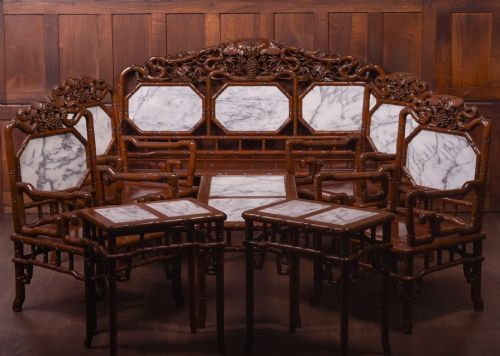
Specialised techniques varied from European French polishing and gilt wood finishing to Chinese hardwood joinery set with mother of pearl.
Antique Parlour Furniture Set Retail Price Guide 2026
Typical asking prices for parlour furniture set among the pieces listed under this phrase on Sellingantiques today, from the lower quarter to the upper quarter. They describe what is for sale here now, not the wider market.
Materials recorded across these suites include mahogany, walnut, rosewood, oak, burr birch, and brass.
What varies in quality
The standard of carving and timber selection dictates visual depth, separating simpler production pieces from exhibition quality suites shaped by skilled hands.
Cohesion across a multi-piece suite influences desirability, as matched sets retaining their original upholstery or timber finish maintain greater integrity.
Construction methods and the complexity of decorative inlays or structural turnings reflect the ambition of the workshop behind the suite.
Morison & Co of Edinburgh·Jas / James Shoolbred
The Antique Parlour Furniture Set Glossary
- Salon suite
- A matched grouping of upholstered seating designed for a formal drawing room. These typically include a settee paired with matching armchairs and side chairs.
- Balloon back
- A rounded, oval chair back resembling a balloon shape, popular during the Victorian era. This curved timber design provides ergonomic support while remaining visually light.
- Inlay
- A decorative technique where contrasting pieces of wood or other materials are inserted into recesses in the primary surface. Sheraton Revival pieces frequently utilise this method.
- Deep buttoning
- An upholstery technique where twine is pulled tight through padding and secured with buttons to create a diamond pattern. This method adds firmness and texture to backs and seats.
- Ebonised
- Timber treated with a dark finish to imitate ebony. This dark surface treatment appeared frequently on Aesthetic Period furniture.
Antique Parlour Furniture Set: Frequently Asked Questions
What pieces comprise a standard parlour suite?
A standard parlour suite typically contains a settee accompanied by a matching pair of armchairs or side chairs.
Larger configurations expand to include multiple side chairs, footstools, or occasional tables designed in the same stylistic idiom.
How do I care for antique wood and upholstery?
Keep wooden frames away from direct sunlight and sudden temperature changes to protect polished mahogany, walnut, or rosewood surfaces.
Vacuum upholstered velvet and textile fabrics gently with a soft brush attachment to remove dust without disturbing the fibres.
Where were parlour suites originally placed?
These matched sets were positioned in formal parlours, salons, or drawing rooms intended for receiving guests and hosting visitors.
Their cohesive design created a unified decorative scheme across all the seating and tables in the room.
Can I mix different wood types in a room?
Mixing woods is historically appropriate, as many period homes combined mahogany, walnut, and rosewood pieces.
Matching suites however ensure that the timber tone and decorative carving remain consistent within the specific seating arrangement.