



Antique Parlour Desk
An antique parlour desk brings distinct nineteenth-century domestic character to a room, offering a compact surface designed for correspondence and reading.
Antique Parlour Desk
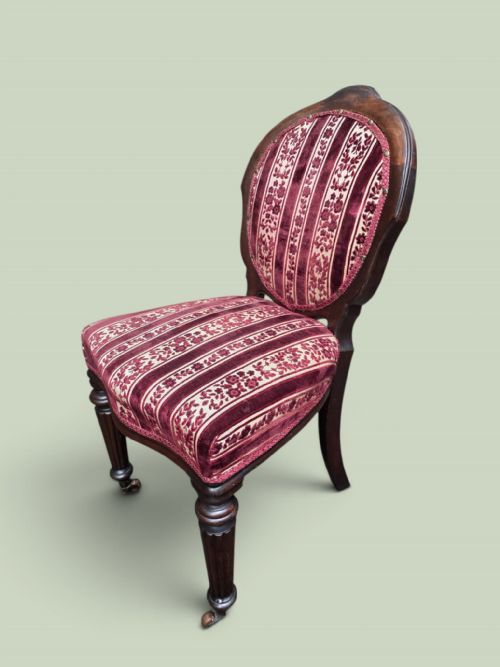
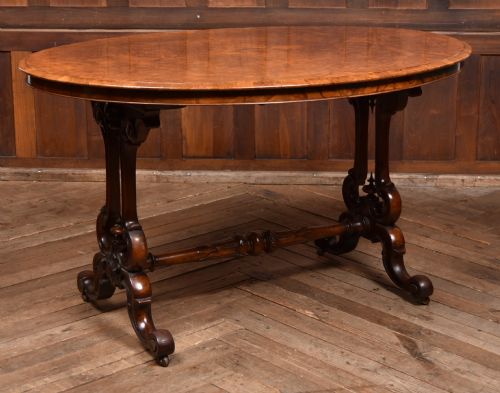
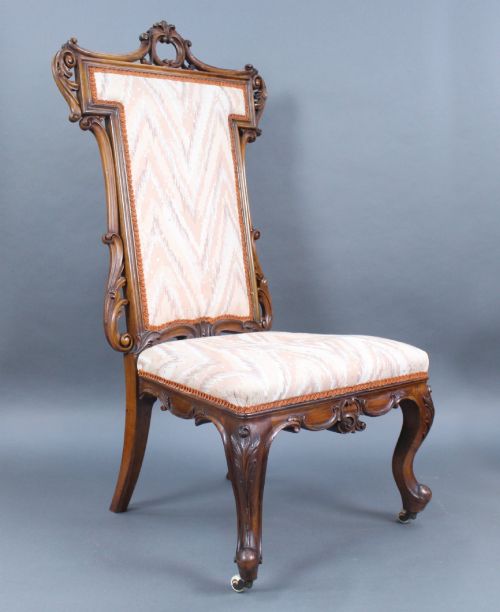
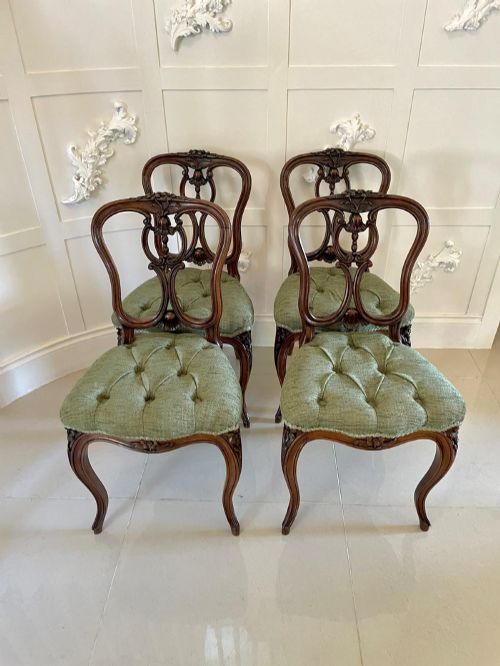
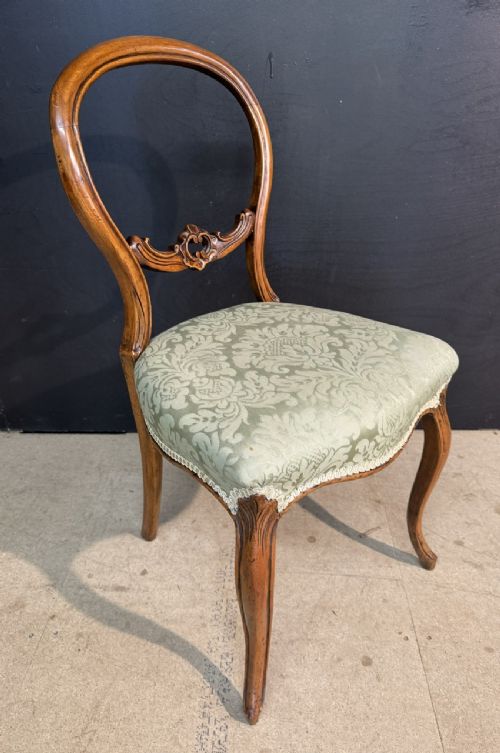
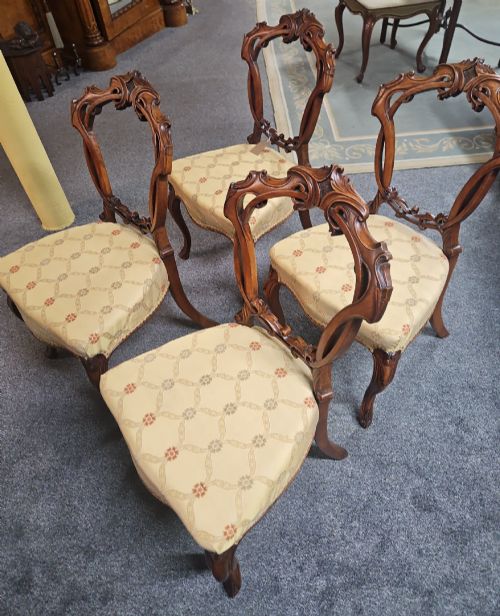
An antique parlour desk draws upon nineteenth-century forms such as occasional and salon seating, centre tables, library drum tables, and side tables that furnished period drawing rooms and reception spaces. These pieces reflect the domestic habits of the Victorian and Edwardian eras, where writing letters and managing household accounts took place in communal sitting rooms rather than private studies.
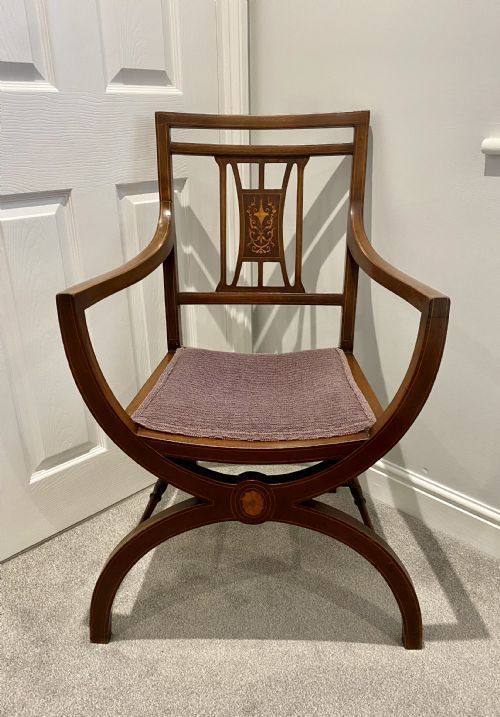
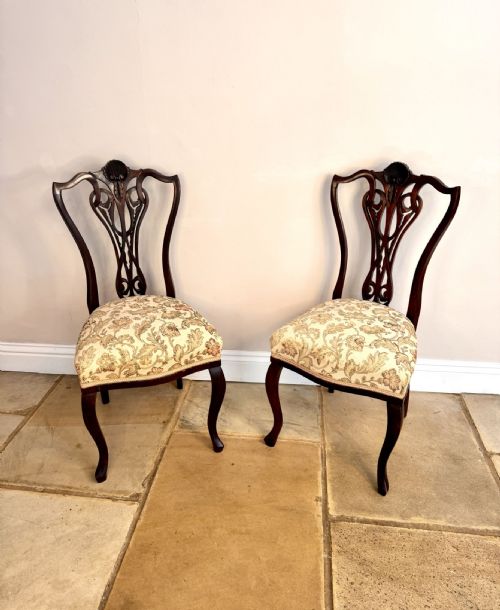
The items listed under this description encompass related parlour furniture including inlaid mahogany salon armchairs, rosewood side chairs, walnut occasional chairs, and marquetry centre tables. Buyers are most likely to encounter smaller tables and versatile seating designed to fit domestic interiors without overwhelming the floor plan.
Originating predominantly from Victorian and Edwardian workshops, these pieces showcase the transition from heavy mid-nineteenth-century rosewood and mahogany forms to lighter satinwood and inlaid Edwardian designs. Each item retains the functional purpose of a domestic writing or display surface tailored to the polite society of its period.
Materials and construction methods
Cabinet makers utilised dense hardwoods such as mahogany, walnut, rosewood, and satinwood to build sturdy carcases and frames capable of enduring daily household use. These timbers were frequently selected for their rich grain patterns and polished to a deep lustre.
Surface decoration often incorporated marquetry and silver or brass inlays, particularly on French-influenced centre tables and Edwardian salon pieces. Artisans also employed hand-carved cabriole legs and turned supports to define the silhouette of tables and chairs.
Upholstered elements on associated seating utilised traditional materials including fabric, velvet, and ormolu mounts to complement the polished timber frames. Joinery relied on time-tested techniques that ensured structural stability across decades of domestic service.
Antique Parlour Desk Retail Price Guide 2026
Typical asking prices for parlour desk among the pieces listed under this phrase on Sellingantiques today, from the lower quarter to the upper quarter. They describe what is for sale here now, not the wider market.
Distinctions in craftsmanship and finish
The division between standard production and superior craftsmanship rests upon the crispness of hand-carving and the precision of inlaid marquetry work. Finer examples display meticulous attention to detail in the execution of floral or geometric motifs across mahogany and satinwood surfaces.
Material selection dictates much of the inherent value, with dense, well-figured rosewood and richly patinated walnut commanding attention for their depth of colour. The retention of original upholstery fabrics and intact brass or ormolu mounts further separates untouched survivals from heavily altered pieces.
Jenks & Wood
The Antique Parlour Desk Glossary
- Marquetry
- Decorative veneer work applied in geometric or pictorial patterns using various tinted woods. This technique was frequently utilised on the tops of nineteenth-century centre tables.
- Cabriole leg
- A furniture leg that curves outward at the knee and inward at the ankle, ending in a simple foot. It appears commonly on Victorian walnut and mahogany seating.
- Ormolu
- Gilded bronze used for decorative mounts and furniture embellishments. It adds metallic contrast to dark rosewood and mahogany surfaces.
- Occasional chair
- A light, movable chair designed for placement around a parlour or drawing room. These pieces provide flexible seating options for guests.
Antique Parlour Desk: Frequently Asked Questions
How do I care for polished mahogany?
Dust regularly with a soft, dry cloth to prevent the accumulation of abrasive particles on the polished surface.
Apply a traditional beeswax polish sparingly every few months to nourish the timber and maintain its natural sheen.
Where should I place a centre table?
A centre table works best positioned in the middle of a room or as a prominent display surface against a wall. Ensure adequate clearance around the piece for movement and daily access.
Keep the timber away from direct heat sources and strong sunlight to prevent fading and veneer lifting.
Were these tables used for writing?
Many smaller tables and drum tables served multiple functions including letter writing, reading, and needlework within the parlour. The flat surfaces provided adequate space for portable writing slope accessories.
Drawers, where present, held stationery, inkwells, and correspondence materials close at hand.