


Antique Parlor Sideboard
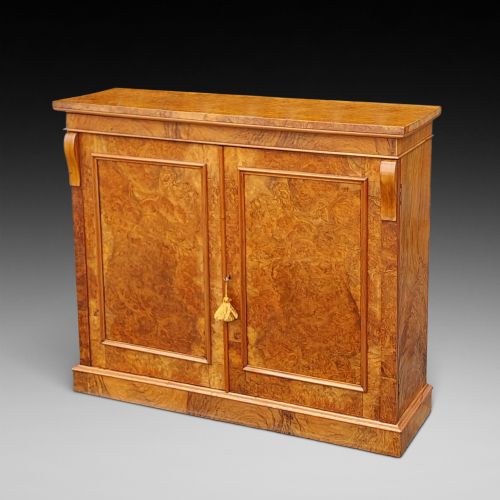
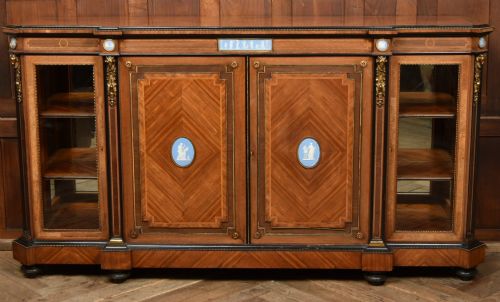
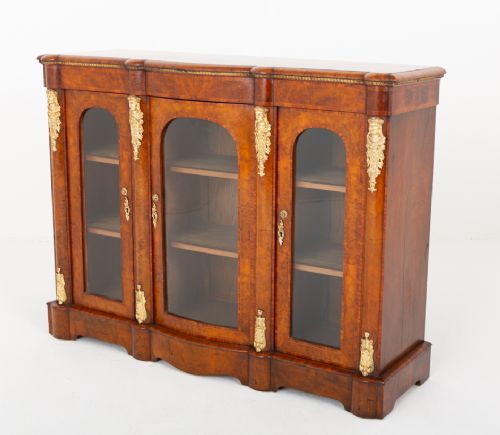
An antique parlor sideboard brings rich burr walnut, rosewood and mahogany into a room with the formal presence characteristic of Victorian and Edwardian interiors.
Antique Parlor Sideboard
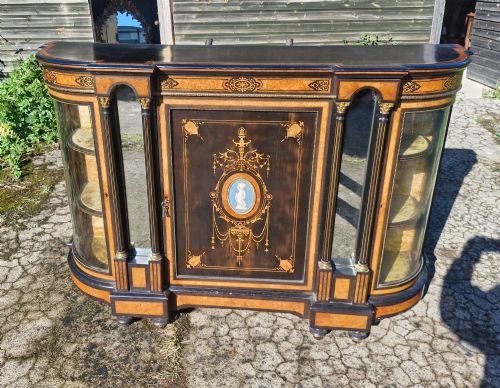
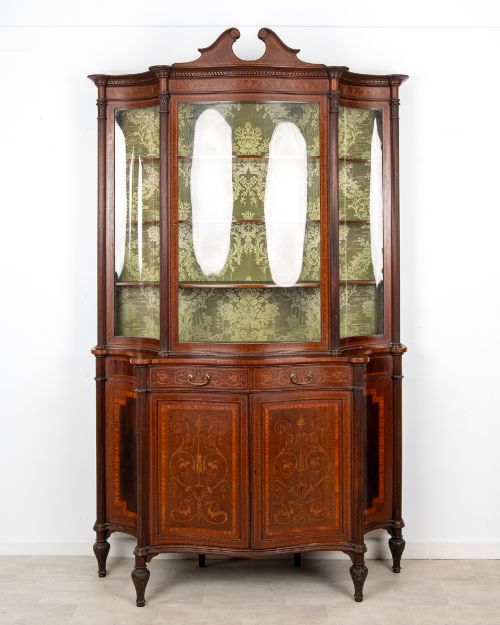
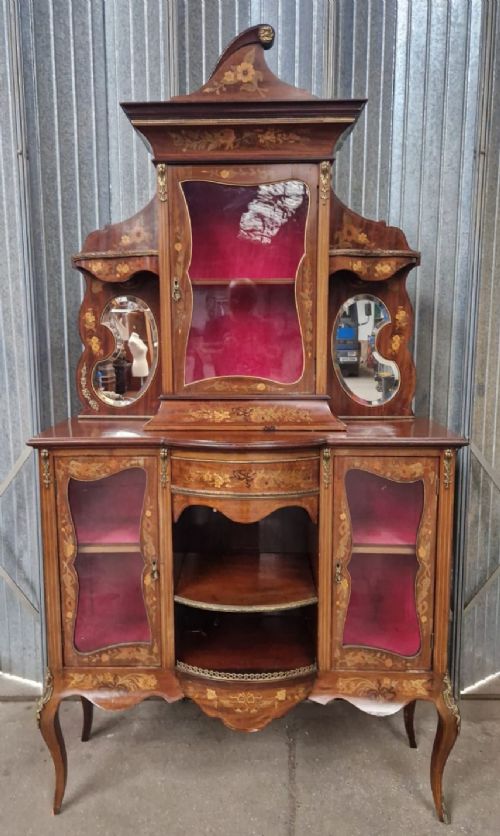
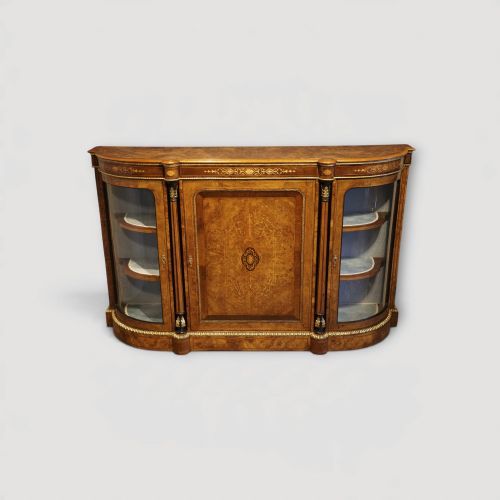
When you search for an antique parlor sideboard, you encounter formal entertaining furniture designed to anchor a Victorian or Edwardian interior. These pieces serve primarily as credenzas, display cabinets, side cabinets and chiffoniers.
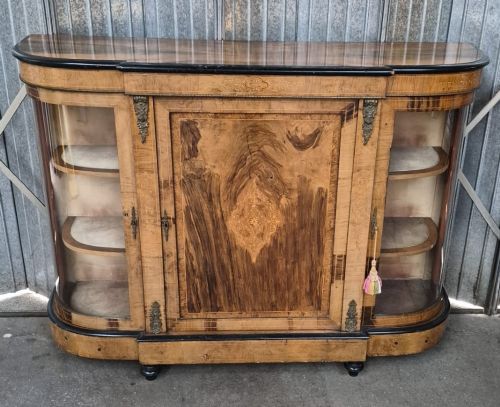
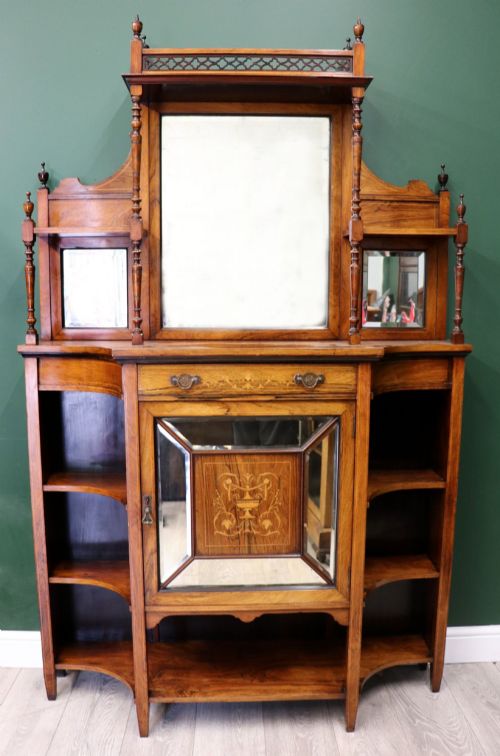
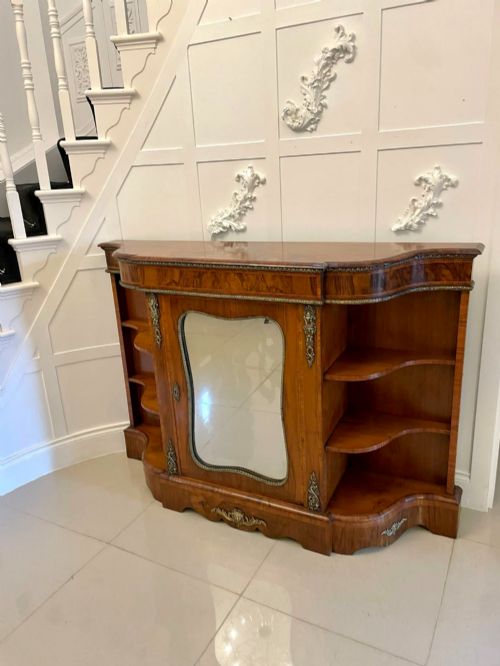
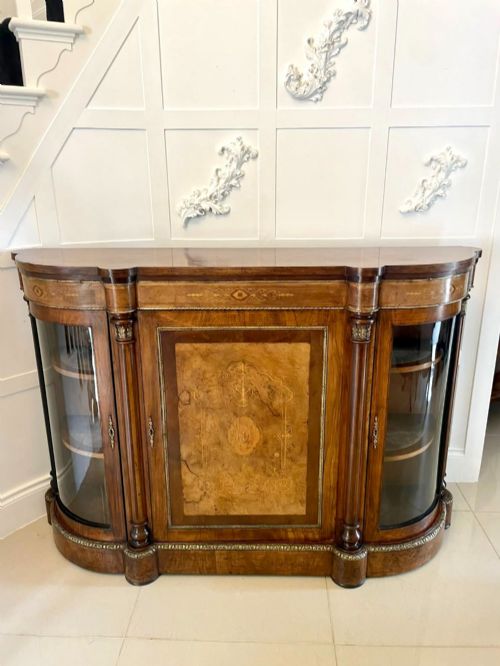
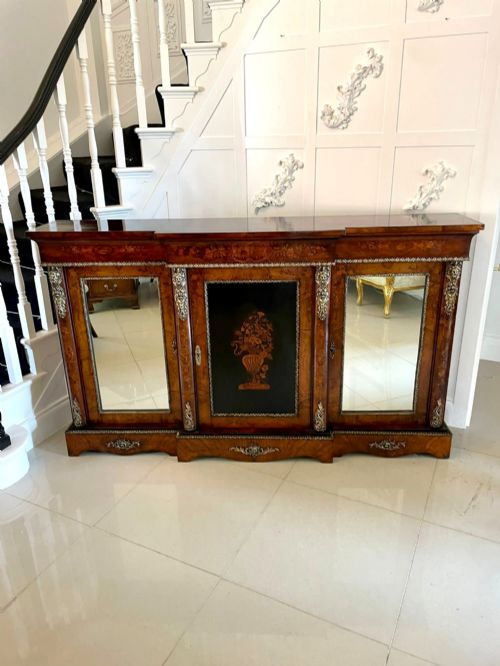
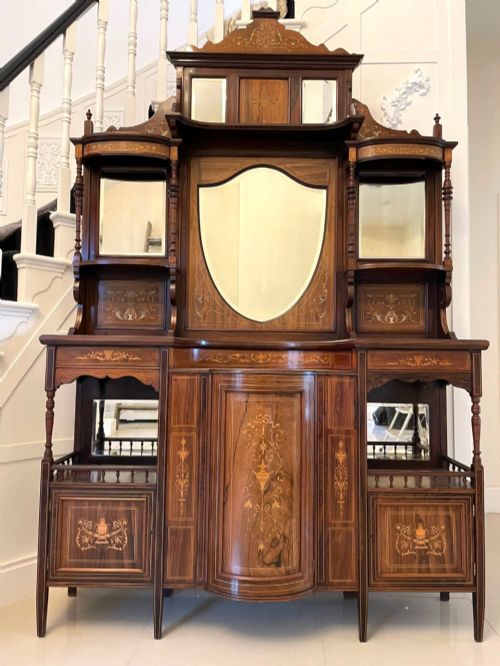
The versions you meet most frequently on this page date from the nineteenth century into the Edwardian era. Burr walnut and rosewood predominate, often shaped as low credenzas or mirrored back sideboards.
Makers constructed these cabinets for sophisticated reception rooms, combining display space for porcelain with enclosed storage for silver and linen.
Materials and construction methods
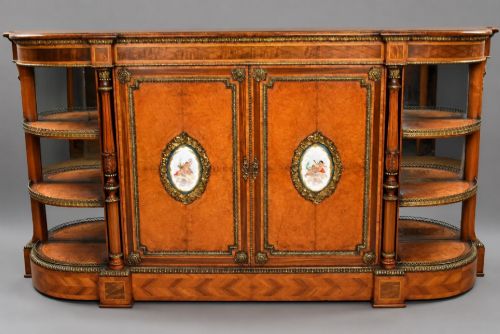
Cabinetmakers selected highly figured timbers such as burr walnut, rosewood and mahogany as the structural base for these formal parlour pieces. They applied intricate marquetry inlay in contrasting light woods to create elaborate floral and geometric panels.
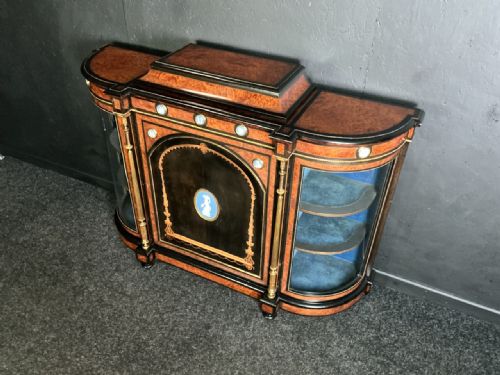
Ormolu mounts cast in brass provide structural enrichment around glazed doors and curved plinths, while bevelled mirror glass forms panelled backs. Selected examples incorporate ebonised finishes alongside traditional French polish to highlight the grain.
Antique Parlor Sideboard Retail Price Guide 2026
Typical asking prices for parlor sideboard among the pieces listed under this phrase on Sellingantiques today, from the lower quarter to the upper quarter. They describe what is for sale here now, not the wider market.
Design influences represented here include the Aesthetic Movement, French Revival and Sheraton Revival styles applied to credenzas and display cabinets.
Distinctions in craftsmanship
The distinction between standard cabinetwork and exhibition standard pieces rests upon the complexity of the timber selection and the precision of the marquetry. Finely figured burr walnut veneers matched symmetrically across curved doors indicate superior workshop practice.
Heavy cast ormolu mounts that retain crisp definition distinguish the most ambitious furniture from simpler production. The integration of functional interior elements, such as fitted secretaire drawers, elevates the standing of a credenza.
Maple and Co·Garnett and Sons
The Antique Parlor Sideboard Glossary
- Credenza
- A low cabinet for formal reception rooms, usually featuring glazed central doors flanked by curved side cupboards. This form serves as a primary alternative to the traditional sideboard.
- Marquetry
- The art of forming decorative patterns using thin veneers of contrasting timber and shell. Craftsmen applied these intricate designs across the primary doors and friezes.
- Ormolu
- Gilt bronze ornamentation mounted onto furniture surfaces. These cast metal mounts accent the corners and borders of fine Victorian cabinets.
- Chiffonier
- A compact sideboard or low cabinet equipped with enclosed lower cupboards and often a raised shelf back. They provide practical storage in formal sitting rooms.
- Burr Walnut
- Timber taken from the gnarled growth of a walnut tree, yielding a swirling, highly decorative grain. It forms the primary decorative surface on the finest Victorian examples.
Antique Parlor Sideboard: Frequently Asked Questions
What is an antique parlor sideboard?
An antique parlor sideboard is a formal nineteenth or early twentieth-century cabinet designed for entertaining spaces. These pieces combine display surfaces with enclosed storage for household silver and linens.
Craftsmen built them using rich timbers like burr walnut and mahogany, frequently incorporating glass doors and mirrored backs. They represent the height of Victorian and Edwardian interior reception furniture.
How do I date a credenza?
Dating relies upon examining the timber choices, construction techniques and stylistic movements associated with the piece. Mid-nineteenth-century examples often feature heavy burr walnut and ormolu mounts, whilst later Edwardian pieces show lighter satinwood inlay and Sheraton revival influences.
Cabinet backs, drawer linings and hinge types provide further physical evidence for assigning a decade of manufacture between eighteen fifty and nineteen hundred.
Where were these cabinets placed?
Original placement was strictly within the formal ground-floor reception rooms of Victorian and Edwardian homes. Parlors and drawing rooms utilised these sideboards to display decorative ceramics alongside fine glassware.
The reflective mirror backs and glazed compartments were specifically intended to amplify natural light and showcase prized possessions during social gatherings.
Are these sideboards suitable for modern dining rooms?
These cabinets adapt readily to contemporary dining spaces by providing functional surface area and deep internal shelving. Their enclosed cupboards accommodate modern tableware while the upper surfaces serve for serving or display.
Placing them in a modern interior anchors the room with traditional nineteenth-century craftsmanship and warm burr walnut tones.