


Antique Park Furniture
Antique park furniture brings enduring structure to lawns and terraces through robust ironwork and weathered timber.
Antique Park Furniture
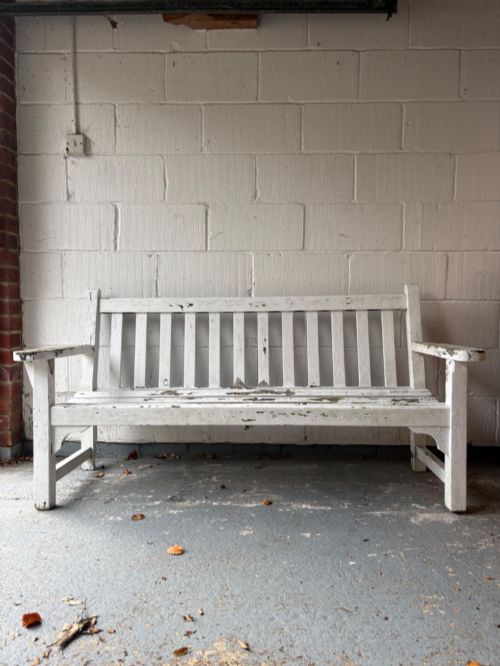
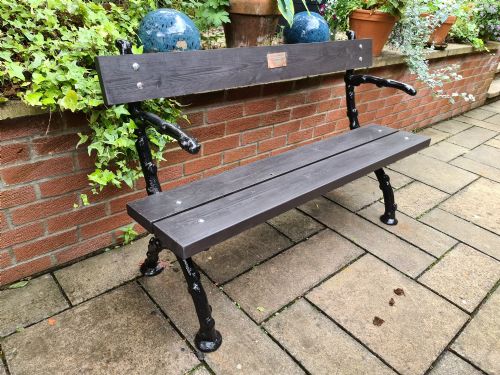
Antique park furniture encompasses sturdy garden benches, seats, and armchairs designed for civic and domestic grounds. These pieces range from substantial multi-seater garden benches to matched pairs of armchairs suitable for patios and lawns.
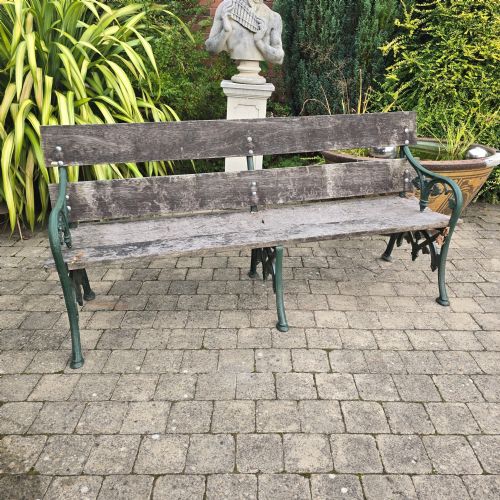
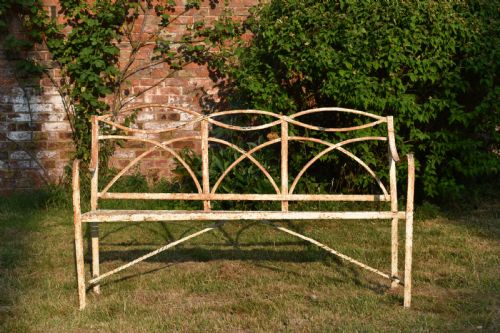
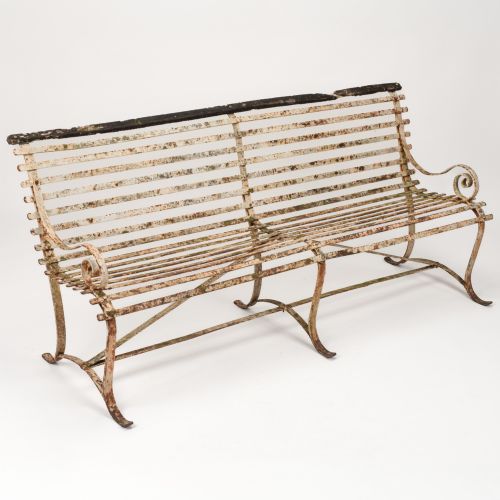
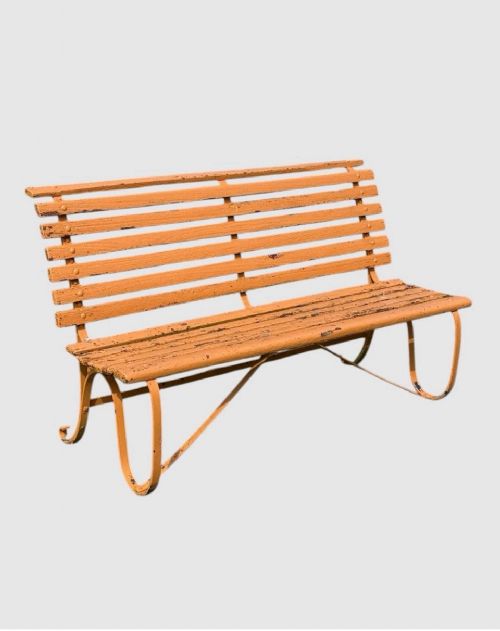
The most common examples on this page are cast iron and wrought iron benches originating from the nineteenth century. Buyers frequently encounter strapwork designs alongside rustic timber forms with metal supports.
Origins stretch across English country styles and French country aesthetics, with specific pieces bearing regional foundry patterns. Functional seating remains the primary form, spanning single seats up to large four-seater garden furniture sets.
What varies in quality
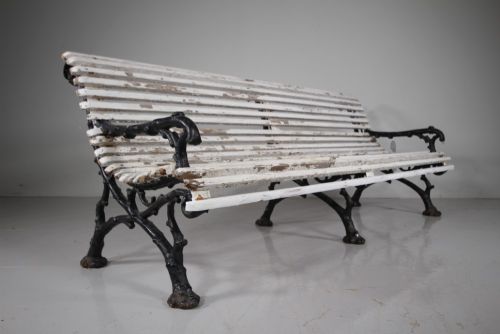
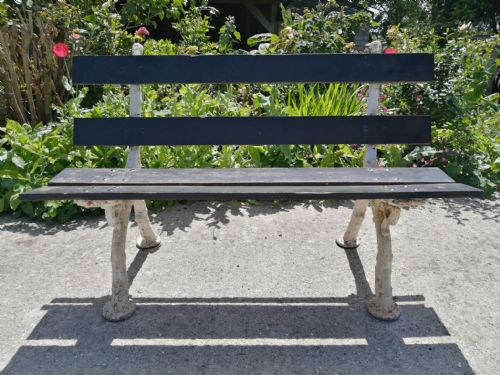
The distinction between ordinary and exceptional park furniture lies in the crispness of the foundry work and the complexity of the iron design. Elaborate strapwork, sculptural faux bois texturing, and named foundry patterns denote superior execution.
Originality of components and the depth of weathering on timber dictate the desirability of a piece. Retaining matched pairs or complete sets elevates the standing of an item far above single, altered examples.
Antique Park Furniture Retail Price Guide 2026
Typical asking prices for park furniture among the pieces listed under this phrase on Sellingantiques today, from the lower quarter to the upper quarter. They describe what is for sale here now, not the wider market.
Several benches retain memories of distant clubs, bearing traces of polo fields and Victorian lawns where games finished as the sun lowered.
Coalbrookdale·Val D osne
The Antique Park Furniture Glossary
- Strapwork
- Flat metal bands interlaced in geometric or rhythmic patterns across the backrests of iron garden seats. This technique provides structural rigidity while maintaining a light visual appearance.
- Faux bois
- A decorative technique where metal or concrete is moulded and painted to imitate natural wood branches and bark. Victorian foundries utilised this style heavily for rustic garden furniture.
- Weathered teak
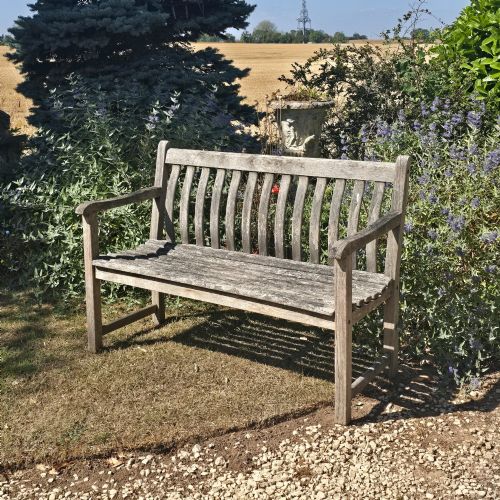
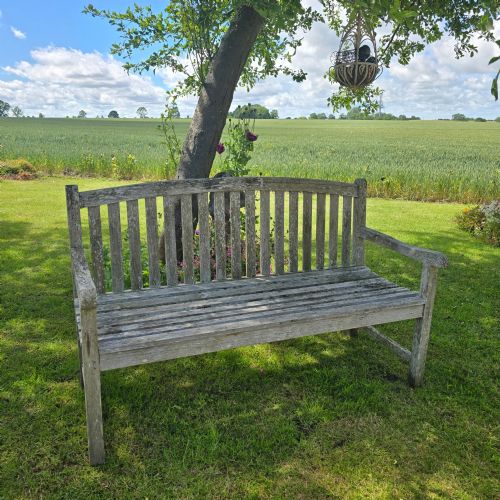
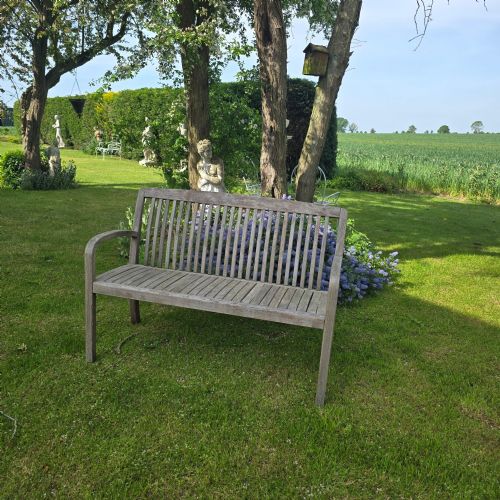
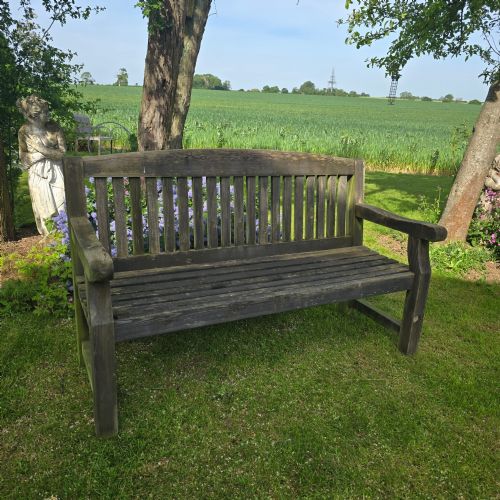
- Hardwood timber exposed to the elements over decades, acquiring a silvery grey patina. This material resists decay while showing the natural grain structure.
- Cast iron
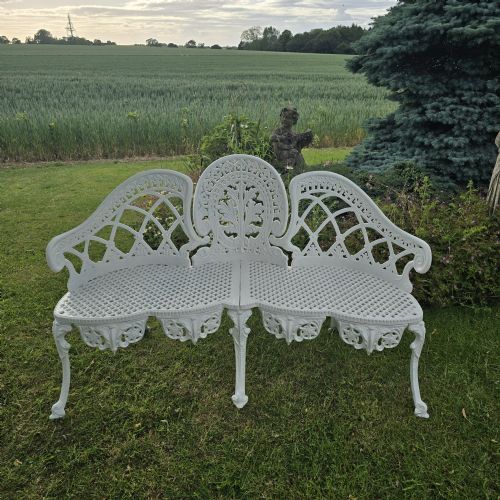
- Molten iron poured into a sand mould to form rigid components with detailed ornamentation. It allows for mass production of complex Victorian scrollwork and structural bench ends.
Antique Park Furniture: Frequently Asked Questions
How do I care for antique garden furniture?
Keep metal frames clean and treat timber surfaces with appropriate oils if you wish to preserve the current tone. Allow protected storage during harsh winter months to prevent unnecessary weathering of vulnerable joints.
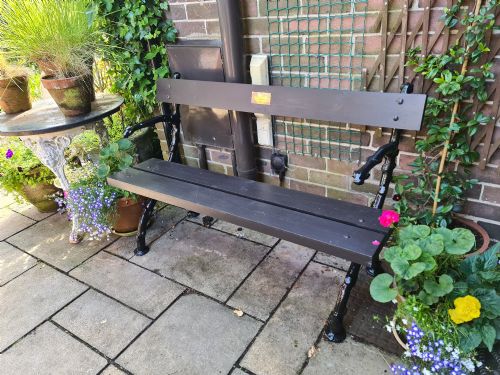
Inspect structural bolts periodically to ensure the wooden slats remain securely fastened to the cast iron supports. Natural patinas on metal and wood generally require minimal intervention beyond gentle washing.
Are these benches comfortable to sit on?
Many nineteenth-century designs prioritise structural durability and decorative form over ergonomic contours. Wrought iron strapwork flexes slightly, while wooden slatted seats offer a firmer sit.
Adding loose cushions provides extra comfort for prolonged seating on formal terrace benches or garden armchairs. Most historical examples were built with supportive back angles suited to upright outdoor repose.
Can antique park furniture stay outside year round?
Cast iron, wrought iron, and teak withstand outdoor climates effectively due to their inherent material resilience. Historic pieces often benefit from shelter during extreme frost or persistent dampness to protect aged fixings.
Ground contact should be managed by placing stone or paving beneath bench feet to prevent moisture absorption. Regular inspection ensures that outdoor exposure does not compromise original timber or metal integrity.
How do I identify Victorian iron garden benches?
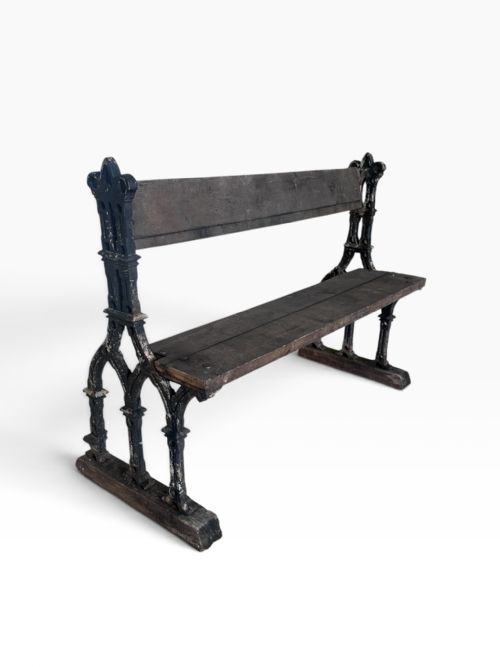
Victorian examples typically feature heavy cast iron frames decorated with gothic tracery, naturalistic foliage, or geometric strapwork. Foundries of this era often incorporated maker details or registered design marks directly into the metalwork.
Construction methods involve traditional bolts and hand-forged elements rather than modern welding. The weight of the metal and the complexity of the casting patterns distinguish these nineteenth-century pieces.