

Antique Paris Painting
An antique paris painting captures cityscapes and rural scenes through the lens of nineteenth-century French studios, bringing historic streetscapes and romantic subjects into your home.
Antique Paris Painting
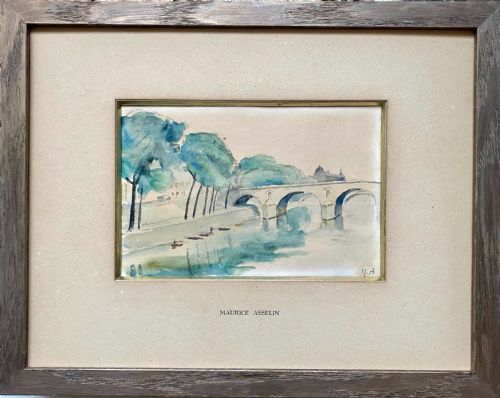
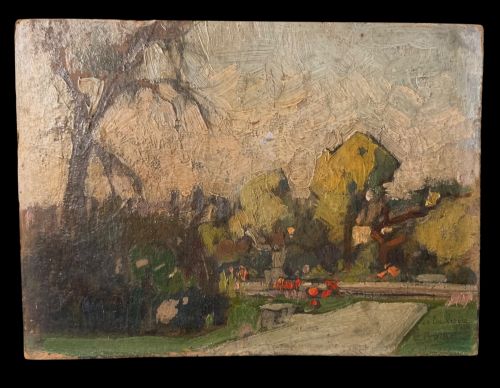
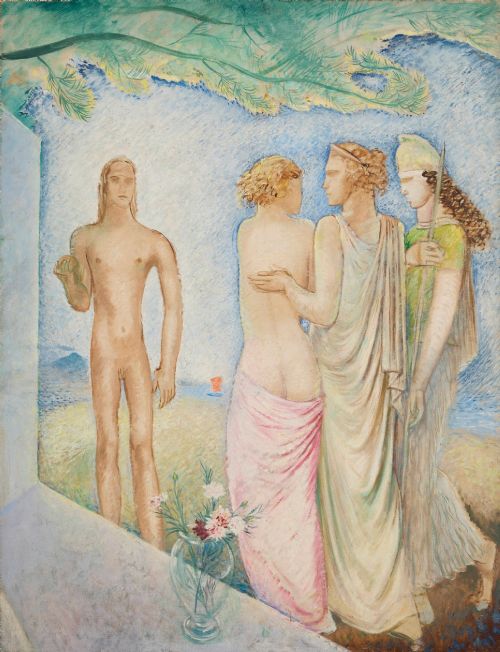
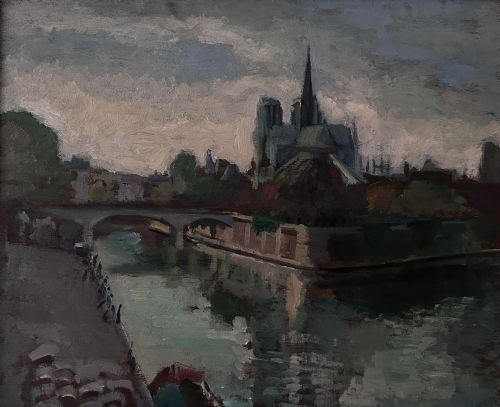
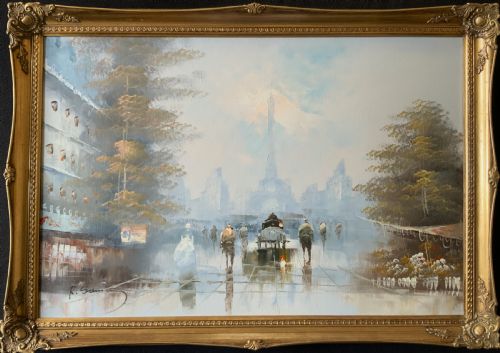
An antique paris painting encompasses oil on canvas, oil on board, and watercolour works originating from French creators and workshops active during the nineteenth and early twentieth centuries. Collectors encounter streetscapes depicting landmarks such as Notre Dame and Montmartre, alongside romantic genre scenes and landscapes touched by Impressionism and the Barbizon School.
The pieces on this page range from intimate cabinet paintings to framed cityscapes dated across the Georgian, Victorian, and later periods. Works often reflect the stylistic influences of French Empire and Rococo Revival movements, demonstrating the varied output of painters working in the French capital.
Materials and Methods
Painters utilised oil on canvas and oil on board, building pigment layers to capture natural light and atmospheric depth in cityscapes and figure studies. Watercolour was also employed for detailed genre scenes on paper.
Framing often involved carved and gilded wood to complement the pictorial style of the period, while wooden paintboxes and artist equipment reflect the physical craft of the working studio.
Antique Paris Painting Retail Price Guide 2026
Typical asking prices for paris painting among the pieces listed under this phrase on Sellingantiques today, from the lower quarter to the upper quarter. They describe what is for sale here now, not the wider market.
Listings feature oil on canvas and oil on board mediums spanning the nineteenth and early twentieth centuries.
Distinctions in Quality
The standard of a work rests upon the handling of light, brushwork confidence, and the artist's ability to render architectural perspective or human expression with clarity. Stronger examples display precise draughtsmanship and harmonious colour palettes that hold the viewer's attention across the composition.
Provenance and signature clarity further elevate certain pieces, particularly those linked to recognised Salon exhibitors or established European schools. Lesser examples may show weaker compositional balance or routine execution without the specific observation found in superior works.
Paul Désiré Trouillebert·Alexander Jamieson·Victor Gabriel Gilbert·Eduard Leon Cortes
The Antique Paris Painting Glossary
- Barbizon School
- A nineteenth-century French movement focused on realism in landscape painting, emphasising direct observation of nature. Artists associated with this group worked outdoors to capture natural light.
- Impressionism
- A nineteenth-century art movement characterised by relatively small, thin, yet visible brush strokes and an open composition. It emphasises accurate depiction of light in its changing qualities.
- Genre painting
- The pictorial representation of scenes from everyday life, typically depicting ordinary people in domestic settings or engaged in common activities. These works provide social history through visual art.
- Oil on canvas
- A painting technique where pigment suspended in drying oils is applied to a stretched canvas support. This medium allows for rich colour blending and textured application.
- Salon
- An official art exhibition held in Paris, sponsored by the Académie des Beaux-Arts. Exhibition in this venue marked professional standing for nineteenth-century artists.
Antique Paris Painting: Frequently Asked Questions
What subjects appear most often in these paintings?
These works frequently show Parisian street scenes, architectural landmarks like Notre Dame, and intimate figures in natural settings.
Artists also recorded rural French landscapes and genre subjects reflecting daily life during the nineteenth and early twentieth centuries.
How should I care for an oil painting?
Keep paintings away from direct sunlight and fluctuating temperatures to prevent canvas distortion and pigment degradation.
Dust the surface gently with a soft, dry brush and avoid using liquid cleaners on the paint or frame.
How do I identify the period of a work?
Dating relies on stretcher construction, canvas types, framing styles, and signature characteristics typical of specific decades.
Comparing the artist's recorded active years helps place the piece within the nineteenth or twentieth-century timeline.
Where were these pieces originally displayed?
Many works were created for private collections, domestic interiors, or public exhibitions held in official French salons.
Artists often produced cityscapes and landscapes for collectors visiting Paris during the Belle Epoque.