



Antique Paper Profile
An antique paper profile captures a life in plain line and shadow, offering a direct encounter with faces from the eighteenth and nineteenth centuries.
Antique Paper Profile
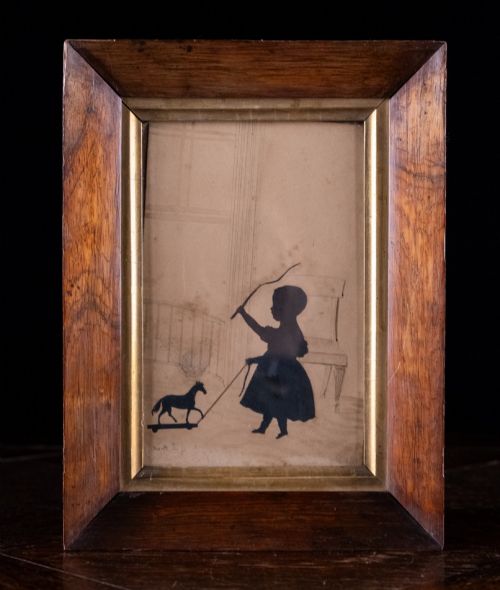
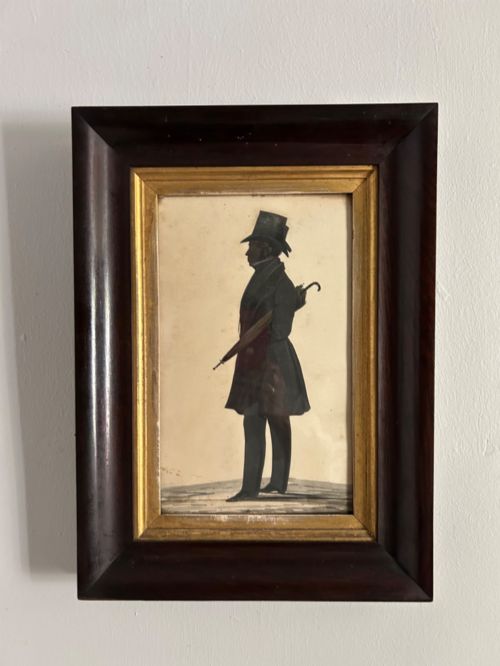
An antique paper profile most commonly takes the form of a silhouette portrait, cut by hand from dark paper or painted directly onto card. These works emerge from the eighteenth and nineteenth centuries, spanning Georgian elegance, Regency restraint, and Victorian domestic life.
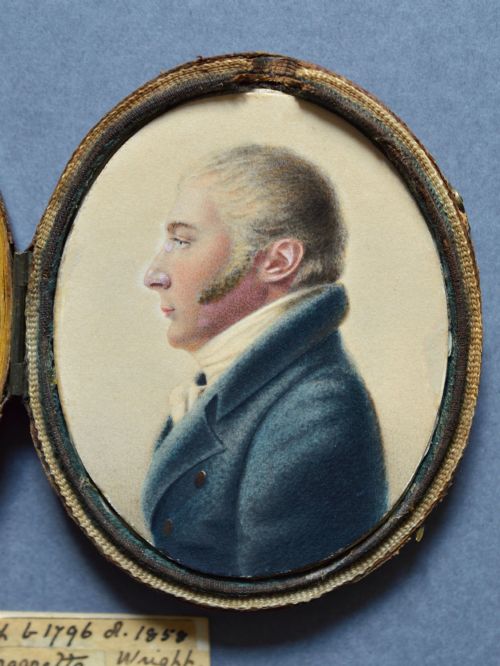
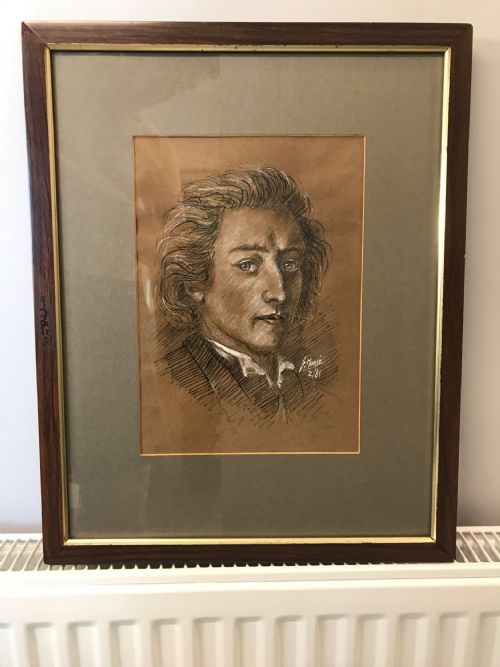
Beyond single figures of gentlemen and ladies, the selection includes conversation pieces, full-length studies with animals, and detailed watercolours or ink drawings on paper. Framed usually in wood, brass, or maple, they preserve intimate likenesses meant for domestic walls.
The material surface carries the maker's hand, whether through delicate scissors work, applied gold leaf highlights, or precise graphite and ink washes. Each piece records a distinct personal history, often identified with named sitters or attributed to known profile artists.
How they were made
Makers shaped these portraits using fine black paper cut with small scissors or knives, mounted onto a pale background to heighten the contrast of the profile. Artists then added details such as hair strands, collars, and lace using ink, watercolour, or gold leaf.
Support materials consist primarily of paper, card, and wood, housed behind glass within ebonised wooden frames, carved Florentine frames, or brass bezels. Graphite, charcoal, and gouache also appear as primary media for drawn profiles and miniature watercolours.
Antique Paper Profile Retail Price Guide 2026
Typical asking prices for paper profile among the pieces listed under this phrase on Sellingantiques today, from the lower quarter to the upper quarter. They describe what is for sale here now, not the wider market.
What varies in quality
Provenance and documentation influence the standing of a profile, particularly when signed by known practitioners or bearing contemporary inscriptions on the reverse. The preservation of the paper against toning and foxing dictates the visual strength of the image.
Augustin Edouart·Frederick Frith·John Smith of Edinburgh·Nathaniel Bermingham
The Antique Paper Profile Glossary
- Silhouette
- A portrait profile filled in with a solid dark colour, usually black, showing only the outline of the subject. It is named after Étienne de Silhouette, a French finance minister.
- Hollow-cut
- A silhouette technique where the profile is cut out from a white paper mount, which is then placed over a dark background so the portrait appears in relief.
- Bronzing
- The application of gold leaf or metallic paint to highlight details such as buttons, jewellery, and hair upon a dark paper silhouette.
- Conversation piece
- An informal group portrait showing family members or companions interacting in a domestic or outdoor setting, frequently rendered as silhouettes.
- Foxing
- Brown spots and discolouration caused by chemical reactions in ageing paper over decades of exposure to humidity and light.
Antique Paper Profile: Frequently Asked Questions
How do I hang antique silhouettes safely?
Keep paper profiles away from direct sunlight to prevent the ink and paper from fading over time. Use stable interior walls where humidity remains steady.
Ensure the frame hangs securely from picture wire rather than resting on simple hooks. Professional framing with acid-free backing protects the fragile paper inside.
How can I tell the period of a silhouette?
Costume details, hairstyles, and headdresses offer the clearest clues to dating, such as Regency bonnets, high collars, or Victorian lace. Eighteenth-century examples often feature powdered hair and elaborate Georgian coats.
Frame styles and backing papers also provide chronological markers. Old handwritten inscriptions on the reverse frequently confirm the date and identity of the sitter.
What is a conversation piece silhouette?
A conversation piece depicts multiple people engaged in a shared activity or gathering, rather than a single formal portrait. These elaborate compositions often include children, furniture, and pets.
Cut from paper and arranged within a single frame, they tell a narrative story about domestic life. Such multi-figure works required significant skill from the profile artist.