

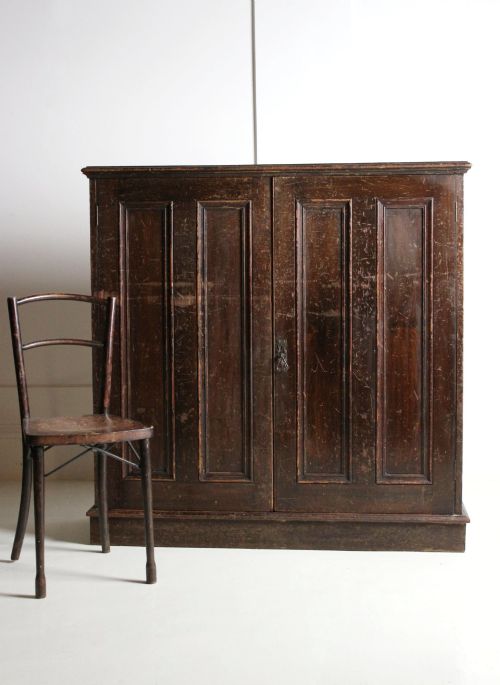
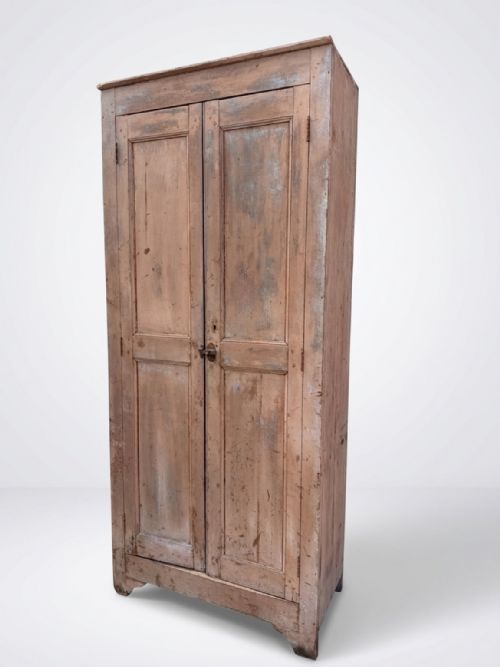
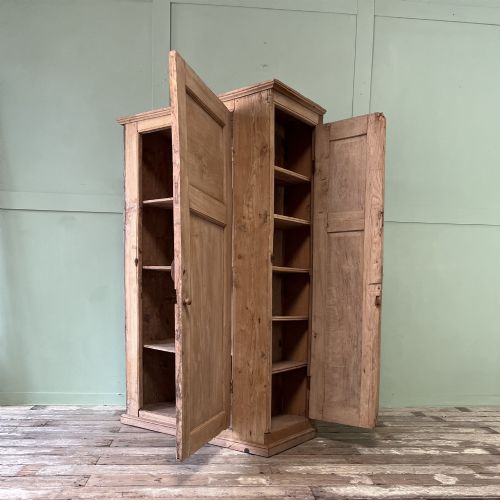
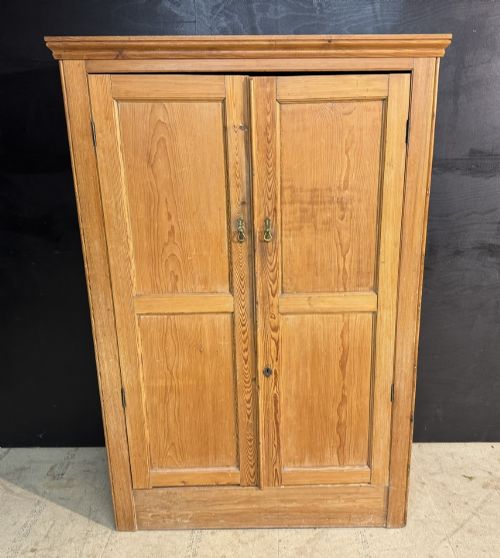
Antique Pantry Cabinet
An antique pantry cabinet brings functional domestic storage into modern rooms, drawing on centuries of vernacular kitchen design.
Antique Pantry Cabinet
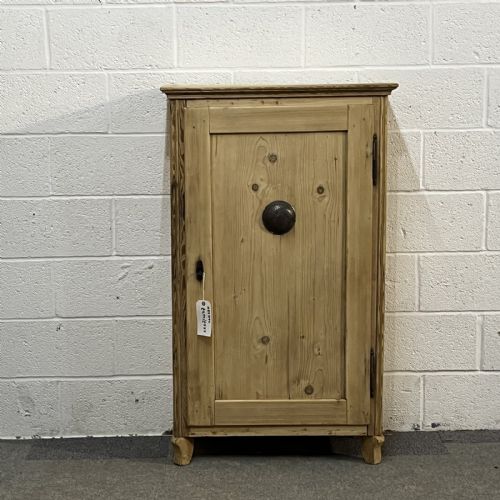
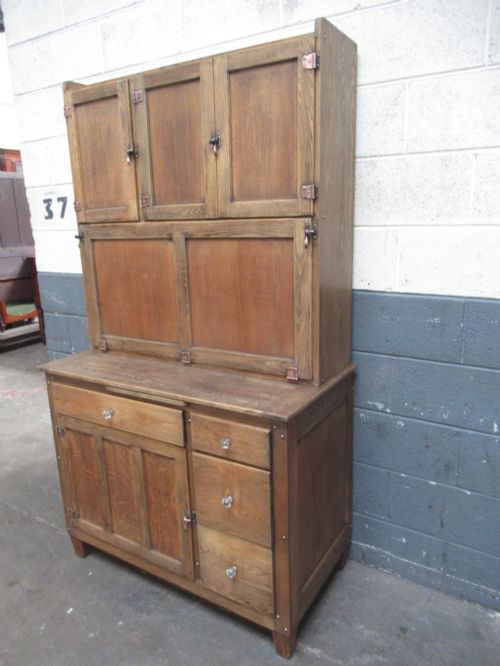
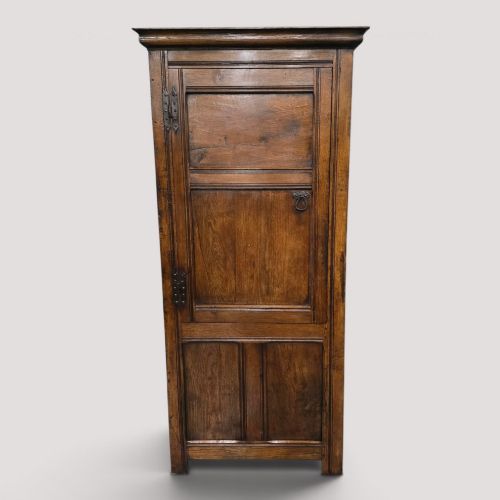
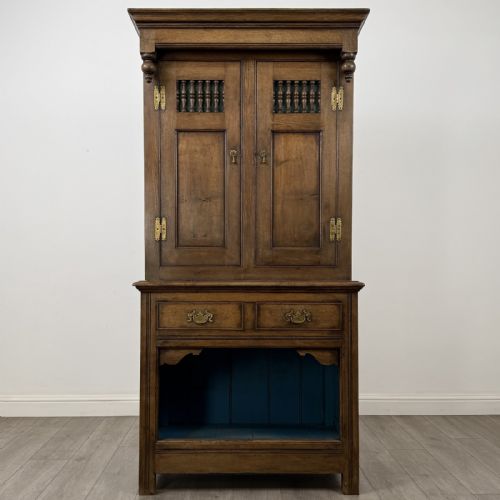
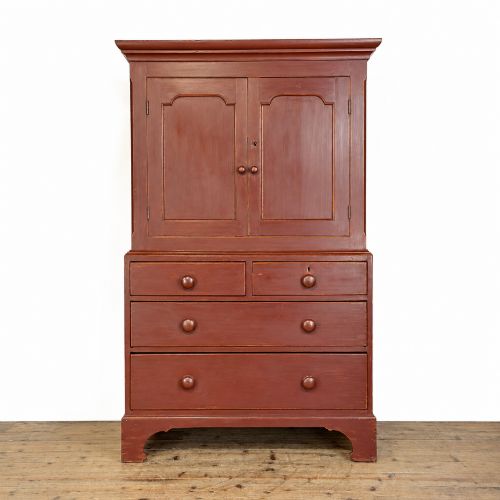
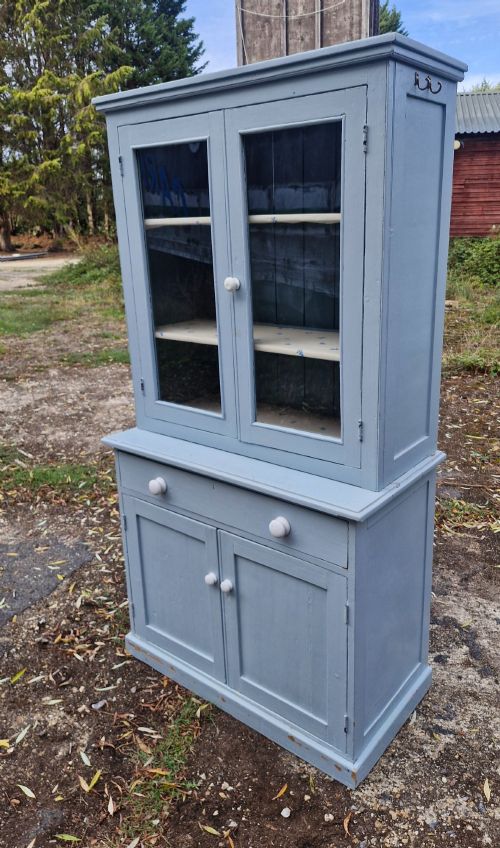
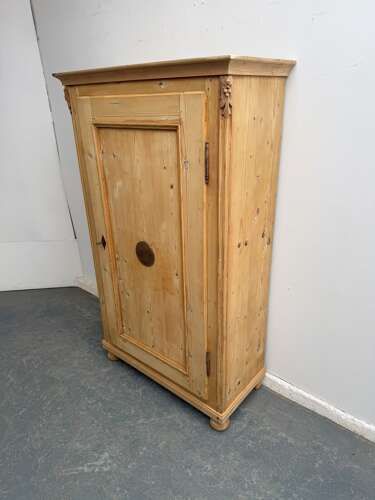
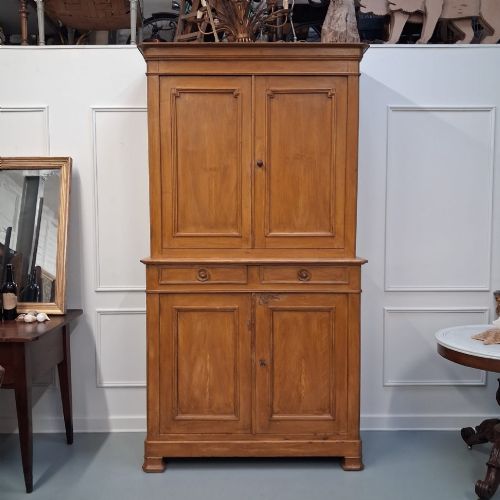
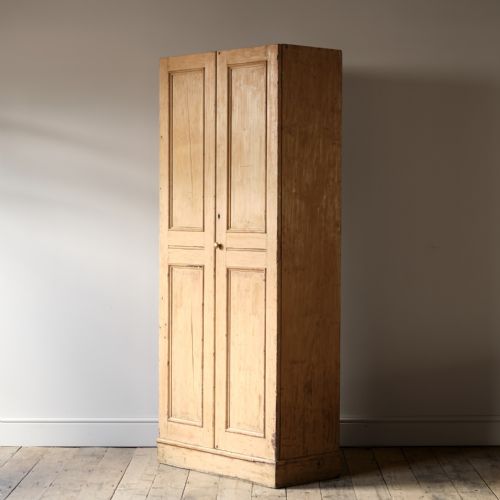
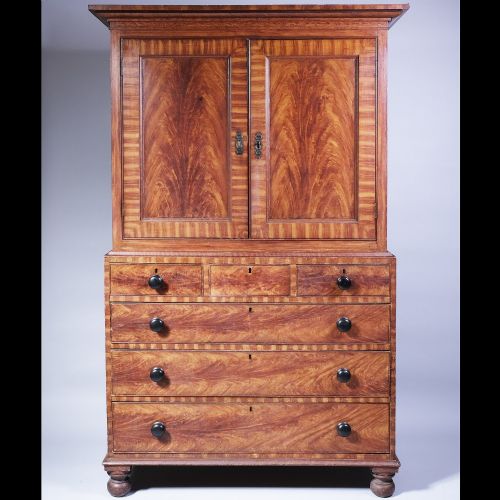
When you search for an antique pantry cabinet, you encounter vernacular furniture designed to store provisions, dry goods, and kitchen utensils before modern refrigeration. These pieces range from substantial housekeeper's cupboards to single-door food cupboards and larder cabinets.
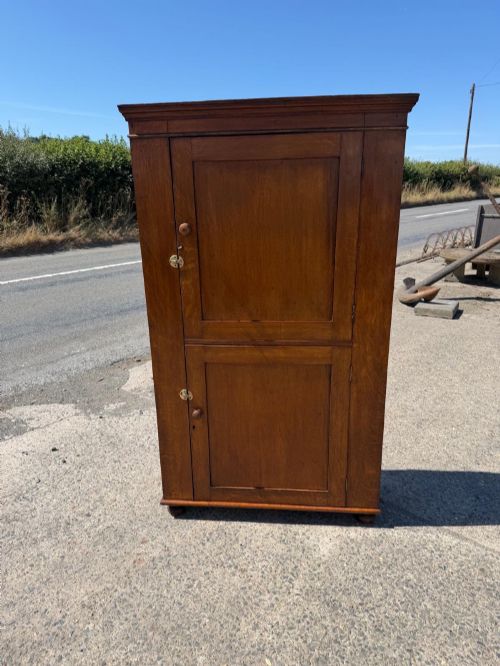
The versions most common on this page date from the nineteenth century and the Victorian era, constructed predominantly in pine, oak, and elm. Many reflect regional traditions including French provincial, Scandinavian country, Welsh vernacular, and Georgian country styles.
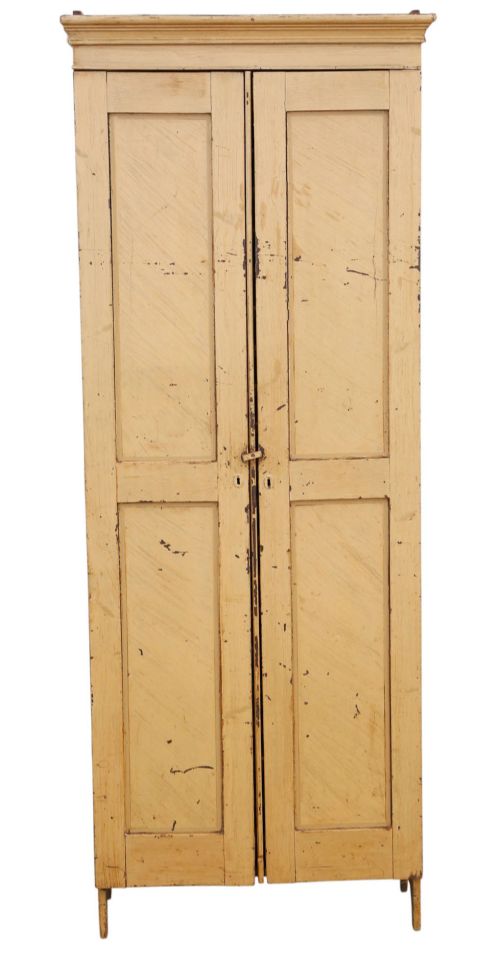
Form follows utility, resulting in tall narrow formats, two-door storage cupboards, and vented designs meant to keep food cool and aired. These cabinets served in kitchens, larders, and hallways to organise daily domestic provisions.
Materials and construction methods
Makers relied heavily on solid pine, oak, elm, and mahogany, utilising local timber suited to regional workshops. Surfaces frequently show original paint, scumble finishes, or plain wood prepared for waxing.
Hardware incorporates iron and brass hinges, latches, and pulls that secure heavy timber doors on foundational elements like bun feet or straight plinths.
Antique Pantry Cabinet Retail Price Guide 2026
Typical asking prices for pantry cabinet among the pieces listed under this phrase on Sellingantiques today, from the lower quarter to the upper quarter. They describe what is for sale here now, not the wider market.
Current listings feature nineteen-century pine and Victorian painted housekeeper's cupboards alongside Georgian elm and Edwardian kitchen cabinets.
Assessing quality in pantry cabinets
The distinction between standard utility furniture and superior pieces rests on the choice of timber and the integrity of original surface treatments. Cabinets retaining original paintwork or scumble finishes command greater interest than stripped or repeatedly repainted examples.
Structural refinement marks the upper tier, visible in well-proportioned cornices, fielded panel doors, and robust internal shelving designed to support heavy provisions. Regional variations and specific vernacular details, such as carved pillar panels or early elm construction, elevate certain pieces above standard utilitarian storage.
Hudson Bros
The Antique Pantry Cabinet Glossary
- Housekeeper's cupboard
- A large storage cabinet traditionally used by domestic housekeepers to store linens, dry goods, and tableware. These pieces often feature multiple doors and drawer configurations.
- Scumble paint
- A decorative surface finish applied to timber to imitate the grain of more expensive woods or to create a mottled, textured appearance. This technique was popular on nineteenth-century country furniture.
- Fielded panel
- A wooden panel with bevelled or raised edges fitted into a frame. This construction method allows the wood to expand and contract with humidity changes without cracking.
- Bread and cheese cupboard
- A regional vernacular food cupboard traditionally used for storing dairy and bakery provisions. These cabinets often feature perforated or vented panels for air circulation.
Antique Pantry Cabinet: Frequently Asked Questions
What is an antique pantry cabinet used for?
These cabinets originally served to store food, dry goods, utensils, and household linens in domestic kitchens and larders. In modern homes, they function well as kitchen larders, linen cupboards, or general storage furniture.
Their deep shelves and compartmentalised interiors accommodate tableware and provisions while adding traditional character to a room.
How do I tell different periods apart?
Eighteenth-century examples often utilise heavy timbers like elm and oak with simpler, robust vernacular construction. Victorian and nineteenth-century pieces frequently feature pine construction, sometimes with painted finishes, bead moulding, and vented doors.
Twentieth-century iterations, including early twentieth-century pieces, introduce specialised hardware and fitted interior compartments derived from evolving kitchen designs.
Were these cabinets originally painted?
Many country and provincial cabinets were painted in period finishes such as cream paint, scumble glazes, or simple lead-based pigments to protect the pine and brighten dark kitchens. Surviving original paint surfaces provide important evidence of a piece's age and regional origin.
Unpainted pine versions were often intended to be waxed or periodically scrubbed clean by domestic staff.
How do I maintain an old pine cupboard?
Keep wooden cabinets away from direct heat sources and dramatic humidity fluctuations to prevent the timber from splitting or warping. Dust regularly with a dry cloth and apply a traditional beeswax polish sparingly to maintain the finish.
Avoid harsh modern chemical cleaners, particularly on pieces with surviving historic paint or scumble surfaces.