
Antique Panelled Seat
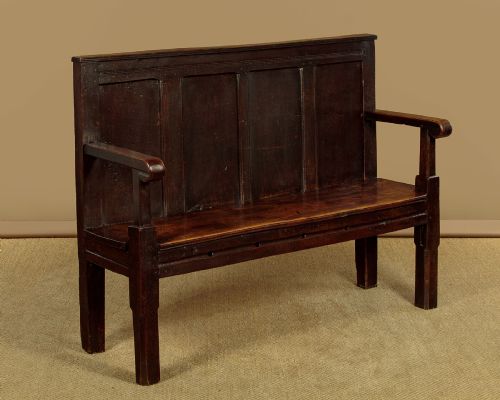
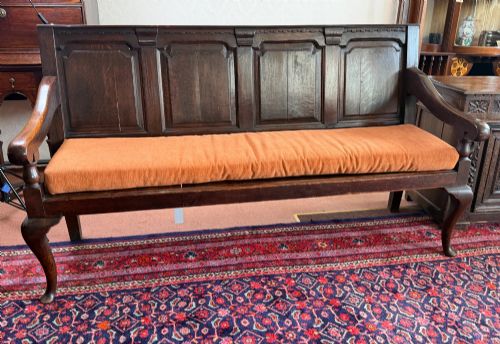
An antique panelled seat offers solid timber construction and historic character, bringing genuine period presence into a hallway or living space.
Antique Panelled Seat
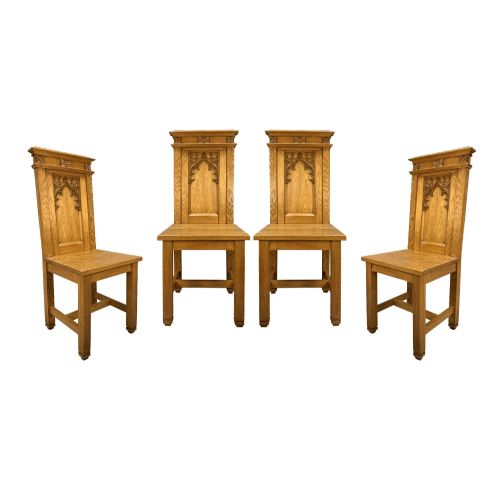
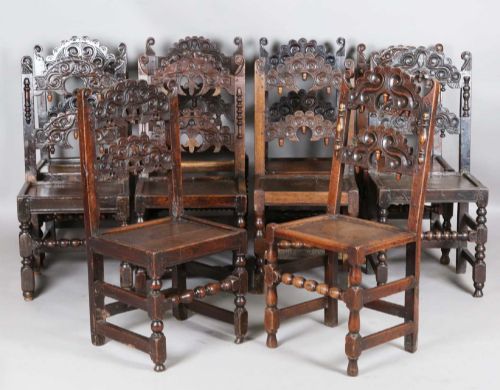
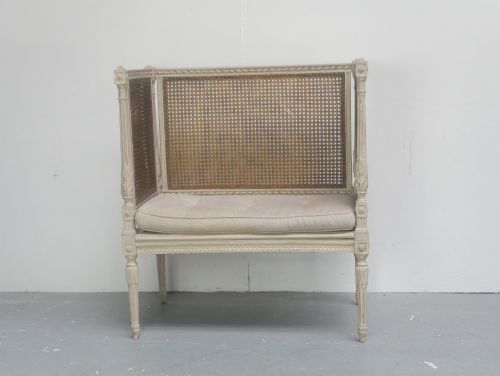
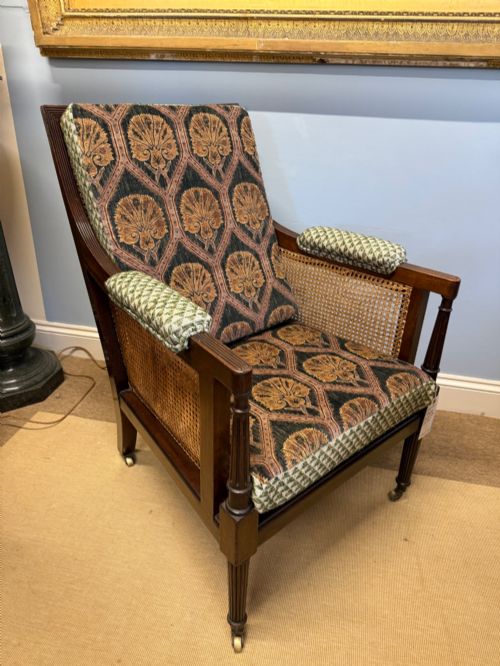
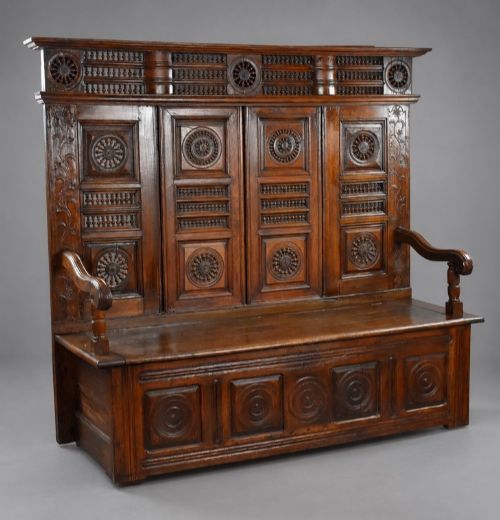
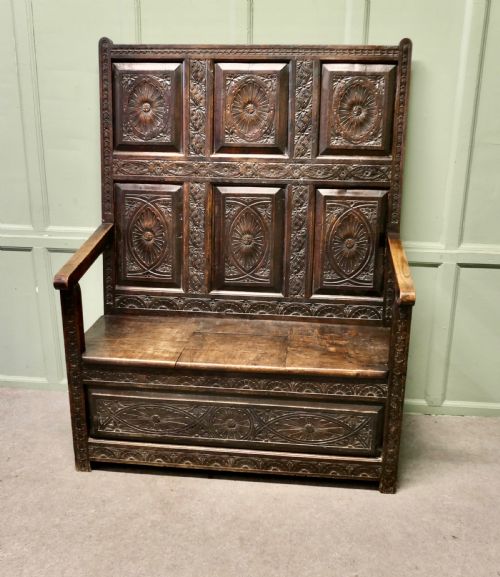
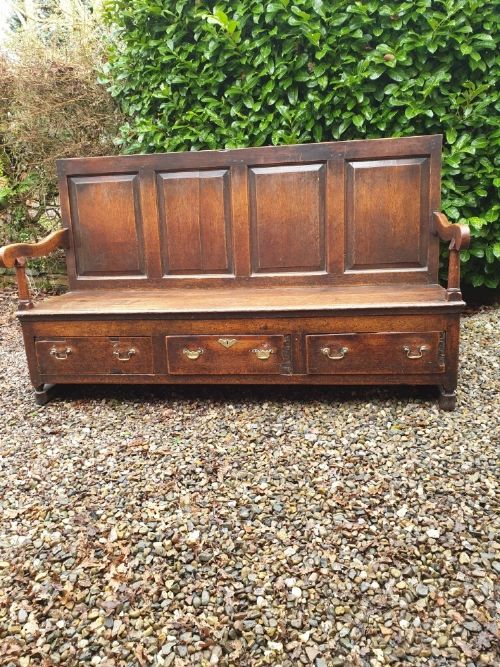
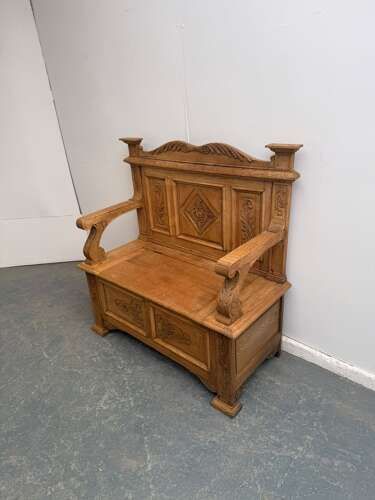
An antique panelled seat brings traditional joinery and sturdy seating together, encompassing forms from high-backed settles to wainscot armchairs and hall benches. When searching for an antique panelled seat, buyers frequently encounter heavy timber framing designed to withstand centuries of daily use in domestic and public settings.
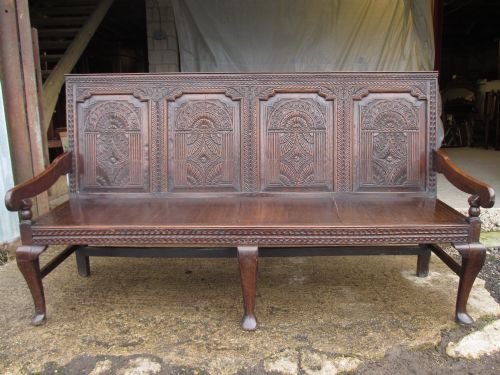
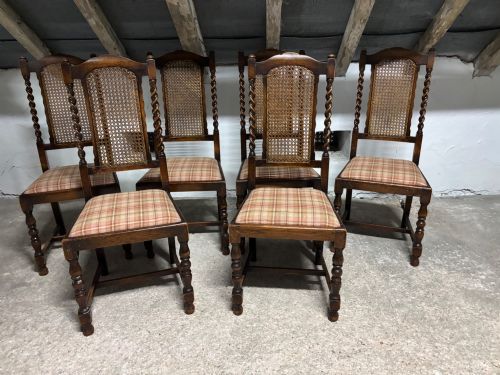
The selection ranges widely across periods, drawing heavily from seventeenth and eighteenth-century origins alongside later revival pieces. Domestic examples include country house box settles, panel-backed windsor chairs, and oak benches featuring pegged joints and boarded backs.
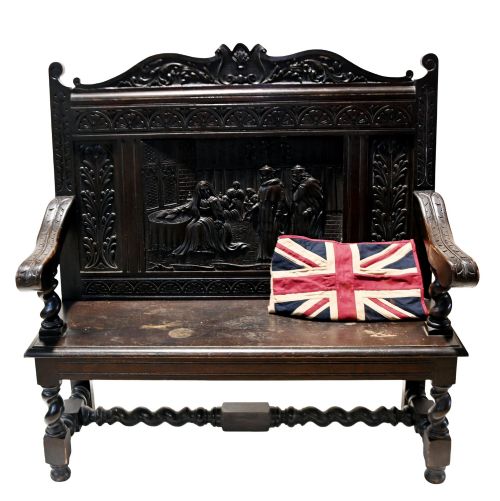
Regional variations appear across English vernacular pieces, incorporating carved panels, tulip decoration, and enclosed storage bases. These items served practical purposes in draughty hallways and chimney corners long before modern furniture was mass-produced.
Materials and Construction Methods
Solid oak dominates the construction of these pieces, supported by regional timbers such as ash, pine, and walnut in later or provincial examples. Cabinet makers utilised frame-and-panel construction to accommodate the natural seasonal movement of timber without splitting the main structure.
Traditional joinery relied upon mortise and tenon joints secured with wooden pegs rather than metal fastenings. Secondary materials such as brass, cane, leather, and iron hardware appear on specific chairs, while wax finishes protect the historic wood surfaces.
Early box settles doubled as indoor storage bins for winter blankets and dry firewood.
Distinctions in Quality and Preservation
The integrity of the original timber framing and the extent of surviving surface patina determine the standing of an individual piece. Retaining original board seats, period panels, and authentic peg construction marks out examples of higher merit.
Proportion and carving depth also separate standard provincial work from finer artisan output. Pieces that maintain their structural stability without excessive timber replacement or unsympathetic restoration hold greater authority for a collector.
The Antique Panelled Seat Glossary
- Settle
- A wooden bench with a high back, solid arms, and often an enclosed box base designed to block draughts in older homes. This form represents one of the primary seating types found in early domestic interiors.
- Wainscot chair
- A heavy wooden armchair constructed using panel-joinery techniques common in the sixteenth and seventeenth centuries. These seats display rigid upright backs and solid timber arms.
- Box settle
- A variation of the settle featuring a hinged seat lid that opens to reveal storage space underneath. This dual-purpose furniture kept household items tidy while providing hearthside seating.
- Patina
- The surface sheen and mellow colour developed by wood over centuries through handling, waxing, and ageing. A desirable patina indicates genuine age and continuous use.
- Frame-and-panel
- A method of wooden construction where a central floating panel sits within a grooved outer frame. This technique allows the wood to expand and contract safely with changes in humidity.
Antique Panelled Seat: Frequently Asked Questions
How do I care for an antique oak settle?
Maintain a stable room temperature away from direct heat sources and radiators to prevent the dry timber from splitting. Apply a traditional beeswax polish periodically to nourish the wood surface and preserve the natural sheen.
Avoid using modern liquid cleaners or silicone sprays which can damage historic finishes. Gentle dusting with a dry cloth keeps the carved panels clear without wearing away the patina.
What is the difference between a settle and a pew?
A settle is domestic furniture constructed with solid wooden panels, enclosed arms, and frequently a high back or box base designed for household warmth. A pew originated in ecclesiastical settings such as churches or chapels, featuring longer bench seating intended for congregations.
While church pews can be adapted for domestic hallways, traditional settles retain specific design traits meant for domestic comfort and draught exclusion.
Where should I place a panelled seat in my home?
These substantial seats function well in entrance halls, boot rooms, or large living spaces where their architectural backs can be appreciated. Ensure there is adequate wall clearance and floor space to accommodate the high upright structure and solid arms.
Positioning the seat away from direct sunlight protects vulnerable wood surfaces and maintains the original tone of the timber.
How can I tell a seventeenth-century piece from a later revival?
Early pieces exhibit tool marks from hand-cleaved timber, irregular peg placement, and authentic wear patterns built up over generations of use. Revival items produced during the nineteenth or twentieth centuries often display mechanical saw marks and more uniform construction methods.
Examining the underside, joints, and the inner boards helps verify whether the construction aligns with the recorded period.