





Antique Pan Candlestick
An antique pan candlestick brings centuries of practical domestic lighting into modern rooms through heavy cast brass and pewter forms.
Antique Pan Candlestick
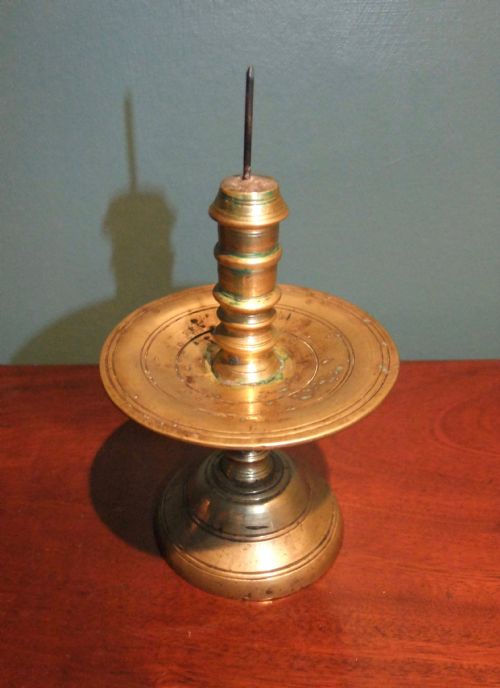
When searching for an antique pan candlestick, collectors encounter chambersticks, low pan holders, and candle sticks spanning the seventeenth century to the twentieth century. These domestic lighting pieces feature wide saucer bases designed to catch dripping wax while carrying a flame through a house.
The versions most commonly met on this page are nineteenth-century brass chambersticks alongside earlier seventeenth-century and eighteenth-century examples in cast brass, bell brass, and pewter. Formats range from simple single-socket designs to multi-branch candelabras incorporating silver metal and crystal.
Regional origins diversify the selection, taking in English Stuart pieces, French provincial items, and Dutch baroque brasswork. Each specimen reflects the domestic habits and metalworking standards of its specific period.
Materials and construction methods
Makers relied heavily on cast brass, bell brass, and pewter to form the durable pans and sockets required for daily lighting. Metal was poured into moulds and finished by hand, creating substantial weight in seventeenth-century and eighteenth-century examples.
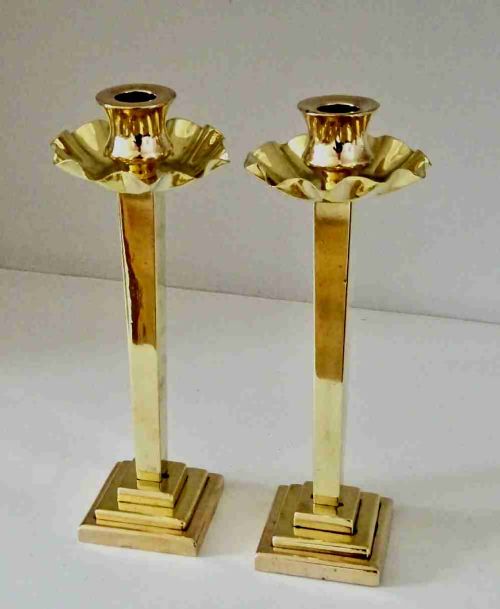
Later Victorian and early twentieth-century pieces utilise solid brass and fitted bases, sometimes paired with glazed stoneware or ceramic components as seen in Royal Doulton productions. Silver metal and crystal combinations appear in more decorative French five-branch candelabras.
Antique Pan Candlestick Retail Price Guide 2026
Typical asking prices for pan candlestick among the pieces listed under this phrase on Sellingantiques today, from the lower quarter to the upper quarter. They describe what is for sale here now, not the wider market.
Materials documented across the inventory include cast brass, bell brass, pewter, glazed stoneware, silver metal, and crystal.
Distinguishing quality in pan candlesticks
Quality rests upon the integrity of the casting and the original thickness of the metal pan. Heavy bell brass and early cast brass examples demonstrate superior durability compared to lighter, later stamped productions.
Proportion and surface finish dictate the visual appeal of an antique chamberstick. Crisp turning marks, well-balanced saucers, and original patination elevate an individual piece above standard utilitarian wares.
Royal Doulton
The Antique Pan Candlestick Glossary
- Chamberstick
- A portable candle holder featuring a pan or saucer base with a handle, designed for carrying through rooms at night. It often includes a small sconce and a spike to secure the candle.
- Bell brass
- An alloy containing a higher proportion of copper and tin, producing a resonant metal favoured for early cast candlesticks. This material yields a distinctive golden tone and substantial heft.
- Pricket
- A sharp metal spike inside the socket designed to impale and hold a candle secure. This form is frequently found on seventeenth-century Low Countries examples.
- Candelabra
- A branched lighting fixture holding multiple candles above a central stem and base. Elaborate versions combine silver metal and crystal branches.
Antique Pan Candlestick: Frequently Asked Questions
What is a chamberstick used for?
A chamberstick provided portable illumination before the invention of electric lighting, allowing people to carry a flame safely from room to room.
The wide pan base successfully caught melting wax while the fitted handle kept fingers clear of heat.
How do I date a brass candlestick?
Dating relies upon observing the manufacturing technique, metal composition, and overall styling traits recorded across the seventeenth through twentieth centuries.
Early pieces often display heavy cast bell brass construction, whereas later Victorian examples utilise standardised fitted bases and brighter brass finishes.
Are these candlesticks safe to use?
Most antique pan candlesticks accommodate standard taper candles securely within their sockets.
Care should be taken with shallow pans or antique prickets to ensure the candle remains upright during burning.
Where were these pieces made?
Surviving examples originate from workshops across England, France, Sweden, and the Low Countries.
Regional metalworking traditions directly influenced whether a maker chose pewter, bell brass, or ceramic body materials.