





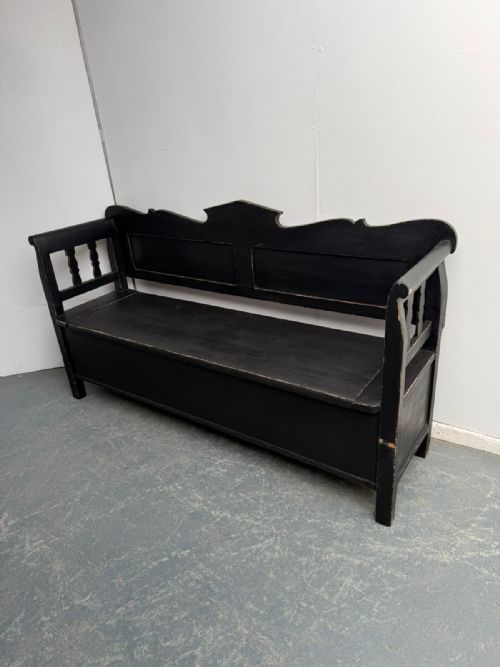
Antique Painted Settle
An antique painted settle brings centuries of vernacular craft and colour into a room, offering robust seating with built-in storage or draught protection.
Antique Painted Settle
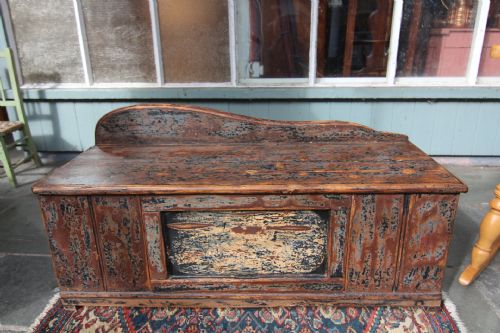
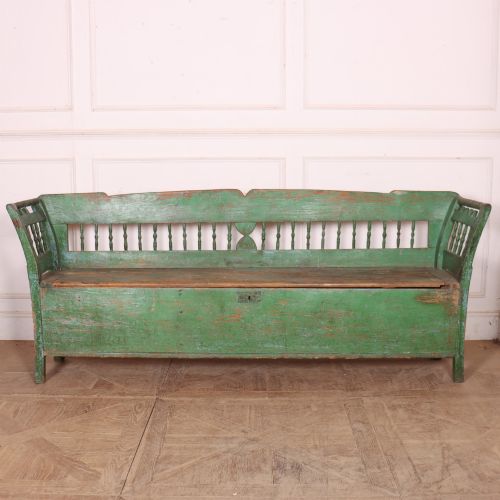
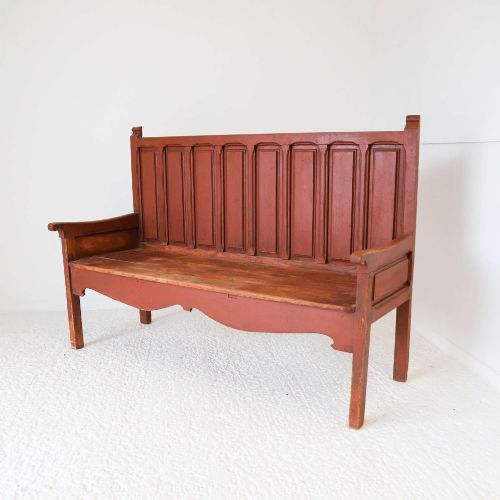
When you search for an antique painted settle, you encounter high-backed wooden benches that originated in European farmhouses, taverns and cottages to block cold draughts. These pieces appear most frequently from the Georgian, Victorian and nineteenth-century periods, often originating from Hungarian, Swedish, Welsh and English vernacular workshops.
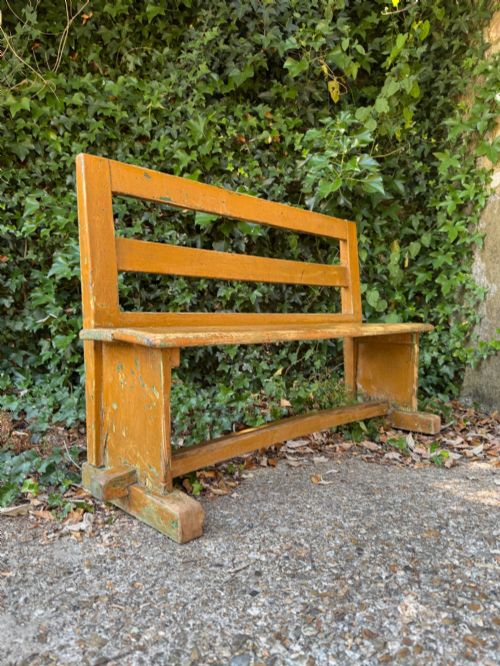
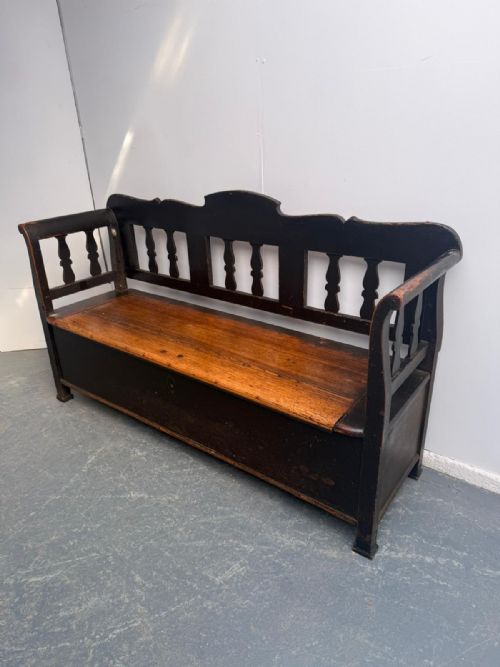
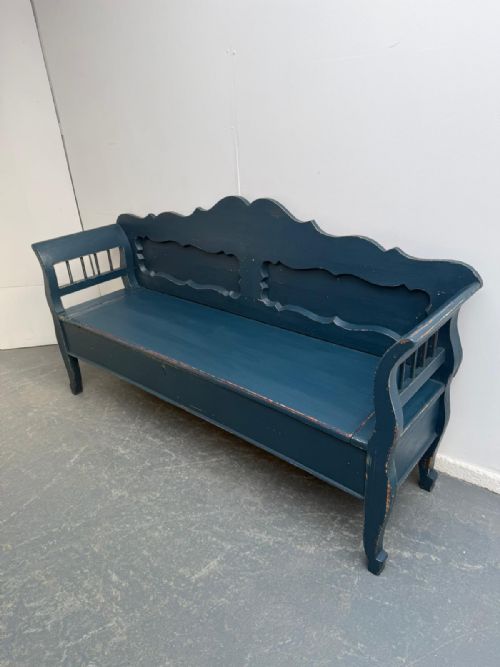
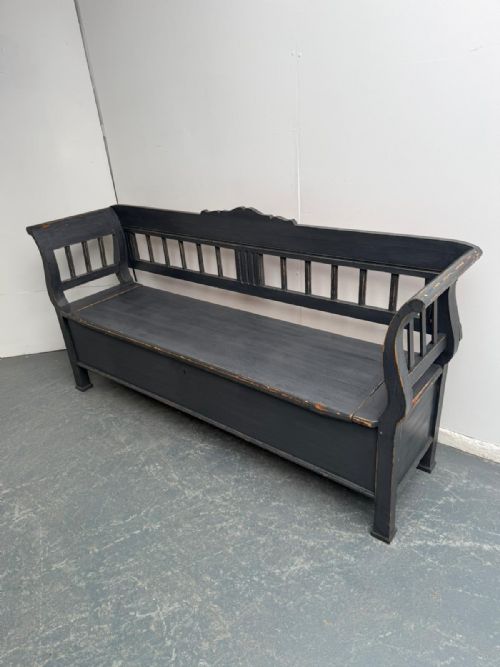
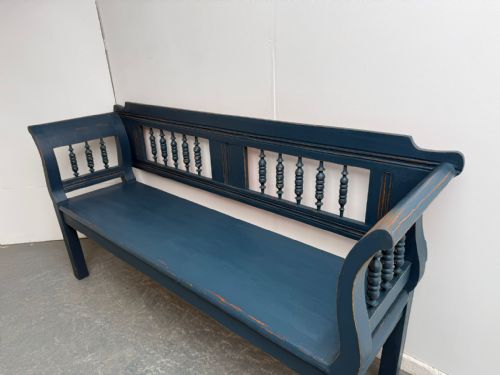
The forms vary from simple open-framed benches to enclosed box settles with hinged seats for storage, as well as specialised variants like lambing chairs and tavern benches. Many examples retain their original painted surfaces, showing distinct regional palettes of blues, greys, creams and blacks applied to timber structures.
Buyers will also find related rural seating such as corner sofas, chair tables and storage benches sharing the same domestic traditions. These heavy timber seats served central functions in communal rooms before modern upholstery dominated domestic furniture.
Materials and Construction
Constructed predominantly from solid pine and native timbers, these settles rely on straightforward panel-and-frame joinery designed to withstand heavy daily use in domestic settings. Iron hardware such as strap hinges and heavy nails often reinforces the structural joints of box seats and high backs.
The distinctive appearance relies on historic painted finishes, utilising oil or water-based pigments directly on the timber substrate. Over generations, these painted layers acquire natural wear, patination and craquelure that reveal the underlying wood.
Early cottage owners occasionally added hinged chicken coops directly beneath the bench seat.
Assessing Quality and Character
Quality in a painted settle rests upon the survival of its original painted surface rather than subsequent overpainting or stripping. Pieces retaining untouched historic pigment layers and genuine regional character command greater interest from collectors.
Structural integrity also dictates quality, particularly the retention of original floor-level timbers, box storage bases and high back panels without excessive later timber replacement. The balance of proportions and the softness of the aged pine timber further separate standard utility benches from finer vernacular works.
The Antique Painted Settle Glossary
- Settle
- A wooden bench with a high back, solid arms, and often a box base for storage. Designed to keep out draughts in domestic halls and taverns.
- Box settle
- A variation featuring a hinged seat opening to a compartment beneath. This provided practical storage for blankets and household goods.
- Vernacular furniture
- Domestic pieces made by local craftsmen for everyday use, reflecting regional traditions rather than high-style metropolitan designs.
- Gustavian
- The Swedish interpretation of French neoclassical style, characterised by pale painted finishes and restrained classical ornamentation.
Antique Painted Settle: Frequently Asked Questions
How were settles used originally?
Settles were placed near fires or by entry doors to block cold draughts from reaching seated occupants in large, drafty rooms. Their high wooden backs and solid sides trapped warmth for the people sitting on them.
The enclosed box bases underneath the seats also served as practical storage chests for household textiles, firewood or daily provisions. In taverns and farmhouses, they acted as fixed social seating before moveable chairs became common.
Are painted finishes original?
Many settles retain their early or original painted surface, though some have undergone later re-decoration or stripping over their long histories. Examining the pigment for microscopic wear, craquelure and underlying timber oxidation helps determine its age.
Original paint often exhibits natural softening at high-touch areas like the arms and top rail. Traces of older colour layers frequently emerge where the top coat has worn thin through centuries of cleaning.
Where should I place a settle?
A settle works effectively in a hallway, kitchen or boot room where its high back provides both a visual anchor and practical seating. Placing it against a long wall allows the solid timber back to define a distinct zone within an open space.
The enclosed storage base beneath the seat also offers a convenient place to store shoes, linens or bulky items out of sight. Their robust construction suits high-traffic household areas.