

Antique Painted Plate
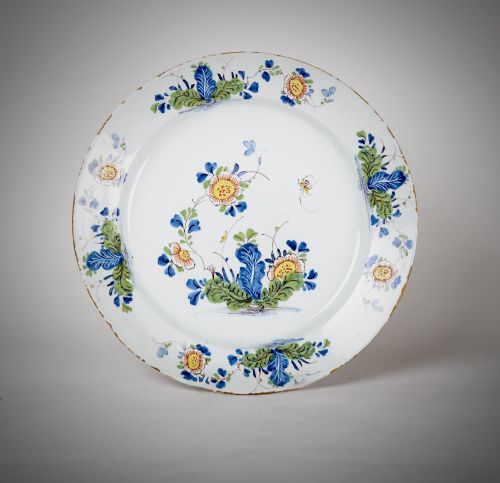
An antique painted plate brings the rich detail of eighteenth and nineteenth-century ceramic artistry directly onto the wall or display table.
Antique Painted Plate
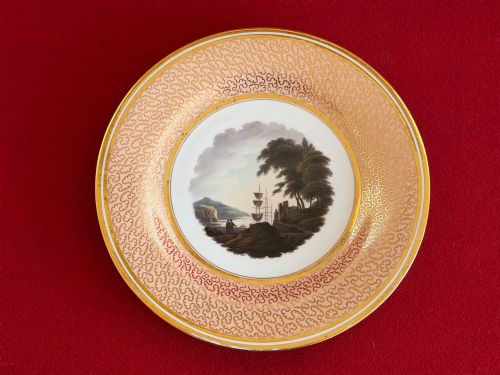
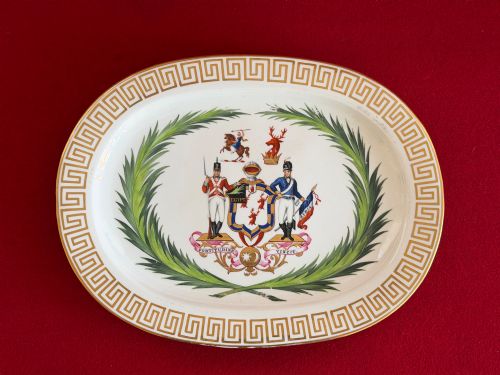
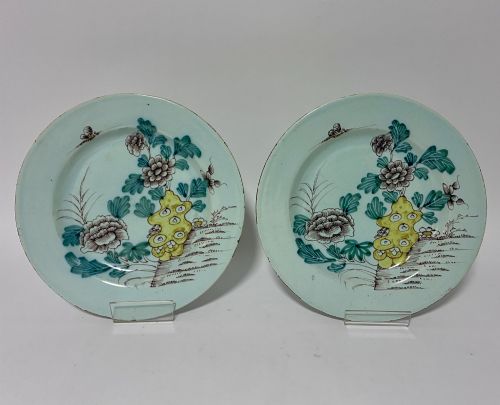
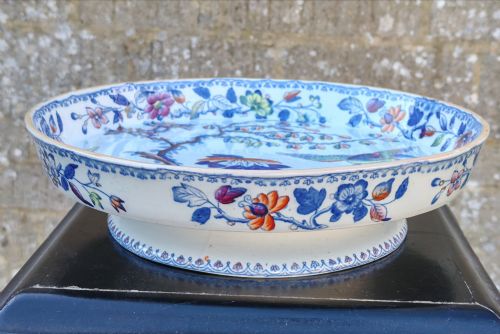
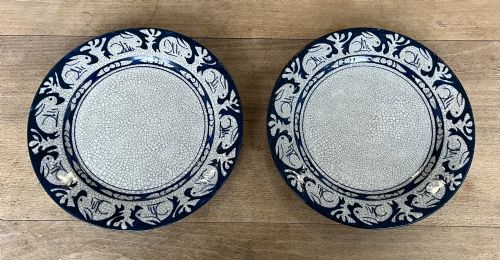
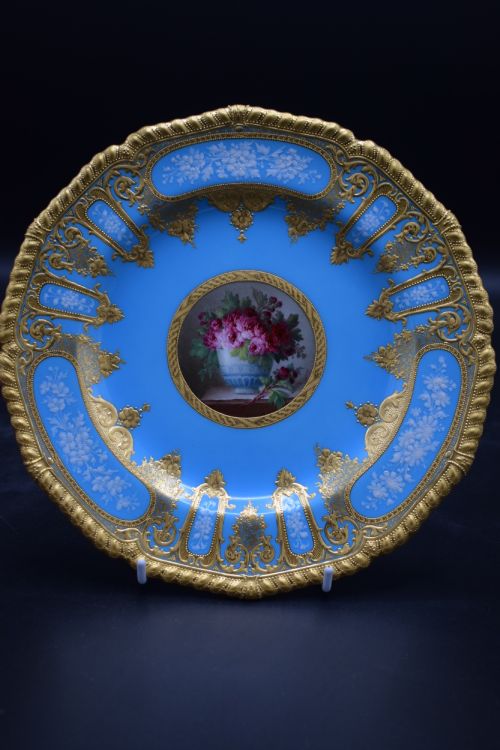
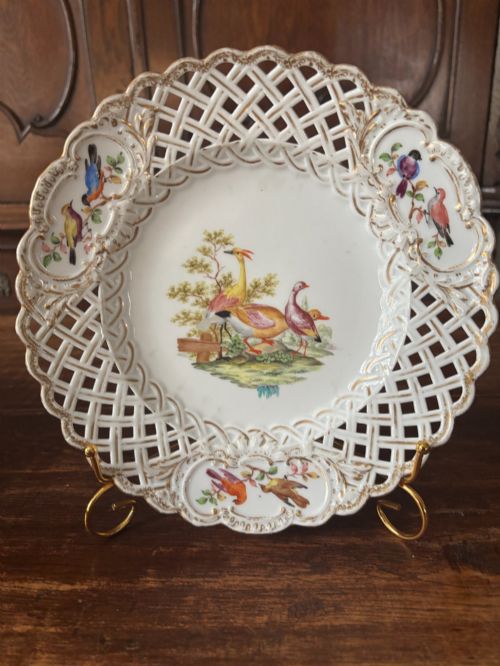
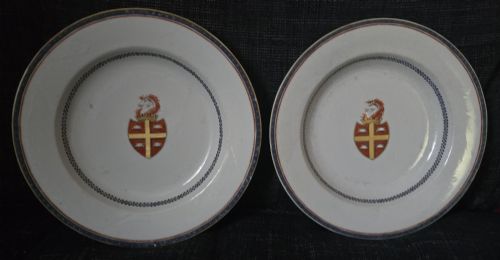
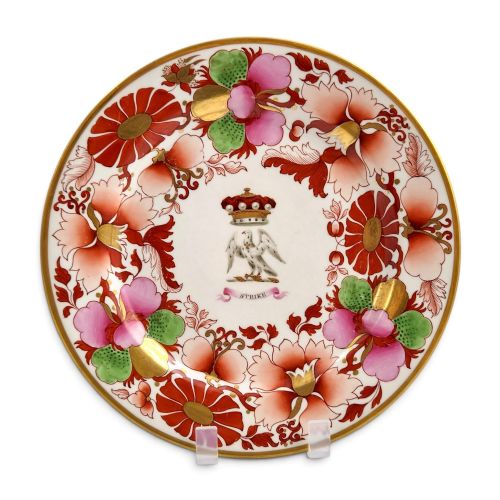
When searching for an antique painted plate, buyers encounter a diverse selection of ceramic forms originating from English factories, European houses, and East Asian kilns. The pieces on this page span cabinet plates, decorative chargers, and sections of larger dessert services produced across the eighteenth, nineteenth, and early twentieth centuries.
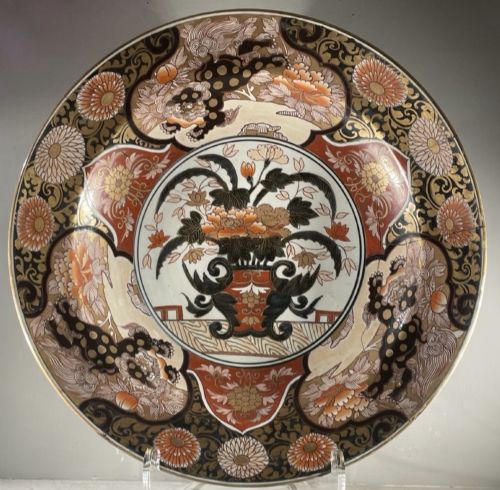
English porcelain and earthenware from makers such as Worcester, Spode, and Daniel frequently appear alongside Chinese export porcelain and Japanese Imari or Kutani wares. Forms range from standard circular dinner plates to scalloped dishes shaped like leaves and fish, reflecting both utilitarian dining use and pure ornamental display.
How they were made
Potters shaped hard-paste porcelain, bone china, earthenware, and tin-glazed bodies before applying mineral-based pigments by hand. Many English and European factories utilised specialised painting studios where artists rendered botanical studies, landscapes, and portraits directly onto the fired glaze.
Gilding with gold leaf or liquid gold added decorative borders and highlights, often requiring an additional low-temperature firing to bond the precious metal. Japanese and Chinese pieces employed underglaze cobalt blue alongside overglaze enamels to build up intricate multi-coloured pictorial surfaces.
Antique Painted Plate Retail Price Guide 2026
Typical asking prices for painted plate among the pieces listed under this phrase on Sellingantiques today, from the lower quarter to the upper quarter. They describe what is for sale here now, not the wider market.
Some nineteenth-century artisans painted delicate fish and leaves into functional dinnerware, ensuring supper came with a swimming companion.
What varies in quality
The distinction between standard production and top-tier execution rests primarily on the brushwork skill of the decorator and the crispness of the porcelain body. Hand-painted examples featuring named artists or detailed botanical and figural scenes command greater attention than simple transfer-printed outlines with minimal hand-tinting.
The application of gilding and the complexity of the ceramic moulding also dictate quality. Scalloped edges, pierced borders, and unusual vessel shapes require higher technical mastery during firing and shaping than plain circular plates.
James Giles·Barr Flight and Barr·Nantgarw·H and R Daniel·Grainger Lee and Co·Spode·Sevres·Meissen·Royal Worcester
The Antique Painted Plate Glossary
- Imari
- A style of Japanese porcelain decorated in underglaze blue, iron red, and gold, named after the port from which the wares were shipped. European factories frequently copied these vibrant palettes during the eighteenth and nineteenth centuries.
- Charger
- A large decorative plate or shallow dish intended for display on a sideboard or wall rather than for active dining. These pieces often feature the most ambitious hand-painted scenes.
- Hard-paste porcelain
- A dense, vitrified ceramic material composed of kaolin and petuntse, fired at high temperatures. It resists scratching and provides a durable canvas for detailed enamel painting.
- Dessert service
- A matching set of plates, comports, and dishes designed specifically for the final course of a formal meal. Surviving pieces often exhibit high-quality hand-painted fruit or flower motifs.
- Famille rose
- A palette of opaque enamel colours dominated by pink, introduced to Chinese porcelain during the Qing dynasty. Artists used these pigments to render delicate floral and figural compositions.
Antique Painted Plate: Frequently Asked Questions
Can I use antique plates for food?
Most antique painted plates are intended for decorative display rather than daily dining use. Older glazes and enamels can wear down or contain trace metals that make them unsuitable for modern food consumption.
For practical dining, contemporary ceramics remain the safer choice. Collectors instead mount these pieces on plate stands or wall hangers to protect the hand-painted surfaces from damage.
How do I hang a decorative plate?
Spring-loaded brass plate hangers grip the rim securely while distributing the weight evenly across the back of the vessel. Ensure the wall fixing is secure before mounting any porcelain or earthenware charger.
Avoid wire-only setups that lack proper tension. Inspect the hanger periodically to ensure it does not scratch or chip the glaze along the rim.
What is an Imari plate?
Imari refers to Japanese export ceramics featuring a distinct palette of deep cobalt blue, iron red, and gold leaf. These bold designs were immensely popular in Europe during the eighteenth and nineteenth centuries.
Many English and European factories subsequently produced their own interpretations of these patterns. Genuine Japanese pieces often display characteristic potting marks and paste variations typical of Arita kilns.
How do I date an old plate?
Dating relies on identifying factory backstamps, ceramic paste composition, and the painting style employed on the front. Stylistic clues such as Regency border motifs or Victorian colour palettes help narrow down the production era.
Comparing the piece to documented examples from known makers provides the most reliable timeline. Unmarked items require close examination of the foot rim and glaze characteristics.