


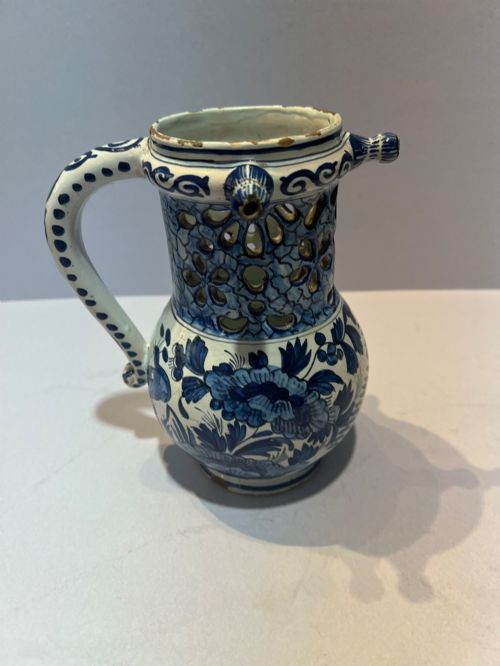
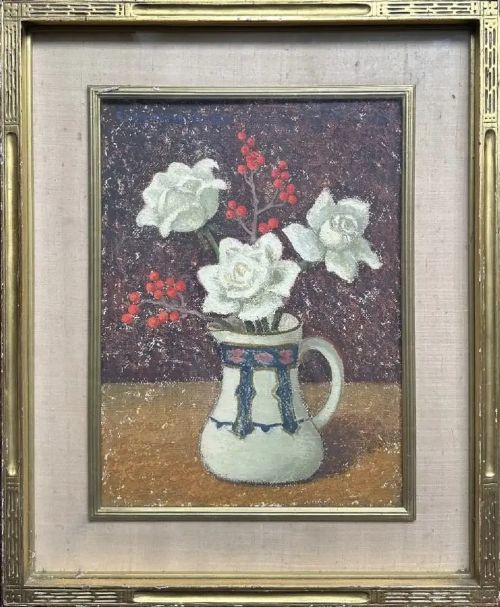
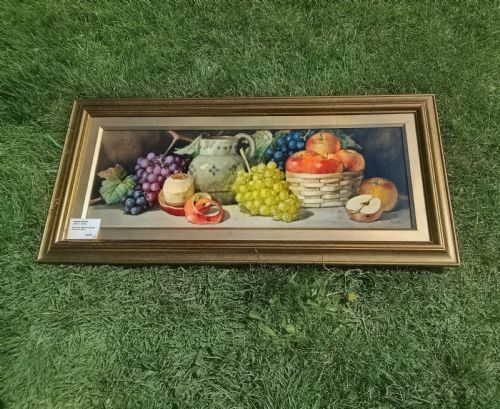
Antique Painted Jug
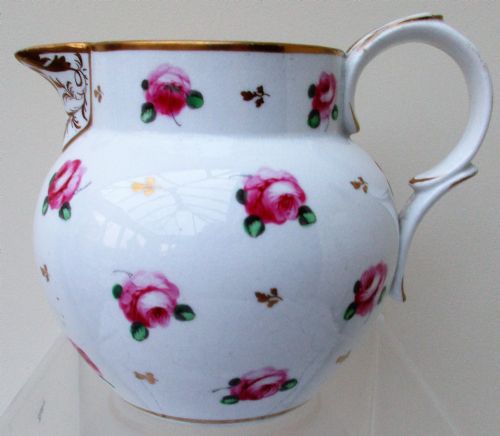
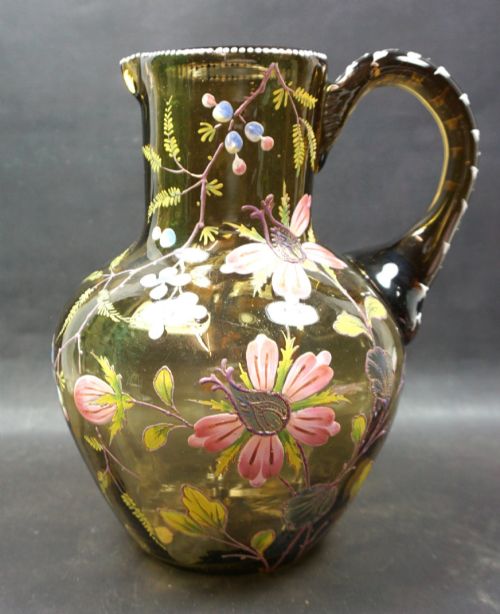
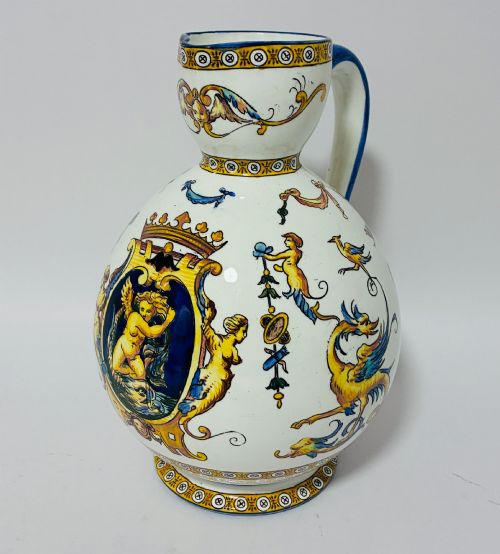
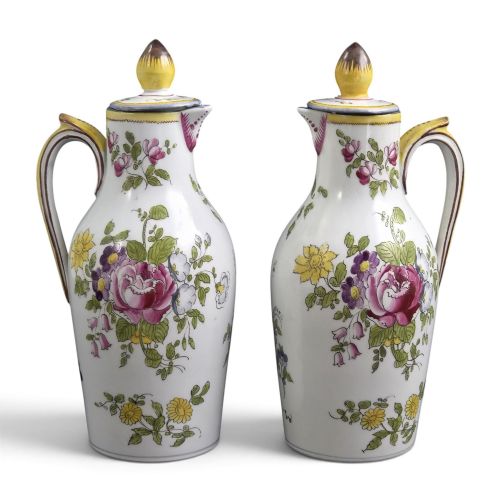
An antique painted jug brings household vessels of earthenware, porcelain and tin glaze into the room with hand-applied pigments.
Antique Painted Jug
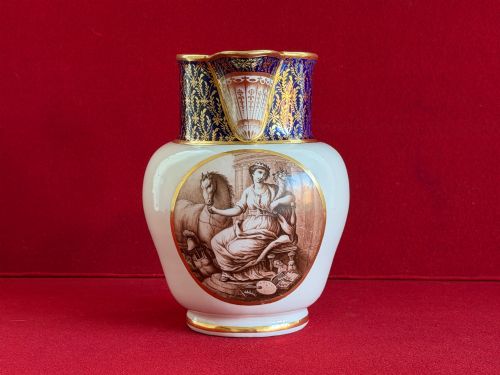
An antique painted jug serves practical and decorative purposes across eighteenth and nineteenth century domestic spaces. Buyers look for this phrase to find ceramic, porcelain and glass vessels decorated by hand with floral motifs, scenes or patterns.
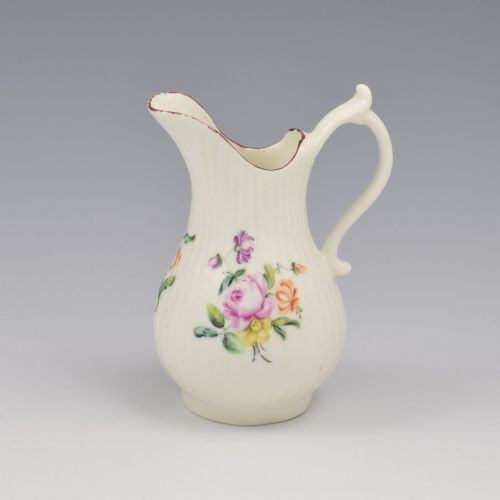
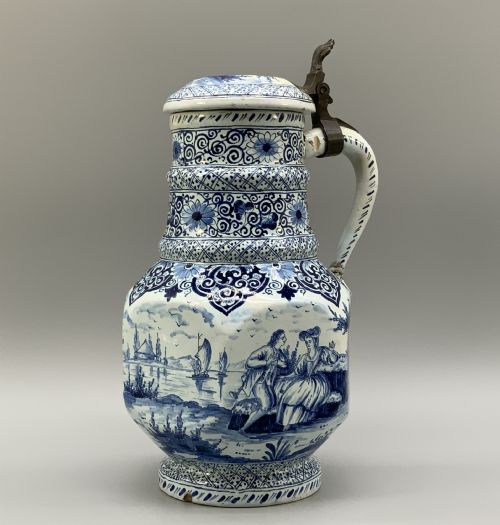
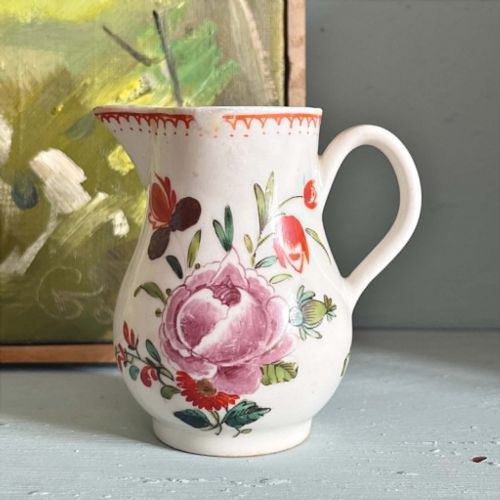
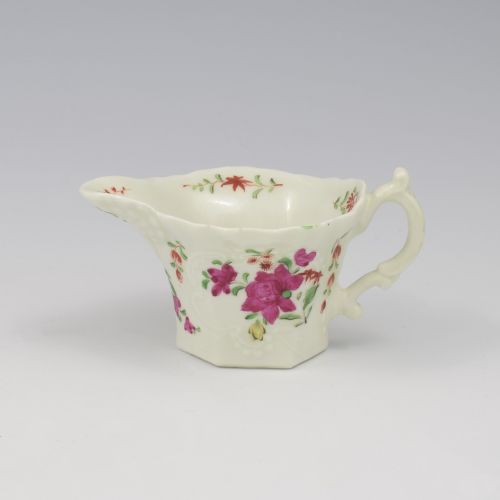
Most examples on this page date from the Georgian and Victorian periods, alongside earlier eighteenth-century tin-glazed wares and pottery. Forms range from small cream jugs and sparrowbeak creamers to larger pitchers, puzzle jugs and toby jugs.
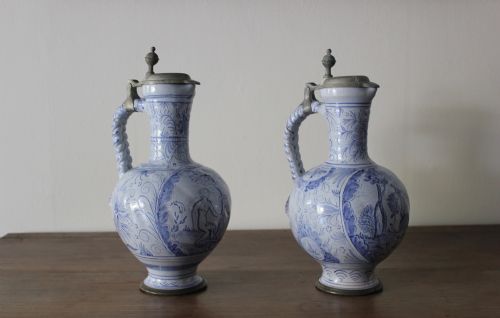
Makers and factories span English potteries such as Worcester, Derby, Bow and New Hall, alongside continental faience and Dutch Delftware. Certain pieces carry transfer prints finished with hand painting, while others rely entirely on brushwork over glaze.
Materials and construction
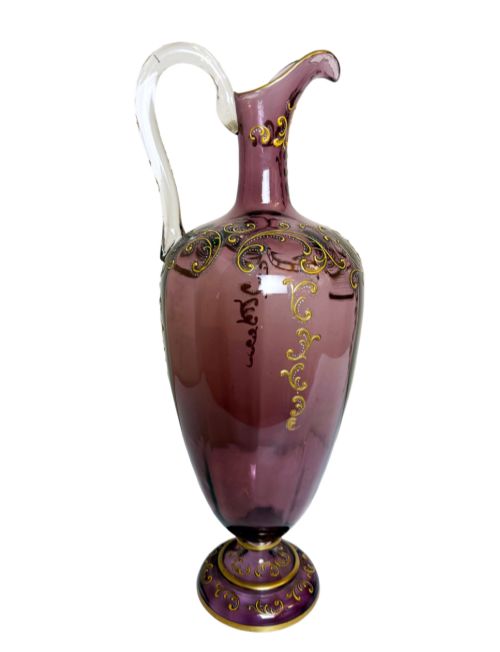
Potters shaped these bodies from earthenware, ironstone, porcelain and stoneware, often applying tin glaze or enamel coatings before decoration. Glass pitchers received hand-painted gilt applique directly onto blown surfaces.
Painters applied polychrome pigments, cobalt blue underglaze and gold leaf by hand using fine brushes. Tin-glazed earthenware received opaque white lead glazes that accepted pigments directly onto the absorbent surface before firing.
Antique Painted Jug Retail Price Guide 2026
Typical asking prices for painted jug among the pieces listed under this phrase on Sellingantiques today, from the lower quarter to the upper quarter. They describe what is for sale here now, not the wider market.
Listings feature porcelain, earthenware, tin glaze and enamel materials across eighteenth and nineteenth-century periods.
Assessing quality and execution
Quality rests in the precision and confidence of the brushwork and the crispness of the moulded form beneath the glaze. Superior examples display finely rendered polychrome details, well-balanced handles and clear, even glaze application.
Factory attribution and period-correct pigments also distinguish the range, as early porcelain pieces from established houses require delicate throwing and precise kiln temperature control. Later mass-produced earthenware shows simpler hand decoration over moulded bodies.
Flight Barr Worcester·John Pennington·Veuve Perrin·Arthur Dudley·Walker and Hall·Doulton Burslem·H and R Daniel
The Antique Painted Jug Glossary
- Tin glaze
- An opaque white glaze containing tin oxide, used on earthenware to provide a smooth white background for painted decoration.
- Polychrome
- Decoration employing several colours painted onto the ceramic body or glaze.
- Sparrowbeak
- A small eighteenth-century cream jug featuring a distinctive pinched pouring lip resembling a bird beak.
- Toby jug
- A pottery jug modelled as a full-length or seated figure, usually a stout man holding a mug and jug of beer.
- Ironstone
- A heavy, durable type of earthenware patented in the nineteenth century to imitate porcelain.
Antique Painted Jug: Frequently Asked Questions
How do I clean an antique painted jug?
Wash the vessel gently by hand in warm water using a mild, non-abrasive soap and a soft cloth.
Avoid soaking antique ceramics or glass, especially pieces with overglaze enamel or gold leaf that can flake off when exposed to prolonged moisture.
Can I use an antique painted jug for daily serving?
Most antique jugs serve best as decorative display pieces or dry flower holders rather than everyday kitchenware.
Older glazes and ironstone bodies can develop hairline cracks or absorb liquids over time if subjected to frequent thermal shock.
What is the difference between a jug and a pitcher?
In British collecting terminology, a jug generally refers to a smaller vessel with a single handle and pouring lip for milk or cream.
A pitcher often denotes a larger vessel intended for water, wine or table service, though historical listings frequently use the terms interchangeably.