



Antique Overlay Glass Bottle
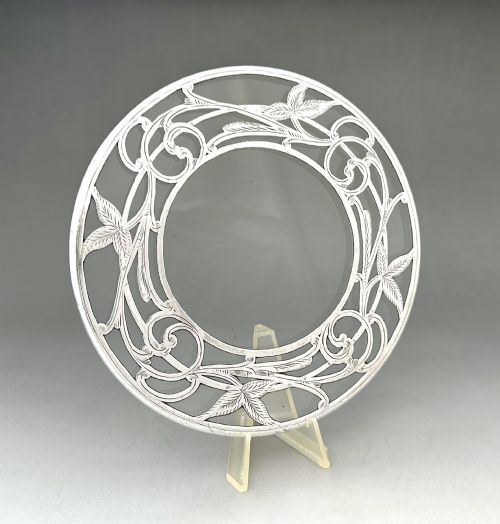
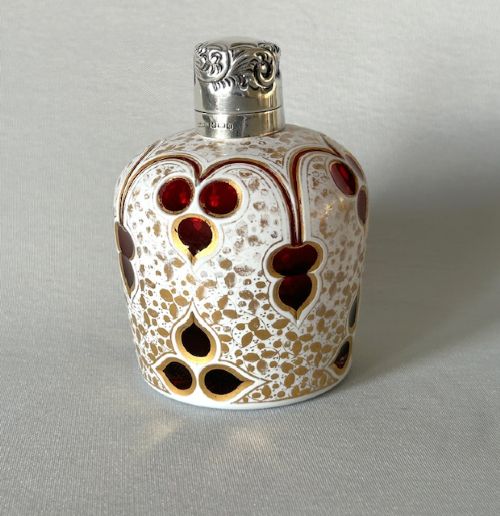
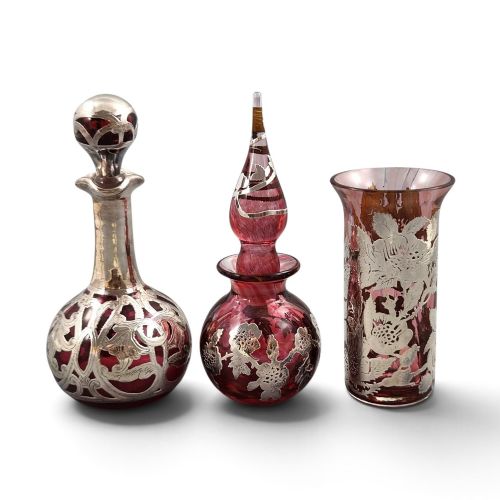
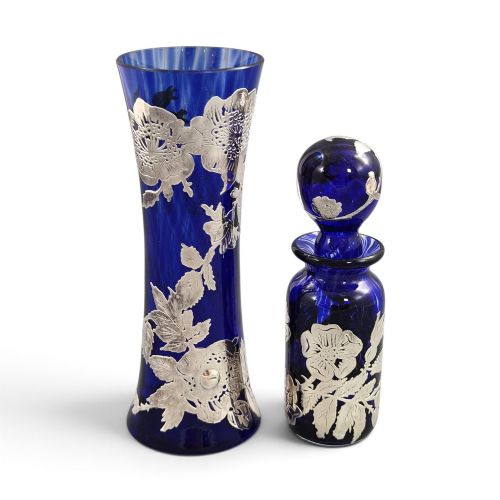
An antique overlay glass bottle brings layered colour and cut crystal sparkle to a dressing table or cabinet.
Antique Overlay Glass Bottle
An antique overlay glass bottle combines a base layer of clear or coloured glass with one or more outer layers of contrasting colour. When someone searches for an antique overlay glass bottle, they encounter pieces ranging from Victorian scent bottles to Edwardian decanters and Chinese snuff bottles.
The selection here draws primarily from Victorian and Edwardian periods, featuring production from English, French, and Bohemian makers. Formats vary from pocket-sized perfume containers to larger spirit decanters and hock carafes.
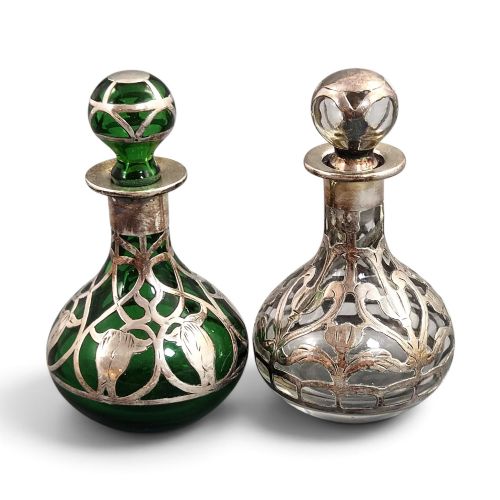
These items were originally utilised for perfumes, cosmetics, and fine liquors, often fitted with sterling silver mounts or hinged caps. Surviving examples demonstrate the shift from mid-nineteenth-century cased vessels to later Art Nouveau and Art Deco designs.
How They Were Made
Copenhagen or cased techniques involved fusing a gathered layer of coloured glass over a molten body of clear, frosted, or contrasting glass. This double or triple layering created distinct chromatic depth before any cutting took place.
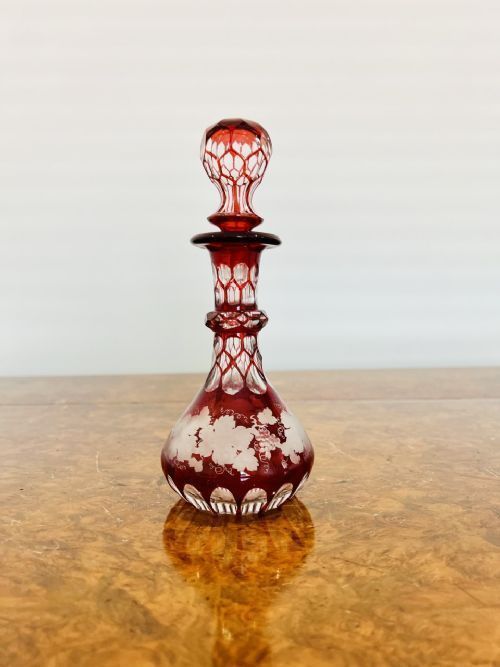
Craftsmen then used wheel-cutting and engraving tools to slice through the outer coloured stratum, revealing the underlayer in geometric or floral patterns. Sterling silver mounts and hinged collars were subsequently added by silversmiths to complete the functional vessels.
Antique Overlay Glass Bottle Retail Price Guide 2026
Typical asking prices for overlay glass bottle among the pieces listed under this phrase on Sellingantiques today, from the lower quarter to the upper quarter. They describe what is for sale here now, not the wider market.
Listings feature Victorian and Edwardian pieces alongside nineteenth-century French and Bohemian works.
What Varies in Quality
The crispness of the wheel-cutting determines how sharply the overlay pattern contrasts against the base glass. Deeper, more intricate cuts reveal superior handwork and precision in exposing the underlying colour.
The weight and clarity of the crystal or glass body also separate standard production from finer work. Heavier lead crystal bases combined with substantial sterling silver mounts indicate higher original manufacture.
Gorham·Galle
The Antique Overlay Glass Bottle Glossary
- Overlay glass
- A glass vessel formed by fusing two or more distinct layers of different coloured glass together. The exterior layer is frequently carved away to expose the base colour beneath.
- Cased glass
- A method where a layer of glass is encased entirely within another layer of a different colour during the blowing process. This forms the foundational blank for subsequent cutting.
- Sterling silver mount
- A collar, cap, or stopper housing made from standard silver alloy fitted to the neck of a bottle. Many Victorian examples include hallmarked closures.
- Cranberry glass
- A rich red-pink transparent glass coloured with gold chloride during melting. It appears frequently in nineteenth-century scent bottles and decanters.
- Chatelaine scent bottle
- A small portable perfume container fitted with a chain or ring to suspend from a waist belt. These allowed Victorian women to carry fragrance on their person.
Antique Overlay Glass Bottle: Frequently Asked Questions
What is an overlay glass bottle?
An overlay glass bottle is a vessel made with at least two distinct layers of coloured glass fused together. The outer layer is partially cut away to create contrasting decorative patterns.
These pieces were produced primarily during the nineteenth and early twentieth centuries in forms such as scent flasks, perfume sprayers, and decanters.
How do I identify Victorian overlay glass?
Victorian examples often feature deep cobalt blue, cranberry, or green glass layers cut back to clear crystal. They frequently incorporate sterling silver collars and hallmarked hinged lids dating between the mid and late nineteenth century.
French and Bohemian workshops also contributed significantly to this period, producing substantial cased glass vessels with intricate floral or geometric motifs.
Were these bottles used for perfume?
Many smaller overlay vessels served as pocket or dressing table perfume containers, often equipped with glass stoppers and silver screw caps. Some were designed specifically to hang from chatelaine chains.
Larger forms function as spirit decanters, carafes, or vases, retaining the same layered and cut aesthetic suited for display.
How should I clean my antique bottle?
Cleaning requires gentle warm water and mild soap, avoiding harsh scrubbing on silver mounts or glass surfaces. Old residue inside scent bottles responds best to non-abrasive soaking rather than mechanical tools.
Protecting the original patina on the sterling silver components keeps the piece in sound collector condition.