





Antique Overdoor Carving
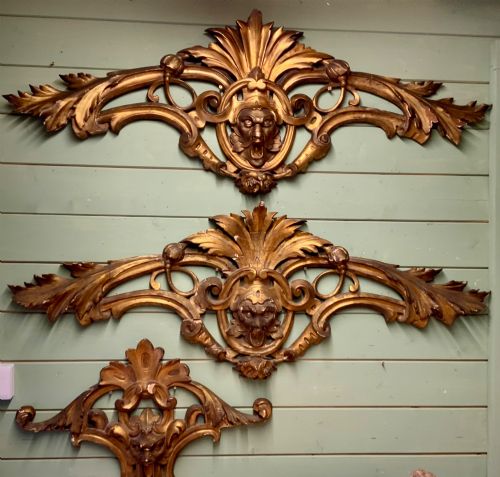
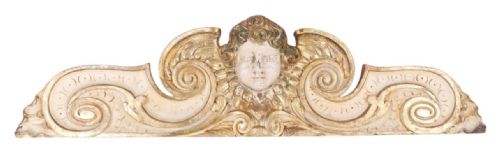
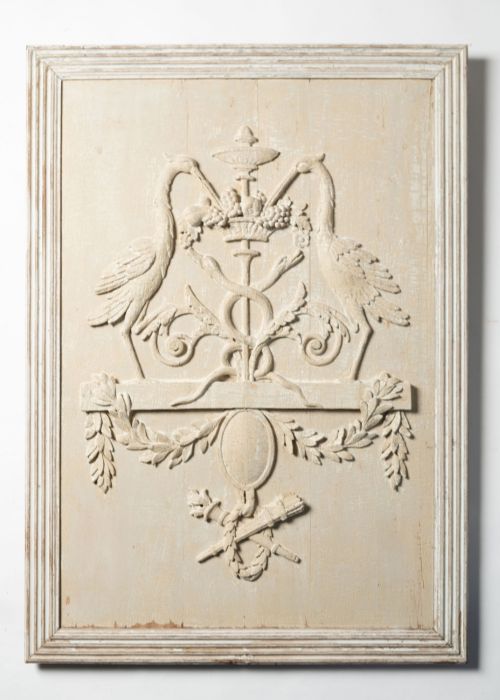
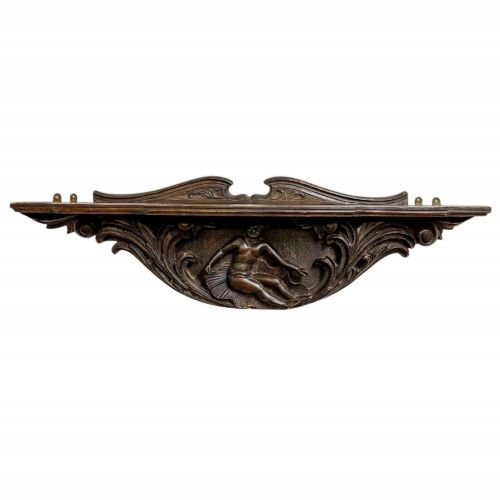
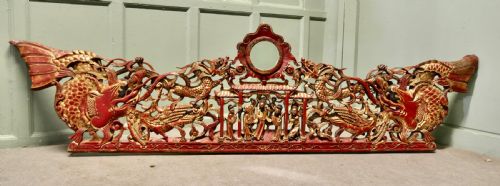
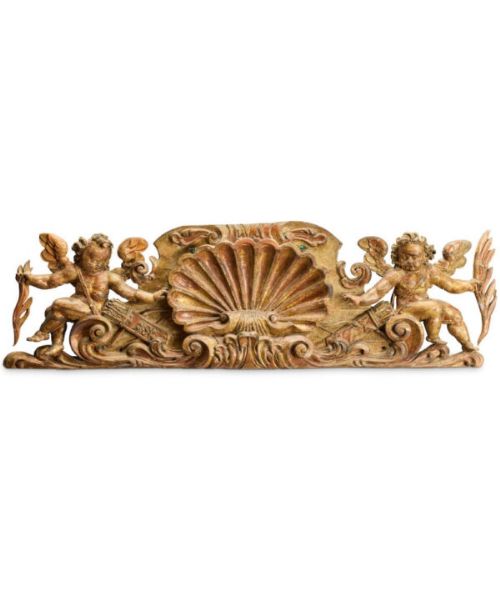
These antique overdoor carving pieces are architectural pediments, panels, and pelmets shaped to sit above doorways, bringing historical presence and grand scale to an interior.
Antique Overdoor Carving
An antique overdoor carving is an architectural panel, pediment, or pelmet designed to mount directly above a doorway, bringing significant vertical presence to a room. These pieces originate from various periods including the seventeenth, eighteenth, and nineteenth centuries, spanning diverse aesthetic traditions.
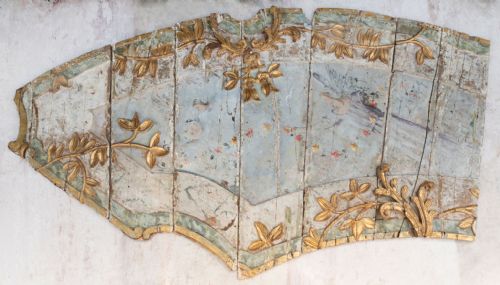
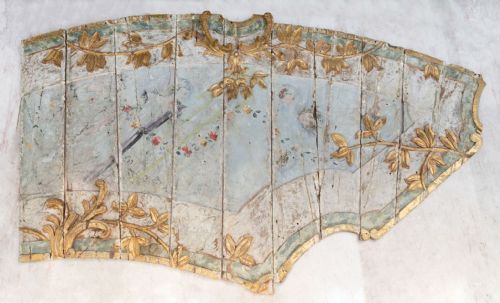
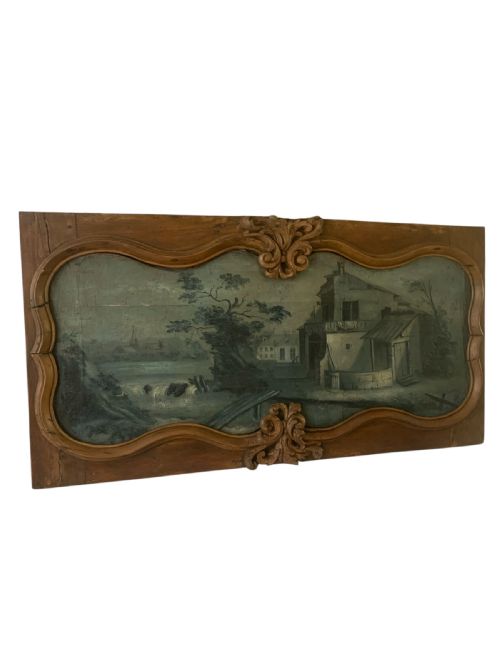
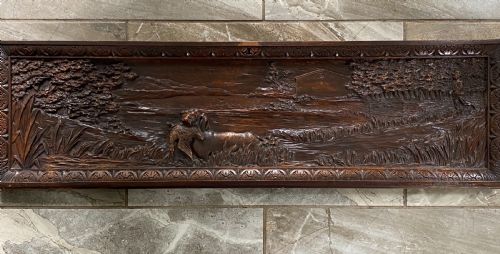
The selection on this page ranges from substantial oak and walnut panels to gilt wood pediments and painted architectural fragments. Buyers encounter forms attributed to Italian, French chateau, and Chinoiserie styles, as well as specific regional variants like Black Forest dog hunting panels.
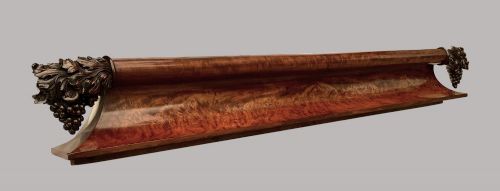
Many examples function as wall reliefs, architectural salvage, or wall shelves, whilst others take the form of pelmets and decorative temple pediments. Their primary purpose is to frame a threshold or anchor a wall scheme with historical depth and sculptural weight.
How they were made
Makers shaped these architectural elements from timbers such as oak, walnut, mahogany, and general wood or timber. Carvers worked the material by hand, producing high-relief figures, cherubs, and intricate foliage.
Surfaces received various decorative finishes including gesso, gold leaf, silver leaf, and paint, often applied to enhance the carved detail. Parcel gilt treatments and painted wood surfaces further define the decorative vocabulary of these panels.
Antique Overdoor Carving Retail Price Guide 2026
Typical asking prices for overdoor carving among the pieces listed under this phrase on Sellingantiques today, from the lower quarter to the upper quarter. They describe what is for sale here now, not the wider market.
A solitary carved cherub watches silently from above the door frame, guarding the threshold with perpetual wooden innocence.
What varies in quality
The distinction in quality rests upon the depth of the carving and the crispness of the hand-carved detail, whether rendering a cherub, foliage, or a figural scene. Deeper relief work and more complex composition demand greater sculptural skill.
Surface treatment also differentiates the pieces, from simple painted timber to elaborate gold leaf and silver leaf applications over gesso. The integrity of the original wood, such as figured mahogany, pollard oak, or dense oak, contributes to the overall distinction of the piece.
Grinling Gibbons·Edward Pearce
The Antique Overdoor Carving Glossary
- Overdoor
- An architectural element placed directly above a doorway, often carved or decorated to provide a grand focal point to an entrance.
- Pediment
- A triangular or decorative architectural crown placed above doors, windows, or panels, frequently ornamented with carvings or gilding.
- Pelmet
- A structural framework or decorative border placed above a window or door to conceal fittings and frame the upper opening.
- Gesso
- A plaster-like mixture applied to wood surfaces as a smooth base for painting or gilding with gold leaf.
- Parcel gilt
- A decorative technique where specific portions of an object are highlighted with gold leaf while other areas remain exposed wood or paint.
Antique Overdoor Carving: Frequently Asked Questions
How were antique overdoors originally used?
These carved panels and pediments were mounted directly above interior doorways in grand houses and civic buildings. They served to elevate the status of a threshold and unify the architectural style of a room.
In many interiors, they functioned alongside tall ceilings to bridge the visual gap between the top of the door frame and the cornice line.
Where can I hang an overdoor carving?
Whilst originally intended for the space above a door, many buyers mount these panels directly onto plain walls as standalone pieces of art. They also sit effectively above mantelpieces or large pieces of furniture to create architectural height.
Secure wall fixings are essential due to the solid timber weight and substantial dimensions of these architectural fragments.
What wood types do these carvings use?
Carvers utilised domestic and exotic hardwoods depending on the period and regional origin. Oak, walnut, and figured mahogany frequently appear in these listings.
Softer timbers also served as a base for intricate gesso work, gold leaf, and painted finishes.
How do I identify the period of a carving?
Period identification relies on stylistic cues such as Italian Rococo, Baroque, or French Chateau ornamentation. Tool marks, timber selection, and the application of gesso or leaf provide further clues to the date of execution.
Familiarity with historical design vocabularies helps distinguish seventeenth-century oak work from nineteenth-century revivals.