




Antique Oval Silhouette
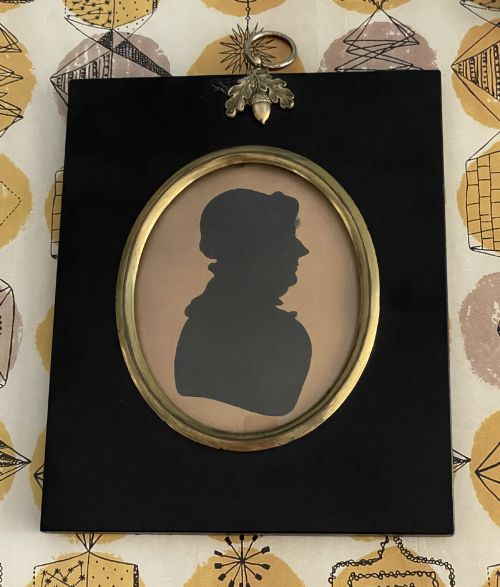
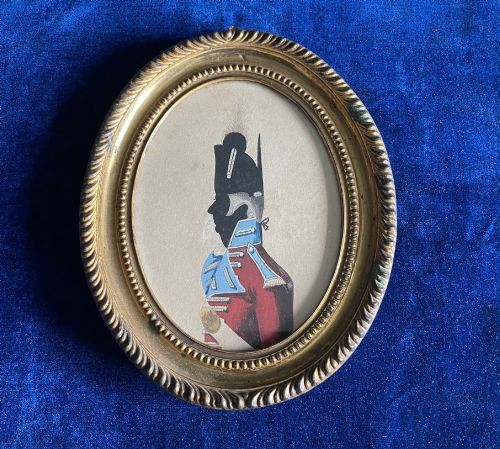
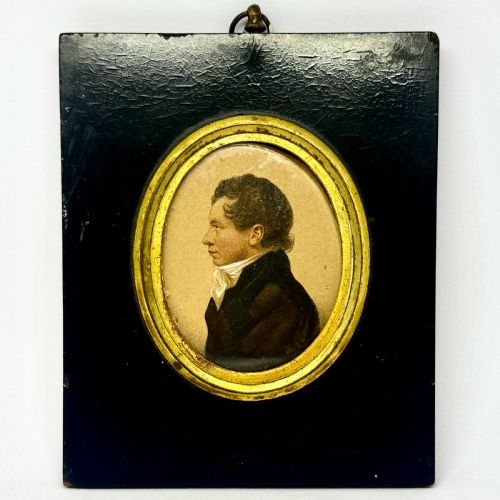
An antique oval silhouette is a miniature profile portrait framed in miniature, offering a direct glance into Georgian and Regency society.
Antique Oval Silhouette
When you search for an antique oval silhouette, you encounter small profile portraits executed in cut paper, ink, or paint. These pieces capture sitters from the eighteenth and nineteenth centuries with remarkable economy of line.
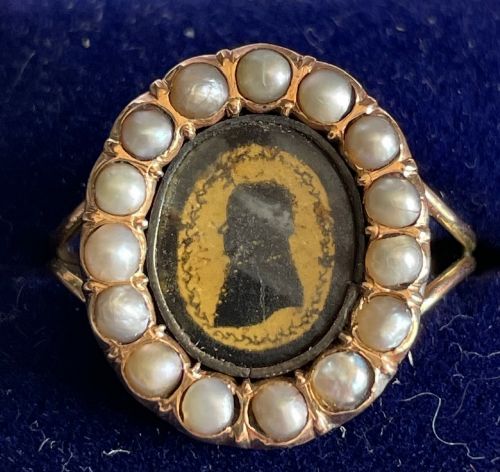
The versions most commonly met on this page date from the Georgian and Regency periods. They appear as framed wall art, miniature portraits, and occasionally small jewellery items like rings.
Makers recorded in the evidence range from notable artists to anonymous hands working in paper, glass, and plaster. Each piece preserves the likeness of a named or forgotten individual from the nineteenth century or earlier.
How they were made
Makers utilised contrasting materials to define the sitter's profile against a pale background. Cut paper, black ink, and paint created the dark silhouette, often enhanced with gold leaf highlights applied to the surface.
Portraits were executed on various supports including paper, plaster, and glass. Reverse painting on glass allowed the artist to apply fine details that showed through the transparent front, while plaster provided a solid base for profile blocks.
Finished works required protective housings to preserve the delicate media. Ebonised wood frames, sometimes mounted with brassbezels, secured the glass and paper elements against dust and handling.
Antique Oval Silhouette Retail Price Guide 2026
Typical asking prices for oval silhouette among the pieces listed under this phrase on Sellingantiques today, from the lower quarter to the upper quarter. They describe what is for sale here now, not the wider market.
Materials recorded across these listings include glass, paper, brass, wood, ebonised wood, ink, gold leaf, and paint.
What varies in quality
The skill of the profile cutter or painter dictates the primary division in quality. Master practitioners captured bone structure, hair ribbons, and facial expressions with minimal brushstrokes or paper snips.
Materials and framing contribute significantly to a piece's standing. Early examples set in original ebonised wood frames with gold leaf accents and identified sitters represent the higher tier of surviving work.
James Gillespie·John Miers·John Smith of Edinburgh·Nathaniel Bermingham
The Antique Oval Silhouette Glossary
- Silhouette
- A solid dark profile image of a person, usually shown in side view. This form of portraiture became popular in the eighteenth century before the invention of photography.
- Reverse painted
- A technique where the artist paints on the back side of a piece of glass so the image is viewed through the clear front. This method protects the pigment from surface wear.
- Ebonised wood
- Timber treated to resemble ebony, a heavy black wood. It provided a dark, contrasting border for profile portraits.
- Portrait miniature
- A very small painting or profile, designed to be held in the hand or worn. These items often used glass and brass components.
Antique Oval Silhouette: Frequently Asked Questions
How were silhouettes displayed?
Original owners hung these small portraits on walls, often grouping several together in arrangements. They also sat on desks or dressing tables as personal mementoes.
The inclusion of rings in the evidence shows that some miniature profiles were made to be worn. Most wall-hung examples relied on wood frames and protective glass.
How do I date a silhouette?
Dating relies on the costume, hair style, and framing materials visible in the piece. Caps, bonnets, and high-collared coats point to specific decades within the Georgian and Regency eras.
Inscribed names, dates, or maker details on the reverse provide definitive evidence of age. The presence of ebonised wood frames and convex glass also helps place a piece in the nineteenth century.
Who made these portraits?
Both professional artists and skilled amateurs produced profile portraits before the rise of photography. Specialist practitioners operated studios and marked their work with trade labels on the back.
Makers recorded in the evidence worked in cut paper, plaster, and paint. Their outputs ranged from simple ink profiles to elaborate works with gold leaf highlights.