


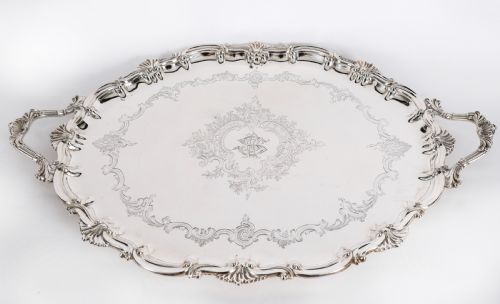

Antique Oval Plate
An antique oval plate brings domestic service and dining traditions from past centuries into the modern home.
Antique Oval Plate
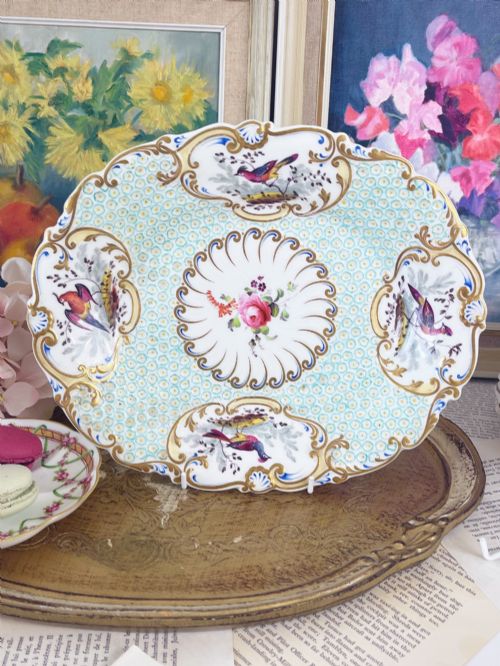
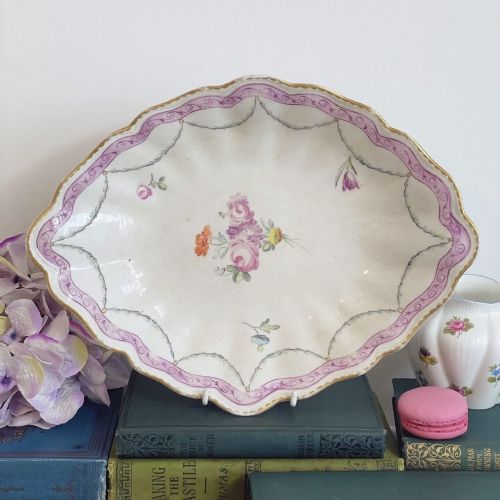
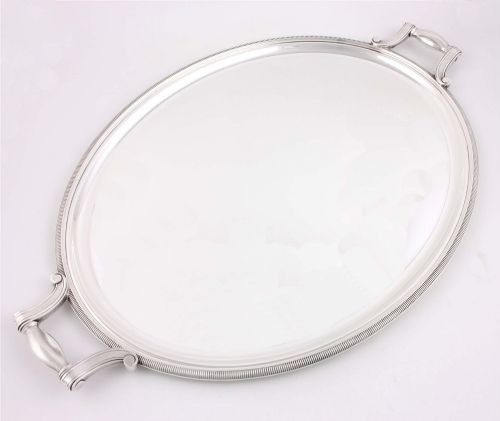
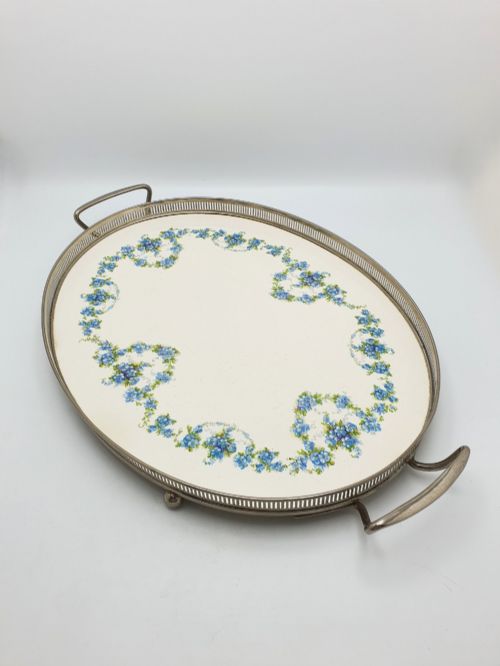
The term antique oval plate covers a range of dining and serving vessels found across 18th-century, Victorian, and Edwardian periods. Pieces take the form of serving dishes, meat platters, and decorative porcelain or earthenware items.
Buyers meet silver plate and ceramic versions most frequently on this page. These items reflect formal dining customs from Georgian, Victorian, and Edwardian households.
Materials and construction methods
Ceramic pieces utilise porcelain or earthenware bodies finished with handpainted decoration, polychrome enamels, or blue and white transfer printing.
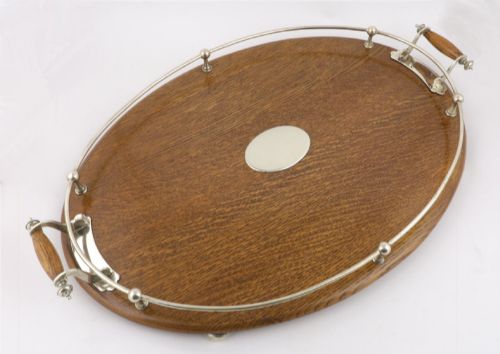
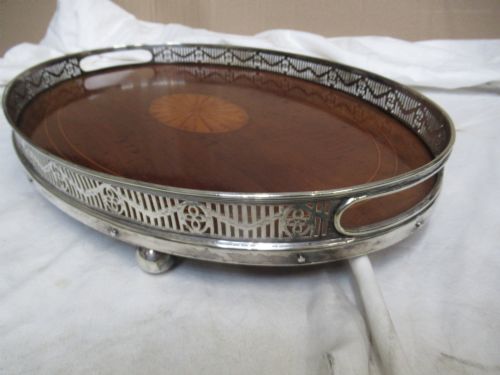
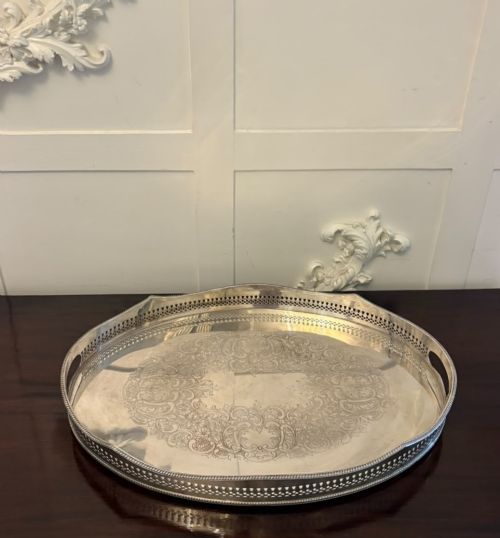
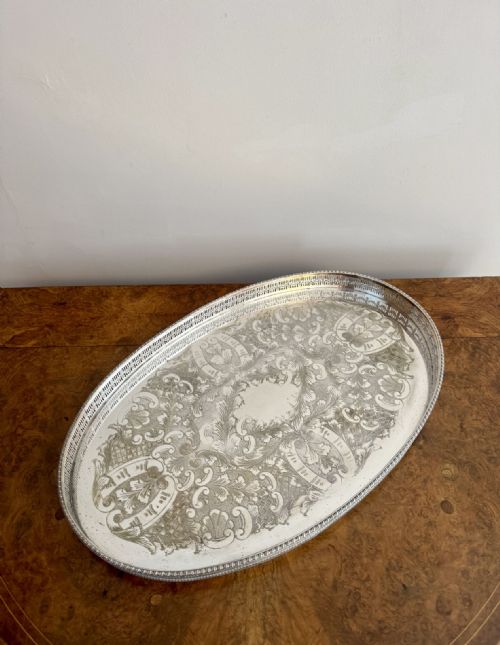
Metal items employ silver plate and Old Sheffield plate over base metals, often combined with English oak galleries, handles, and engraved details.
Listings feature items spanning the 18th century, Victorian period, and Edwardian era in silver plate, porcelain, and earthenware.
Distinctions in craftsmanship
Quality rests on the crispness of handpainted motifs or transfer prints on ceramics, alongside the depth of engraving on metal serving pieces.
The weight of the metal base, the retention of silver plating, and the integration of handles or wooden galleries dictate the standing of a metal tray or dish.
H & R Daniel·Mappin & Webb·Christofle·Thomas Bradbury & Sons·Henry Wilkinson·Walker & Hall·WMF
The Antique Oval Plate Glossary
- Silver Plate
- A thin layer of silver fused or electroplated onto a base metal such as copper or brass. This technique allowed manufacturers to produce domestic items that mirrored the appearance of solid silver.
- Transfer Print
- A method of applying detailed monochromatic patterns onto ceramics using an engraved copper plate and tissue paper. This process enabled the mass production of consistent blue and white designs.
- Old Sheffield Plate
- An early method of fusing a sheet of silver onto a copper core before rolling them together into plates. This technique creates a distinct edge where the base metal shows through wear.
- Entree Dish
- A covered serving vessel designed to keep food warm at the dining table. These pieces often feature removable handles and compartment liners.
- Gallery Tray
- A serving tray fitted with an openwork metal or wooden railing around the perimeter. This border prevented decanters and glasses from sliding off during service.
Antique Oval Plate: Frequently Asked Questions
What were antique oval plates used for?
These vessels served meals, carried decanters, or presented meat dishes at formal dining tables. Households utilised them for everyday service as well as ceremonial entertaining.
Larger platters handled roasts, while smaller versions held sauces, biscuits, or tea services.
How do I clean silver plated items safely?
Wash silver plate gently in warm water using a mild, non-abrasive detergent and a soft cloth. Avoid harsh chemical dips that strip the underlying plating.
Dry thoroughly with a lint-free cloth to prevent water spots and tarnishing.
How can I tell Victorian pieces from Edwardian ones?
Victorian designs tend to feature heavier, more ornate engraving and robust handles. Styles from this era often embrace exuberant floral motifs and substantial proportions.
Edwardian items frequently display lighter galleries, refined neoclassical influences, and cleaner borders.
Can I use these ceramic plates for daily dining?
Many ceramics remain sturdy enough for careful use, though older glazes and handpainted surfaces benefit from gentle handling. Hand washing preserves the enamel and prevents crazing.
Displaying them as decorative dishes or serving cold foods safeguards the historical glaze.