
Antique Oval Frame Art
Antique oval frame art brings together centuries of portraiture and enclosing frames, offering a focused window into past eras.
Antique Oval Frame Art
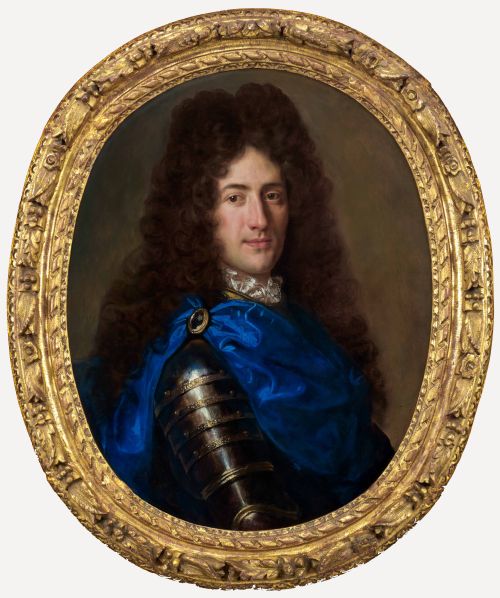
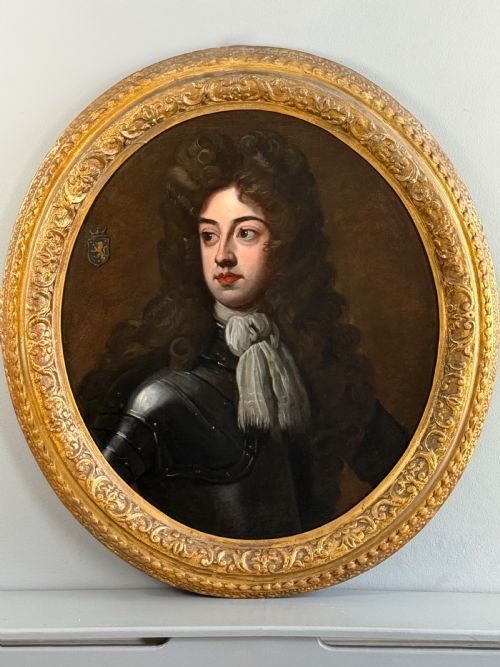
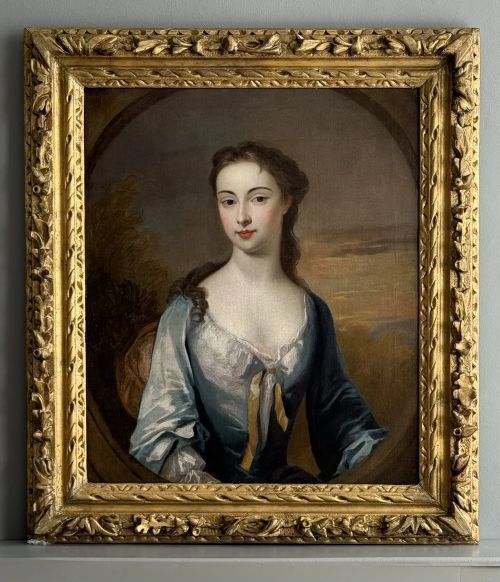
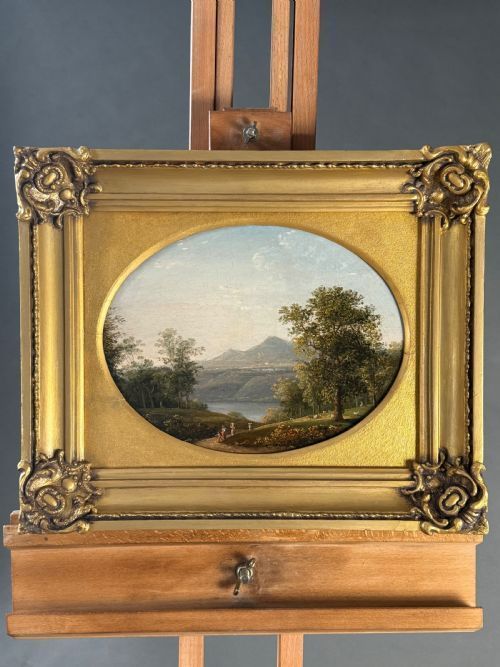
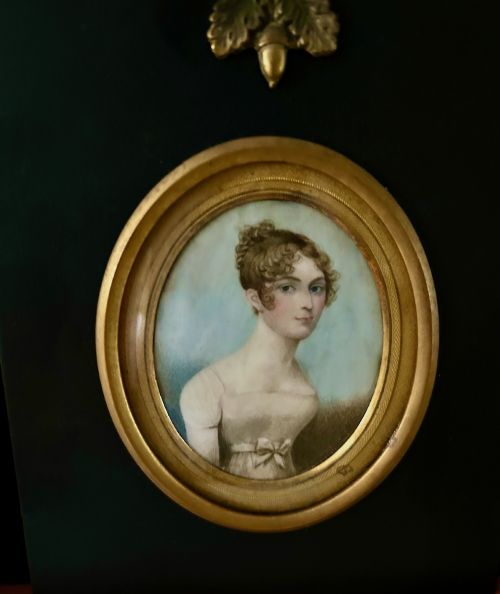
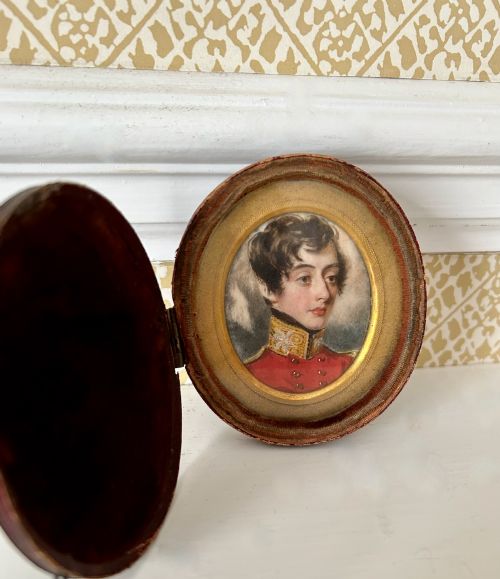
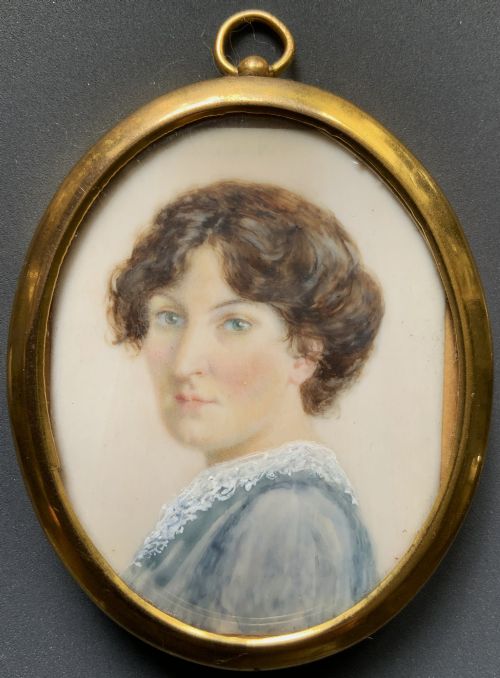
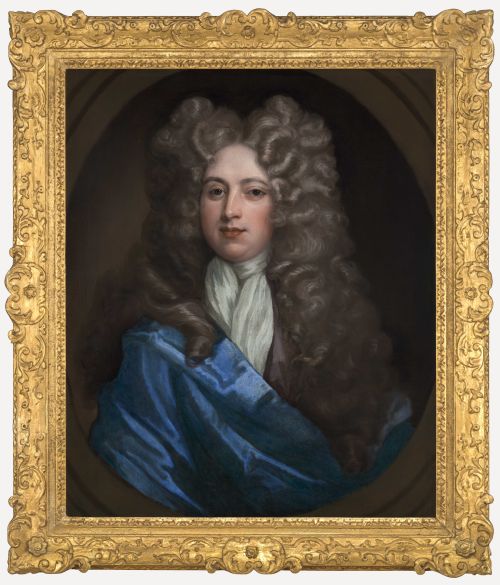
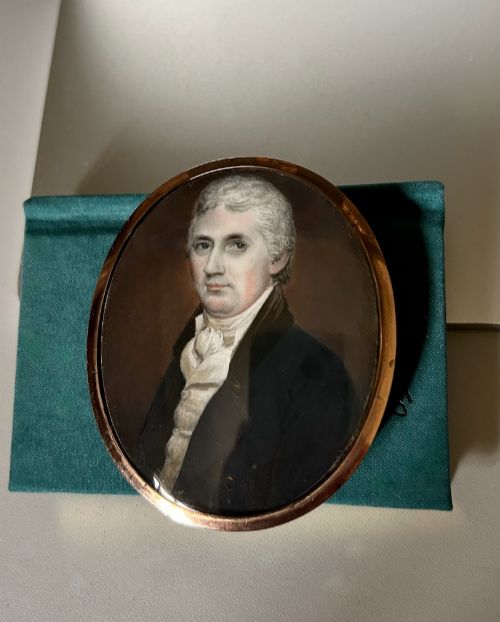
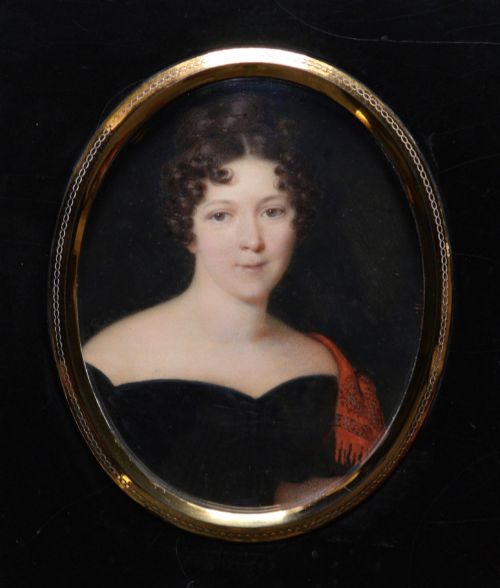
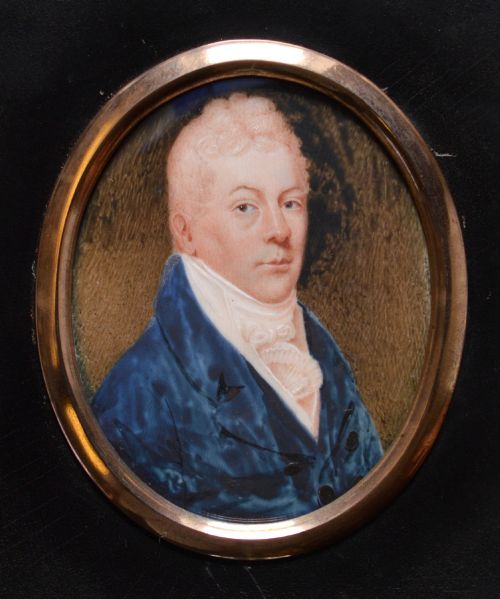
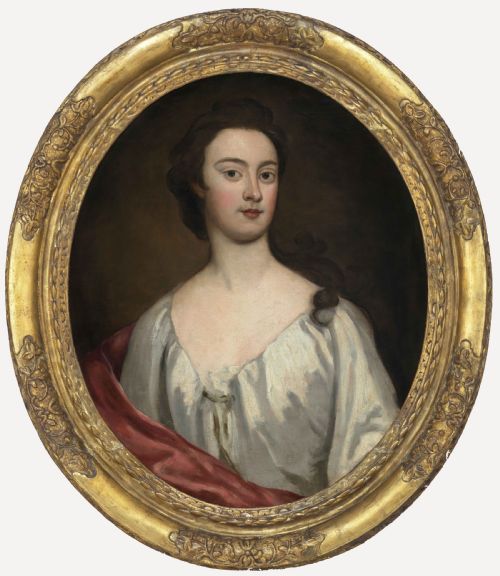
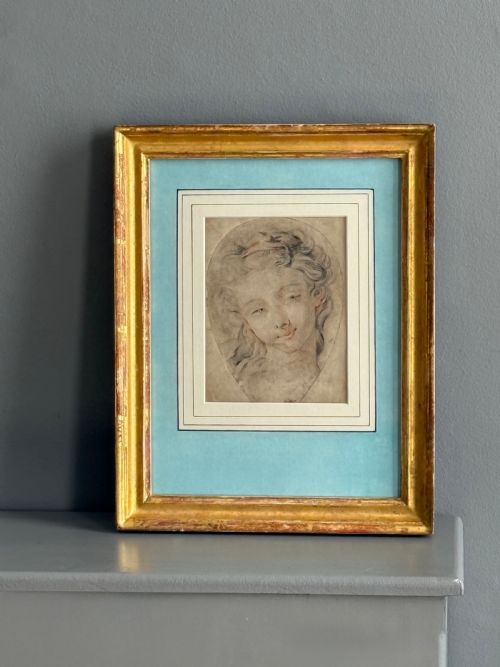
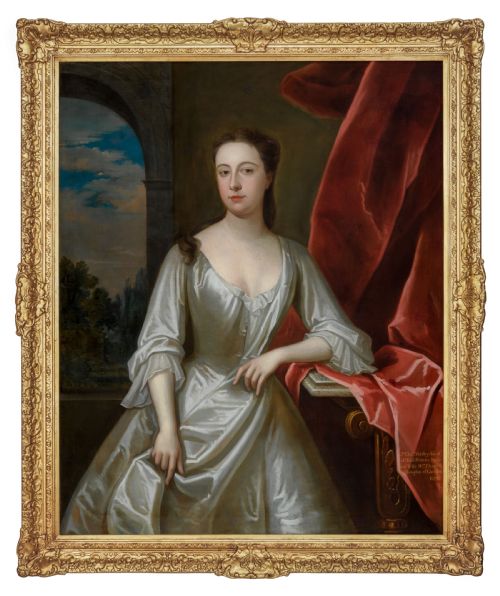
Antique oval frame art encompasses framed visual works shaped in curves rather than sharp corners, predominantly featuring oil on canvas paintings, portrait miniatures, watercolours, and engravings. Buyers encountering this selection will find a strong representation of historical portraits dating from the seventeenth, eighteenth, and nineteenth centuries, alongside Georgian silhouettes and landscape pieces.
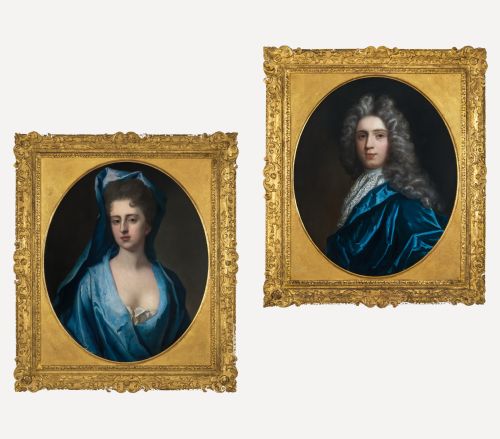
The subjects of these works range from titled nobility and gentlefolk to anonymous sitters captured in pastel, enamel, or ink. Such pieces provide an immediate connection to historical interior aesthetics, functioning as standalone focal points or paired arrangements on panelled walls.
How they were made
The physical construction of these works relies on traditional materials such as wood, glass, paper, and canvas, bound together by skilful craftsmanship. Frames are frequently formed from carved wood finished with gold leaf or giltwood, designed specifically to match the curved perimeters of the enclosed art.
Makers applied oil paints, watercolours, or executed delicate reverse glass painting and stipple engraving techniques to create the visual surface. The union of hand-worked precious metal leaf on wooden mouldings with hand-painted portraiture defines the physical execution of the surviving examples.
Several portraits preserve the intense gaze of subjects wearing elaborate periwigs and stiff lace collars from centuries past.
What varies in quality
Lesser items may show signs of later marriage between mismatched frames and pictures, or simplified execution in provincial portrait miniatures and engravings. The depth of the gilding, the integrity of the underlying canvas or paper, and the presence of documented artist attributions elevate certain items above standard decorative works.
Sir Godfrey Kneller·James Sharples·Henry Bone·Thomas Murray·Vincent Clare
The Antique Oval Frame Art Glossary
- Giltwood
- Wood that has been coated with a thin layer of gold leaf or gesso and gold paint. This technique gives frames a brilliant, light-reflecting metallic finish.
- Silhouette
- A profile portrait filled in with a solid dark colour, typically black, against a pale background. These were popular in the Georgian and Regency periods.
- Portrait Miniature
- A small, highly detailed painting on ivory, vellum, or card. They were often commissioned to commemorate family members or loved ones.
- Stipple Engraving
- A printmaking method where an image is created using dots rather than continuous lines. This technique allowed for delicate tonal gradations in skin and fabric.
Antique Oval Frame Art: Frequently Asked Questions
What periods do these pieces cover?
The works span from the late sixteenth and seventeenth centuries through the Georgian, Regency, and Victorian eras.
Most surviving examples cluster around the eighteenth and nineteenth centuries, reflecting the high popularity of oval portraiture during those times.
Were these frames made for the art?
Many pieces retain their original period frames designed specifically to accommodate the curved borders.
Over the centuries, however, some works have been paired with replacement frames from later decorative periods.
How do I care for these items?
These works require stable indoor humidity away from direct sunlight to protect fragile canvas, paper, and gilt surfaces.
Dusting should be done gently with a dry, soft brush without applying liquid cleaners to the frame or glass.
What subjects appear most often?
Human portraits dominate the category, depicting nobility, gentlemen, ladies, and children in detailed historical attire.
Occasional additions include landscapes, still life compositions, and botanical studies rendered in oil or watercolour.