




Antique Oval Decor
These pieces of antique oval decor bring curved lines and rich historic character to interiors through paintings, mirrors, and framed prints.
Antique Oval Decor
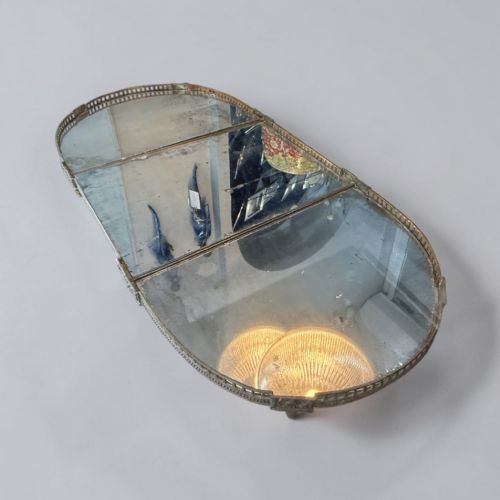
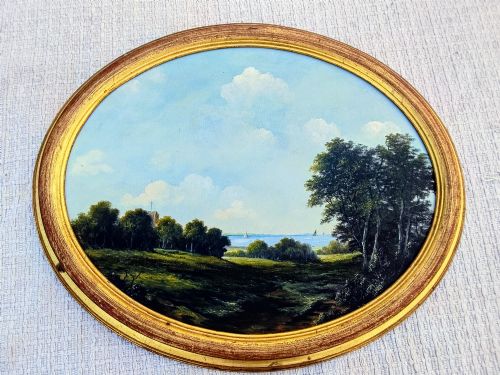
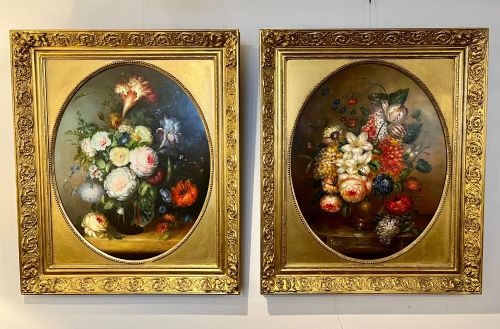
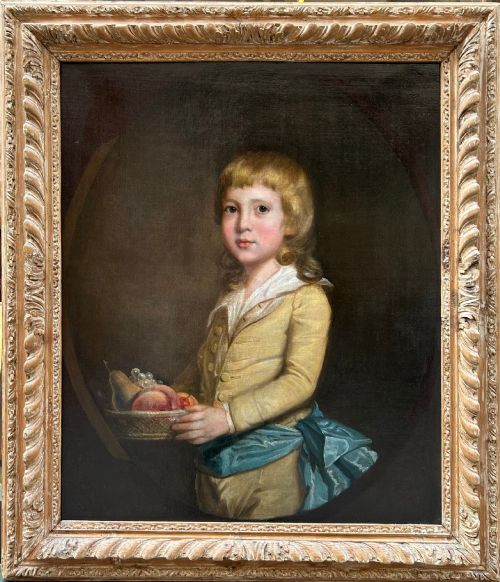
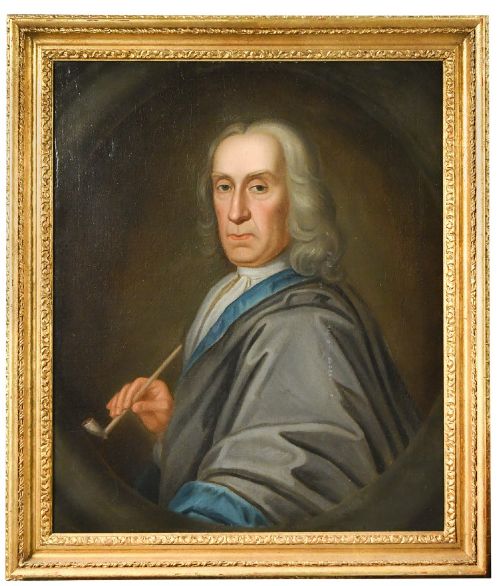
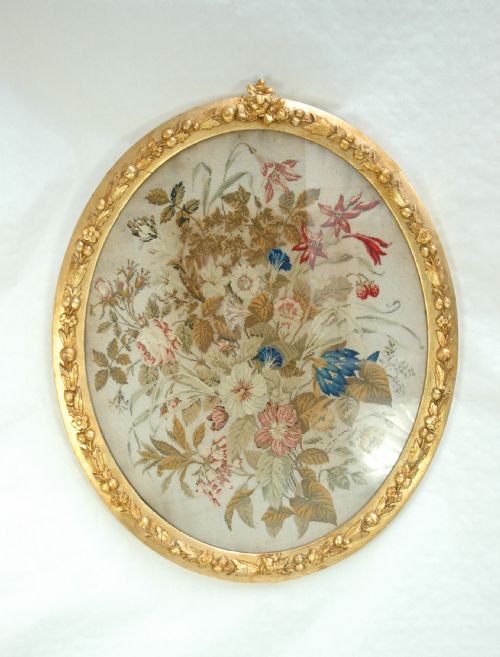
When buyers search for antique oval decor, they encounter a diverse selection of curved wall art, mirrors, and decorative objects drawn from centuries past. These items range from Georgian portrait paintings and Edwardian chinoiserie mirrors to 19th-century butterfly prints and table centrepieces.
The most common examples on this page are framed artworks and mirrors, often housed in giltwood, wood, or brass frames shaped to fit the curved format. Pieces span periods from the 18th century through the Edwardian era and mid-twentieth century, offering distinct aesthetic touches for interior spaces.
Portraits, botanical prints, and wall signage dominate the selection, showcasing how makers adapted traditional rectangular subjects into graceful curved borders. Each object reflects the stylistic preferences of its specific period, whether Dutch Golden Age influences or traditional maritime designs.
Materials and construction
Makers utilised traditional materials such as wood, glass, canvas, and metal, often finishing frames in giltwood or paint to enhance visual depth. Canvases and paper prints were stretched or mounted meticulously to fit curved wooden surrounds.
Joinery and framing techniques required specialist skill to form rigid curved structures without compromising the integrity of the artwork or mirror glass within. Brass and silvered metal items involved casting and shaping methods suited to functional and decorative wares.
Antique Oval Decor Retail Price Guide 2026
Typical asking prices for oval decor among the pieces listed under this phrase on Sellingantiques today, from the lower quarter to the upper quarter. They describe what is for sale here now, not the wider market.
Listings feature items from the 18th, 19th, and 20th centuries, utilising materials such as canvas, glass, and giltwood.
Assessing quality
Quality rests upon the skill evident in the execution of the painting, print, or metalwork, distinguishing master output from standard workshop production. Finer portraits and mirrors display superior handling of detail, proportion, and surface preservation.
The integrity of the frame and the original mounting significantly influence the desirability of a piece, as does the clarity of oil paint, canvas, or glass. Well-preserved surfaces retain their historic character without heavy intervention.
Thomas Beach·James Ferguson·Thomas Murray·Abraham Van Blyenberch·Thomas Hickey·Royal Worcester
The Antique Oval Decor Glossary
- Giltwood
- Wood carved and coated with gold leaf or a gold-coloured finish. This technique gives frames a bright, reflective surface popular in period decor.
- Chinoiserie
- European artistic style reflecting Chinese motifs and decorative patterns. It appears frequently on Edwardian mirrors and furnishings.
- Plumbago
- A drawing executed in graphite or lead pencil, resembling lead ore in colour. Eighteenth-century artists used this medium for detailed monochrome portraits.
- Table centrepiece
- A decorative object placed in the middle of a dining table for visual effect. Examples include silvered metal vessels and sculptural forms.
- Still life
- An artwork depicting inanimate subject matter, typically commonplace objects or food. These compositions highlight the artist's ability to render light and texture.
Antique Oval Decor: Frequently Asked Questions
How do I hang an oval mirror?
Oval mirrors require secure wall fixings that match the weight of the wooden or gilt frame. Ensure the hanging wire or brackets on the reverse distribute the load evenly.
Position the piece at eye level to make the most of the curved silhouette within your room arrangement.
How do I clean giltwood frames?
Dust giltwood frames gently with a soft, dry brush to remove surface particles without damaging the delicate finish. Avoid using water, solvents, or modern cleaning sprays on historic surfaces.
Consult a professional restorer if the gold leaf shows signs of flaking or instability.
What periods do these pieces span?
The selection includes items from the Georgian and Edwardian eras, alongside 19th-century works and mid-century pieces. Each era brings distinct materials and stylistic traits to the curved format.
Examining the backing materials and framing construction helps determine the precise age of an item.