

Antique Oval Art
When you search for antique oval art, you uncover centuries of portrait miniatures and oil paintings shaped by curved frames.
Antique Oval Art
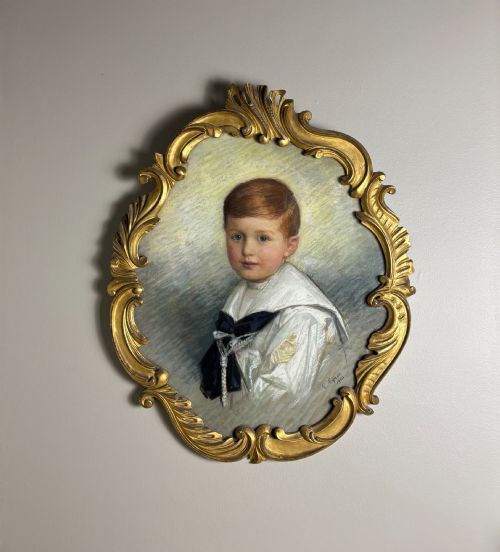
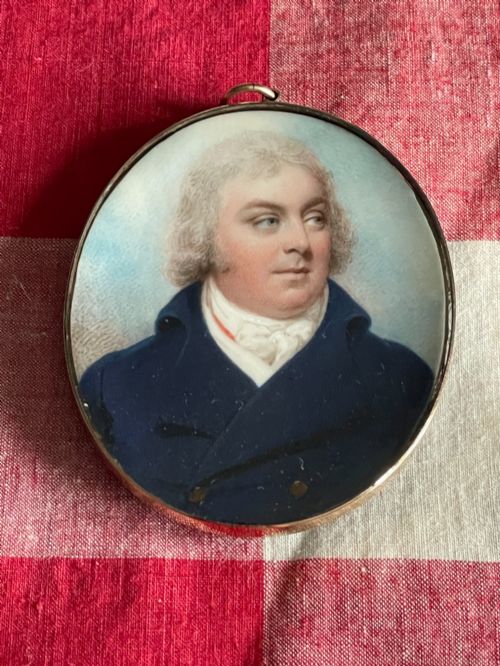
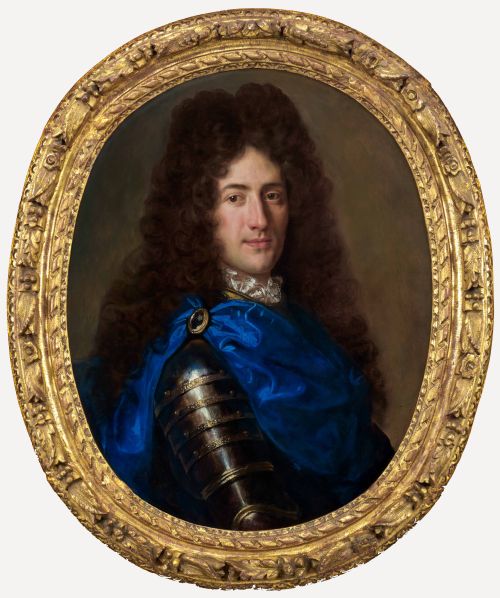
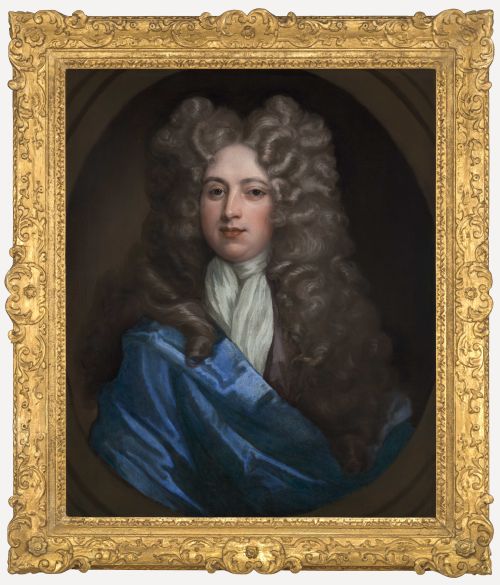
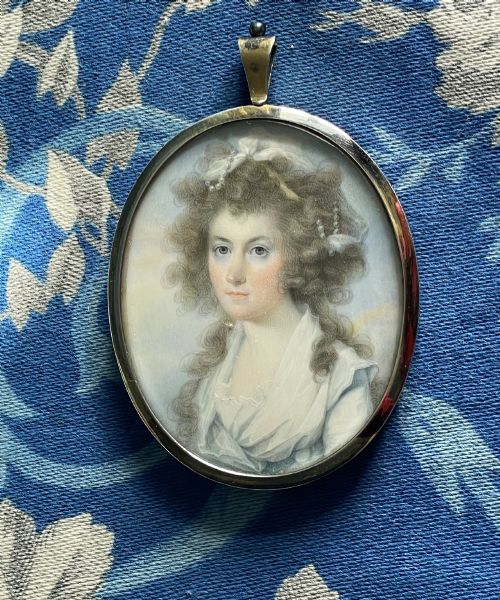
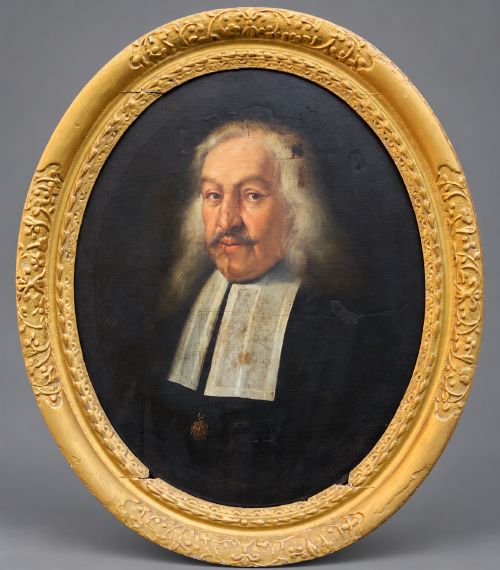
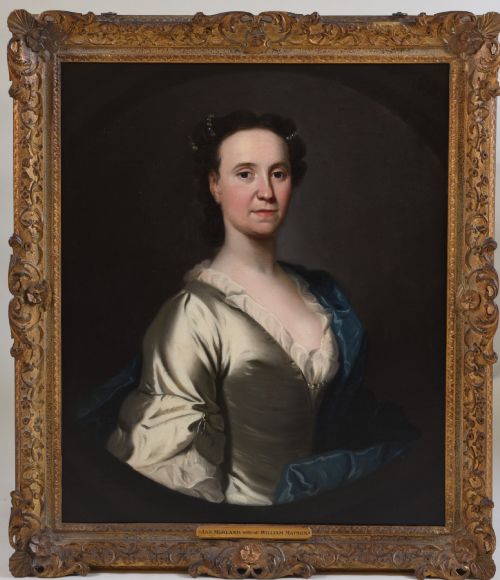
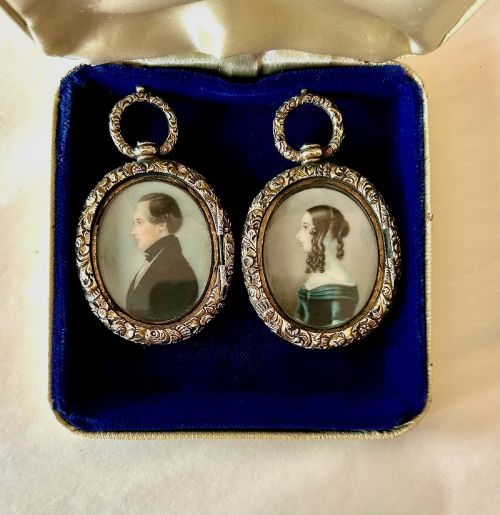
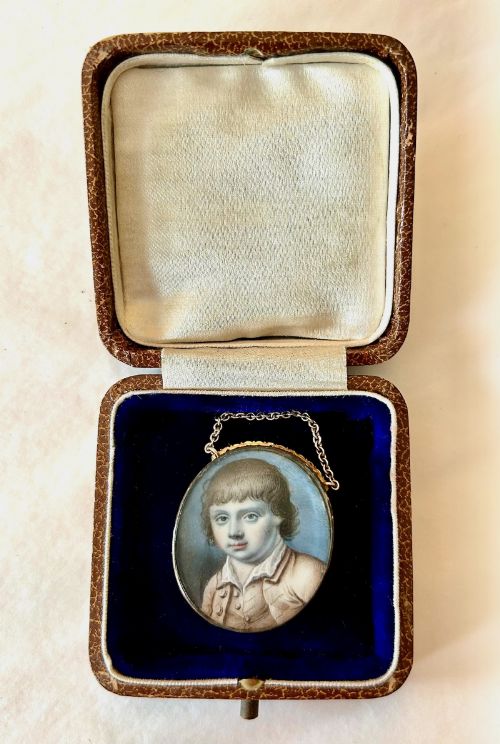
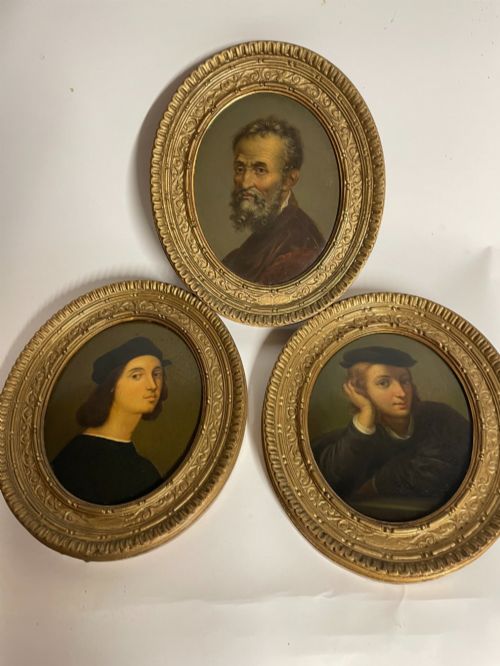
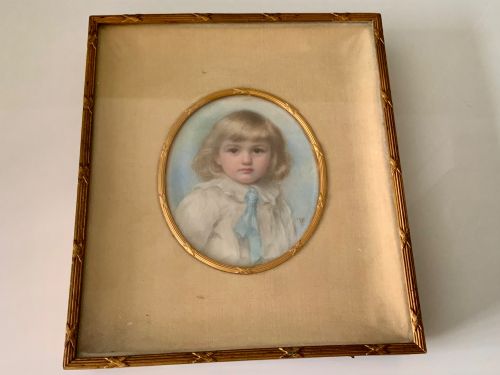
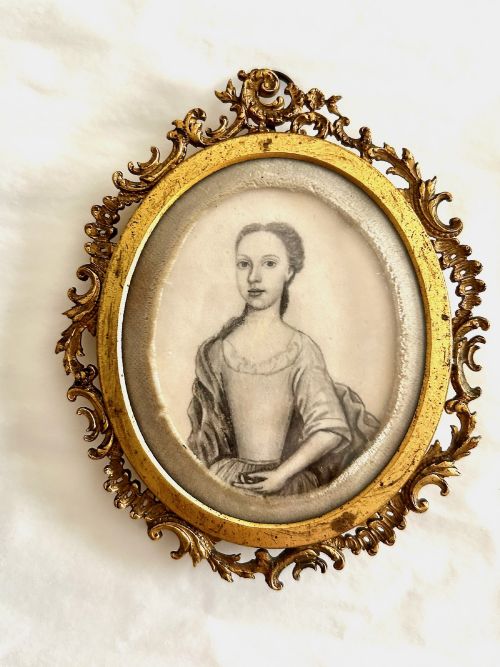
Antique oval art primarily comprises portrait miniatures, oil paintings, and pastels created across the seventeenth, eighteenth, and nineteenth centuries. These works often depict notable gentlemen, ladies, and officers rendered with careful attention to facial detail.
The selection also includes framed watercolours, engravings, and drawings produced during the Georgian and Victorian eras. Many of these pieces retain their original curved or rounded frames, which accentuate the subject depicted within.
Buyers will encounter diverse formats ranging from intimate pocket-sized portrait miniatures on paper to larger canvas oil paintings intended for wall display. Styles span from Baroque compositions to later Victorian and Edwardian interpretations.
How they were made
Artists utilised oil on canvas, delicate watercolours on paper, and pastel pigments to build depth and character in these portraits. Frames were fashioned from materials such as giltwood, brass, and inlaid mahogany to house the curved compositions securely.
Miniatures often incorporated fine supports like paper or ivory, requiring meticulous brushwork executed with microscopic precision. Larger canvases relied on traditional stretched linen primed for oil application by portrait painters.
Antique Oval Art Retail Price Guide 2026
Typical asking prices for oval art among the pieces listed under this phrase on Sellingantiques today, from the lower quarter to the upper quarter. They describe what is for sale here now, not the wider market.
Listings feature works spanning the 17th Century to the Edwardian era, utilising oil on canvas, watercolour, and giltwood frames.
What varies in quality
The skill of the artist dictates the overall calibre, visible in the lifelike rendering of eyes, clothing folds, and facial expressions. Master portraitists achieved a subtlety in skin tones and shadow work that lesser hands missed.
Preservation of the original medium heavily influences value, particularly where watercolour pigments remain vibrant and canvas surfaces show minimal craquelure or repair. The integration of the original frame further elevates the integrity of the piece.
Anna Tonelli·John Russell·Joseph Vivienne·Sir Godfrey Kneller·Charles Jervas·Jacob Philipp Hackert·Frederick Buck·Thomas Murray·Thomas Beach·David Scougall·James Sharples
The Antique Oval Art Glossary
- Portrait miniature
- A small-scale painted likeness, usually executed on ivory, vellum, or paper during the eighteenth and nineteenth centuries. These delicate items were often worn as jewellery or kept in protective cases.
- Pastel
- A dry drawing medium composed of powdered pigment and a binder, frequently used in the eighteenth century for soft-textured portraits. Works in this medium require glass protection to prevent smudging.
- Oil on canvas
- A painting technique using pigments suspended in a drying oil applied to a woven fabric support. This method allowed artists to achieve rich colours and smooth gradations.
- Giltwood
- Wood that has been treated with a thin layer of gold leaf or gold paint. It is commonly found on decorative antique frames surrounding paintings and mirrors.
- Silhouette
- A two-dimensional profile portrait filled in with a solid dark colour, often black, against a lighter background. Some examples incorporate reverse painting on glass for added depth.
Antique Oval Art: Frequently Asked Questions
What is antique oval art?
Antique oval art encompasses historical paintings, drawings, and miniatures framed within curved, rounded boundaries. These works date primarily from the seventeenth to the nineteenth centuries.
Subjects are predominantly human portraits, capturing sitters from various social strata in oil, watercolour, or pastel mediums.
How were portrait miniatures used?
Portrait miniatures served as intimate tokens of affection, often carried by travellers or worn close to the heart. Families commissioned them to remember absent relatives or commemorate betrothals.
Later, these small artworks transitioned into display pieces for cabinets and drawing room walls alongside larger oils.
How do I date an antique painting?
Dating relies heavily on the style of clothing, hair, and accessories worn by the sitter. Costume historians use these visual clues to narrow down the decade of creation.
Additionally, the stretcher construction, canvas type, and framing materials provide tangible evidence of the period.
How should I display antique art?
Antique paintings and miniatures require placement away from direct sunlight to prevent fading of watercolours and oils. Stable indoor humidity levels protect both the painted surface and the wooden or gilt frames.
Grouping several oval pieces together creates a striking gallery wall effect that complements period interiors.