



Antique Outdoor Shoe Wiper
These antique outdoor shoe wipers keep mud outside where it belongs, offering solid cast iron and stone utility for country houses and town doorways.
Antique Outdoor Shoe Wiper
An antique outdoor shoe wiper serves as a sturdy threshold fixture designed to clean heavy mud and dirt from footwear before entering the house.
Buyers searching for an antique outdoor shoe wiper will mostly encounter Victorian and Regency pieces, spanning simpler domestic forms to grand country house examples.
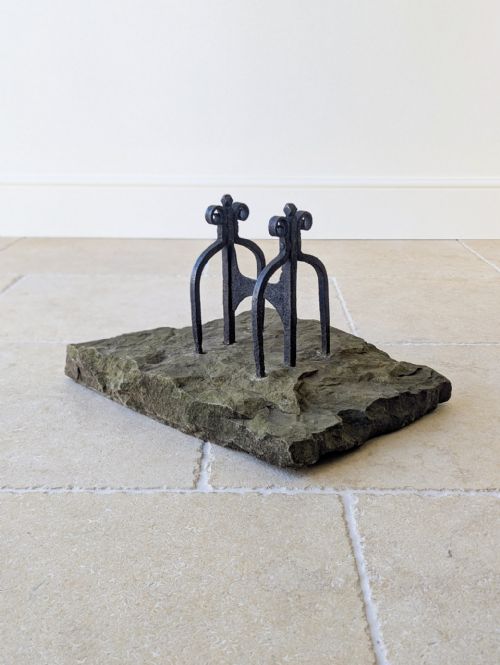
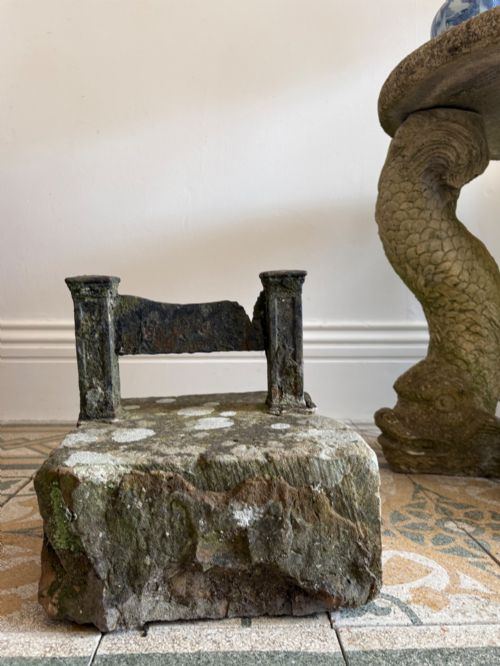
The primary forms found here combine a metal blade with either a heavy stone block base or direct architectural mounting for stability.
How they were made
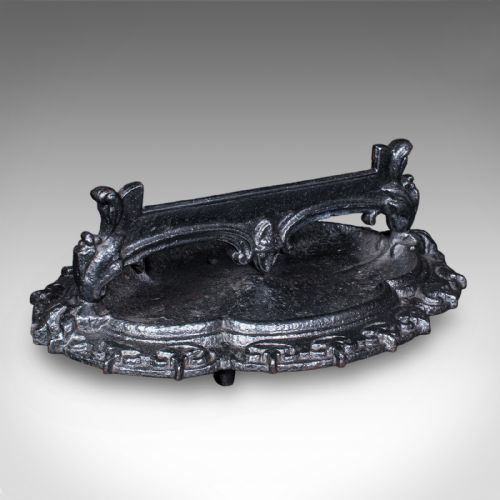
Makers utilised durable cast iron and wrought iron for the blades and scrapers, shaping the metal to withstand heavy boots and harsh weather.
Heavier elements incorporate Yorkstone and natural stone blocks, providing a solid foundation that keeps the scraper firmly anchored against the ground.
Construction methods combine forged or cast metal blades securely fitted into carved stone bases or architectural surrounds.
Some Victorians took their boot cleaning so seriously they installed paired scrapers, ensuring both feet met an iron blade simultaneously.
What varies in quality
Quality shows in the weight and substance of the materials, with larger country house examples and dense stone bases sitting visibly above standard domestic models.
Design detail distinguishes simpler utilitarian scrapers from pieces displaying Gothic Revival or Regency stylistic flourishes in the ironwork.
The Antique Outdoor Shoe Wiper Glossary
- Boot scraper
- A metal blade mounted near a doorway specifically for scraping thick mud off the soles of shoes. It forms the core functional element of these pieces.
- Cast iron
- Molten iron poured into a mould to create rigid shapes. It provides the heavy, durable structure for the blades and frames.
- Wrought iron
- Iron heated and hammered into shape by hand. This material offers tough, fibrous strength for traditional metalwork.
- Yorkstone
- A tough British sandstone traditionally used for paving and building. It anchors many of these outdoor scrapers with substantial weight.
- Gothic Revival
- An architectural and decorative style drawing on medieval forms. It introduces pointed arches and ornate structural details to the ironwork.
Antique Outdoor Shoe Wiper: Frequently Asked Questions
How do I install an antique outdoor shoe wiper?
Many examples are heavy enough to sit directly on a path or porch without fixing, thanks to their substantial stone or iron bases.
Lighter models designed for wall mounting or step fixing require appropriate masonry screws to hold them securely in place during use.
Where were these placed originally?
These scrapers stood immediately outside front doors, side entrances, and boot rooms of country houses and town residences.
Their exact placement caught visitors and residents right at the threshold before mud reached interior hallways.
How do I care for cast iron outdoors?
Cast iron naturally develops a protective dark patina over decades of exposure to the elements when kept clear of heavy debris.
Applying a light coat of suitable protective oil helps prevent active rust while preserving the historic surface texture.
Can I leave stone and iron outside all year?
Both cast iron and Yorkstone are exceptionally hardy materials built to withstand outdoor conditions through every season.
Freezing winter weather poses little threat to these dense materials provided water does not pool in unsealed crevices.