



Antique Outdoor Dining
Antique outdoor dining pieces bring period character to the garden through robust metalwork and timeless French and Victorian forms.
Antique Outdoor Dining
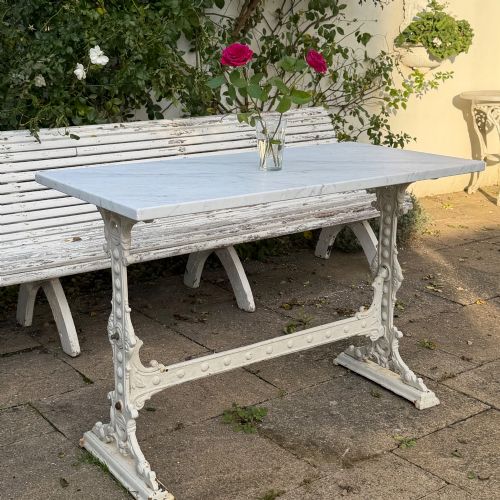
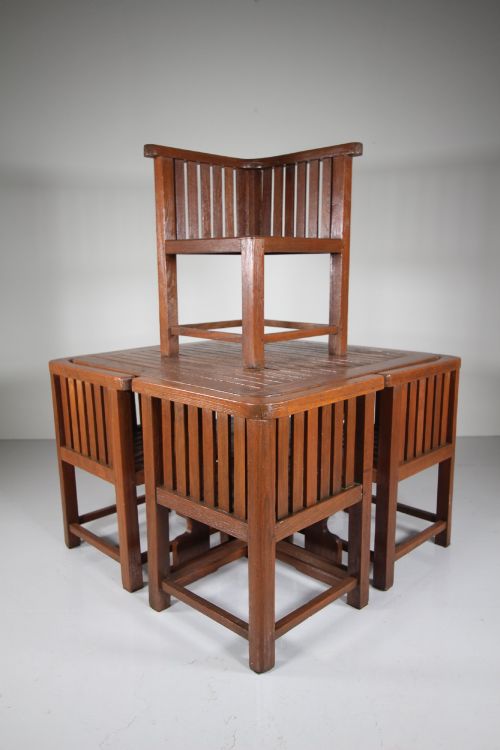
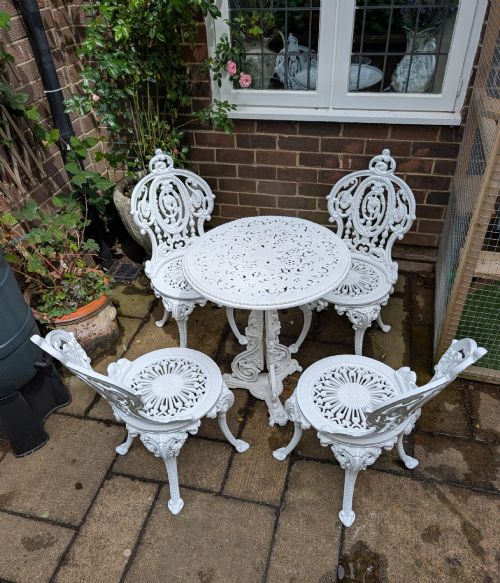
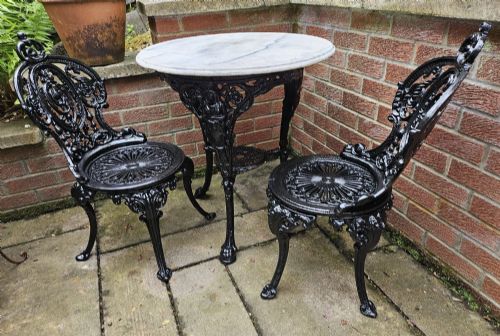
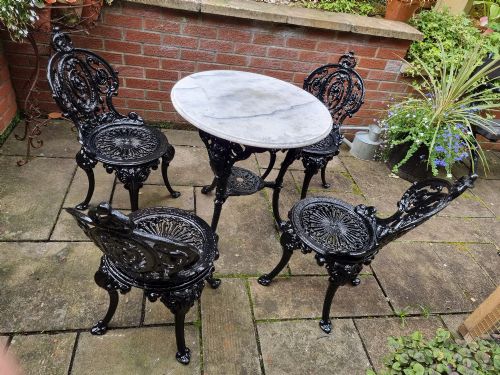
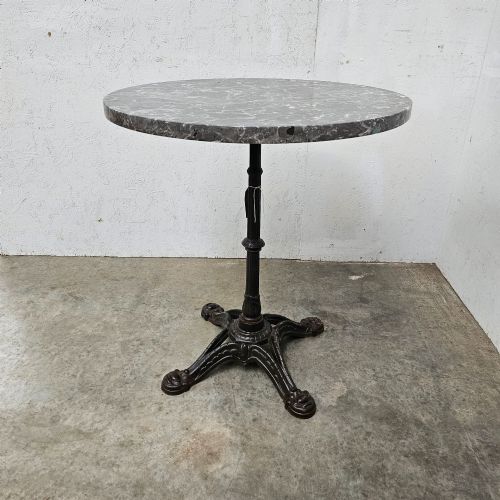
When you search for antique outdoor dining, you are looking at garden tables, bistro tables, and complete dining sets designed for al fresco use. These pieces span the nineteenth century, the Victorian era, and the early decades of the twentieth century, including the 1910s, 1920s, and 1930s. The most common versions you will meet on this page are French bistro tables and sturdy cast-iron garden sets comprising a table and matching chairs.
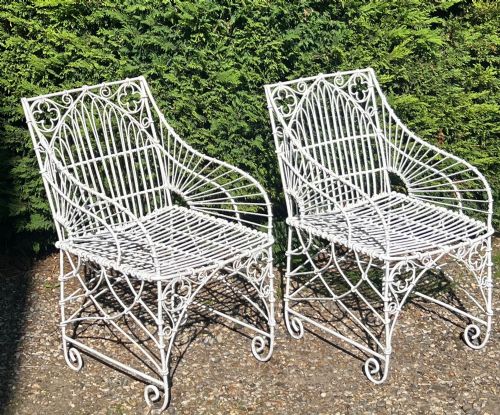
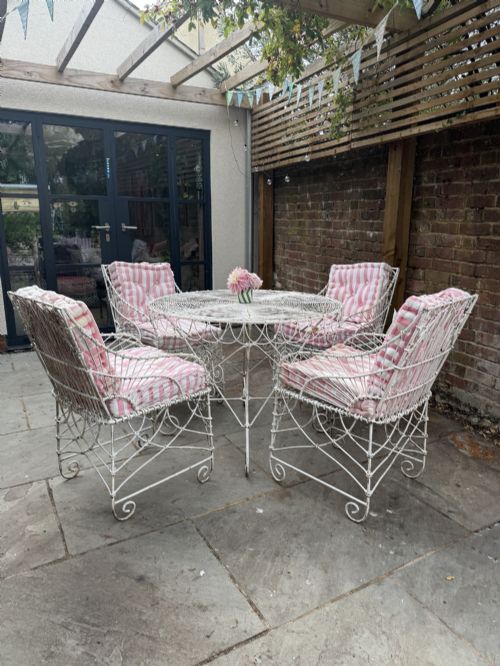
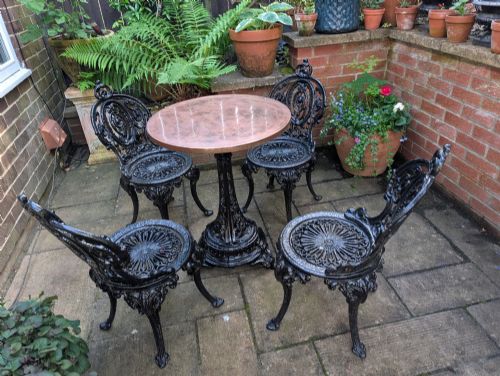
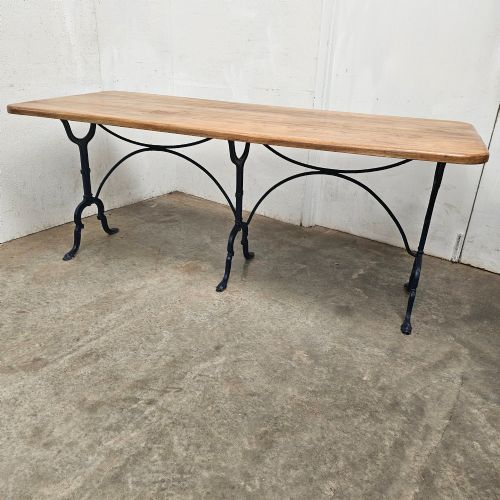
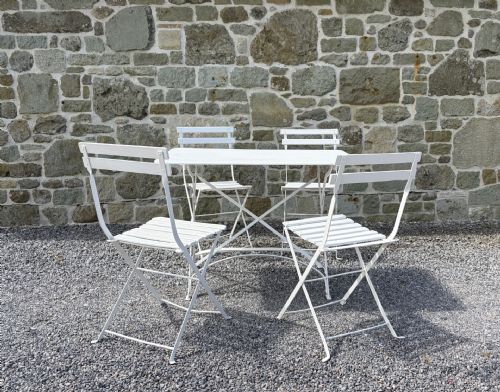
The styles range from classic Victorian wirework and French country designs to French provincial, industrial, and chateau aesthetics, alongside occasional Art Deco patio sets. Forms include long garden tables, cafe tables with marble tops, and heavy cast-iron sets designed to remain outdoors year-round. These groupings provide practical seating and dining arrangements rooted in European garden traditions.
How they were made
The construction of these pieces relies heavily on durable metals, specifically cast iron, wrought iron, sheet metal, and wirework, often paired with wooden elements like French elm or stone surfaces such as marble. Cast iron provides the weight and intricate ornamentation seen in Victorian and early twentieth-century table bases and chair frames. Wrought iron and wirework offer lighter, more malleable structures typical of French bistro and garden furniture.
Surface treatments play a crucial role in the manufacture of these items, with painted finishes providing protection and colour against the elements. Copper elements occasionally appear, adding metallic contrast to the primary iron frameworks. The combination of heavy metal casting and timber or stone tops ensures structural stability for outdoor use.
Antique Outdoor Dining Retail Price Guide 2026
Typical asking prices for outdoor dining among the pieces listed under this phrase on Sellingantiques today, from the lower quarter to the upper quarter. They describe what is for sale here now, not the wider market.
Periods represented span from the 19th century and Victorian era through the 1910s, 1920s, and 1930s.
What varies in quality
The quality of antique outdoor dining pieces is distinguished by the crispness of the iron casting and the integrity of the materials used. Finer examples display deeply defined decorative motifs and substantial weight, whereas lower tiers may feature simpler, mass-produced frames with less intricate detail.
Material combinations also elevate a piece, such as the inclusion of genuine marble tops or dense French elm rather than standard timber replacements. The presence of documented designs or attribution to specific makers separates standard utility furniture from exceptional examples.
Christopher Dresser
The Antique Outdoor Dining Glossary
- Cast iron
- An iron-carbon alloy poured into moulds to create heavy, rigid furniture components with detailed ornamentation. It forms the structural base for many Victorian and twentieth-century garden tables and chairs.
- Bistro table
- A small café or dining table, historically used in French establishments and outdoor terraces. These typically feature a single central iron base or four slender legs supporting a round or rectangular top.
- Wirework
- A technique involving bent and interwoven metal wires to form lightweight, decorative chair seats, backs, and plant stands. This style is particularly associated with Victorian garden furniture.
- French elm
- A dense hardwood native to France, frequently utilised for table tops paired with iron bases. It provides a durable and characterful surface for outdoor dining.
- Art Deco
- A design style emerging in the 1920s characterised by stylised geometric patterns and streamlined forms. Patio sets from this period reflect modern industrial influences.
Antique Outdoor Dining: Frequently Asked Questions
Are these sets suitable for outdoor use?
Most of these pieces were originally constructed for heavy garden use from durable metals like cast iron and wrought iron. They handle outdoor placement well when properly maintained.
However, wooden elements such as French elm and marble tops benefit from seasonal shelter or protective coverings during harsher weather conditions.
How do I identify a Victorian garden table?
Victorian pieces typically feature heavy cast-iron frames decorated with ornate botanical or classical motifs. The construction is exceptionally solid and substantial in weight.
Comparing the casting detail and overall proportions helps distinguish these nineteenth-century examples from later twentieth-century reproductions.
What is the difference between bistro and garden tables?
Bistro tables are generally smaller, lighter, and designed for cafes or compact spaces, often featuring marble or wooden tops on iron pedestals. Garden tables are usually larger, built for full dining sets.
Garden tables frequently incorporate heavier cast-iron bases intended to stay firmly in place on lawns or gravel terraces.
How should I clean a painted cast iron set?
Cleaning requires gentle washing with mild soapy water and a soft brush to remove dirt without damaging the historical painted surface. Avoid harsh chemical strippers unless a complete restoration is intended.
Preserving the existing paint layers often maintains more of the piece's character and historical patina.