

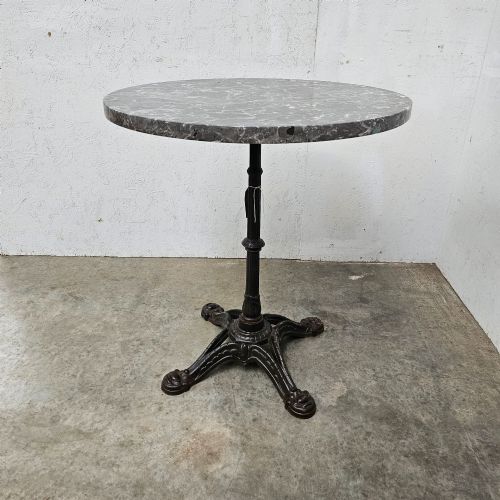


Antique Outdoor Dining Table
An antique outdoor dining table brings historic character to garden terraces, featuring robust metal and stone construction built to endure the elements.
Antique Outdoor Dining Table
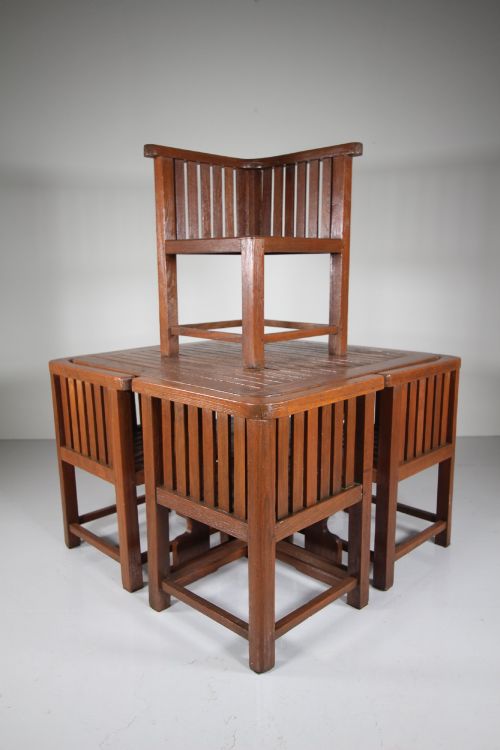
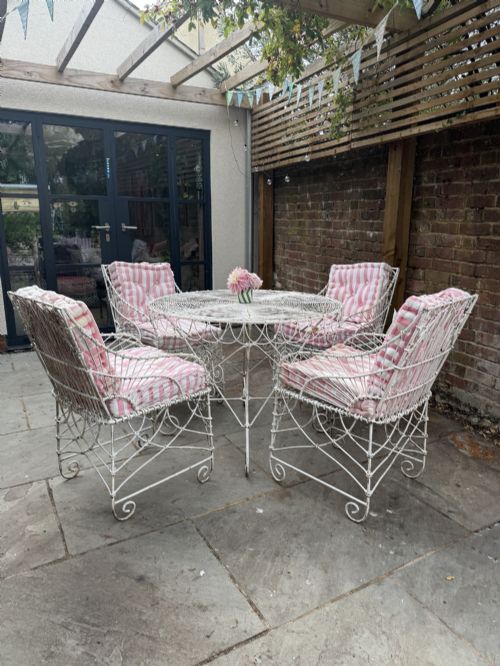
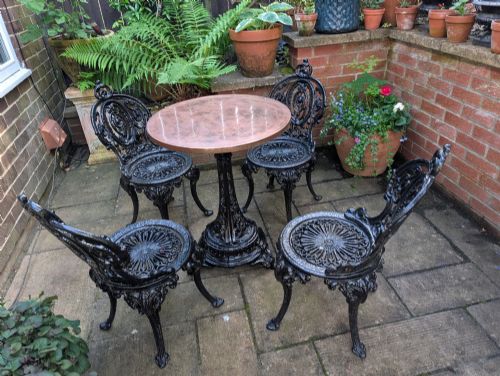
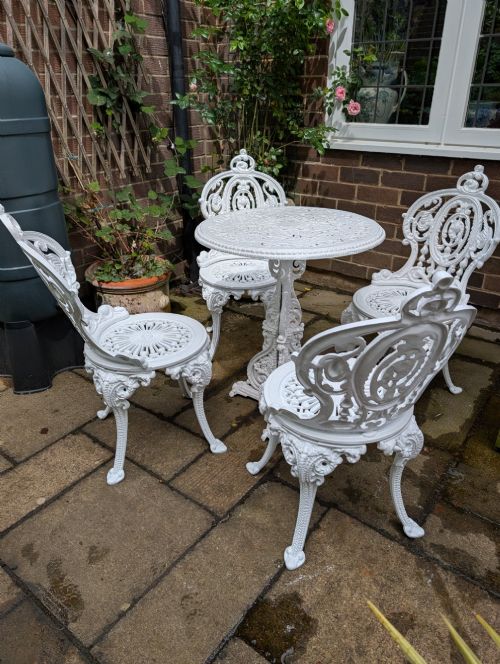
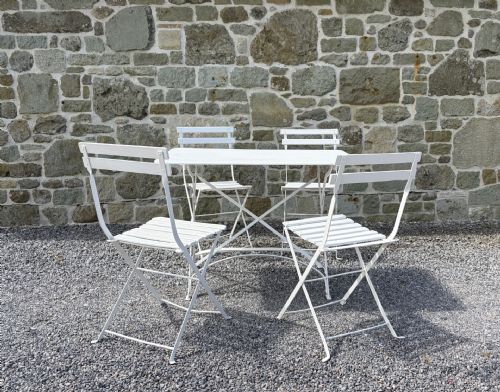
An antique outdoor dining table encompasses garden dining sets, bistro tables, and patio sets designed for exterior use. You will most frequently encounter heavy cast-iron sets alongside French bistro and cafe variations across this selection.
The evidence shows periods spanning the nineteenth century, Victorian era, nineteen-ten, nineteen-twenty, and nineteen-thirty. Styles range from Victorian wirework and French provincial to art deco and French chateau.
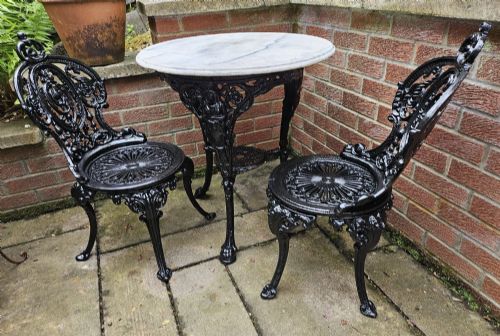
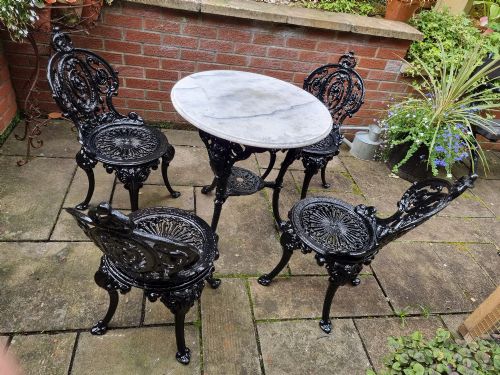
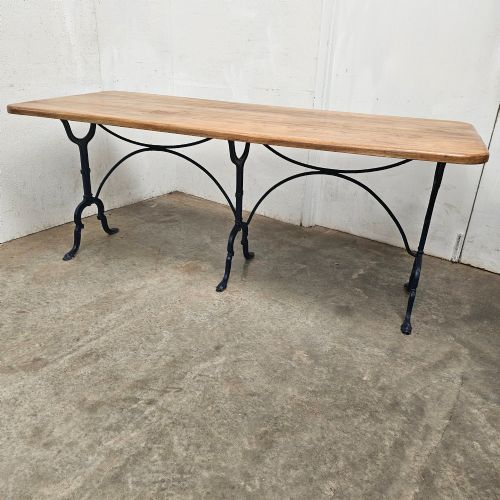
Forms include complete garden dining sets with four chairs, long French elm and iron tables, and marble-topped cafe tables. These pieces originate from domestic and continental traditions geared toward al fresco entertaining.
How they were made
Maker construction relies heavily on cast iron and wrought iron frames cast or forged into ornate structural and decorative components. These metal bases are frequently paired with solid French elm, heavy granite, or marble table tops.
Additional materials recorded in the evidence include wirework, copper, fabric, and applied paint finishes. These elements combine to create weather-resistant dining furniture capable of standing up to seasonal outdoor exposure.
Antique Outdoor Dining Table Retail Price Guide 2026
Typical asking prices for outdoor dining table among the pieces listed under this phrase on Sellingantiques today, from the lower quarter to the upper quarter. They describe what is for sale here now, not the wider market.
Some tables boast such immense cast-iron weight that rearranging the patio requires an entire family committee and perhaps a mild negotiation.
What varies in quality
The integrity of the original painted or patinated surfaces and the harmonious pairing of chairs with tables dictate desirability. Fine proportion and intricate styling distinguish standard utility pieces from masterworks of the period.
Christopher Dresser
The Antique Outdoor Dining Table Glossary
- Cast Iron
- A strong, hard alloy of iron poured into moulds to create intricate garden furniture frames. This material provides the substantial weight characteristic of nineteenth-century tables.
- French Provincial
- A rustic yet refined regional style originating from the French countryside. It often combines practical elm timber tops with sturdy iron bases.
- Wirework
- A technique of bending and twisting metal wire into decorative mesh patterns. Victorian makers utilised this method to create lightweight yet durable garden seats and tables.
- Bistro Table
- A small, compact dining table traditionally used in pavement cafes. These pieces feature single pedestal or four-leg iron supports with stone or wood tops.
Antique Outdoor Dining Table: Frequently Asked Questions
How do I date an antique garden table?
Dating relies on examining the manufacturing techniques, material combinations, and stylistic clues present in the casting or timber work. Pieces from the Victorian era often display heavier ornamentation compared to later art deco or nineteen-thirty designs.
Matching the construction methods of the iron frame to known period patterns helps narrow down the decade of production. Documentation or stamped signatures can occasionally provide a precise point of origin.
Can these tables stay outside year round?
Most of these tables utilise durable metals like cast iron and wrought iron paired with stone or treated wood. They are built to withstand outdoor conditions, though severe winter weather can affect painted surfaces.
Protecting vulnerable wooden tops and monitoring the metal for weathering helps preserve the condition of the piece. Regular maintenance ensures the structure remains stable through changing seasons.
What is the difference between a bistro table and a dining set?
Bistro tables are typically smaller, designed for intimate seating with two chairs in compact spaces. Garden dining sets generally include a larger table accompanied by four or more chairs for group meals.
Scale and footprint are the primary distinguishing factors when planning your outdoor layout. Bistro variations suit smaller patios, while full sets require dedicated terrace space.
How do I care for marble and stone table tops?
Stone and marble surfaces require gentle cleaning with mild soap and water to avoid damaging the porous material. Harsh chemicals or acidic cleaners will etch the polish and degrade the top.
Applying a suitable protective sealant helps guard against moisture and staining from outdoor use. Covering the table during prolonged periods of disuse keeps the surface pristine.