







Antique Ottoman Silver
Antique ottoman silver brings together intricate metalwork and historical utility, offering collectors rich decorative pieces from past centuries.
Antique Ottoman Silver
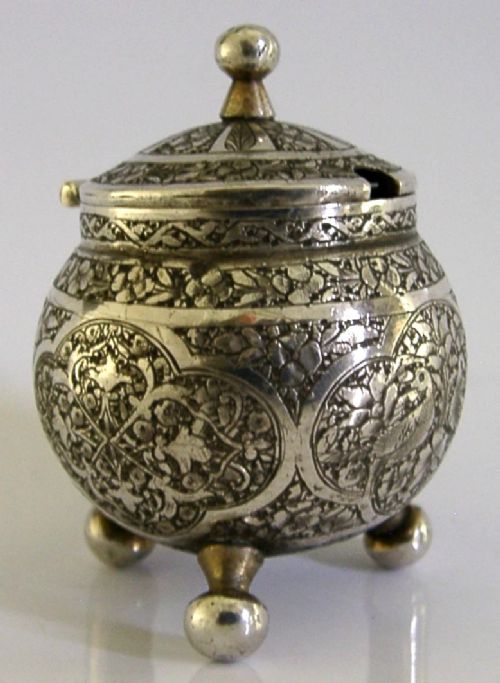
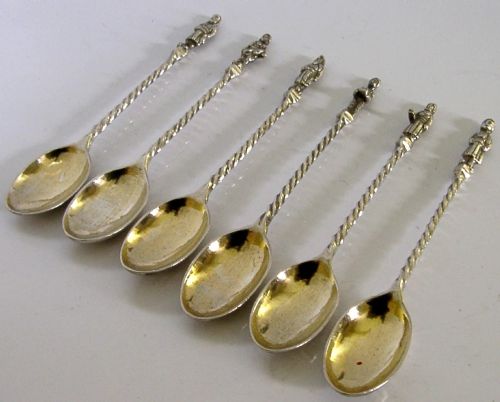
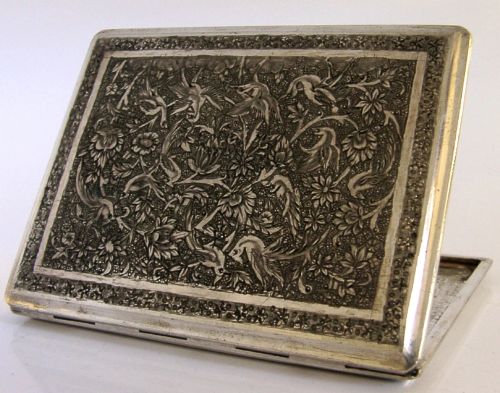
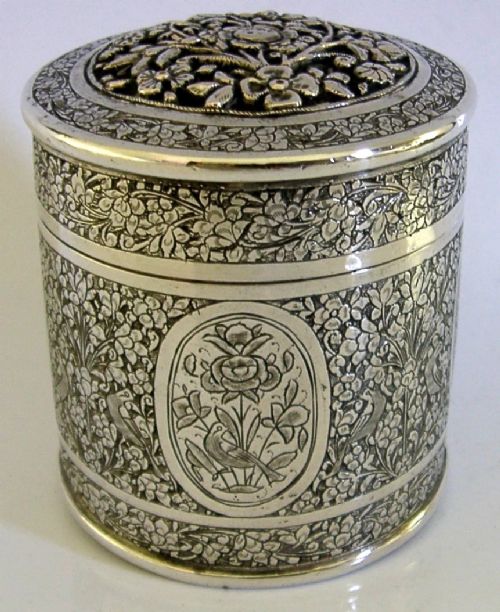
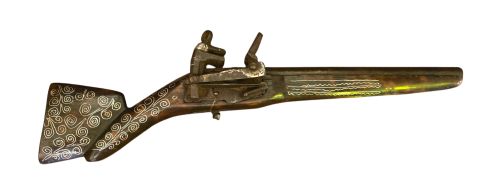
Antique ottoman silver encompasses a diverse range of functional and decorative items originating from the Ottoman Empire and its regional peripheries. Buyers searching for antique ottoman silver will encounter various forms spanning utilitarian vessels, personal accessories, and historical weaponry. The selection includes solid silver tea caddies, mustard pots, spoons, cigarette cases, and pocket watches, alongside regional pieces like Balkan flintlock pistols featuring silver inlay.
What varies in quality
The calibre of these items rests on the complexity of the craftsmanship and the weight of the metal utilised, with heavier solid silver pieces such as tea caddies and cigarette cases demonstrating substantial material investment. The fineness of the chased or inlaid detail separates standard utility items from exceptional ceremonial examples, particularly in the precision of silver wire work on firearms or the intricacy of filigree belts. Preservation of original surface decoration and minimal wear to delicate engravings also influence the standing of an individual piece.
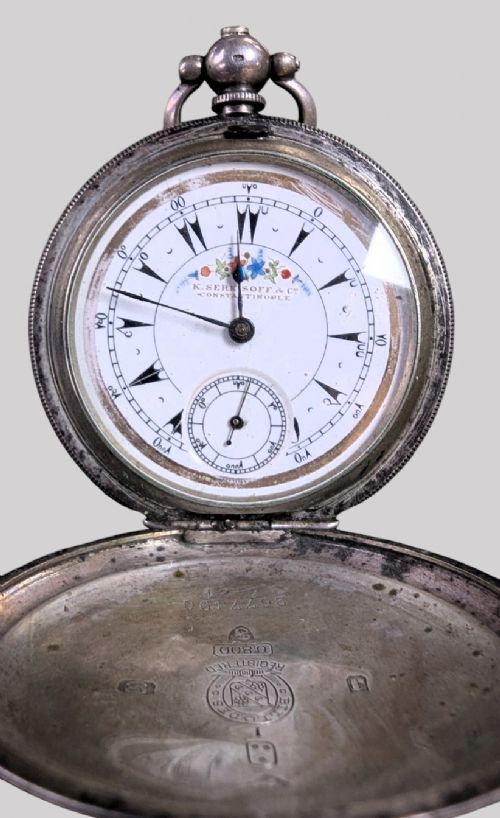
A nineteenth-century pocket watch carries a Cyrillic inscription alongside Ottoman military arms, hinting at cross-border travels.
The Antique Ottoman Silver Glossary
- Telkari
- Fine wirework filigree traditionally produced in regions such as the Black Sea coast of Turkey, creating lace-like patterns in silver.
- Flintlock
- A firearm ignition mechanism using a flint striking a steel frizzen to create sparks, frequently embellished with silver inlay on antique examples.
- Mamluk Revival
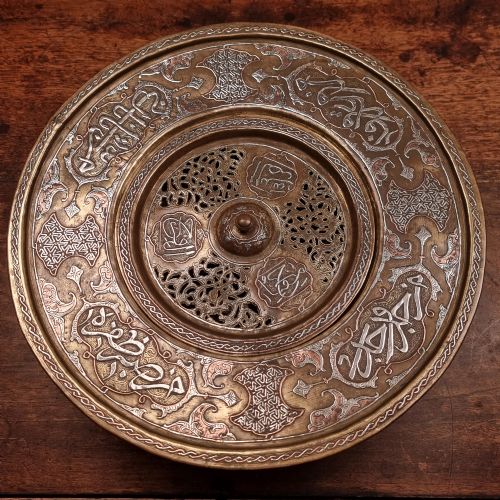
- A nineteenth-century artistic style that reinterpreted medieval Islamic forms and metalworking motifs from the Mamluk Sultanate.
- Full Hunter
- A pocket watch fitted with a spring-loaded metal cover to protect the dial, often engraved with military arms or inscriptions.
- Solid Silver
- A term denoting objects formed from substantial silver content rather than plated metals, ensuring lasting durability and weight.
Antique Ottoman Silver: Frequently Asked Questions
How do I clean antique silver?
Maintenance requires gentle handling to preserve patination and delicate engravings found on nineteenth-century pieces.
Harsh chemical dips should be avoided to protect inlaid elements like enamel, coral, or niello work.
Were these items used daily?
Many objects, including mustard pots, tea caddies, and pocket watches, served practical functions in households and personal routines.
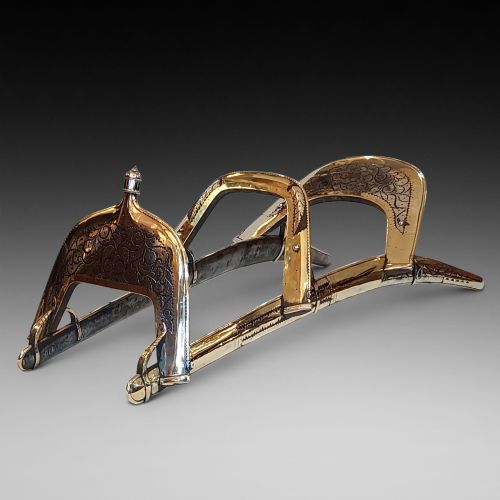
Other items, such as ceremonial camel saddles or heavily inlaid firearms, held specific status or regional decorative roles.
What periods do these pieces span?
The available selection primarily covers the eighteenth, nineteenth, and early twentieth centuries.
Dates range from late eighteenth-century Balkan flintlock pistols to 1920s cigarette cases and mustard pots.
How do I identify Ottoman silver?
Identification relies on observing traditional regional forms, decorative motifs, and construction techniques characteristic of Middle Eastern and Balkan workshops.
Materials such as solid silver combined with regional styles like Mamluk Revival help define the origin.