

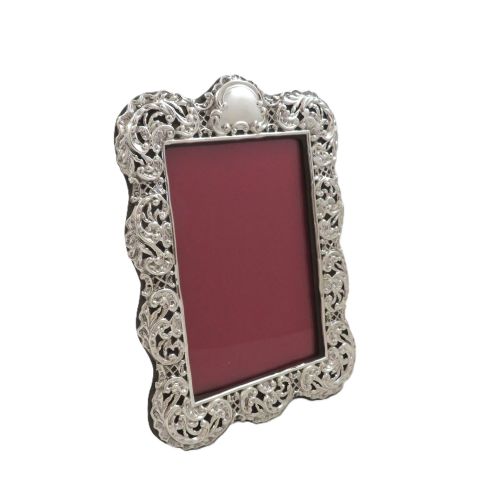


Antique Ornamental Silver
Antique ornamental silver brings striking Victorian and Edwardian craftsmanship to any room, offering decorative display pieces that catch the eye and anchor a traditional interior.
Antique Ornamental Silver
When someone searches for antique ornamental silver, they are looking at decorative domestic objects made largely in sterling silver or silver plate, spanning the nineteenth and twentieth centuries. These items range from picture frames and centrepieces to ewers and table gongs, reflecting diverse aesthetic movements and revival styles.
The versions most commonly met on this page include Victorian sterling silver photo frames, solid silver centrepieces, and elaborately detailed ewers or jugs. Pieces often incorporate mixed metals, brass, and polished steel alongside silver, showing how Victorian and Edwardian makers combined materials for visual impact.
Objects on this page also include functional decorative items like potpourri boxes, mantel clocks, and table lamps, each showcasing historical revival motifs such as Rococo, Mamluk, and Renaissance designs. Every piece serves primarily to adorn a mantelpiece, table, or sideboard rather than for heavy practical use.
How these pieces were made
Makers constructed these decorative objects using solid sterling silver, silver plate, and mixed metals including brass, copper, and polished steel. Techniques involved detailed hand engraving, chasing, and intricate metal work to produce complex floral and figurative motifs.
Many items incorporate contrasting textures, such as velvet linings inside boxes or inlaid metal details on brass bowls. Silversmiths and metalworkers shaped the heavy metal bases through casting and hammering, applying hallmarking to certify the silver standard.
Antique Ornamental Silver Retail Price Guide 2026
Typical asking prices for ornamental silver among the pieces listed under this phrase on Sellingantiques today, from the lower quarter to the upper quarter. They describe what is for sale here now, not the wider market.
The design styles represented across these decorative items include Victorian, Edwardian, Rococo Revival, Mamluk Revival, Aesthetic Movement, and Georgian Revival.
What varies in quality
The refinement of the surface detail and the crispness of the chasing separate standard items from finer works. Pieces featuring deep, hand-worked floral and dragon reliefs demonstrate superior craftsmanship compared to plain or lightly stamped alternatives.
Substantial weight in solid silver pieces and the complexity of mixed metal inlay work indicate higher manufacturing standards. The integrity of the structural joints and the preservation of original patination also mark out the better examples.
The Antique Ornamental Silver Glossary
- Sterling silver
- A silver alloy containing 92.5 percent pure silver and 7.5 percent other metals, usually copper. This standard composition guarantees durability while maintaining a bright metallic lustre.
- Hallmark
- An official stamp applied to precious metals indicating the standard of purity, the assay office, and the date of making. These marks provide a reliable guide to an item's origin and age.
- Centrepiece
- A large decorative vessel or bowl placed in the middle of a dining table or sideboard. These items were designed to dominate a room's decorative scheme.
- Ewer
- A large jug with a wide spout and curved handle, traditionally used for holding water but repurposed in later periods purely for ornamental display.
- Repoussé
- A metalworking technique where an artisan shapes the metal from the reverse side by hammering to form a raised design on the front. This method creates rich, tactile surface decoration.
Antique Ornamental Silver: Frequently Asked Questions
How were centrepieces used?
Large centrepieces occupied the middle of dining tables or sideboards during formal meals and gatherings. They served as grand decorative focal points to impress guests.
Over time, their role shifted to purely ornamental display on side tables and mantelpieces.
How do I care for silver?
Keep silver items away from direct sunlight and damp environments to preserve the metal finish and any associated materials like velvet. Regular, gentle dusting prevents the accumulation of grime in intricate chased recesses.
Avoid aggressive chemical polishes that can wear away thin silver plating or soften hand-engraved details on older pieces.
How do I identify Victorian pieces?
Victorian items often feature heavy, ornate decoration inspired by historical revivals such as Rococo and Renaissance styles. Look for official hallmarking stamps that indicate the exact year of assay and the standard of the metal.
Makers of this era frequently employed deep relief chasing, floral motifs, and mixed metal accents to achieve a rich, textured surface.