





Antique Ormolu Statuette
These antique ormolu statuette pieces bring gilt bronze splendour and finely cast character to a desk or mantelpiece.
Antique Ormolu Statuette
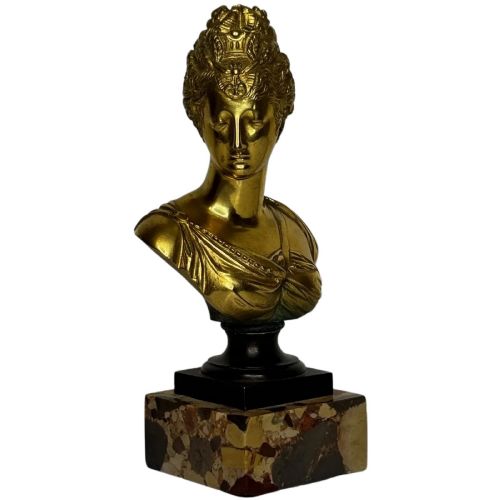
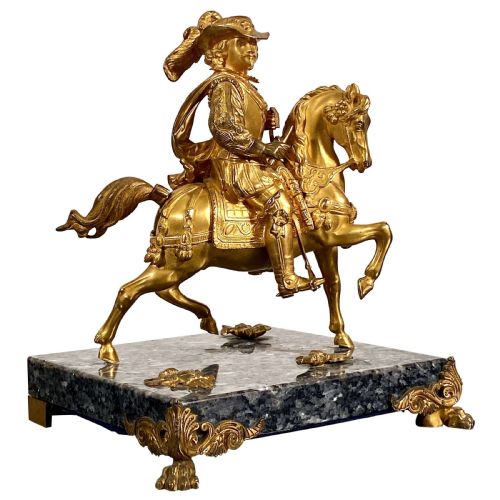
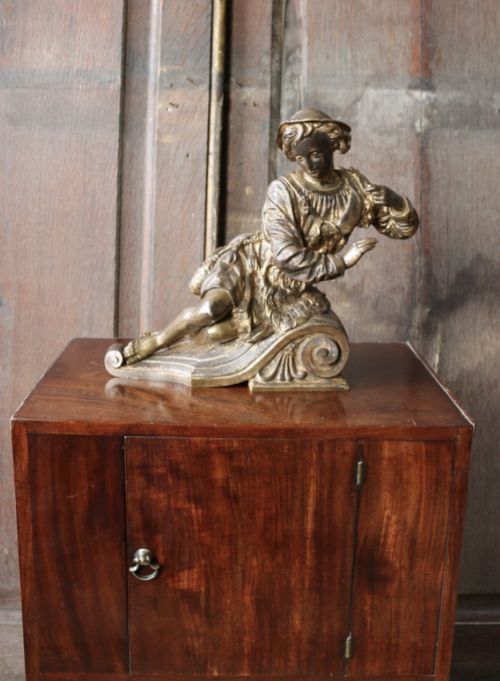
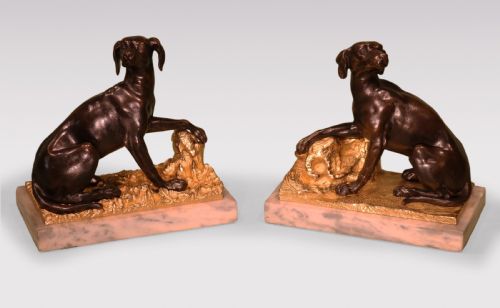
When you search for an antique ormolu statuette, you are looking at small sculptural works rendered in gilded metals and patinated bronze, frequently originating from French workshops during the eighteenth and nineteenth centuries. These pieces encompass portrait busts, animalier studies of hounds and bears, mythological figures like Diana de Poitiers, and literary subjects such as Hamlet.
The selections available here span diverse decorative movements, including French Empire, Rococo, Renaissance Revival, Neoclassical, and Art Nouveau styles. Alongside standalone figures, buyers will encounter functional forms incorporating these sculptures, such as table lamps, inkstands, and andirons.
Materials and construction
The primary mediums recorded in these pieces are gilt bronze, patinated bronze, and ormolu, occasionally augmented by bases or panels of marble and malachite. Spelter and gilt metal also appear as alternative base materials in certain figures.
Casting methods relied on traditional foundry techniques to achieve sharp detail in human portraits, equestrian figures, and animal subjects, followed by careful chasing of the metal surface and application of fire gilding or patination.
Antique Ormolu Statuette Retail Price Guide 2026
Typical asking prices for ormolu statuette among the pieces listed under this phrase on Sellingantiques today, from the lower quarter to the upper quarter. They describe what is for sale here now, not the wider market.
Listings feature works in gilt bronze, patinated bronze, marble, and malachite across nineteenth-century Victorian and Art Nouveau periods.
Evaluating quality and execution
The incorporation of complementary materials like shaped marble or inlaid malachite bases elevates the overall presence of the piece, as does the identification of a listed maker such as Christophe Fratin, Emile-Coriolan Guillemin, or Charlotte Monginot.
Emile-Coriolan Guillemin·Christophe Fratin·Charlotte Monginot
The Antique Ormolu Statuette Glossary
- Ormolu
- A method of applying finely ground gold-mercury amalgam to bronze, producing a rich golden finish known as gilt bronze.
- Patinated bronze
- Bronze that has been chemically treated to achieve a darkened, aged surface contrast against gilded highlights.
- Animalier
- A nineteenth-century sculptural style focusing on realistic depictions of animals, often shown in naturalistic or dynamic poses.
- Spelter
- A zinc alloy frequently utilised as a less expensive alternative to bronze for nineteenth-century decorative figures.
Antique Ormolu Statuette: Frequently Asked Questions
What is an ormolu statuette?
An ormolu statuette is a small sculpture cast in bronze and finished with a surface of applied gold or mercury gilding, creating a brilliant decorative object.
These pieces often depict historical figures, mythological subjects, animals, or literary characters within French decorative arts traditions.
How do I style a bronze statuette?
Bronze and ormolu figures sit well upon wooden mantelpieces, writing desks, and side tables where their metallic sheen catches the light.
Pairing them with complementary nineteenth-century objects like marble inkstands or lamps enhances a traditional interior scheme.
How do I identify French animalier bronzes?
Animalier bronzes focus specifically on realistic or action-filled portrayals of animals, such as hounds with game or bears engaged in human activities.
Nineteenth-century examples by recognised modellers often carry signature stamps directly on the bronze base alongside the foundry mark.
What is the difference between bronze and spelter?
Bronze is a strong copper alloy capable of holding exceptionally sharp casting details and heavy patination, highly valued by period founders.
Spelter is a softer, zinc-based metal that was frequently utilised for more commercial nineteenth-century figures and can be distinguished by its lighter weight.