


Antique Ormolu Figures
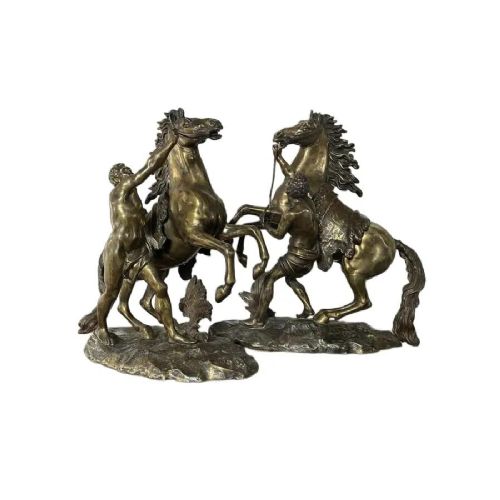
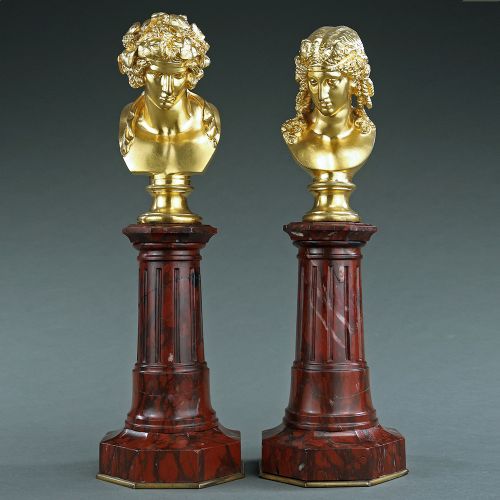
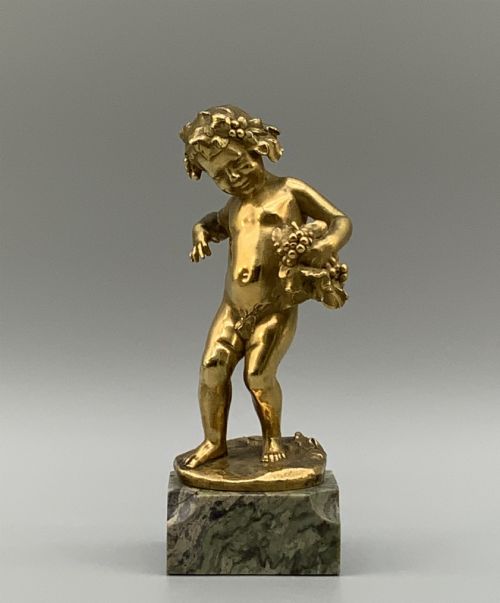
Antique ormolu figures bring the golden warmth of fire-gilded bronze into a room, capturing mythological subjects, classical deities and decorative fauna.
Antique Ormolu Figures
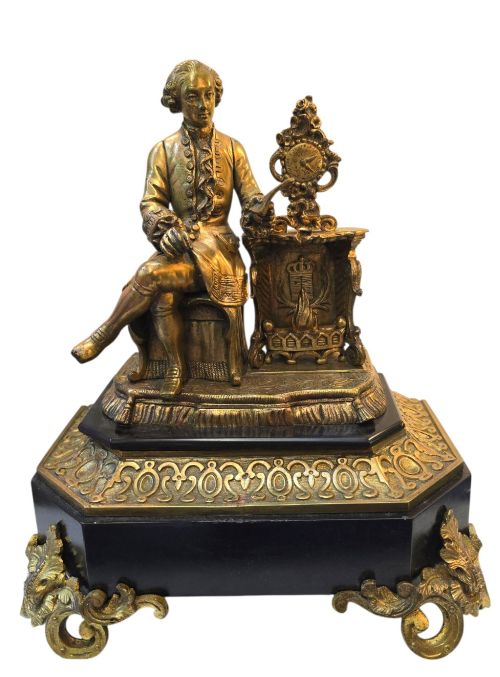
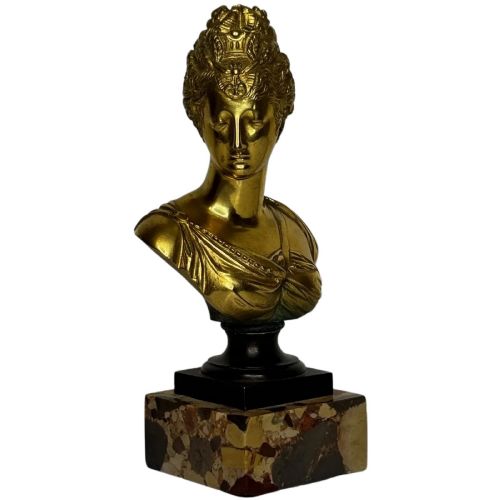
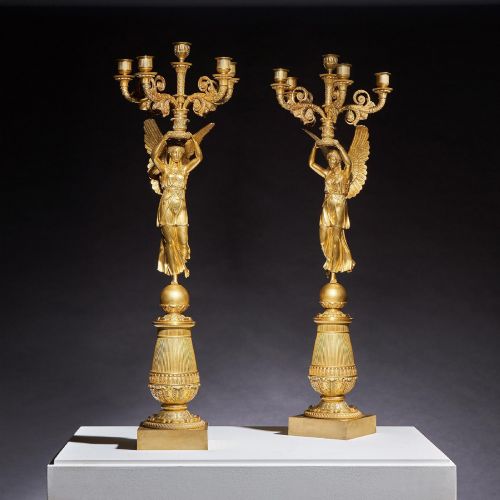
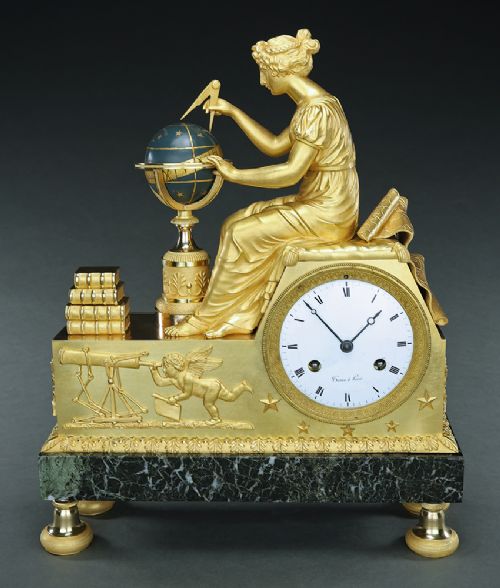
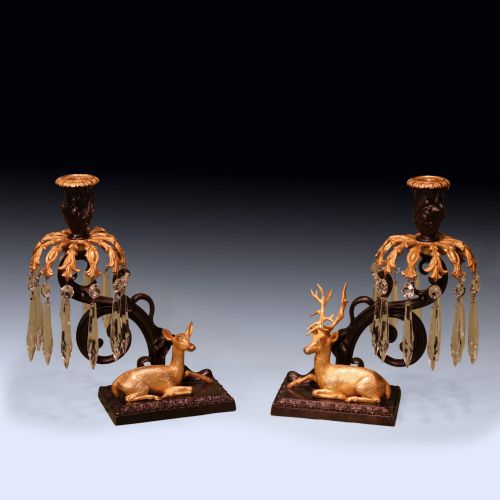
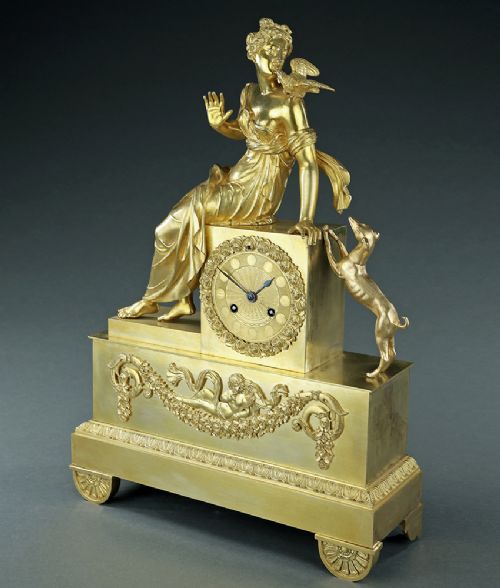
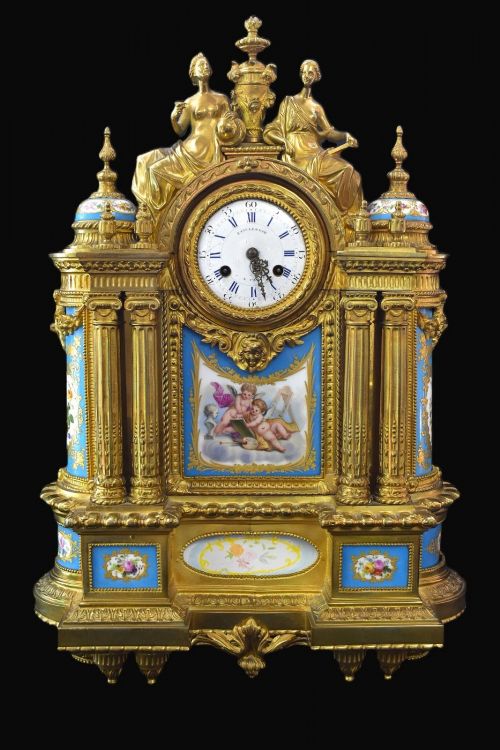
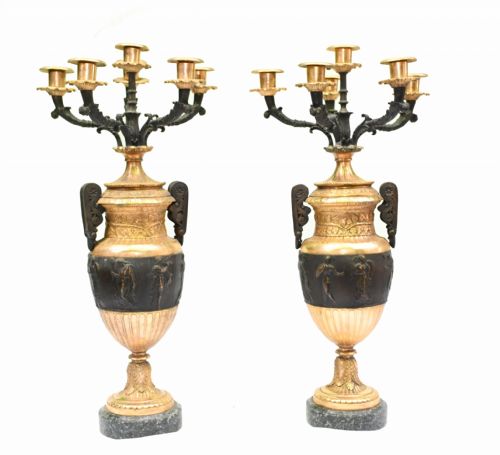
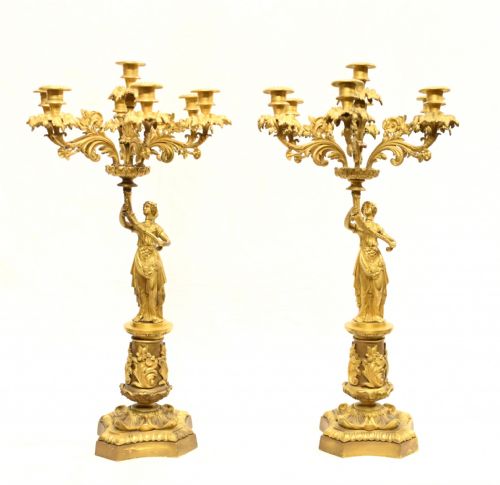
When searching for antique ormolu figures, collectors encounter sculptural works cast in bronze and finished with a gold mercury amalgam, alongside functional objects mounted with gilt bronze elements. These pieces frequently take the form of mantel clocks, candelabra, garniture sets and standalone statuettes depicting classical figures, animals and allegorical subjects.
The material appears across the eighteenth, nineteenth and early twentieth centuries, with a strong representation of nineteenth-century French manufacture in styles ranging from Empire and Rococo Revival to Louis XVI and Neoclassical. Figures of mythological deities, putti and historical personages dominate the selection, often combined with white or veined marble bases.
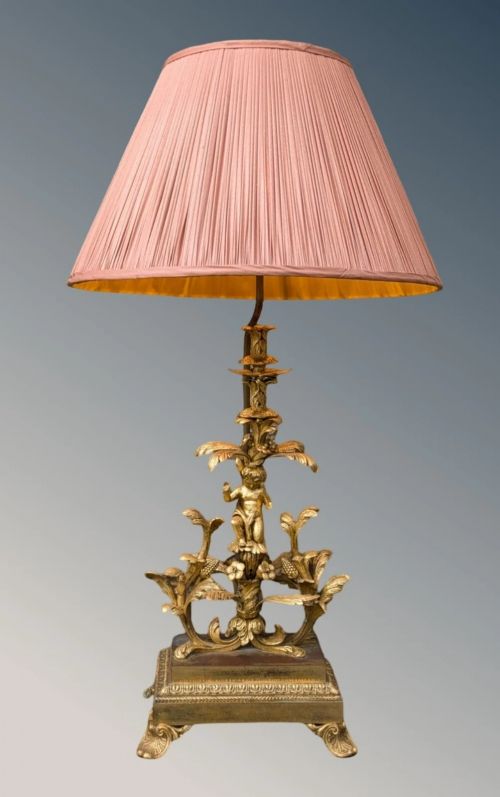
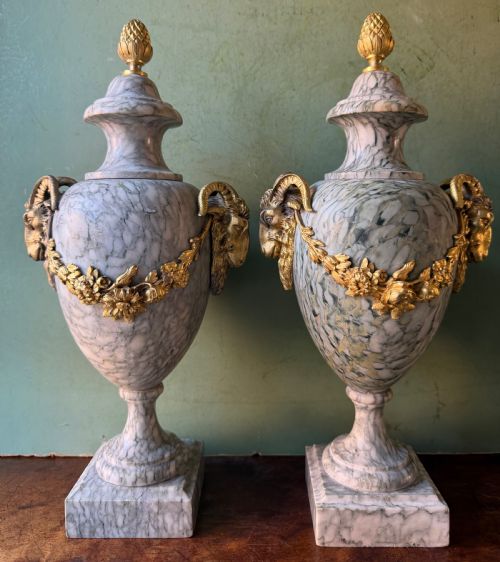
Alongside independent sculptures, the listings include ornamental vases, inkwells and table lamps where gilt bronze mounts elevate porcelain, glass or stone bodies. These decorative objects demonstrate how the technique served both pure sculpture and utilitarian interior furnishings.
Materials and casting methods
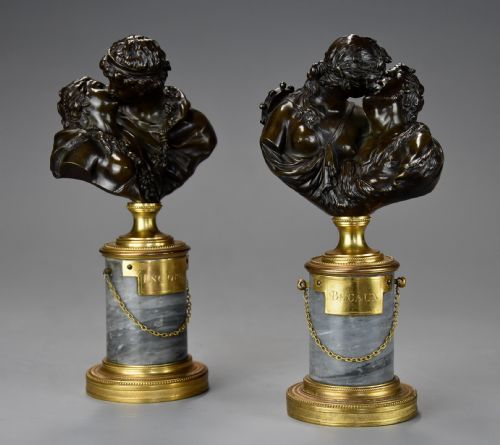
Bases and structural components frequently incorporate contrasting natural materials such as Campan vert marble, white marble and rock crystal, paired with patinated dark bronze to create tonal variety against the bright ormolu. Porcelain plaques from Sevres and Meissen elements also appear integrated into clock cases and candelabra bases.
Antique Ormolu Figures Retail Price Guide 2026
Typical asking prices for ormolu figures among the pieces listed under this phrase on Sellingantiques today, from the lower quarter to the upper quarter. They describe what is for sale here now, not the wider market.
A whimsical bronze and ormolu emu inkwell stands ready to hold diplomatic stationery.
Evaluating craftsmanship and definition
Quality rests primarily on the crispness of the bronze chasing and the depth of the subsequent gilding, where superior examples retain sharp relief in feathers, vine leaves and facial expressions. Casts pulled from worn moulds lose definition, resulting in softened contours that require more finishing by hand.
The integration of secondary materials dictates the standard of the piece, such as the selection of finely veined marble for bases or the inclusion of original patinated bronze contrasts. Heavier bronze gauge and substantial weight distinguish superior cabinet bronzes and clock garnitures from lighter commercial production.
Charles Louis Malric·Susse Freres·Pierre-Augustin Caron de Beaumarchais·Pierre Philippe Thomire·Reiche·Thomas Hope·Etienne Lenoir·Emile-Coriolan Guillemin
The Antique Ormolu Figures Glossary
- Ormolu
- A term derived from the French for ground gold, describing objects made of copper-alloy or bronze coated with a gold amalgam using fire-gilding techniques.
- Garniture
- A set of matching decorative objects, typically comprising a central mantel clock flanked by matching candelabra or vases designed for a chimneypiece.
- Patinated bronze
- Bronze treated with chemical solutions to produce a dark brown, green or near-black surface colour that contrasts with the bright gold of adjacent ormolu mounts.
- Candelabra
- Branched lighting fixtures designed to hold multiple candles, frequently modelled as classical figures or mythological subjects carrying sconces.
Antique Ormolu Figures: Frequently Asked Questions
What is ormolu?
Ormolu is a historic term for gilded bronze, produced by applying a gold and mercury mixture to a cast bronze base and heating it until the mercury evaporates.
This leaves a bonded layer of gold that provides a warm, matte yellow finish resistant to tarnishing.
How do I clean antique ormolu?
Cleaning requires only very gentle dusting with a soft brush, avoiding any abrasive polishes or chemical dips that strip the thin historic gold layer.
Water and commercial metal cleaners will permanently damage fire-gilded surfaces.
Were these figures made as clocks?
Many figural ormolu pieces served as architectural housings for clock movements, incorporating dials flanked by mythological or allegorical figures.
These clock sets often came with matching candelabra to form a decorative garniture.
How do I spot nineteenth-century French work?
Nineteenth-century French pieces typically display exceptional sharpness in the bronze chasing, adherence to Neoclassical or Empire iconography, and heavy cast bronze construction.
Many incorporate signature materials like Campan vert marble or Sevres porcelain panels.