

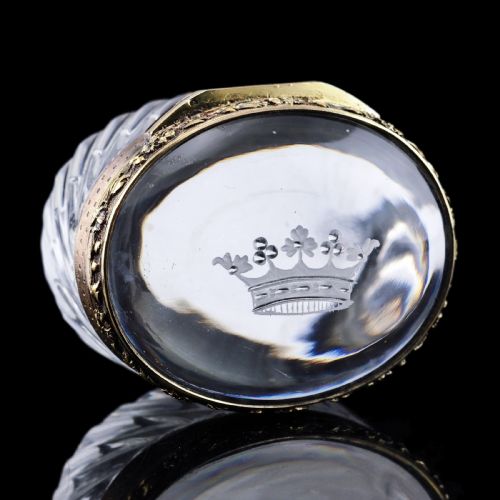


Antique Ormolu Casket
An antique ormolu casket is a heavy, gilded metal container meant for dressing tables and desks, prized for holding precious trinkets.
Antique Ormolu Casket
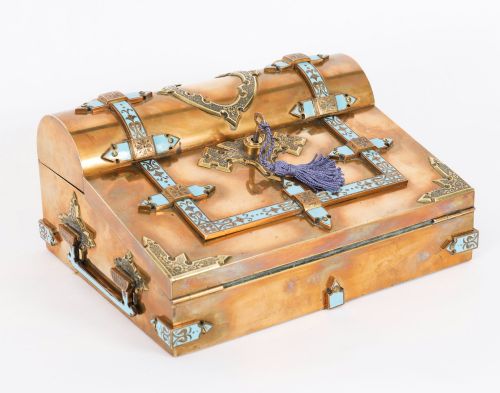
When you search for an antique ormolu casket, you encounter heavily ornamented metal boxes designed to secure jewellery, trinkets, and correspondence on a nineteenth-century desk or dressing table. The pieces found here span the Victorian era through the turn of the twentieth century, with French workshops dominating the selection.
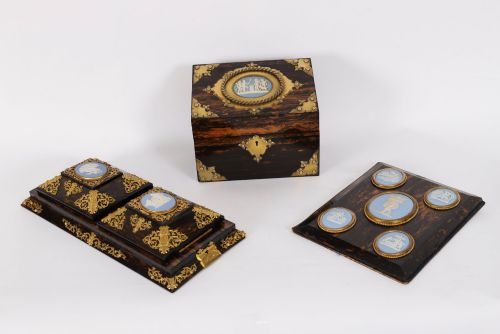
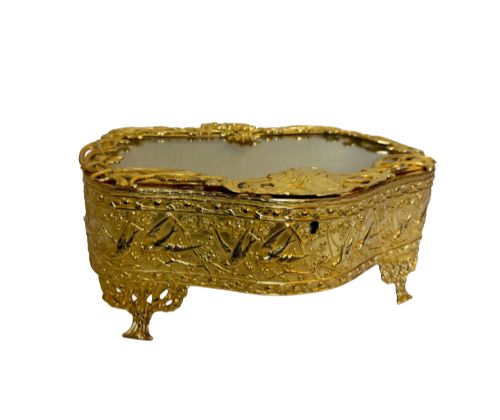
The commonest forms on this page include jewellery caskets, trinket boxes, and fitted desk sets, often combining gilded mounts with contrasting panels of porcelain, glass, or stone. These containers range from compact boxes intended for small rings to larger display cabinets resting upon elaborate feet.
How they were made
The construction of these caskets relies upon cast bronze or brass treated with an ormolu gilding technique, creating a durable golden surface that frames inset panels. Makers combined this metalwork with diverse materials such as Sevres porcelain, Limoges miniatures, cut crystal, and exotic woods like coromandel and kingwood.
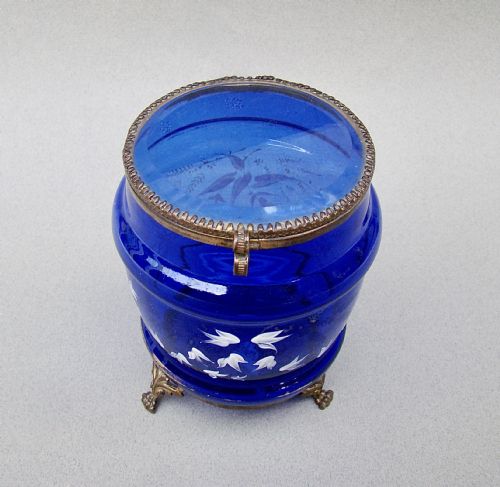
Many boxes incorporate specialised decorative inserts including pietra dura stonework, jasperware, and Bristol blue glass held securely within the metal framework. Internal linings typically consist of velvet or silk fitted specifically to hold rings, writing implements, or perfume bottles.
Antique Ormolu Casket Retail Price Guide 2026
Typical asking prices for ormolu casket among the pieces listed under this phrase on Sellingantiques today, from the lower quarter to the upper quarter. They describe what is for sale here now, not the wider market.
Listings feature items from the nineteenth century, including specific years like 1860, 1870, 1880, 1890, and 1900.
What varies in quality
The distinction between standard boxes and exceptional pieces rests upon the crispness of the bronze casting and the depth of the mercurial or electroplated gilding. Finer examples display deeply chased surface detail and substantial weight in the metal mounts rather than light, stamped components.
Quality also appears in the integration of materials, where hand-painted porcelain panels by factories like Sevres or precision-cut crystal elevate a utilitarian box into a significant decorative object.
Edwards and Jones
The Antique Ormolu Casket Glossary
- Ormolu
- A gilded bronze technique utilising gold amalgamated with mercury, applied to metal mounts during the eighteenth and nineteenth centuries. This process creates a distinctive matte and burnished golden finish.
- Pietra dura
- An inlay technique using cut and fitted polished coloured stones to create pictorial designs on tabletops and caskets. Italian artisans frequently employed this method on nineteenth-century boxes.
- Coromandel
- A dense, dark tropical hardwood featuring dramatic contrasting streaks, utilised for luxury nineteenth-century desk sets and boxes. It provides a heavy, rich foundation for ormolu mounts.
- Sevres
- A French porcelain factory renowned for painted panels featuring cobalt grounds and figurative scenes. These plaques frequently form the lid inserts of nineteenth-century jewellery caskets.
- Jasperware
- A fine-grained stoneware developed by Josiah Wedgwood, characterised by white relief figures against a coloured ground. It appears mounted within ormolu desk accessories.
Antique Ormolu Casket: Frequently Asked Questions
What is an ormolu casket?
An ormolu casket is a decorative metal box featuring a gold-coloured finish applied to bronze or brass. These pieces were manufactured primarily during the nineteenth century to store jewellery and small personal items.
Such boxes often incorporate glass, porcelain, or stone panels within the metal framework. They served both a practical storage function and a decorative role in opulent Victorian and continental interiors.
How do I date an antique casket?
Dating relies on examining the construction methods, the style of the metal casting, and the materials used in the panels. Pieces associated with the French Second Empire or Napoleon III eras display distinct revival ornamentation from the mid to late nineteenth century.
Signatures on porcelain panels, maker stamps on locks, and the specific composition of the interior velvet lining provide further chronological markers. Nineteenth-century examples frequently combine heavy bronze mounts with period-specific glass or porcelain inserts.
Where were these caskets used?
These caskets found their place on dressing tables, boudoir desks, and drawing-room side tables. Wealthy owners used them to secure valuable rings, brooches, letters, and small trinkets.
In larger formats, they functioned as desk accessories or display pieces meant to catch the light in formal reception rooms. Their presence signalled taste and affluence in nineteenth-century domestic spaces.
How do I clean an ormolu box?
Cleaning requires extreme caution to avoid damaging the thin layer of gold on the bronze surface. Dusting with a soft, dry brush removes surface particles safely without disturbing the patina.
Liquid polishes and abrasive cleaners strip the gilding and ruin the antique finish. Professional conservation advice is recommended if deeper cleaning becomes necessary.