
Antique Oriental Jade
Antique oriental jade comprises carved stone vessels, figures, and ornaments spanning centuries of Chinese artistry, prized for tactile mineral depth and symbolic motifs.
Antique Oriental Jade
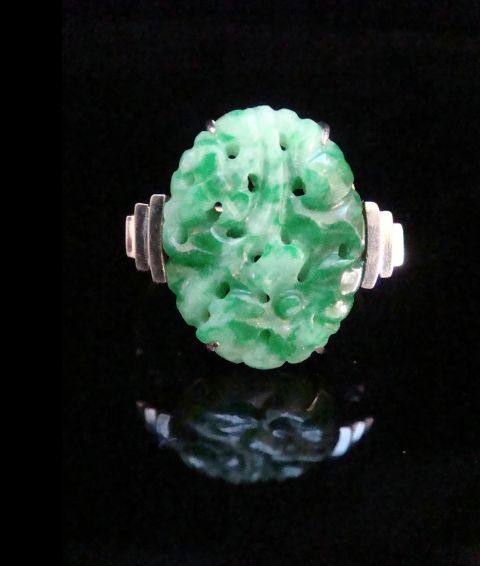
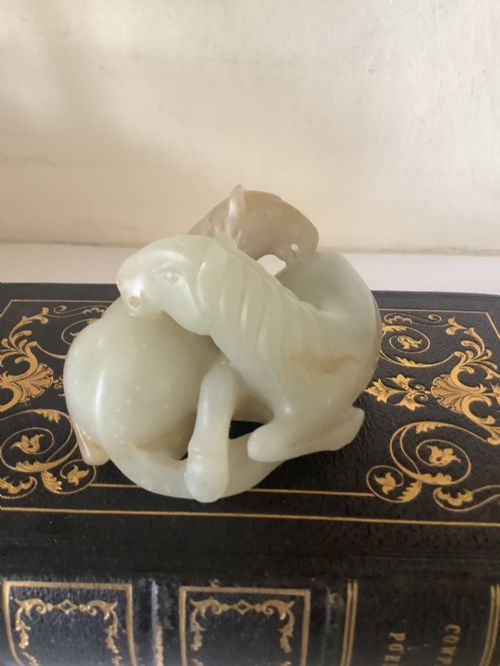
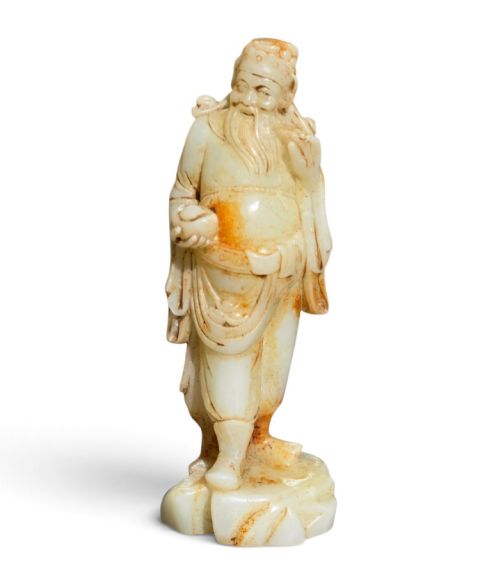
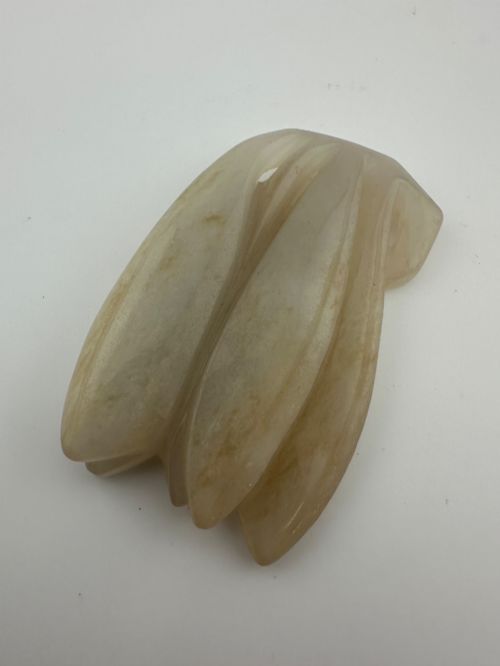
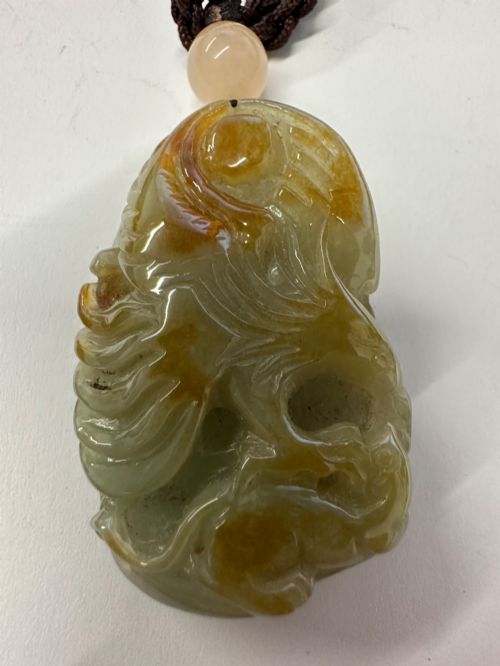
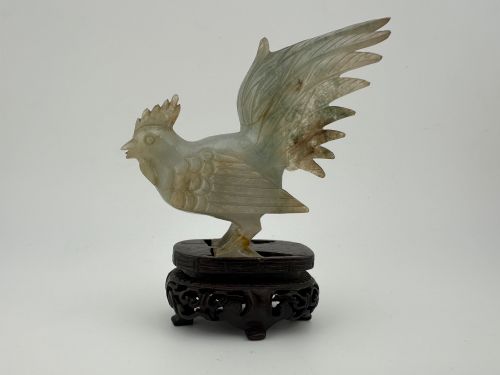
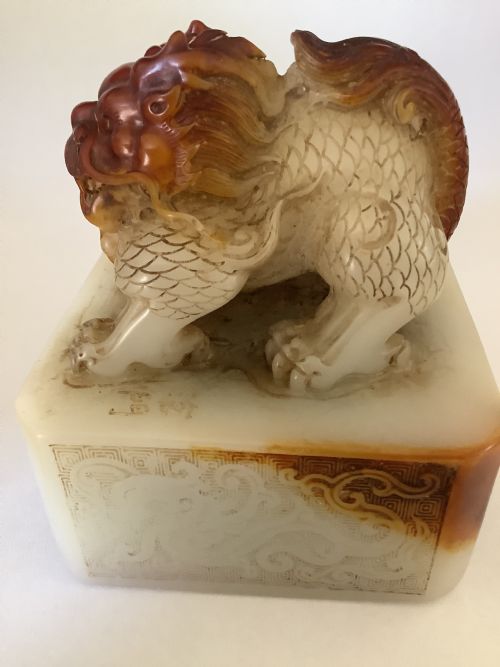
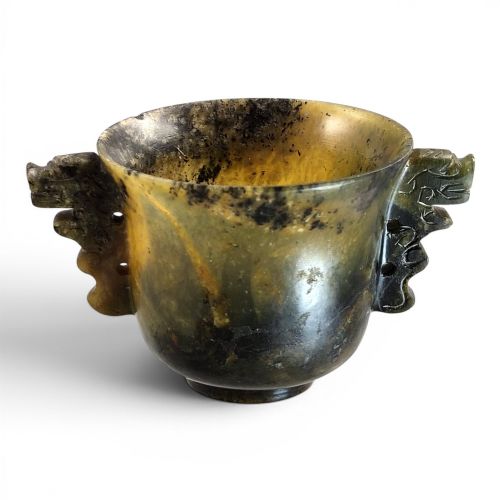
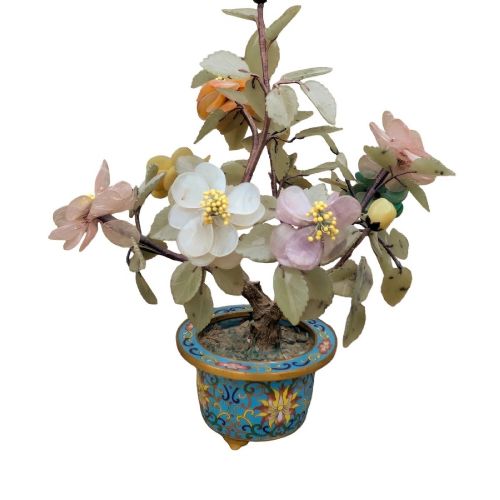
When you search for antique oriental jade, you encounter items shaped from nephrite and jadeite ranging from small pendants and rings to substantial incense burners and figural sculptures. The material encompasses various natural mineral tones, from pale celadon and spinach-green to darker russet-veined formations.
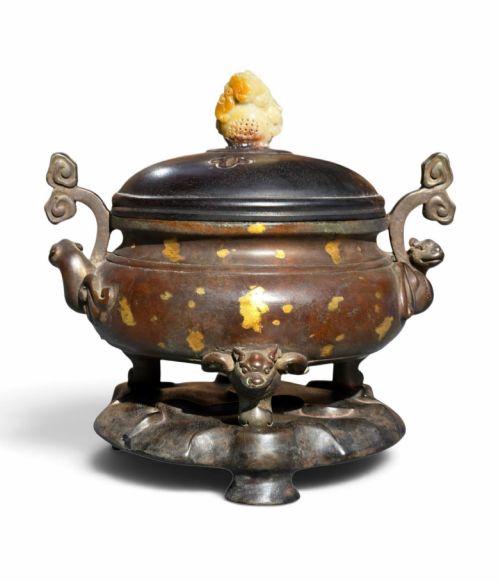
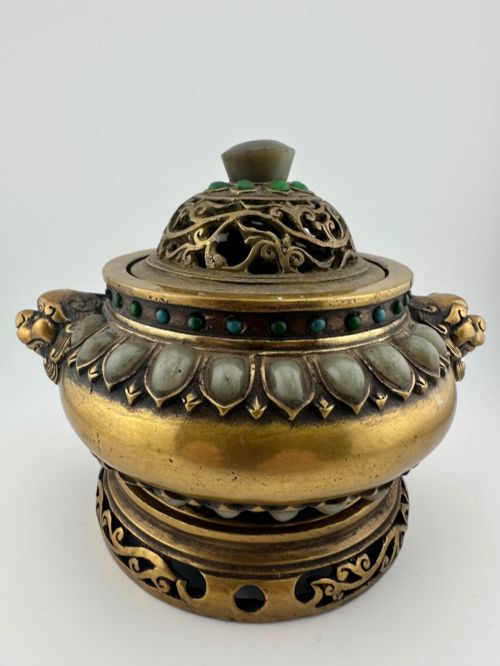
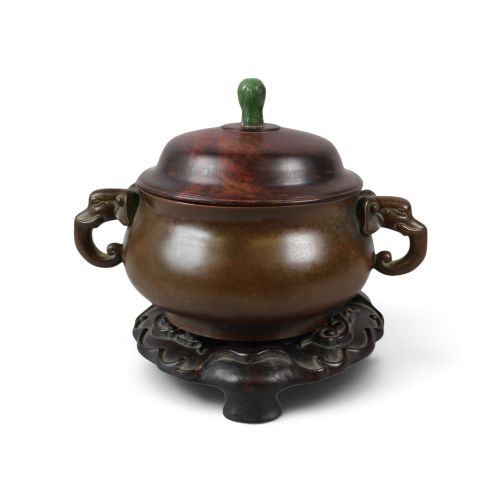
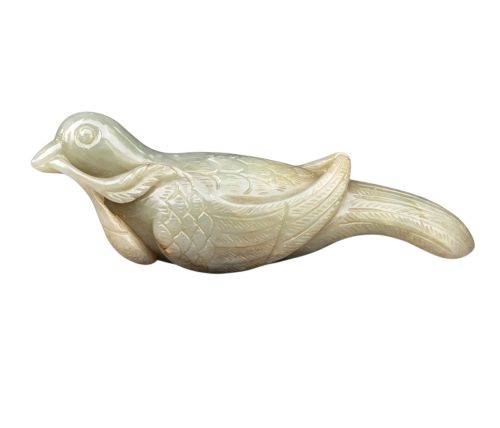
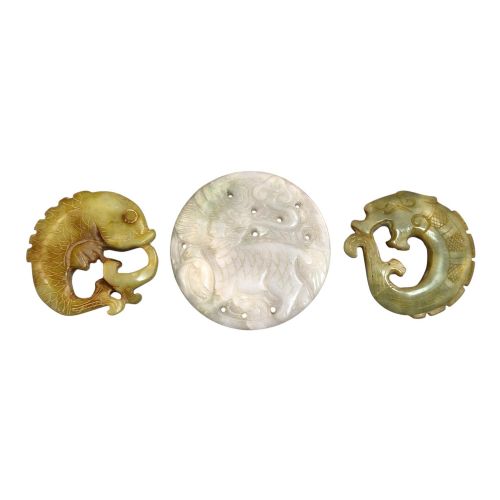
Most pieces met on this page originate from the Qing dynasty and later periods, including the Republic era and early twentieth century. Common functional and decorative forms include brush washers, water birds, censers with hardwood stands, and bi discs.
Earlier examples extend back to the Ming dynasty, showing deep celadon tones and archaic styling in figural carvings. These objects reflect traditional motifs such as dragons, phoenixes, and immortals carved into dense mineral matter.
Materials and working methods
The objects are carved primarily from nephrite and jadeite, alongside related hardstones like bowenite serpentine and hardstones paired with hardwood, bronze, or silver mounts. The extreme hardness of jade required abrasive sand and specialised cutting tools rather than simple metal blades, resulting in patient, laborious shaping.
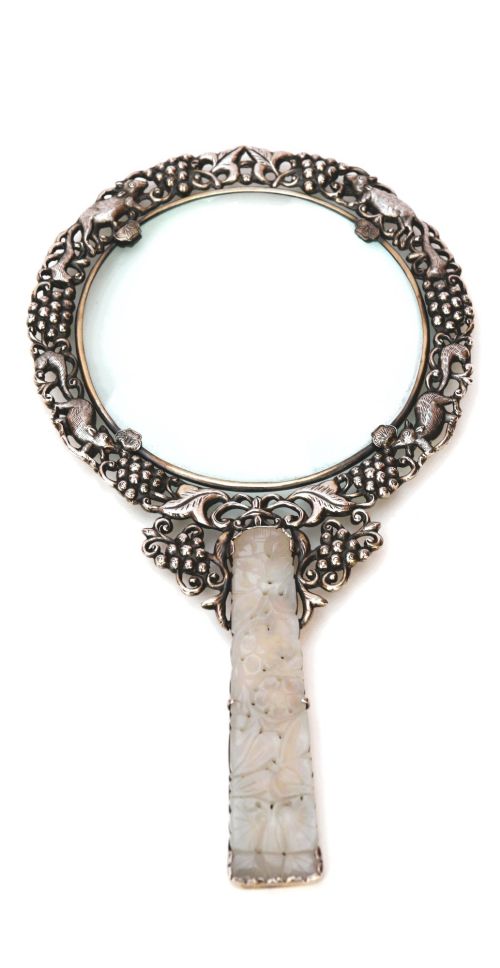
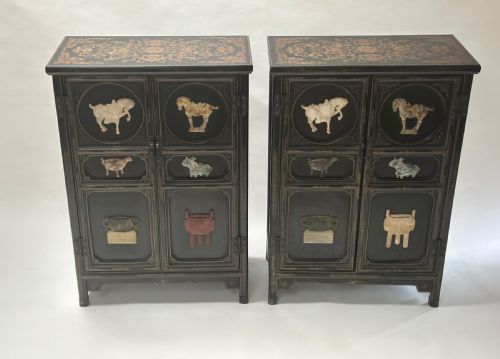
Bronzework and precious metals frequently support or frame the stone elements, as seen in tripod censers with jade finials and silver magnifying glasses. Custom hardwood stands accompany many table sculptures and vessels, tailored specifically to the contours of each carving.
Listings span from the 16th century through the Victorian era and the 1930s, utilising jade, hardstone, bronze, and silver.
Judging quality in jade carvings
Quality rests on the fineness of the stone's internal structure and the crispness of the carving relative to the natural inclusions and russet markings. Superior work displays fluid undercut details, disciplined symmetry in archaistic vessels, and thoughtful integration of natural colour variations within the mineral.
The relationship between the stone and its bespoke setting also defines the grade, where fitted hardwood stands or intricate metal mounts complement rather than overwhelm the organic shape of the carving.
The Antique Oriental Jade Glossary
- Celadon
- A pale green or grey-green glaze or mineral colour resembling jade, widely prized in oriental art. It often exhibits subtle russet patches naturally occurring in the stone.
- Nephrite
- One of the two distinct mineral species recognised as jade, known for its dense fibrous amphibole structure. It yields a tough, resilient medium capable of extremely intricate carving.
- Jadeite
- The second mineral species classified as jade, characterised by a crystalline pyroxene composition. It frequently displays vivid emerald or bright apple-green hues.
- Bi disc
- A flat circular jade artefact with a circular hole in the centre, historically associated with ancient ritual and cosmology. Later periods revived the form as decorative amulets.
- Archaistic
- A style that deliberately imitates the forms, motifs, or patination of ancient bronzes and jades from earlier dynasties. It demonstrates a reverence for historical craftsmanship.
Antique Oriental Jade: Frequently Asked Questions
How do I care for antique jade?
Clean jade surfaces gently with a soft damp cloth without harsh chemical detergents. Store carved items safely away from extreme temperature shifts and hard impacts.
Because the mineral is tough yet susceptible to surface scratches from quartz dust, keep pieces separated in lined display spaces.
What is the difference between nephrite and jadeite?
Nephrite is an amphibole mineral with a dense interlocking fibrous structure, historically dominant in Chinese carving. Jadeite is a pyroxene mineral that tends to show a more crystalline texture and brighter translucent colour.
Both materials share the common designation of jade due to their high density and resistance to impact.
How can I tell the period of a jade carving?
Dating relies upon stylistic markers such as archaistic motifs, carving depth, tool marks, and integrated materials like bronze mounts or specific hardwood types. Qing dynasty pieces often display high technical precision and particular colour palettes.
Later Republic period works introduce specific pendant shapes and symbolic motifs that reflect evolving twentieth-century tastes.