
Antique Oriental Carving
An antique oriental carving brings tangible history into a room through the detailed handwork of past artisans across Asia.
Antique Oriental Carving
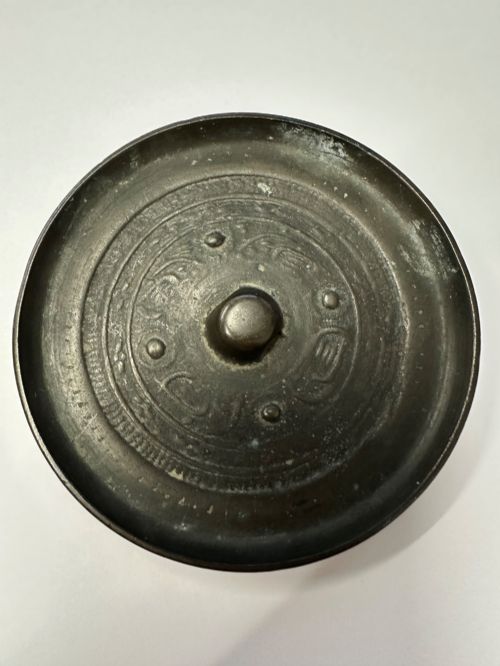
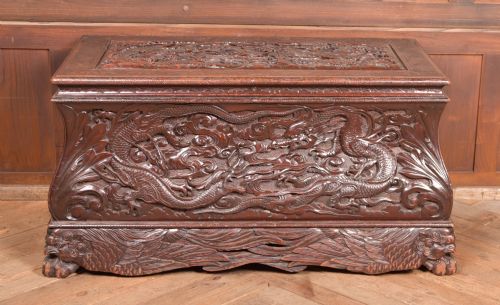
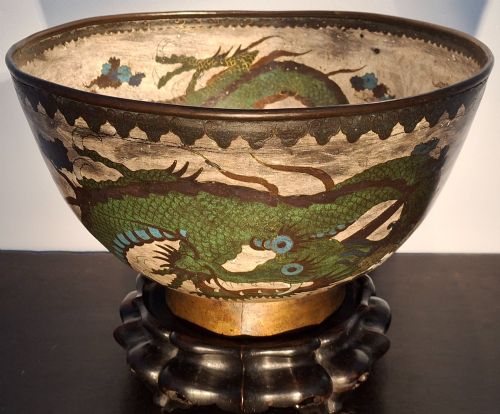
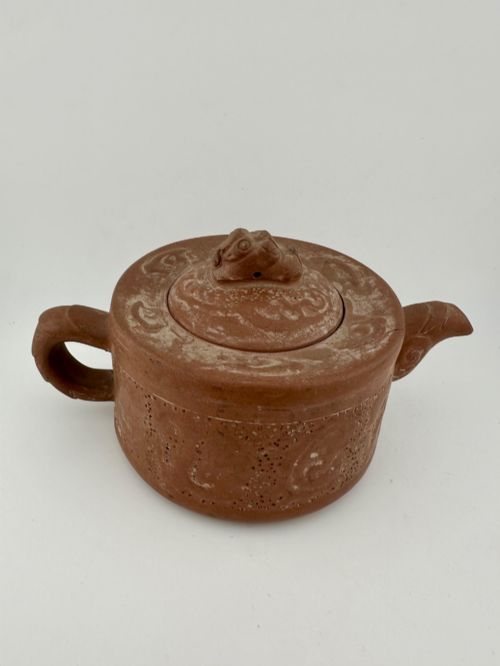
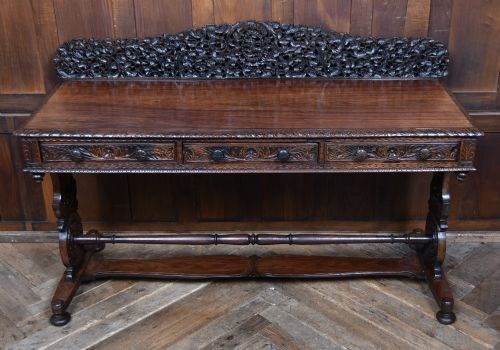
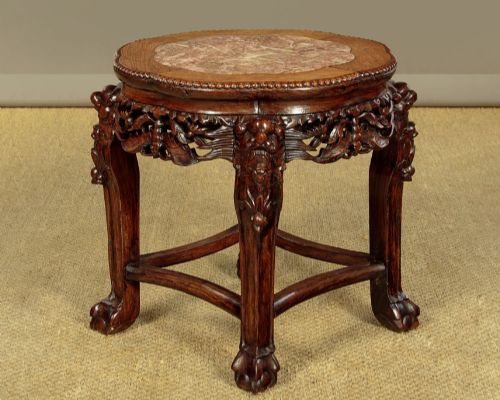
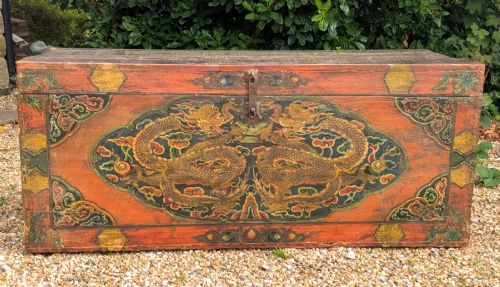
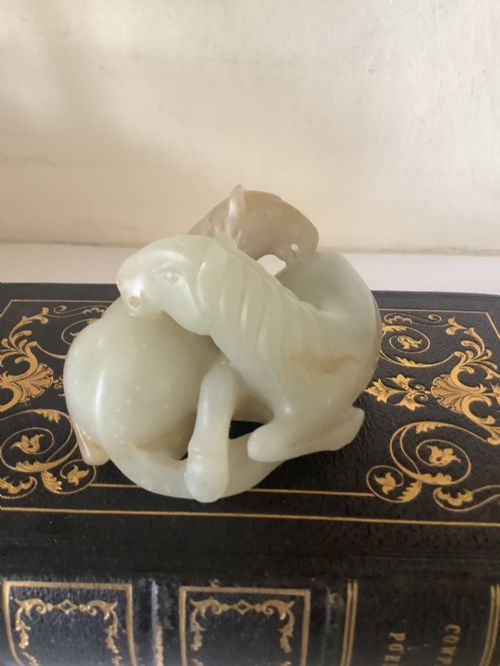
When searching for antique oriental carving, a buyer encounters a diverse group of objects spanning household furnishings and decorative items. These include bronze censers, jade scholar pieces, rosewood low tables, and lacquered display cabinets originating from China and Japan.
The versions most frequently met on this page date from the nineteenth and early twentieth centuries, particularly the Qing Dynasty and Japanese Meiji periods. Artisans created these works utilising traditional materials like hardwoods, bronze, and stone to serve both utilitarian and aesthetic roles.
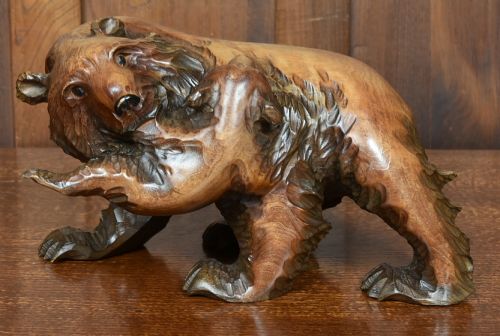
Form and function range widely, from small brush pots and soapstone figures to large folding screens and plant stands. Each object carries the distinct stylistic markers of its regional origin and period of production.
Evaluating Quality
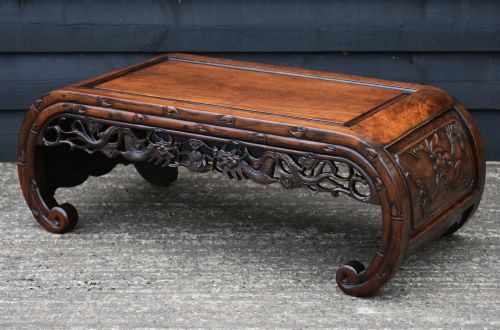
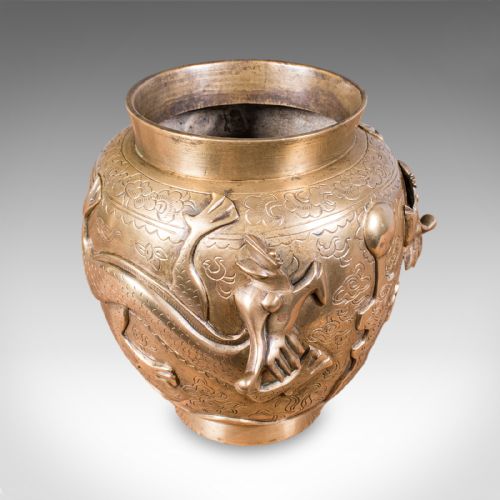
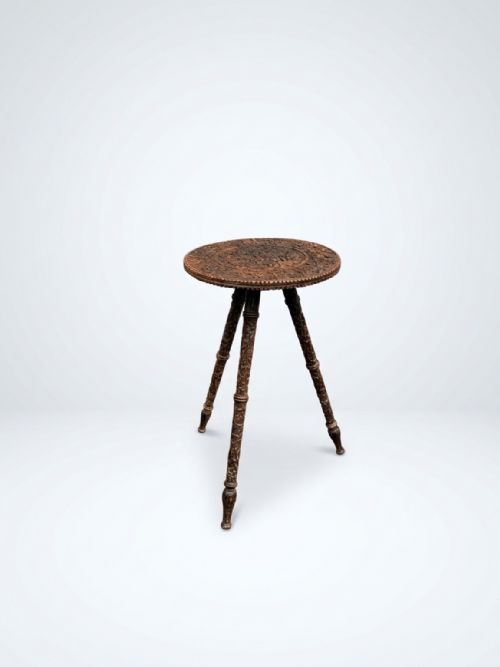
Quality in these carvings rests on the depth and precision of the handwork, particularly how cleanly the design emerges from the material. Crisp undercut details on bronze vessels or rosewood dragon motifs separate high workshop standards from standard production work.
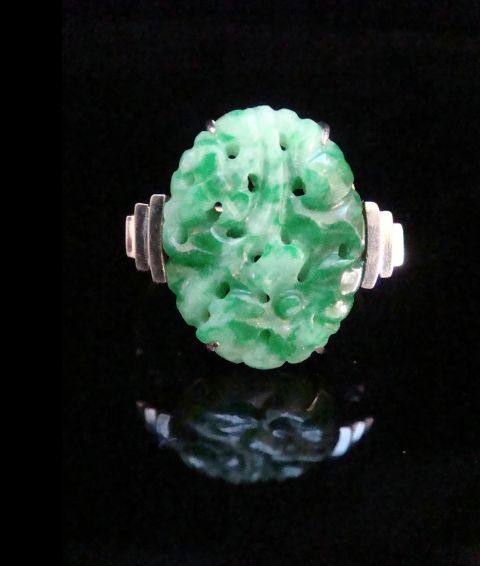
The choice and preparation of materials heavily dictate the standing of an item. Dense, well-figured rosewood, unblemished pale celadon jade, and evenly cast bronze demonstrate superior material selection compared to softer woods or metals with casting flaws.
Proportion and structural integrity complete the assessment of standard. Pieces that maintain balanced forms, secure joinery, and original custom stands show the intentional care applied during their creation.
Materials represented across the selection range from organic elements like rosewood, elm, and bamboo to metals including bronze, brass, and copper alloy.
Gabriel Viardot
The Antique Oriental Carving Glossary
- Censer
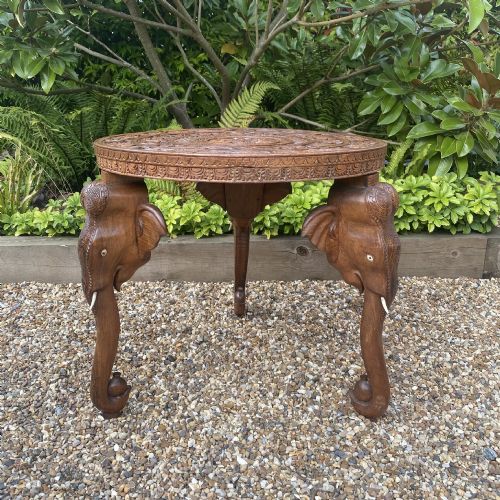
- A vessel used for burning incense, frequently cast in bronze with intricate handles and covers. These objects often incorporate animal motifs such as qilin or elephant heads.
- Shibayama
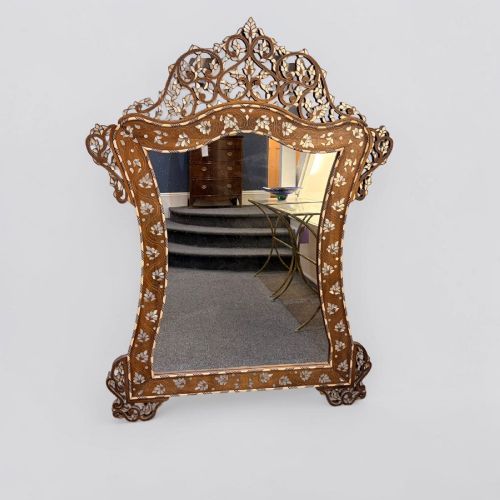
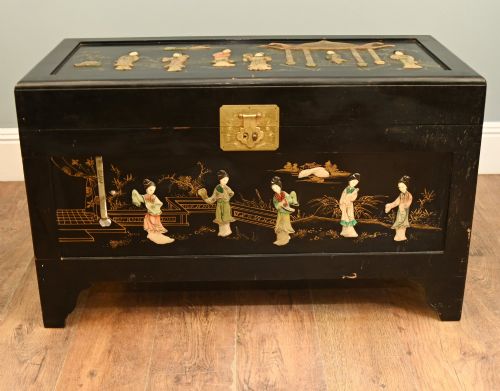
- A Japanese craft technique involving the inlay of mother-of-pearl, shell, ivory, and tortoiseshell into wood or lacquer bases. This method creates decorative panels depicting birds, flowers, and figures in high relief.
- Celadon
- A term for ceramics and jades featuring a pale green translucent glaze or stone colour. The aesthetic mimics the appearance of jade and was highly prized by imperial collectors.
- Archaistic
- A style that deliberately imitates the forms, decorations, and patination of ancient ritual bronzes from earlier dynasties. Makers used this approach to connect contemporary pieces with classical lineages.
- Scholar's object
- A category of small, refined items used by the literate elite in traditional East Asian societies. These include brush pots, seal pastes, and small carved figures meant for quiet contemplation.
Antique Oriental Carving: Frequently Asked Questions
What is an antique oriental carving?
An antique oriental carving is a handcrafted decorative or functional item originating from Asian countries, primarily China and Japan, dating from previous centuries. These objects encompass everything from small jade scholar pieces and bronze vessels to large rosewood furniture and lacquer cabinets.
Craftsmen utilised materials like hardwood, soapstone, and bronze to produce these items, applying traditional techniques such as relief carving and mother-of-pearl inlay. Each piece reflects the artistic standards of its specific period, such as the Qing Dynasty or Meiji era.
How were these carved items used?
Many of these pieces served practical functions in daily life or scholarly pursuits, acting as tables, cabinets, clothes racks, or lamp standards. Others held ceremonial purposes, such as bronze censers used for burning incense or jade items reserved for scholar's desks.
Decorative sculptures, display cabinets, and folding screens were integrated into interiors to divide spaces and display wealth or taste. Their dual nature meant they were both utilitarian furnishings and expressions of fine craftsmanship.
How do I care for wooden and bronze antiques?
Wooden items like rosewood tables and cabinets require stable indoor humidity levels to prevent the timber from splitting or warping over time. Periodic dusting with a soft, dry cloth maintains the surface without stripping the natural polish.
Bronze vessels and sculptures benefit from minimal handling to preserve their aged patination, avoiding harsh liquid cleaners entirely. Placing them away from direct sunlight protects both the metal finishes and any inlaid materials like mother-of-pearl or lacquer.
How can I tell different periods apart?
Distinguishing between periods involves examining stylistic conventions, casting methods, and material handling typical of specific eras. For instance, pieces from the Qing Dynasty or Meiji period often display distinct motifs, such as Daoist immortals or dragon details, executed with specific regional techniques.
Reference marks, such as base stamps on copper-alloy baluster vases, provide direct clues to manufacturing eras. Comparing the depth of relief work and the integration of custom stands also helps place an object within its historical timeline.