



Antique Open Bookstand
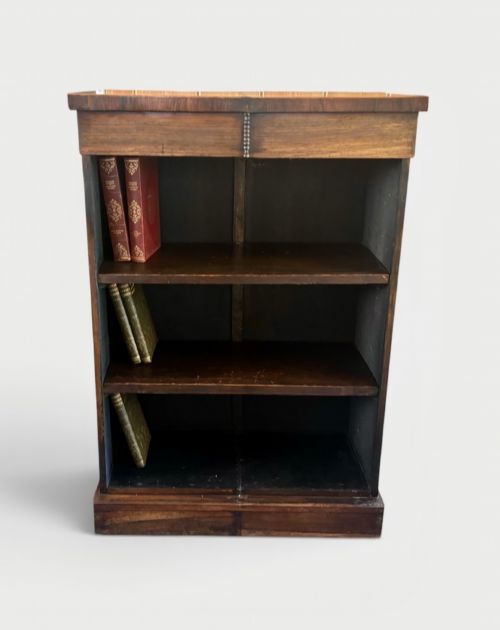
An antique open bookstand offers immediate access to a working library through sturdy timber shelves built to last.
Antique Open Bookstand
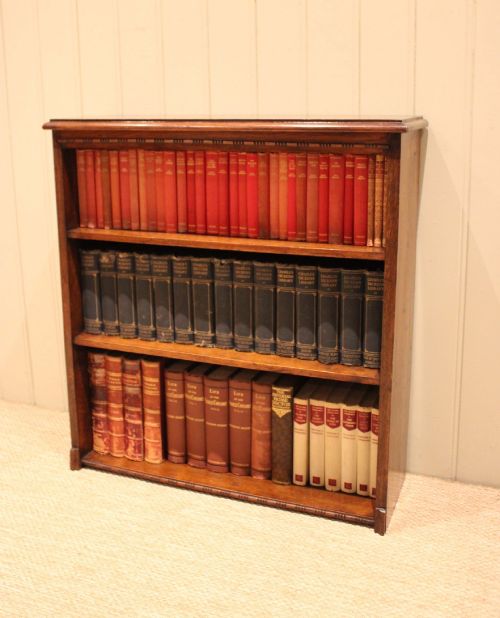
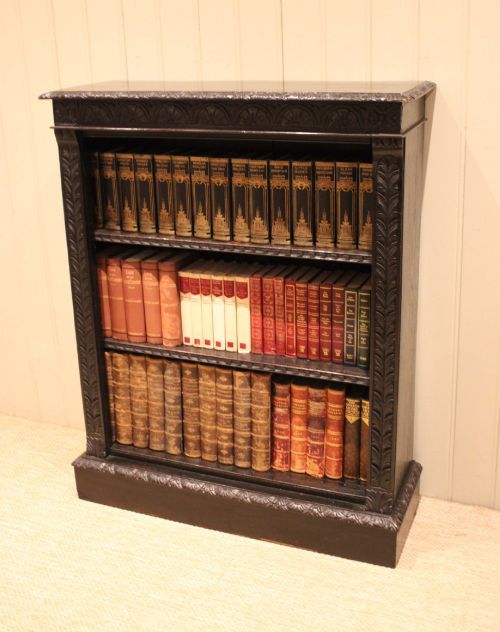
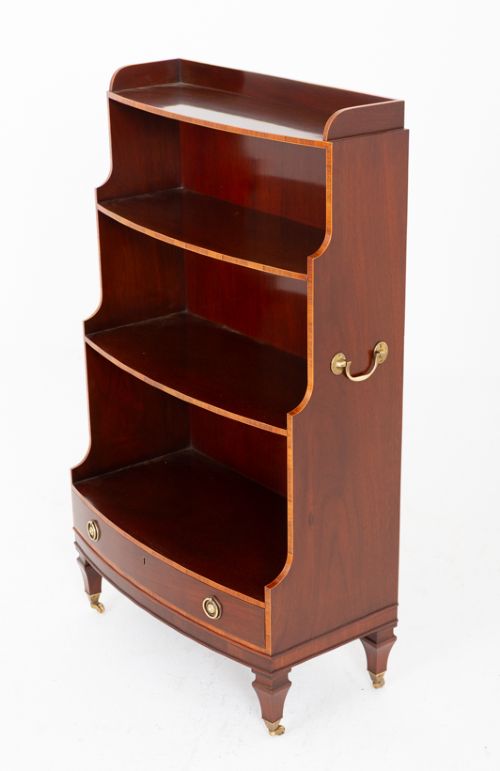
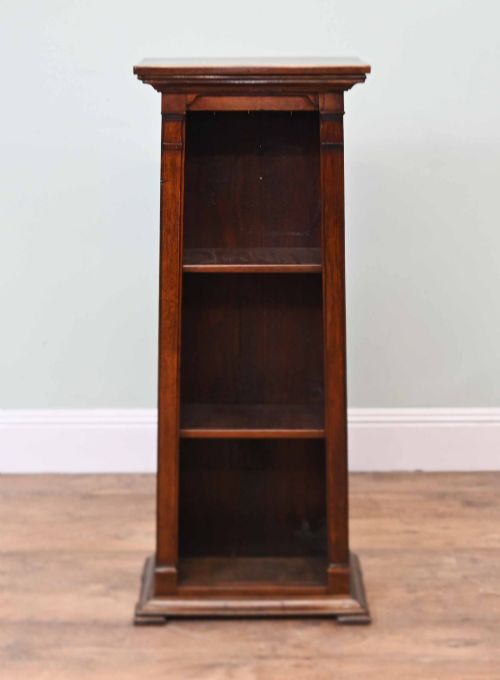
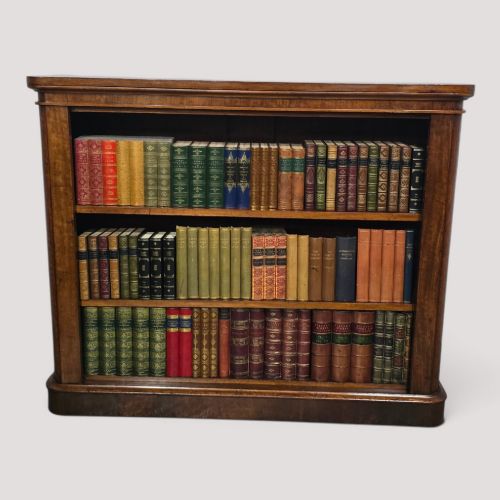
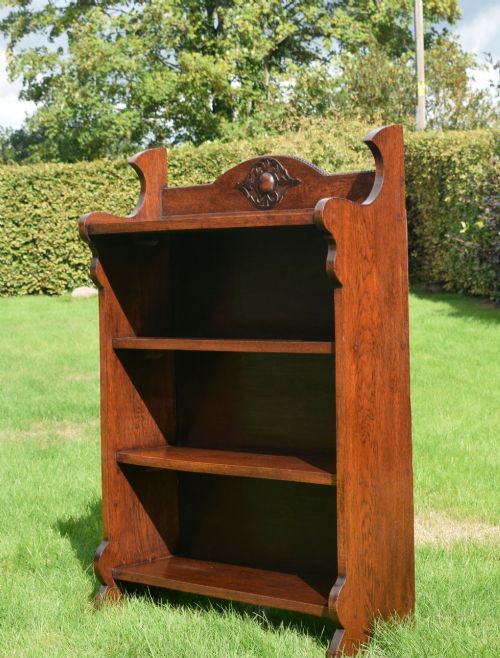
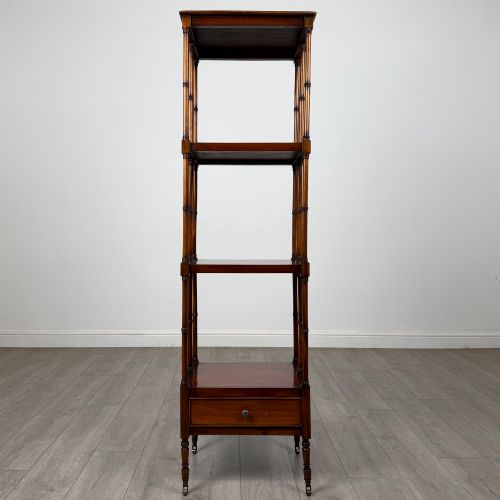
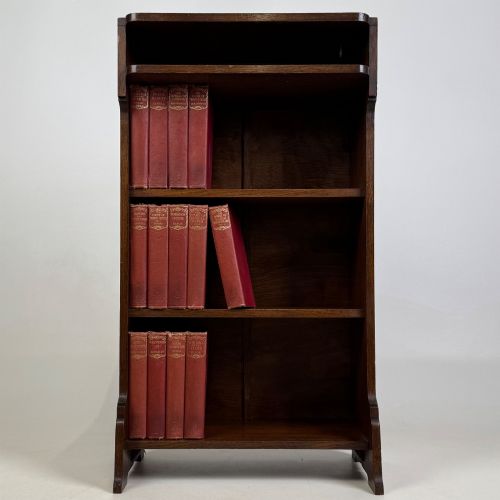
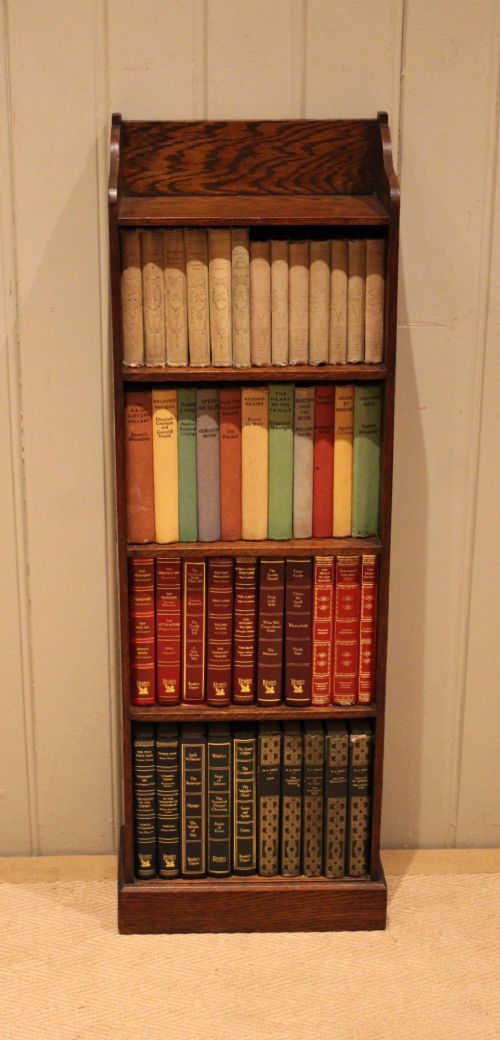
An antique open bookstand sits within the wider category of bookcases and shelving, providing unobstructed access to volumes without doors or glass panels. When searching for an antique open bookstand, buyers most frequently encounter pieces fashioned from oak, mahogany, and walnut.
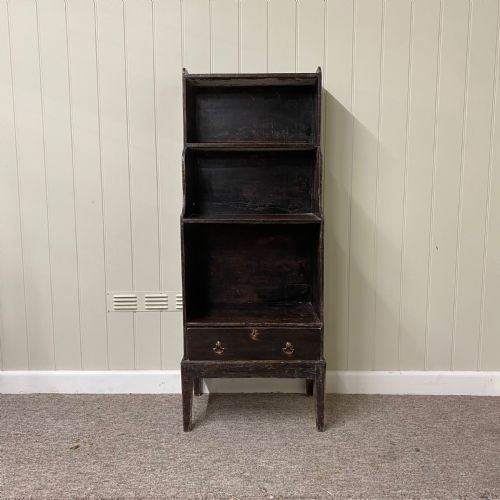
The selections span the nineteenth century, the Edwardian era, and the Regency period, demonstrating how domestic storage evolved to suit changing rooms and growing libraries. Formats range from low, slim proportions suited to modest rooms up to double-sided library pieces and cascading waterfall designs.
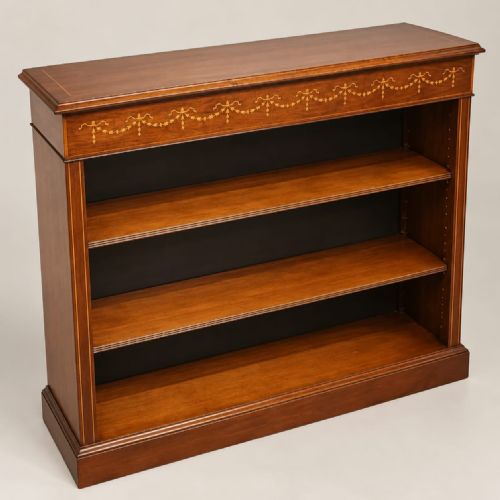
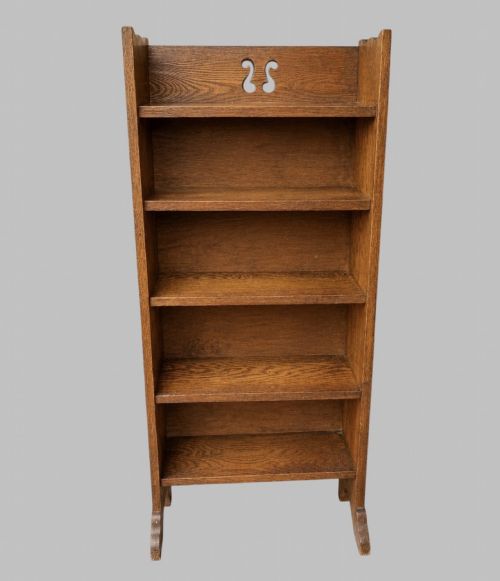
Makers responded to practical demands by incorporating adjustable shelves, brass details, and fret-cut decoration. The physical evidence shows regional output shaped by nineteenth-century cabinet makers and early twentieth-century Arts and Crafts ideals.
Materials and construction
Cabinet makers utilised dense hardwoods such as mahogany, walnut, and rosewood alongside durable oak and pine to build these open structures. Timber selection determined both the load-bearing capacity of the shelves and the visual character of the grain.
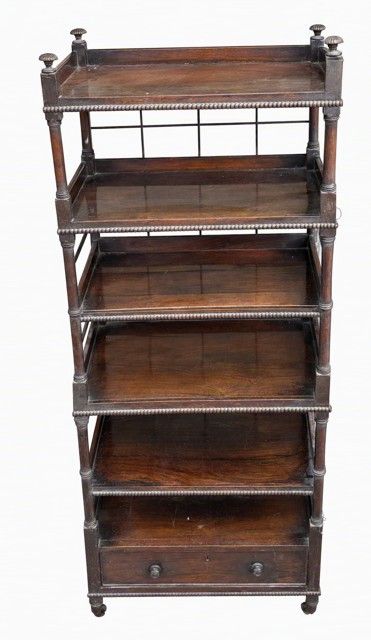
Joinery methods relied on solid timber construction, often enhanced with carved details, decorative cut-outs, and brass fittings. Waterfall tiers and adjustable brackets required precise hand-fitting to ensure stability across multiple open shelves.
Antique Open Bookstand Retail Price Guide 2026
Typical asking prices for open bookstand among the pieces listed under this phrase on Sellingantiques today, from the lower quarter to the upper quarter. They describe what is for sale here now, not the wider market.
Listings feature oak, mahogany, walnut, and rosewood across nineteenth-century and Edwardian periods.
Distinguishing quality in open bookstands
Quality rests upon the selection of timber figures, such as burr walnut or figured mahogany, and the integrity of the structural joints. Pieces constructed from solid hardwoods demonstrate superior longevity compared to lighter pine carcasses.
Refined details like fret-cut sides, decorative carving, and smoothly operating adjustable shelving mechanisms elevate a piece above standard utility furniture. The harmony of proportions, whether slim or large, marks the work of skilled cabinet makers.
Heals
The Antique Open Bookstand Glossary
- Waterfall bookcase
- A shelving unit where each tier steps back progressively from the one below, creating a cascading profile.
- Open bookcase
- A piece of furniture designed for book storage featuring exposed shelves without doors or enclosing panels.
- Adjustable bookcase
- A shelving unit equipped with movable shelf supports that allow the vertical spacing to alter.
- Fret-cut
- A decorative technique where timber is pierced with a fretsaw to create openwork patterns along the sides or gallery.
- Double sided
- A piece finished on all sides so it can stand independently within the centre of a room rather than against a wall.
Antique Open Bookstand: Frequently Asked Questions
What is an open bookstand?
An open bookstand is a piece of furniture designed to hold books on accessible shelves without enclosing doors or glass panels.
These pieces allow direct access to volumes and range from small tabletop stands to large library bookcases.
How do I date an antique bookcase?
Dating relies on identifying timber choices, construction techniques, and stylistic markers such as Regency curves or Edwardian proportions.
Cabinet-making methods and secondary woods often reveal the precise period of manufacture.
Where should I place an open bookstand?
These bookcases suit studies, living rooms, and hallways where books need to remain within easy reach.
Double-sided examples work well positioned away from walls in the centre of larger rooms.
Are antique bookcases sturdy?
Solid hardwoods like oak and mahogany provide robust support for heavy collections of books.
Sound joinery and thick timber shelves ensure the structure remains stable under daily use.