



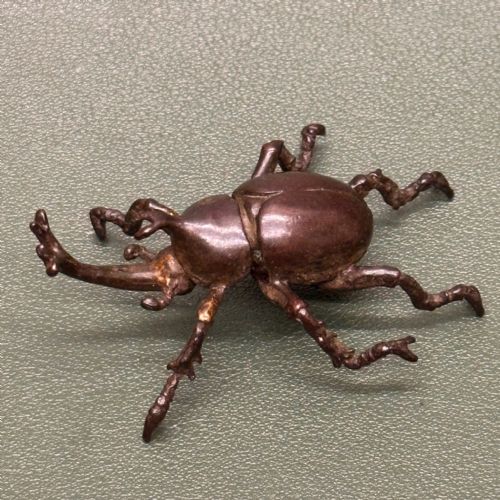
Antique Okimono Figurine
An antique okimono figurine brings disciplined Japanese craftsmanship into domestic spaces through meticulously cast metal and carved wood.
Antique Okimono Figurine
An antique okimono figurine represents a sculptural display piece originating primarily from Japan across the nineteenth and early twentieth centuries. These works depict animals, human figures, and mythological subjects intended for interior placement.
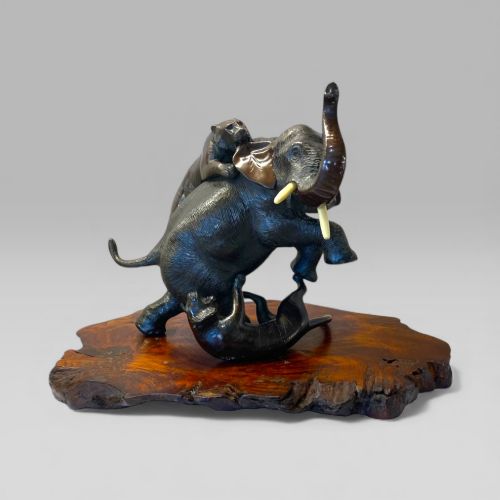
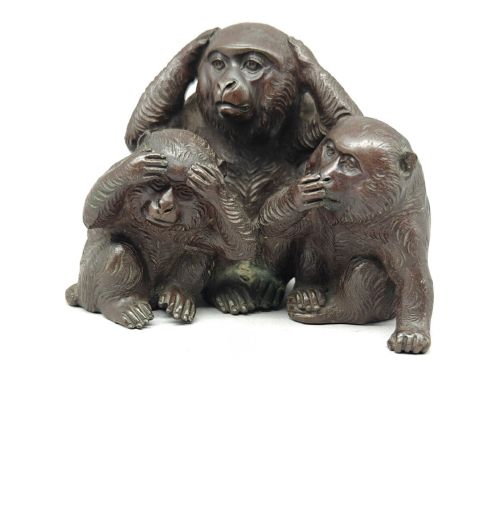
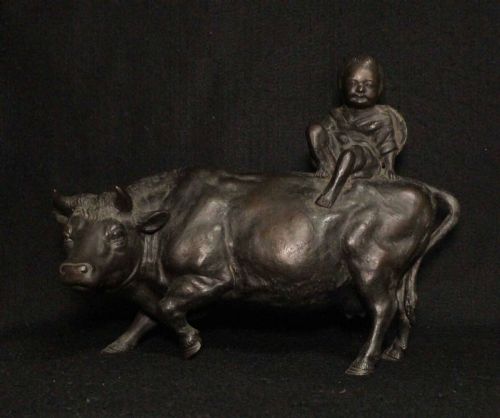
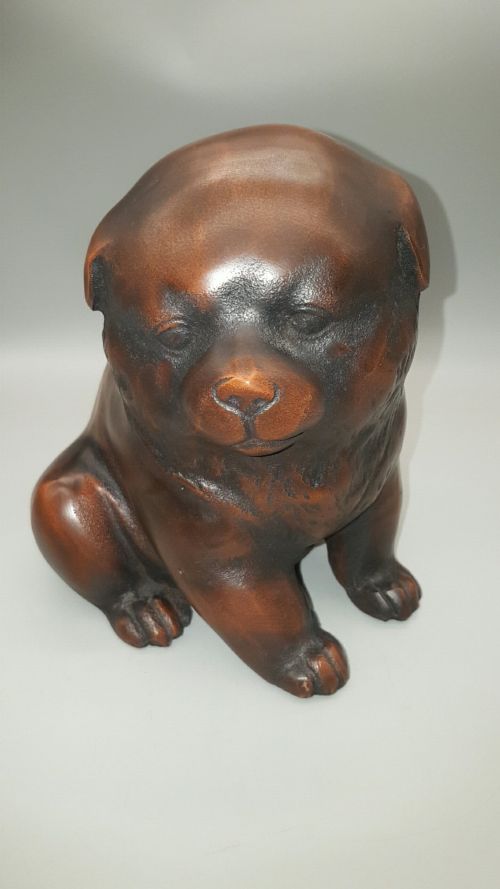
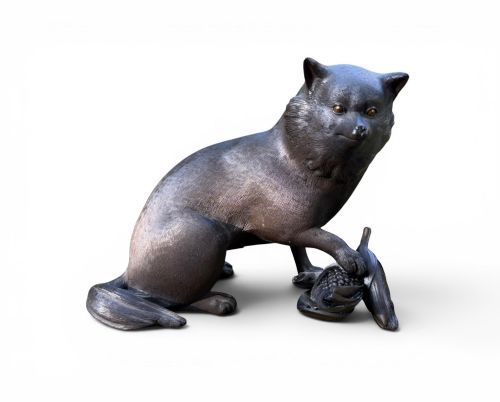
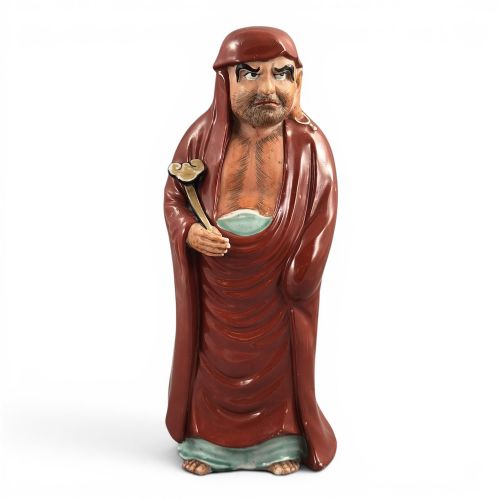
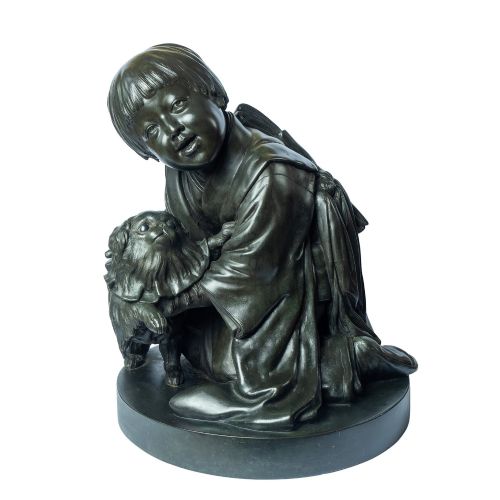
The selections encountered here span the Edo, Meiji, and Showa periods, capturing both bronze fauna and intricately carved wooden figures. Animal studies, including monkeys, elephants, and puppies, appear frequently alongside traditional deities.
Makers ranged from individual carvers working in boxwood and bamboo to established metalworkers producing patinated bronze and mixed-metal studies. Each piece serves as a self-contained ornament rather than a utilitarian vessel.
Materials and construction
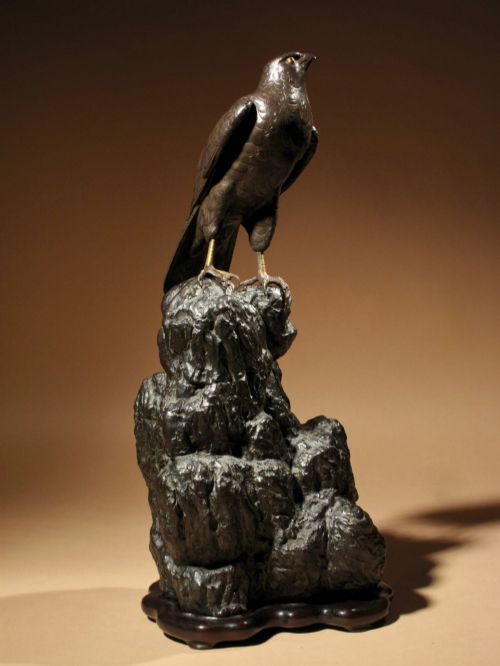
Bronze and various hardwoods form the primary substance of these sculptures, shaped through lost-wax casting or meticulous hand carving. Artisans utilised patination on metal surfaces to create tonal variation, while wood pieces rely on the grain of boxwood or bamboo.
Mixed-metal components and gold leaf highlight specific details on subjects like scholar monkeys and deities. Kiln-fired ceramics such as porcelain and earthenware also appear, representing regional traditions from specific kilns.
A beetle in bronze can guard your desk just as fiercely as a charging elephant.
Distinctions in execution
Signatures inscribed by recognised artists provide a distinct measure of authority and workshop prestige. The integration of complex patination or mixed-metal inlays requires advanced technical skill that elevates the status of the finished sculpture.
Tsunemitsu·Shosai·Makuzu Kozan II·Tomochika·Unno Shomin·Miyao
The Antique Okimono Figurine Glossary
- Okimono
- A Japanese term for an ornamental object or display sculpture placed in a traditional interior setting. These freestanding pieces range from miniature carvings to large bronze animal studies.
- Meiji Period
- The era in Japanese history spanning from 1868 to 1912, characterised by intense artistic production and opening trade with the West. Many detailed metal and wood sculptures originate from this time.
- Patination
- The chemical treatment or natural ageing process that colours the surface of bronze and iron sculptures. Artisans manipulated this finish to achieve subtle shades of brown, green, and black.
- Boxwood
- A dense, pale hardwood favoured by carvers for its fine grain and ability to hold microscopic detail. It ages to a warm golden tone with handling.
- Satsuma
- A type of Japanese earthenware featuring a crackle glaze decorated with enamel and gold leaf. These ceramics often depict figures and deities in elaborate attire.
Antique Okimono Figurine: Frequently Asked Questions
What is an okimono?
An okimono is a decorative Japanese sculpture designed for display on a shelf, cabinet, or tokonoma alcove.
Unlike netsuke, these pieces are purely ornamental rather than functional toggles for fastening garments.
How do I identify a Meiji period piece?
Meiji period pieces often exhibit exceptional naturalism in animal subjects and intricate detailing in human figures. These works frequently bear artist signatures and date from the late nineteenth or early twentieth century.
Material choices like patinated bronze, mixed metals, and dense boxwood are typical of this prolific era.
Are these sculptures signed?
Many sculptures feature carved or engraved signatures identifying the maker or the workshop responsible for the casting or carving. These signatures appear on the underside or base of the object.
Unsigned pieces remain common and were produced in high volumes for both domestic and export markets.
How should I care for bronze and wood okimono?
Bronze and iron sculptures require occasional dusting with a dry microfiber cloth to prevent surface accumulation. Maintaining stable humidity levels protects wooden and ivory-adjacent materials from splitting.
Avoiding direct sunlight preserves the original patination and prevents fading on painted or gilded surfaces.