

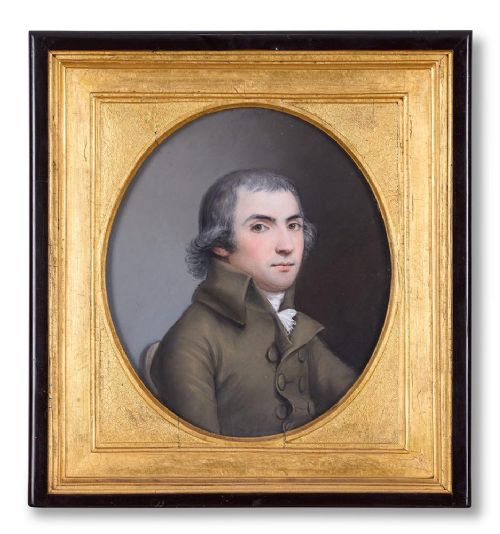
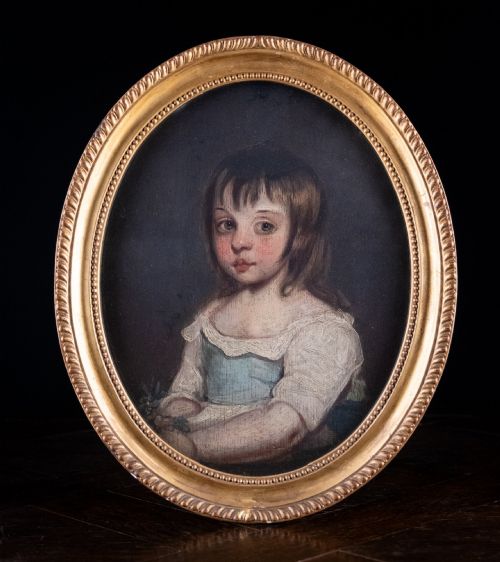
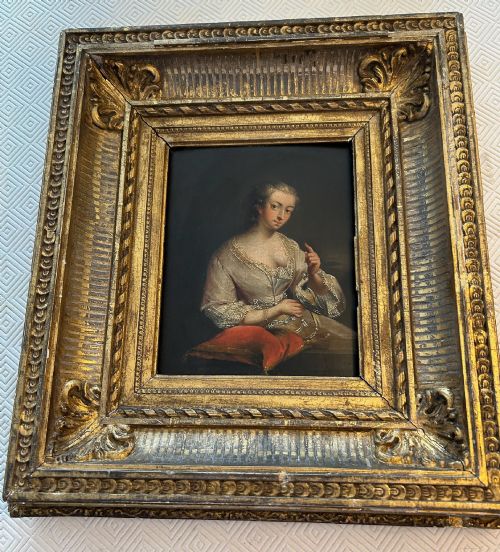


Antique Oil Portrait Miniature
An antique oil portrait miniature condenses a likeness onto copper, wood or canvas on a scale that fits the palm.
Antique Oil Portrait Miniature
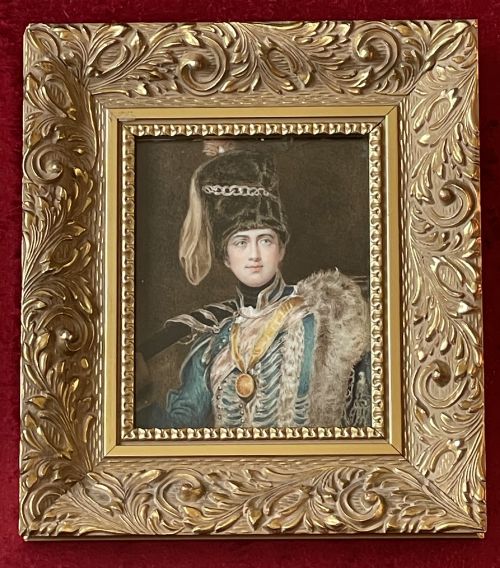
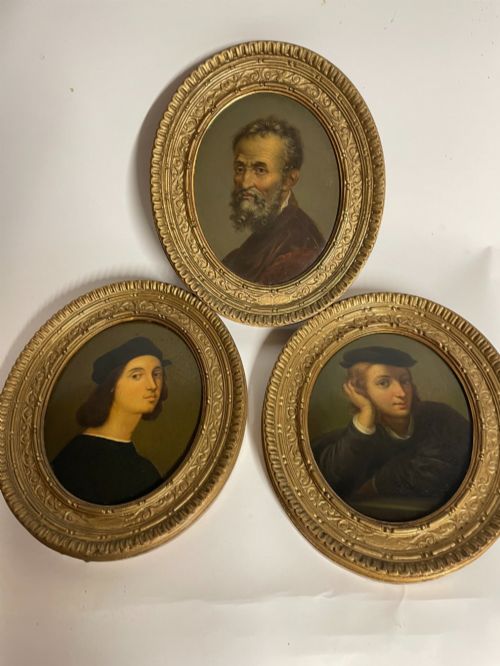
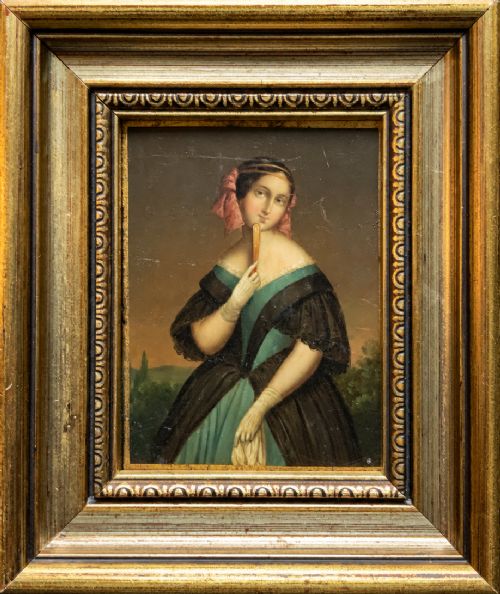
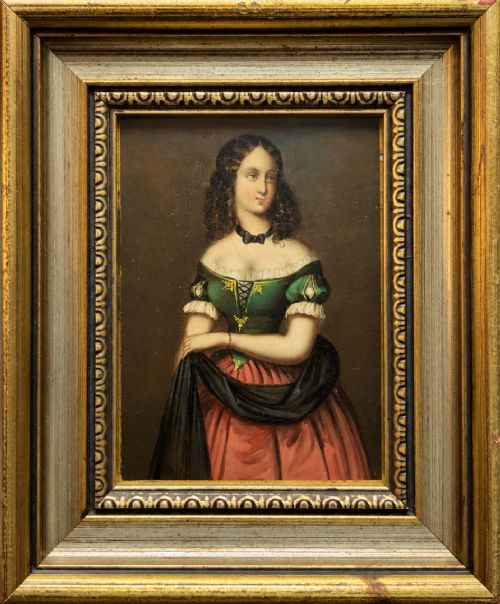
When you search for an antique oil portrait miniature, you enter a field spanning the seventeenth to the nineteenth centuries, covering Georgian, Regency and Victorian periods. These pieces include likenesses of notable historical figures, anonymous ladies in white dresses, and country girls, rendered on a small format.
The versions you meet most frequently on this page originate from British, French, Scandinavian and Italian schools. They take the form of small framed paintings, oval panels and pendant-style works executed in oil paint.
Subjects range from royalty such as King Henry VIII and Napoleon Bonaparte to nobility, clergy and intimate family portraits. Painters from distinct historical circles worked in this scale, producing works that survive in wood, copper and canvas.
How they were made
Artists applied oil paint to diverse rigid supports, utilising prepared wood panels, oak panels, tinplate and copper plates. Painting in oil on copper provided a smooth surface that allowed for precise detail on a reduced scale.
Antique Oil Portrait Miniature Retail Price Guide 2026
Typical asking prices for oil portrait miniature among the pieces listed under this phrase on Sellingantiques today, from the lower quarter to the upper quarter. They describe what is for sale here now, not the wider market.
Subjects represented range from Bishop Nicholas Ridley and King Charles I to anonymous children, duchesses, and military figures.
What varies in quality
The standard of execution in an antique oil portrait miniature rests upon the precision of the brushwork and the psychological depth captured in the subject's expression. Superior examples display careful handling of light on fabrics like lace, velvet and satin.
The choice of substrate also influences the character of the piece, with finely prepared copper panels allowing for greater crispness than coarser canvas weaves. The preservation of the original paint layer without extensive overpainting dictates the integrity of the work.
Jean-Baptiste van Loo·William Egley·Louis Leopold Boilly·Adriaen Van der Werff·Diana Hill·Sir Peter Lely·John Scougall·Elisabeth Vigee Le Brun·George Clint·Francis Alleyne·John Michael Wright
The Antique Oil Portrait Miniature Glossary
- Copper panel
- A sheet of copper hammered flat and prepared with a white ground layer to receive oil paint. This support prevents the absorption of medium common in wood or canvas.
- Gilt wood
- Timber carved and coated with a thin layer of gold leaf or gold-coloured metallic paint. It provides a decorative border designed to reflect light onto the miniature.
- Tinplate
- Thin sheet iron coated with tin to prevent rusting, utilised as a lightweight support for paintings. It appears particularly in Scandinavian school works from the nineteenth century.
- Circle of
- A designation indicating that an anonymous artist worked in the style and workshop tradition of a master without being that exact master. It denotes period proximity and stylistic influence.
- Impasto
- Paint applied thickly to a canvas or panel so that it stands proud of the surface. This technique adds texture to elements like lace collars or embroidered badges.
Antique Oil Portrait Miniature: Frequently Asked Questions
What is an antique oil portrait miniature?
It is a small-scale painting executed in oil on supports such as copper, wood, or canvas, depicting a specific person. These works emerged across several centuries, capturing likenesses from royalty to ordinary citizens.
The format allowed sitters to carry images of loved ones or political figures with them. Artists utilised fine brushes to achieve remarkable detail within inches of space.
How do I date an antique oil portrait miniature?
Dating relies heavily on the style of clothing, hair, and headwear worn by the sitter, alongside the mounting and framing materials. Regency dresses, Georgian wigs, and Victorian lace caps provide distinct chronological markers.
Inscriptions on the reverse of the copper or wood panels often supply names, dates, or artist attributions. Examining the physical substrate and the ageing of the oil paint further clarifies the period of origin.
Where were these miniatures displayed?
Owners typically hung these small paintings in intimate domestic spaces, private studies, or kept them within protective travel cases. Their scale suited cabinet displays rather than grand gallery walls.
Some pieces were designed to be worn on the person as pendants or badges, serving as portable tokens of affection or political allegiance.