

Antique Oil Painting Artwork
When you search for antique oil painting artwork, you encounter centuries of pigment layered on canvas and wood panel, offering a direct window into past portraiture, landscape, and narrative scenes.
Antique Oil Painting Artwork
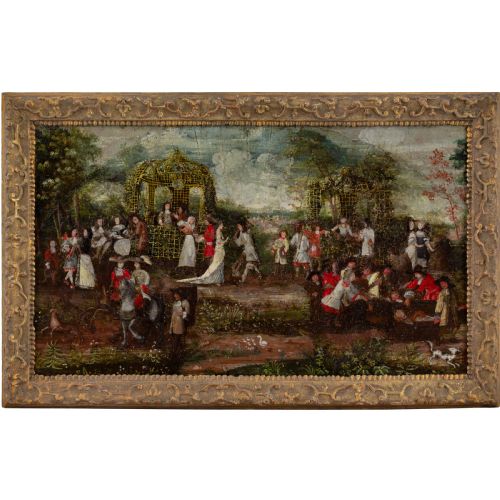
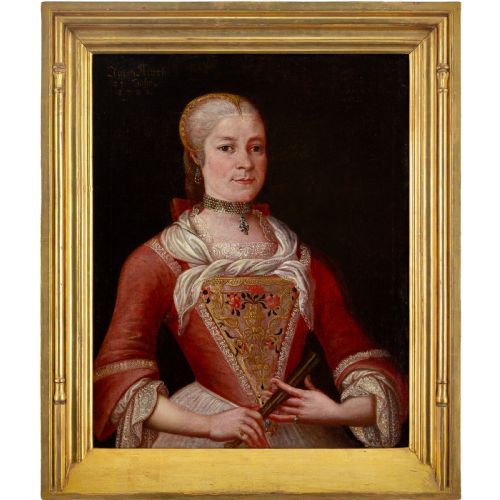
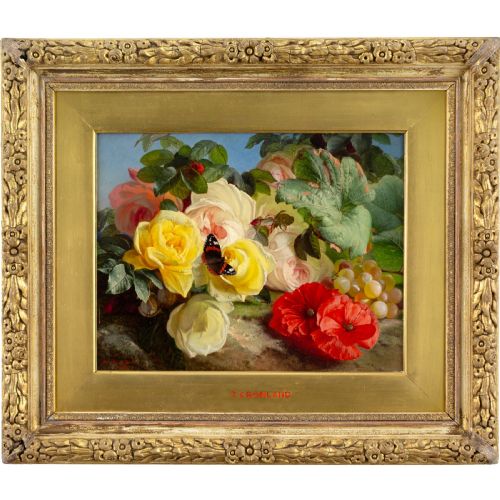
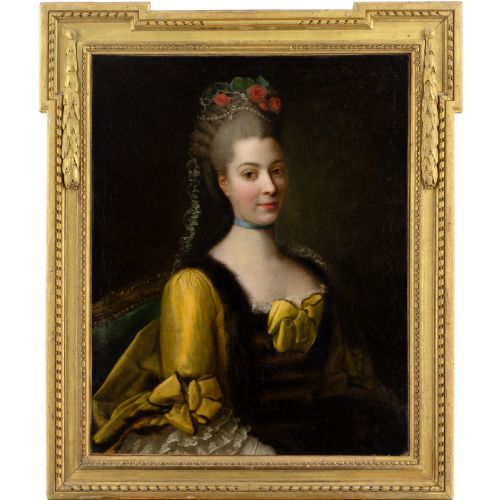
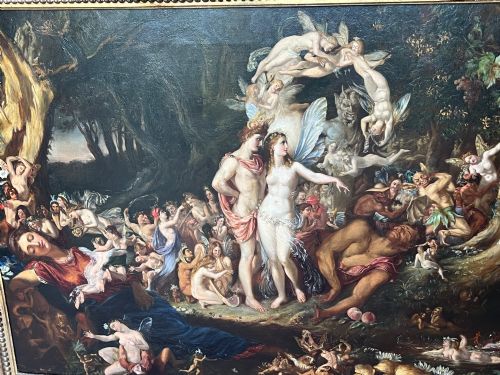
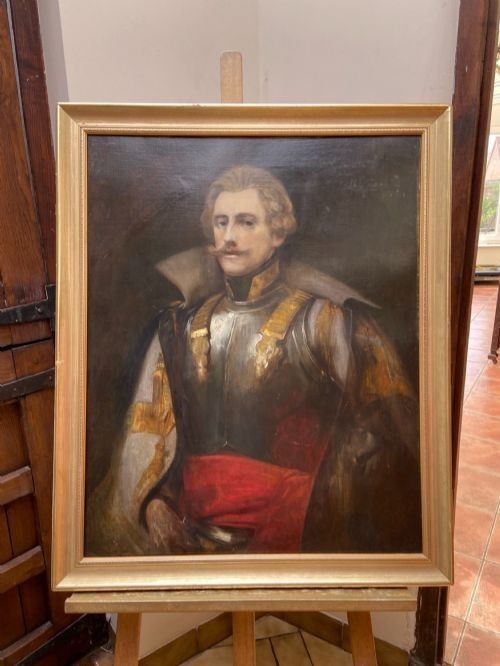
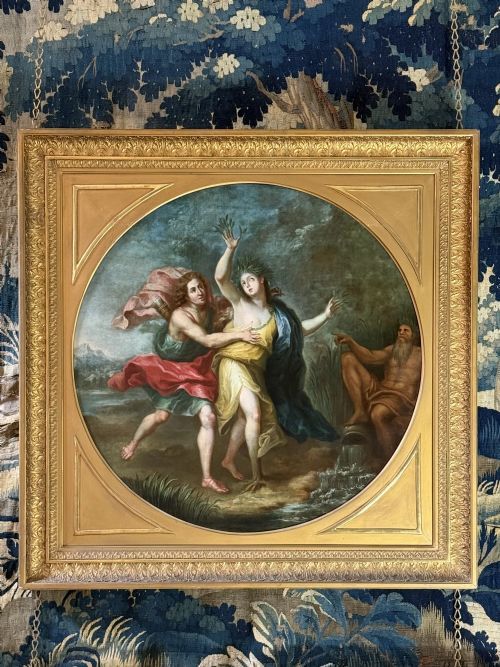
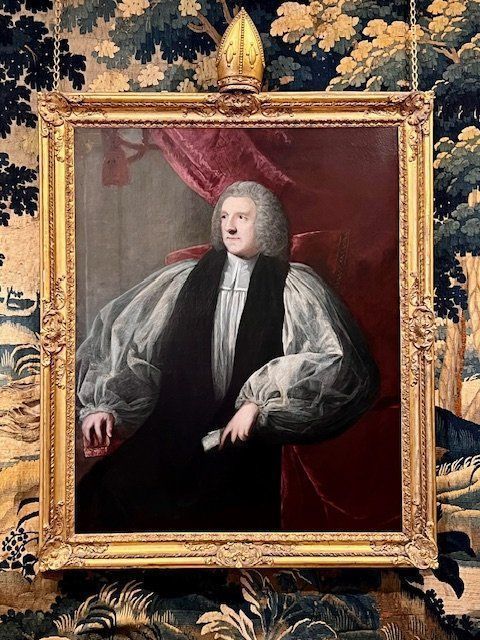
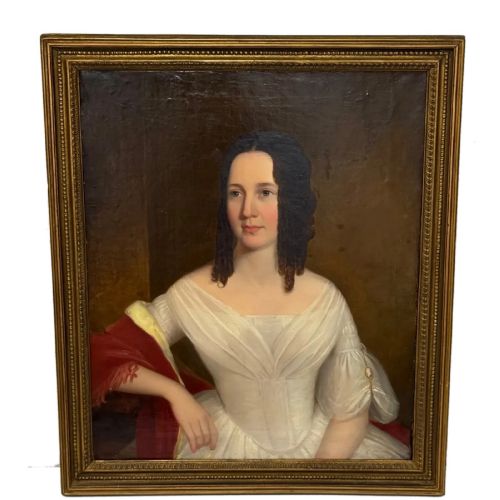
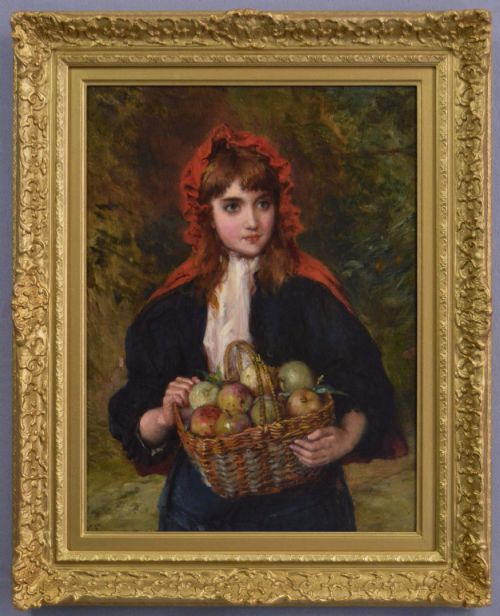
An antique oil painting artwork represents a broad category of historical visual culture spanning from the seventeenth century through to the mid-twentieth century. The selection on this page is dominated by nineteenth-century works, alongside eighteenth-century portraits and earlier seventeenth-century European school paintings.
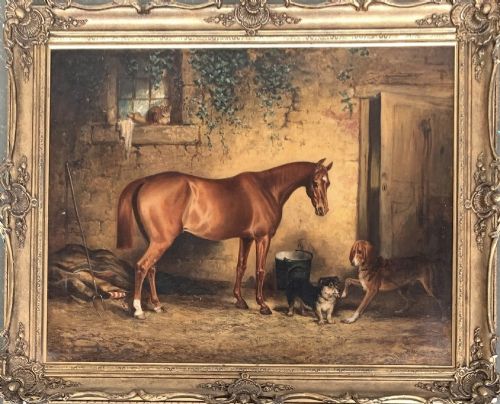
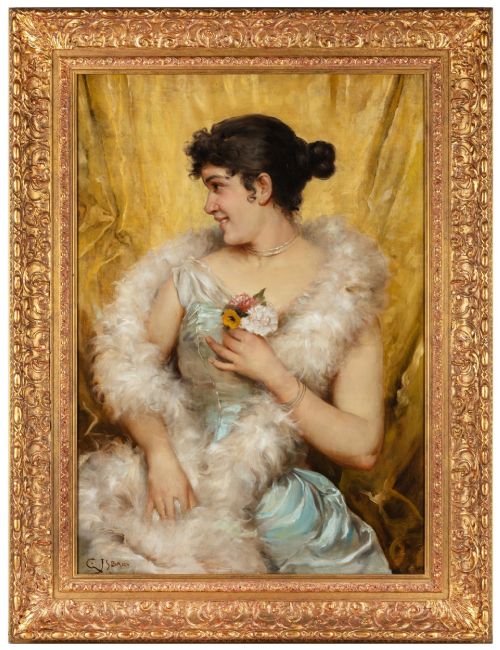
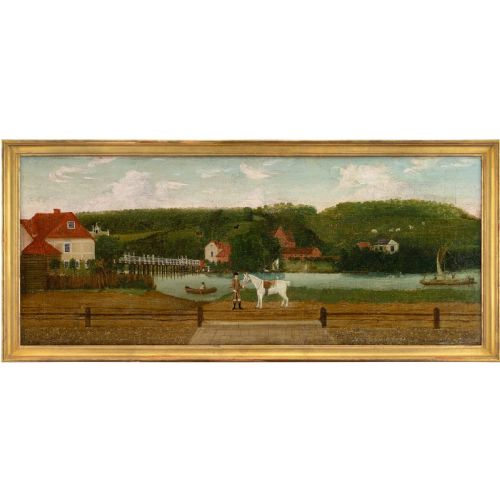
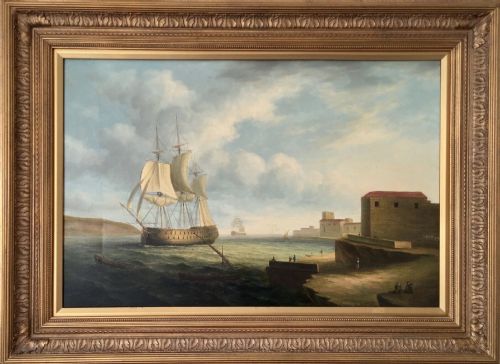
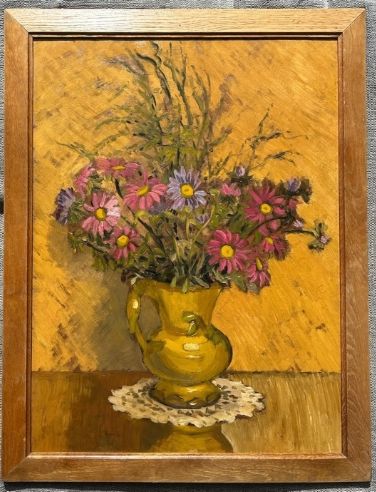
Buyers will find a wide array of subjects in these listings, including equine portraits, coastal scenes, romantic landscapes, and floral still lifes. Formats range from framed wall art and canvas stretchers to works executed on wood panels and fan leaves.
How they were made
Artists of these periods applied oil paint predominantly onto stretched canvas or prepared wood panels, building imagery through layered brushwork and glazing techniques. Many works are housed in period frames constructed from giltwood or wood embellished with gold leaf.
The physical support often dictates the texture and preservation of the surface, with oil on canvas yielding characteristic craquelure over centuries, while wood panels offer a rigid ground for detailed portraiture and marine subjects.
Listings feature works spanning from the 17th century to the mid-20th century, executed in oil on canvas and wood panel.
What varies in quality
Quality in these works is defined by the confidence of the brushwork, anatomical accuracy in figures and animals, and the atmospheric depth achieved within the composition. Master painters demonstrate a nuanced control of light and shadow, particularly in baroque lighting or subtle landscape tones, which elevates a piece above standard decorative production.
The integrity of the original surface and the harmony of the framing also influence the standing of a piece. Works retaining their original giltwood frames and untouched paint layers command greater interest among collectors seeking authentic historical objects.
Henry Barraud·Sir Joseph Noel Paton·Charles Antoine Coypel·Sir Joshua Reynolds·Eugène Verboeckhoven·Jean Baptiste Van Loo·Sir Peter Lely
The Antique Oil Painting Artwork Glossary
- Oil on Canvas
- A traditional painting medium where oil paint is applied to a woven fabric stretched across a wooden frame. This combination allows for flexible application and enduring pigment stability.
- Giltwood
- Wood that has been coated with a thin layer of gold leaf or gold paint. It frequently appears on antique picture frames surrounding fine art pieces.
- Panel Painting
- A work executed on a flat piece of wood rather than stretched fabric. This rigid support was favoured by many early European schools.
- School
- A descriptive term used to group artists working in a particular region, period, or under the influence of a master. It denotes stylistic tradition rather than a specific academy.
- Craquelure
- The fine network of minute cracks that develop across the surface of aged oil paint layers. It serves as a natural indicator of age in historical artworks.
Antique Oil Painting Artwork: Frequently Asked Questions
How do I date an oil painting?
Dating relies on examining the style of the clothing, the stretcher frame construction, and the type of canvas or wood support. Pigment analysis and historical records also help pinpoint the era.
Signatures, inscriptions, and labels on the reverse provide further clues, though many historical works remain anonymous or attributed to specific schools.
What is the difference between canvas and panel?
Canvas provides a flexible, textured surface that became dominant from the Renaissance onwards, while wood panels offer a smooth, rigid foundation common in earlier periods.
Panels are less prone to sagging but can warp with humidity changes, whereas canvas can be re-tensioned over its wooden stretcher frame.
How should I display antique art at home?
Hang paintings away from direct sunlight and steady sources of artificial heat to protect the oil pigments and wooden frames from drying out and cracking.
Ensure the wall fixings match the weight of the piece, particularly for large works housed in heavy giltwood frames.
What does attribution to a school mean?
An attribution to a specific school indicates that the work was produced by an unidentified artist working within the style, region, and period of a known tradition.
These pieces reflect the broader technical and aesthetic standards of their time without bearing a verified master's signature.